Table of Contents >> Show >> Hide
Endometriosis is one of those conditions that can turn a calendar into a suspense novel. Will this week bring cramping, bloating, bowel drama, deep pelvic pain, fatigue, or the classic “I look fine but I would like to fight my uterus in a parking lot” feeling? For many people, the answer is unfortunately yes. That is exactly why so many patients start searching for natural remedies, herbal options, and alternative treatments that might offer relief.
And honestly, that search makes sense. Standard treatments do help many people, but they do not work perfectly for everyone, and they can come with side effects, fertility considerations, or the grim frustration of symptoms returning. So the big question becomes: Can herbs help endometriosis? The practical answer is maybe with symptoms, but not as a cure. Some herbs and complementary therapies may help with pain, inflammation, cramping, stress, or quality of life. But none have been proven to erase endometriosis lesions, and none should replace proper medical evaluation.
Important note: This article is for education, not diagnosis or treatment. If you have severe pelvic pain, heavy bleeding, pain with sex, infertility, bowel or bladder symptoms, or symptoms that are getting worse, a licensed healthcare professional should be part of your plan.
What Endometriosis Actually Is
Endometriosis happens when tissue similar to the lining of the uterus grows outside the uterus. These growths can appear on the ovaries, fallopian tubes, outer surface of the uterus, pelvic lining, bowel, bladder, and sometimes beyond the pelvis. The result can be inflammation, scarring, cysts, adhesions, and pain that ranges from “annoying but manageable” to “cancel the whole day.”
Symptoms vary a lot. Some people mainly deal with painful periods. Others get chronic pelvic pain, pain during sex, heavy bleeding, bloating, lower back pain, bowel pain, painful urination, fatigue, or trouble getting pregnant. That variety is one reason endometriosis can take so long to recognize. It does not always show up wearing a neon sign that says, “Hello, I am endometriosis.” Sometimes it sneaks in disguised as digestive trouble, bad cramps, or stress.
Conventional treatment usually includes pain relievers like NSAIDs, hormonal treatment to suppress cycles and reduce pain, and surgery in selected cases. These options matter because endometriosis is not just ordinary cramping wearing a dramatic costume. It is a real inflammatory disease that deserves real care.
Can Herbs Help Endometriosis?
Here is the honest, non-magical answer: herbs may help some people feel better, but the scientific evidence is still limited. Most herbal options are studied more for menstrual cramps, inflammation, digestion, or general pain than for endometriosis lesions themselves. That distinction matters.
So if an herb helps reduce cramp intensity or nausea, great. If someone on the internet claims a tea “melts away endometriosis,” that is where you should slowly back away like you just saw a raccoon holding a credit card.
1. Turmeric and Curcumin
Turmeric is one of the most talked-about herbs for inflammatory conditions, and endometriosis is no exception. Curcumin, the best-known active compound in turmeric, has been studied for anti-inflammatory effects. That is why it keeps showing up in conversations about pelvic pain and chronic inflammation.
The catch is that strong human evidence for endometriosis-specific benefit is still lacking. In plain English: turmeric is interesting, promising, and heavily discussed, but it is not a proven stand-alone treatment for endometriosis.
Safety still matters. Turmeric supplements can cause stomach upset, reflux, diarrhea, constipation, nausea, and product-quality issues can vary. That is a bigger deal than it sounds, especially if you are also taking blood thinners, preparing for surgery, or already using medications that affect bleeding or digestion.
2. Ginger
Ginger has a stronger reputation for reducing nausea and may also help with menstrual cramps. That is why some people with endometriosis use ginger tea, capsules, or ginger added to meals during flare days. If your symptoms include nausea, cramping, and the feeling that your pelvis has launched a hostile workplace takeover, ginger may be worth discussing with your clinician.
Still, ginger is not proven to treat endometriosis itself. It may help symptom control, especially around the period window, but it is not a lesion-targeting therapy. Side effects are usually mild and can include heartburn, gas, and stomach discomfort. There are also concerns about interactions with blood thinners, so “natural” does not automatically mean “safe for everybody.”
3. Herbal Teas for Comfort, Not Cure
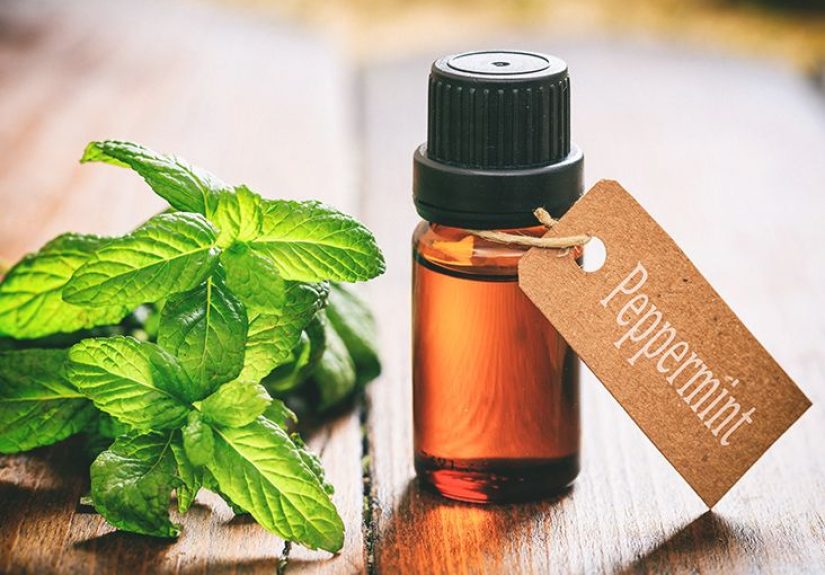
Many people also reach for herbal teas such as peppermint, chamomile, or ginger blends. These are usually used for comfort rather than disease treatment. A warm mug can ease nausea, support hydration, and make a rough day feel slightly less insulting. That has value. But comfort care and disease treatment are not the same thing. Tea can be lovely; tea is not laparoscopic surgery in a cup.
4. Other Herbs and Supplements People Ask About
Online searches for endometriosis often turn up things like garlic, ginkgo, chasteberry, ashwagandha, magnesium, vitamin B1, omega-3s, and a parade of powders that promise to “balance hormones naturally.” A few of these may help certain symptoms in some people. For example, magnesium and vitamin B1 are sometimes discussed for painful periods. But endometriosis is more complicated than routine menstrual cramps, and supplement quality, dosing, and interactions vary widely.
The safest takeaway is this: if you want to try a supplement, choose one thing at a time, use a reputable brand, and tell your healthcare team exactly what you are taking. Otherwise, you are not really doing integrative care. You are performing chemistry improv.
Other Alternative Treatments That May Help More Than Herbs
When people search for “natural treatment for endometriosis,” herbs get most of the attention. But in real life, some of the most helpful complementary strategies are not herbal at all.
Heat Therapy
Heat is not glamorous, but it is dependable. A heating pad, hot water bottle, warm bath, or heat patch can help relax muscles and reduce cramp-related pain. For many people, heat is the MVP of the flare-day roster. It does not cure endometriosis, but it can absolutely make the day more survivable.
Acupuncture and Acupressure
Acupuncture is one of the better-known complementary approaches for chronic pain. Research on endometriosis specifically is still mixed, but some people report real relief with pain intensity, pelvic tension, and general stress. The key phrase is some people. This is not a guaranteed fix, but it may be a useful part of a broader symptom-management plan when done by a qualified practitioner.
Acupressure is sometimes used for period pain too. It is low-tech, generally accessible, and may be appealing to people who want non-drug pain strategies.
Pelvic Floor Physical Therapy
This one deserves far more hype than it usually gets. Endometriosis can trigger pelvic floor muscle tension, guarding, and dysfunction. In other words, your body learns pain so well that muscles stay clenched long after they should have retired from the drama.
Pelvic floor physical therapy can help identify tight muscles, improve coordination, reduce pain with movement or sex, and teach relaxation strategies. For people whose symptoms involve pain during intercourse, bowel movements, urination, or persistent pelvic tightness, this can be a game changer.
Exercise and Yoga
No, exercise does not make endometriosis vanish into the mist like a defeated movie villain. But regular movement may help with pain, circulation, stress, mood, and overall inflammation. Some people do best with walking, swimming, cycling, or strength work. Others prefer yoga, stretching, or low-impact mobility sessions, especially during flare-prone times.
The trick is not to force yourself into punishment workouts. “Listen to your body” is overused advice, but in this case it applies. On some days, your body wants a brisk walk. On other days, it wants child’s pose and emotional privacy.
Mindfulness, Counseling, and Stress Reduction
Endometriosis is not “all in your head,” but chronic pain absolutely affects the mind. When symptoms are unpredictable, recurrent, and often dismissed, stress can pile up fast. Mindfulness, meditation, cognitive behavioral therapy, counseling, and pain psychology can help people cope better, reduce distress, and improve quality of life.
This is not surrender. It is skill-building. Managing pain involves the nervous system, not just the reproductive system. If therapy helps you sleep better, panic less, communicate symptoms more clearly, or feel less isolated, that is real treatment value.
Diet Changes
An anti-inflammatory eating pattern gets a lot of attention in the endometriosis world, and for good reason: some people feel better when they build meals around fruits, vegetables, fiber, healthy fats, and omega-3-rich foods while easing back on ultra-processed foods, excess alcohol, or foods that seem to personally offend their digestive tract.
That said, diet is not one-size-fits-all. Some people find symptom relief by keeping a food diary and noticing patterns with bloating, bowel pain, or energy dips. Others see little difference. The best diet for endometriosis is usually the one that is nutritious, sustainable, and does not make you fear dinner.
What Alternative Treatments Cannot Do
This is the part the internet sometimes mumbles into a pillow: herbs and alternative treatments may support symptom relief, but they do not replace diagnosis. They also do not reliably remove adhesions, endometriomas, or deeper infiltrating disease.
If symptoms are severe, worsening, or affecting fertility, bowel function, bladder function, work, school, sleep, or intimacy, you need more than a supplement shelf and a brave attitude. You need medical care. In many cases, the smartest plan is integrative rather than either-or: conventional treatment for the disease, plus carefully selected complementary strategies for symptom relief and quality of life.
How to Try Herbs or Alternative Treatments Safely
Start with a Diagnosis, Not a Guess
Heavy periods, pelvic pain, painful sex, bloating, IBS-like symptoms, and fatigue can have multiple causes. Fibroids, pelvic floor dysfunction, adenomyosis, ovarian cysts, interstitial cystitis, and gastrointestinal disorders can overlap with or mimic endometriosis.
Tell Your Clinician Everything You Take
That includes supplements, teas, powders, gummies, tinctures, oils, and anything recommended by your cousin’s Pilates instructor. Herbs can affect bleeding, surgery, anesthesia, and medication response.
Track Symptoms Like a Detective
Use a simple log for pain, bleeding, bowel symptoms, sleep, sex-related pain, fatigue, and mood. If you add a new therapy, that record helps you see whether it is actually helping or whether the placebo effect is just wearing a very convincing hat.
Be Careful With Fertility and Pregnancy Plans
If you are trying to conceive, planning surgery, or pregnant, “natural” choices need extra caution. Some herbs are not appropriate in those situations, and even safe-seeming supplements may have limited evidence.
Real-Life Experiences People Commonly Report With Endometriosis
Ask a group of people with endometriosis what the condition feels like, and you usually hear a theme rather than a single script: it takes over more of life than outsiders realize. Not just periods. Not just cramps. Life.
Many describe the early phase as confusion. They assume their pain is normal because they were told painful periods are part of being a woman, part of growing up, or part of having a “low pain tolerance.” So they push through school, sports, jobs, relationships, and social plans while quietly wondering why everyone else seems to be functioning like ordinary humans and they feel like they are negotiating with an angry octopus in their pelvis.
Another common experience is unpredictability. Some people hurt mainly during their period. Others hurt before, during, and after. Some feel stabbing pain with bowel movements or urination. Some deal with deep pain during sex. Others get fatigue, nausea, bloating, diarrhea, constipation, or back pain that makes them feel like several unrelated problems are happening at once. This unpredictability can make planning anything complicated. Work meetings, road trips, weddings, exercise classes, and date nights all start getting filtered through the question: “What if I flare?”
A lot of people also talk about dismissal. They hear that they are stressed, dramatic, anxious, sensitive, or just unlucky with cramps. Meanwhile, they are missing school, curling up with heating pads, canceling plans, or timing their life around bathrooms and pain medication. That gap between what they feel and what others believe can be emotionally exhausting.
Then there is the treatment maze. People often try multiple things over time: NSAIDs, birth control, progestin therapy, surgery, pelvic floor therapy, anti-inflammatory eating patterns, acupuncture, counseling, heat, supplements, and exercise routines adjusted around symptoms. The experience is rarely linear. Something may help for six months and then stop. Another thing may seem useless until it is combined with a better sleep routine, less stress, and pelvic floor treatment. Progress can look less like a miracle and more like a patchwork quilt sewn by a very determined person with a heating pad nearby.
One of the most meaningful experiences people report is relief when they finally feel believed. Not cured. Not magically fixed. Just believed. Having a clinician say, “Your pain is real, and we are going to build a plan,” can be huge. So can finding a therapist, physical therapist, partner, or friend who understands that chronic pelvic pain affects mood, confidence, intimacy, work, and energy.
That is why the best endometriosis care often looks comprehensive. Herbs may help a little. Diet may help a little. Acupuncture may help a little. Surgery may help a lot for some people. Hormonal therapy may help a lot for others. Pelvic floor therapy may unlock progress that nothing else touched. The lived experience of endometriosis is usually not about finding one perfect cure. It is about building the right combination of tools so life gets bigger again and pain gets smaller.
Final Thoughts
Herbs for endometriosis can be part of the conversation, but they should not be the whole conversation. Turmeric, ginger, and other natural options may offer symptom support for some people, especially when inflammation, nausea, or cramp-like pain are part of the picture. But the best-supported alternative treatments often include things like heat, exercise, acupuncture, pelvic floor physical therapy, and stress-management tools used alongside standard medical care.
If you take one message from this article, let it be this: you are not overreacting, and you do not have to choose between science and comfort. You can use evidence-based medical treatment and still explore carefully chosen natural strategies. The goal is not to win a contest for “most holistic” or “most hardcore.” The goal is to feel better, function better, and get care that treats your pain like it matters. Because it does.