Table of Contents >> Show >> Hide
- What is gestational diabetes, exactly?
- Why does gestational diabetes happen?
- Are there symptoms?
- How and when do doctors test for gestational diabetes?
- What does a gestational diabetes diagnosis mean for the baby?
- What does it mean for the pregnant person?
- How is gestational diabetes managed?
- Does gestational diabetes go away after pregnancy?
- Long-term outlook: what happens next?
- When to contact your care team
- Real-life experiences: what gestational diabetes often feels like (and what people wish they’d known)
Pregnancy already comes with a full-time schedule: appointments, cravings, nursery planning, and the mysterious ability to smell toast from three rooms away.
Then comes a curveball some people don’t see cominggestational diabetes. The name sounds intimidating (because it is), but it’s also
common, treatable, andhere’s the part most people want to know firstoften temporary.
In this guide, we’ll break down what gestational diabetes is, why it happens, how it’s diagnosed, what management actually looks like in real life,
and what happens after delivery. We’ll also talk about the big question: Does gestational diabetes go away after pregnancy?
Spoiler: for many, yesbut it still deserves a long-term game plan.
What is gestational diabetes, exactly?
Gestational diabetes (often called GDM) is high blood sugar that starts during pregnancy in someone who didn’t have diabetes before becoming pregnant.
It usually shows up in the second half of pregnancy, often around the time your body’s hormone levels are working overtime.
Here’s the simplest way to think about it: your body needs insulin to move glucose (sugar) from your bloodstream into your cells for energy.
During pregnancy, hormones from the placenta can make your body less responsive to insulin. If your pancreas can’t keep up by making extra insulin,
blood sugar risesand that’s gestational diabetes.
Gestational diabetes is not a “you did something wrong” diagnosis. It’s a metabolism-meets-hormones situation. Your lifestyle matters, surebut it’s only one piece of the puzzle.
Why does gestational diabetes happen?
Insulin resistance: the placenta’s “side quest”
In late pregnancy, insulin resistance naturally increases. This helps ensure there’s enough glucose available to support the growing baby.
Most pregnant people produce more insulin to balance this out. Some can’t make enough to match the increased demand, and blood sugar climbs.
Risk factors that raise the odds
Anyone can develop gestational diabetes, but your risk is higher if you have one or more of these:
- Prior gestational diabetes in a previous pregnancy
- A close family history of type 2 diabetes
- Being overweight before pregnancy (not a “blame” statementjust a known association)
- Polycystic ovary syndrome (PCOS)
- Previous delivery of a large baby (your clinician will define “large” based on medical standards)
- Prediabetes or insulin resistance before pregnancy
- Older maternal age (risk increases with age)
Even without risk factors, gestational diabetes can still happenbecause pregnancy is basically a biology festival.
Are there symptoms?
Often, no. Many people with gestational diabetes feel totally fine. That’s why screening matters.
When symptoms do happen, they can be mild and easy to confuse with normal pregnancy things, like feeling thirstier or peeing more.
Because symptoms aren’t reliable, most cases are found through routine testing rather than “something felt off.”
How and when do doctors test for gestational diabetes?
In the U.S., screening commonly happens between 24 and 28 weeks of pregnancy, though people at higher risk may be tested earlier.
The goal is to find and treat gestational diabetes before high blood sugar has more time to affect pregnancy outcomes.
Two common screening approaches
Your clinician may use one of these approaches (it varies by practice and guideline preferences):
-
Two-step approach:
a 1-hour glucose screening test (often a sweet drink) followed by a longer diagnostic test if the first result is elevated. -
One-step approach:
a longer oral glucose tolerance test (OGTT) used as the diagnostic test in a single visit.
If you’re wondering, “Why not just do one way for everyone?”welcome to medicine, where evidence, practicality, and real-world follow-through all wrestle in a friendly tie.
What does a gestational diabetes diagnosis mean for the baby?
Let’s be clear: many people with gestational diabetes deliver healthy babies. Management makes a huge difference.
But untreated or poorly controlled blood sugar can raise risks. Why? Because the baby is exposed to higher glucose levels, and the baby’s body may produce extra insulin in response.
Potential baby-related risks (especially if blood sugar stays high)
- Large birth weight (macrosomia), which can complicate delivery
- Shoulder dystocia (shoulders getting stuck during delivery)
- Newborn low blood sugar (hypoglycemia) after birth
- Jaundice
- Premature birth in some cases, or need for early delivery depending on clinical factors
What does it mean for the pregnant person?
Gestational diabetes can increase the likelihood of certain complications during pregnancy and delivery, including:
- Preeclampsia (pregnancy-related high blood pressure)
- Cesarean delivery (sometimes due to baby size or other factors)
- Higher chance of gestational diabetes in future pregnancies
And the big long-term headline: having gestational diabetes increases your risk of developing type 2 diabetes later in life.
That doesn’t mean it’s inevitableit means it’s worth treating your postpartum follow-up like an important sequel, not a deleted scene.
How is gestational diabetes managed?
Management is about keeping blood sugar in a healthy range for pregnancy. Your care team may include an OB/GYN, a diabetes educator, a registered dietitian,
and sometimes a maternal-fetal medicine specialist.
1) Checking blood sugar
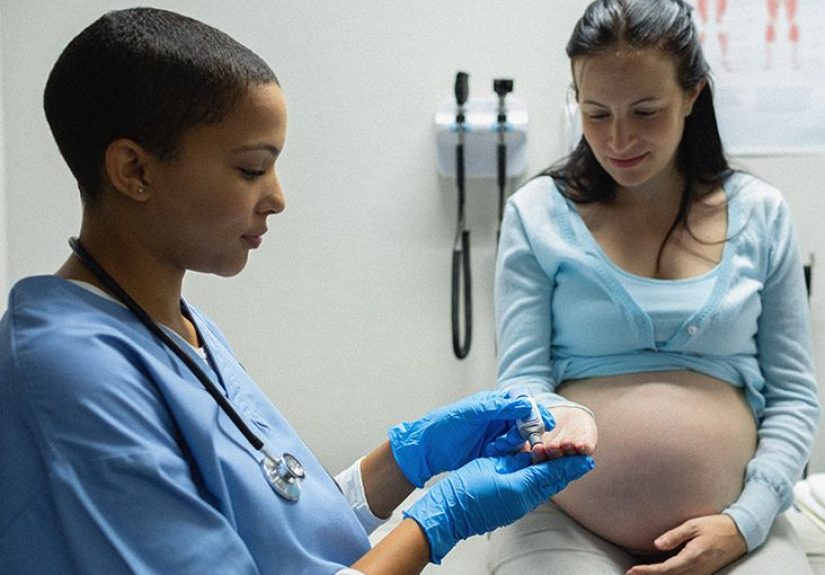
Many people monitor blood sugar at home with a finger-stick meter (or sometimes a continuous glucose monitor, depending on clinical context and access).
The goal isn’t perfection; it’s pattern recognitionseeing what keeps you in range and what needs adjusting.
2) Nutrition changes that are realistic (not “sad salad forever”)
A gestational diabetes eating plan usually focuses on:
- Balanced carbs: not zero carbsjust smarter carbs, spread through the day
- Pairing carbs with protein and healthy fats to slow glucose spikes
- More fiber (vegetables, beans, whole grains)
- Regular meals and snacks to prevent big swings
Example day (a “normal human” template):
- Breakfast: eggs + whole-grain toast + berries (small portion) or Greek yogurt + nuts + chia
- Snack: apple slices + peanut butter
- Lunch: “plate method” bowlhalf non-starchy veggies, quarter protein, quarter whole-grain or starchy veg
- Snack: cheese + whole-grain crackers or hummus + veggies
- Dinner: salmon or chicken + roasted veggies + quinoa or brown rice
- Optional bedtime snack: small protein-focused snack if recommended
Your clinician or dietitian may tailor carb targets based on your readings, your pregnancy needs, and how your body responds. The “best” plan is the one you can follow.
3) Physical activity (the gentle kind counts)
Movement helps your body use insulin more effectively. For many people, a 10–20 minute walk after meals can noticeably improve post-meal blood sugar.
You don’t need to train for a marathonunless your marathon is “keeping up with prenatal appointments,” which is already a lot.
Always confirm what’s safe for your pregnancy with your clinician, especially if you have placenta issues, bleeding, high blood pressure, or other complications.
4) Medication when lifestyle isn’t enough
Sometimes, food and activity aren’t enough to keep blood sugar in rangeespecially later in pregnancy when insulin resistance naturally rises.
If that happens, your clinician may recommend medication. Insulin is commonly used because it doesn’t cross the placenta in the same way many drugs do.
In some cases, clinicians may use other medications depending on individual circumstances and current practice standards.
Common blood sugar targets (typical examples)
Targets can vary by clinician and guideline, but many U.S. practices aim for values similar to these:
- Fasting: under 95 mg/dL
- 1 hour after meals: under 140 mg/dL
- 2 hours after meals: under 120 mg/dL
Don’t “self-prescribe” targetsuse the ones your prenatal team gives you. But it helps to know that you’re not chasing random numbers; you’re following pregnancy-specific goals.
Does gestational diabetes go away after pregnancy?
For many people, blood sugar returns to normal soon after delivery because the placenta (the main driver of insulin resistance) is no longer in the picture.
So yesgestational diabetes often goes away after pregnancy.
However, “often” is not “always.” Some people discover they actually had undiagnosed type 2 diabetes or prediabetes before pregnancy.
Others may continue to have elevated blood sugar postpartum. That’s why postpartum testing is so important, even if you feel fine and your baby is adorable enough to distract the entire neighborhood.
The postpartum test: your most underrated appointment
Many guidelines recommend diabetes screening around 4–12 weeks after delivery, often using a 75-gram oral glucose tolerance test (OGTT).
If results are normal, ongoing screening is still recommendedoften every 1 to 3 yearsbecause future risk remains higher after a gestational diabetes pregnancy.
If you take one thing from this entire article, let it be this: don’t skip the postpartum glucose test. It’s not a “nice to have.”
It’s the bridge between pregnancy care and long-term health.
Long-term outlook: what happens next?
A history of gestational diabetes is like your body leaving you a sticky note that says: “Heykeep an eye on glucose in the future.”
That includes:
- Higher risk of type 2 diabetes later in life
- Higher chance of gestational diabetes in a future pregnancy
- More benefit from prevention strategiesbecause your risk is modifiable
Practical prevention after pregnancy
The best prevention plan is boring in the best way: sustainable habits.
- Keep follow-up screening on your calendar (the “set it and forget it” version of adulting)
- Choose a balanced eating pattern you can live withnot a crash diet
- Move regularly (walking counts; lifting a stroller counts; dancing in your kitchen counts)
- Prioritize sleep when possible (yes, we knownewborns did not get the memo)
- Ask about prevention support if you have prediabetes or other risk factors
Breastfeeding and diabetes risk
Research suggests that breastfeeding may lower the risk of developing type 2 diabetes after gestational diabetes, especially with longer duration.
Breastfeeding is not always easy or possible, and nobody should feel judged for how they feed their babybut if breastfeeding is part of your plan,
it may offer metabolic benefits along with baby benefits.
When to contact your care team
Call your clinician if you:
- Have blood sugar readings outside your recommended range repeatedly
- Feel faint, shaky, or unwellespecially if you’re on medication that can lower blood sugar
- Have concerns about fetal movement, signs of preeclampsia, or other pregnancy warning signs (follow your OB’s guidance)
- Missed your postpartum test and want to reschedulelate is better than never
Real-life experiences: what gestational diabetes often feels like (and what people wish they’d known)
Even though gestational diabetes is a medical diagnosis, the day-to-day experience is very human. Many people describe the moment they got “the call” as a mix of
surprise, guilt, and confusionespecially when they had no symptoms and felt like they were doing everything “right.” One common realization later is this:
gestational diabetes is not a moral grade. It’s a condition with biology at the wheel.
The first week after diagnosis can feel like information overload. You’re learning how to check blood sugar, what “fasting” means (and why it matters),
how to time meals, and whether the snack you love is now your snack’s evil twin. People often say that the hardest part isn’t the finger sticksit’s the mental load:
planning food, remembering timing, and trying not to turn every meal into a math test.
Many find it helpful to start with small, high-impact changes rather than reinventing their entire diet overnight. For example:
swapping juice for water at breakfast, adding protein to a snack, or taking a short walk after dinner. Lots of people notice that
breakfast is the “spikiest” meal for glucoseso they may shift toward fewer carbs in the morning and more balanced carbs later in the day.
It’s also common to discover that two foods with the same carbs can behave very differently depending on fiber, fat, and portion size.
Social situations are another big theme. Baby showers, holidays, and family dinners can come with well-meaning comments like,
“You can have just one piece!” People who’ve been through it often say the best approach is a simple script:
“I’m following my doctor’s plan for the baby.” No debate. No dissertation. Just a boundary that fits on a napkin.
Then there’s the emotional roller coaster of numbers. A “perfect” day can still have a weird readingbecause sleep, stress, hormones, and even a rushed meal can change results.
Many people say it helped to focus on patterns over single readings. A one-off high number is data, not destiny. The goal is to adjust with your care team and keep moving forward.
If medication becomes necessary, people often feel like they “failed.” But those who look back on the experience tend to reframe it:
medication was simply the next tool. In late pregnancy, insulin resistance can rise dramatically. Needing insulin can reflect pregnancy biologynot a lack of effort.
Many parents also say they felt relief once medication stabilized their readings, because it reduced daily stress.
After delivery, the emotional whiplash can be real. Some people are told their glucose should normalize quicklyand it often doesyet the follow-up testing and long-term risk can feel unsettling.
A common “wish I’d known” is how important the postpartum glucose test is, even when life with a newborn is chaotic.
Those who prioritize the test often say it gave them peace of mind (or, if results were abnormal, it gave them a clear path to early support).
Most of all, people want others to know they’re not alone. Gestational diabetes can be frustrating and scary, but it’s also highly manageable with a good plan and support.
If you’re navigating it now, aim for progress, not perfectionand let your care team carry some of the weight.