Table of Contents >> Show >> Hide
- Why Menopausal Skin Feels So Different (and Why It’s Not “Just Aging”)
- The Menopausal Skin Shopping List: What to Buy (and What to Skip)
- 1) A Hydrating Day Cream That Also Plays Defense (SPF Included)
- Best buys (day creams/SPF) by budget
- 2) A Gentle Cleanser That Doesn’t Strip You Like a Dish Pan
- 3) A “Hydration Sandwich” Serum (Optional but Powerful)
- 4) A Night Cream (or Treatment) That Builds BackWithout Starting a War
- 5) A Cooling Spray for Flushing, Hot Flashes, and “My Face Is Lava” Moments
- 6) A Body Moisturizer That Treats Your Skin Like Skin (Not Like Furniture)
- Simple Routines That Work (and Don’t Require a Spreadsheet)
- Ingredient Cheat Sheet: The “Best Buys” You Want on Labels
- How to Shop Smart: Price vs. Performance
- When to Call in Backup (Dermatologist or Clinician)
- Quick FAQ: Menopausal Skin Edition
- Real-World Experiences: What Menopausal Skin Feels Like (and What Actually Helps)
- Conclusion
Menopause can feel like your skin got a software update you didn’t approve: suddenly drier, thinner, more reactive, and occasionally prone to random flushing like it’s auditioning for a tomato commercial. The good news? You don’t need a 14-step routine or a second mortgage to get comfortable, glowy, resilient skin again. You need the right basicsplus a few strategic “best buys” that actually match what menopausal skin is doing behind the scenes.
In this guide, we’ll break down what changes during peri/menopause, what ingredients pull the most weight, and how to shop smartfrom hydrating day creams with sunscreen to cooling facial sprays that help when your face decides it’s summer in January.
Why Menopausal Skin Feels So Different (and Why It’s Not “Just Aging”)
Menopause-related skin changes are driven largely by shifting hormonesespecially declining estrogenwhich affects collagen, elasticity, oil production, and how well your skin holds onto moisture. Dermatology groups point out that collagen loss can accelerate around menopause, contributing to increased dryness, fine lines, and sagging. Meanwhile, the skin barrier may become slower to repair, making irritation and sensitivity more common.
Common Menopausal Skin Complaints (You’re Not Imagining It)
- Dryness and tightness (even if you were oily forever)
- Itchiness and “why is my face suddenly mad at water?” sensitivity
- More visible fine lines because dehydration exaggerates texture
- Flushing tied to hot flashes or temperature swings
- Breakouts or chin/jawline acne for some people (rude, but real)
- Dullness from slower turnover and a stressed barrier
So the goal isn’t to “fight age.” It’s to support the barrier, replenish hydration, protect from UV (your #1 wrinkle-maker), and use actives that build resiliencewithout triggering a full-blown skin tantrum.
The Menopausal Skin Shopping List: What to Buy (and What to Skip)
1) A Hydrating Day Cream That Also Plays Defense (SPF Included)
If you buy one “best buy,” make it this: a moisturizing day cream you’ll actually use every morning, ideally with broad-spectrum SPF 30+. Menopausal skin often feels drier and more fragile, and UV exposure speeds collagen breakdown. Think of sunscreen as your skin’s daily seatbeltunsexy, essential, and extremely effective.
Look for:
- Ceramides (barrier support)
- Glycerin and/or hyaluronic acid (hydration magnets)
- Niacinamide (calms redness, supports barrier, helps uneven tone)
- Mineral filters like zinc oxide if you’re reactive (often gentler for sensitive skin)
Skip (especially if you’re sensitive): heavy fragrance, denatured alcohol high on the ingredient list, and “tingly” essential oil blends that can backfire when your barrier is compromised.
Best buys (day creams/SPF) by budget
- Drugstore-friendly: A fragrance-free ceramide moisturizer layered under a separate SPF can outperform fancy jars. If your budget is tight, split the job: moisturizer + sunscreen.
- Mid-range hero: A barrier-focused moisturizer with ceramides/niacinamide (often labeled for sensitive skin) plus a lightweight broad-spectrum SPF.
- Splurge (if you love texture): Rich “lipid-replenishing” creams can feel amazing on menopausal drynessjust keep sunscreen separate unless the SPF is truly broad-spectrum and you apply enough.
2) A Gentle Cleanser That Doesn’t Strip You Like a Dish Pan
Menopausal skin often hates harsh foaming cleansers. A gentle, non-stripping cleanser removes sunscreen and makeup without leaving that squeaky, tight feeling (which is basically your skin yelling, “I have regrets”).
Best buy tip: If your face feels tight within 60 seconds after cleansing, your cleanser is too aggressive. Switch to a creamy, fragrance-free option. And if you wear heavy sunscreen or makeup, use a simple cleansing balm or micellar water first, then your gentle cleanser.
3) A “Hydration Sandwich” Serum (Optional but Powerful)
Serums are optional. But the right one can make your day cream work harderespecially for menopausal dryness and dullness.
Look for one (or two) of these MVPs:
- Hyaluronic acid + glycerin: helps bind water in the outer skin (apply on slightly damp skin)
- Niacinamide: supports barrier, can reduce redness and uneven tone
- Vitamin C: antioxidant support for brightness and discoloration (use in the morning if tolerated)
- Peptides: “support” ingredients that can pair well with moisturizers and feel gentle
Best buy tip: A hydrating serum doesn’t need to cost a lot. Focus on formula simplicity and packaging that protects the ingredients (especially vitamin C).
4) A Night Cream (or Treatment) That Builds BackWithout Starting a War
Night is when you can add a little strategy. If fine lines, texture, and firmness are on your list, dermatology experts consistently point to retinoids/retinol as one of the most evidence-backed options for smoothing and supporting collagen over time. The catch: menopausal skin can be more sensitive, so the “best buy” is the one you can tolerate consistently.
How to make retinol a menopausal-skin-friendly roommate:
- Start low and slow: 1–2 nights per week for 2–3 weeks, then increase as tolerated.
- Use the “moisturizer buffer”: apply moisturizer first, then a pea-size amount of retinol, then moisturizer again if needed.
- Never skip sunscreen: retinoids can increase sun sensitivity.
If retinol irritates you (very possible), your night “best buy” can simply be a barrier-repair cream with ceramides, fatty acids, glycerin, and soothing ingredients like colloidal oatmeal. Consistency beats intensity.
5) A Cooling Spray for Flushing, Hot Flashes, and “My Face Is Lava” Moments
Cooling facial sprays can be genuinely helpfulnot as skincare miracles, but as comfort tools. During hot flashes, the face and neck can flush and feel intensely warm. A fine mist can offer quick relief, especially if it’s designed to be non-irritating.
What makes a cooling spray a good buy for menopausal skin?
- Simple formula (thermal water, glycerin, soothing humectants)
- No heavy fragrance (fragrance can sting reactive skin)
- No high alcohol content (can worsen dryness over time)
- Optional “cooling hack”: keep it in the fridgetiny spa moment, big comfort payoff
Reality check: Menthol “icy” sprays can feel great for some people and feel like a betrayal for others. If you’re sensitive, patch test first or choose a gentler mist.
6) A Body Moisturizer That Treats Your Skin Like Skin (Not Like Furniture)
Menopause doesn’t just affect the face. Many people notice drier legs, arms, and an all-over “itchy sweater” feeling. A thick, fragrance-free body cream applied after showering can dramatically improve comfort. Look for ceramides, glycerin, urea (if tolerated), shea butter, and barrier-supporting oils.
Best buy tip: Apply within 3 minutes of showering. That’s when your skin still has water to lock in. Think: “seal it, don’t chase it.”
Simple Routines That Work (and Don’t Require a Spreadsheet)
Morning Routine: Hydrate + Protect
- Gentle cleanse (or just rinse if you’re dry and not oily)
- Hydrating serum (optional): hyaluronic acid/glycerin
- Moisturizer with ceramides/niacinamide
- Broad-spectrum SPF 30+ (or use a day cream with built-in SPF if you apply enough)
- Cooling mist as needed for comfort (bonus points: keep it chilled)
Night Routine: Repair + Calm
- Gentle cleanse
- Retinol 1–2 nights/week to start (or skip if reactive)
- Barrier-repair moisturizer (ceramides, glycerin, fatty acids)
- Extra-dry areas: dab a thicker balm-like moisturizer on cheeks or around the mouth
Ingredient Cheat Sheet: The “Best Buys” You Want on Labels
- Hyaluronic acid + glycerin: hydration support (especially when layered under moisturizer)
- Ceramides: strengthen the barrier and reduce water loss
- Niacinamide: calming, barrier-friendly, helps uneven tone for many
- Retinoids/retinol: long-game texture and wrinkle support (introduce slowly)
- Vitamin C: antioxidant and brightening support (morning use if tolerated)
- Colloidal oatmeal: soothing for itchiness and irritation
- Zinc oxide/titanium dioxide: mineral UV filters often well tolerated
How to Shop Smart: Price vs. Performance
Menopausal skin care can get expensive fastbecause marketing knows you’re vulnerable and owns a thesaurus. Here’s how to avoid paying “luxury tax” for basic hydration:
What’s worth spending on
- Sunscreen you love enough to use daily
- A non-irritating moisturizer that consistently fixes tightness
- A retinoid product with a formula you tolerate (not necessarily the strongest)
Where you can save
- Gentle cleansers (simple formulas work)
- Basic hydrating serums (hyaluronic acid/glycerin doesn’t need a diamond cap)
- Body moisturizers (big tubs often beat fancy pumps)
When to Call in Backup (Dermatologist or Clinician)
Skincare can do a lot, but not everything. If you have persistent itchiness, rash-like irritation, worsening rosacea, severe acne, or sudden pigment changes, it’s worth checking in with a dermatologist. Also talk with a clinician if hot flashes are significantly disrupting sleep or daily lifethere are evidence-based options, including lifestyle approaches and medical treatments, depending on your situation.
Quick FAQ: Menopausal Skin Edition
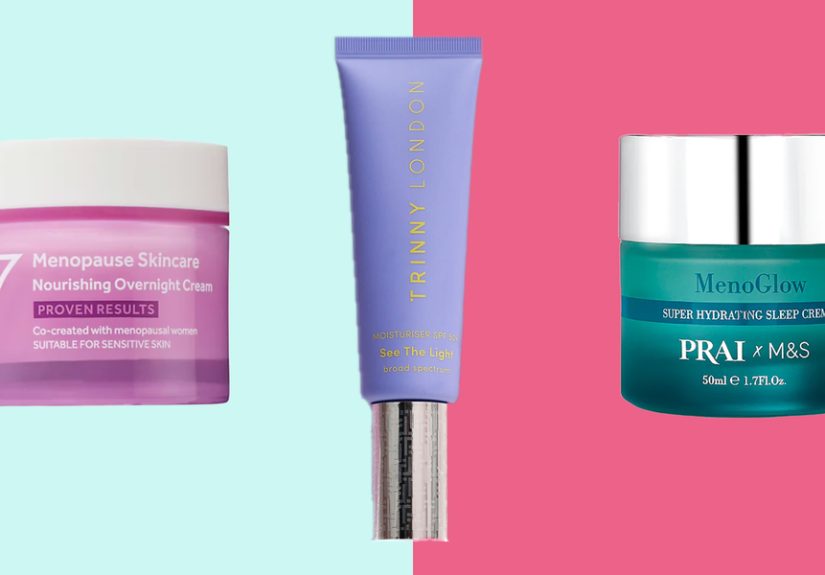
Do I need “menopause skincare” labeled products?
Not necessarily. Menopausal skin needs barrier support + hydration + sun protection. Plenty of sensitive-skin and mature-skin products already do this well. The label is less important than the ingredient list and how your skin responds.
Why does my face flush so easily now?
Vasomotor symptoms (hot flashes) can cause flushing and warmth in the face and upper body. Cooling sprays, fans, breathable fabrics, and trigger awareness (spicy food, alcohol, stress, hot drinks) can help with comfort, but persistent symptoms deserve a conversation with a clinician.
Can I use vitamin C and retinol?
Many people can, but menopausal skin may be more reactive. A common approach is vitamin C in the morning and retinol at night, introduced slowly. If irritation shows up, simplify and rebuild your barrier first.
Real-World Experiences: What Menopausal Skin Feels Like (and What Actually Helps)
Let’s talk about the part no one puts on the product box: the lived experience. Because menopausal skin changes aren’t just cosmeticthey’re comfort, confidence, and the strange moment you realize your “holy grail” moisturizer from five years ago now feels like you applied optimistic thoughts and nothing else.
Experience #1: The “My Face Is Tight by Lunch” Surprise.
Many people describe waking up with skin that feels fine, only to feel tightness and flakiness by middayespecially around the mouth and cheeks. The fix usually isn’t “more exfoliation” (tempting, but no). What helps is a hydration layer under moisturizer (think hyaluronic acid or glycerin on slightly damp skin), followed by a ceramide-rich cream. A small changelike switching from a foaming cleanser to a creamy oneoften makes an outsized difference within a week or two.
Experience #2: The “Everything Stings” Phase.
Another common story: products that used to feel great suddenly stingespecially after showering or when applying actives. This usually points to a weakened barrier. The best buy in this phase is boring in the best way: fragrance-free cleanser + barrier moisturizer + sunscreen. People often report that when they stop rotating five new serums and commit to the basics for 2–4 weeks, the stinging fades and their skin “calms down.” After that, reintroducing one active at a time (like retinol) is much more successful.
Experience #3: Flushing That Feels Random (But Isn’t Always).
Flushing can feel unpredictableuntil you notice patterns. Some people realize their face heats up after coffee, spicy food, alcohol, stress, or moving between hot and cold environments. A chilled, gentle facial mist can be a surprisingly comforting toolless about “treating” skin and more about helping you feel normal again in the moment. People who love cooling sprays often pair them with a mini fan or keep a mist in the fridge at home and a travel size in their bag.
Experience #4: The “Chin Acne Reunion Tour.”
Yes, breakouts can show up around perimenopause and menopauseoften around the chin and jawline. The most helpful approach tends to be gentle cleansing, avoiding harsh scrubs, and using targeted treatments carefully (like low-strength salicylic acid or dermatologist-guided options) while keeping the barrier strong with a non-comedogenic moisturizer. Many people find that stripping their skin “to dry out acne” backfiresleading to more irritation and more breakouts. The best buy here is balance: treat, but don’t punish.
Experience #5: Makeup Suddenly Looks… Off.
Menopausal dryness can make foundation cling to texture that didn’t used to exist. People often have better luck with a hydrating base, skipping heavy matte formulas, and using a moisturizing tinted sunscreen or skin tint instead. A hydrating face mist can also help “melt” makeup together (light mist, don’t drench), making skin look more like skin again.
Experience #6: The Long Game Wins.
The biggest shared lesson? Menopausal skin tends to reward consistency. The people who feel best about their skin rarely have the most productsthey have the most repeatable routines: gentle cleanse, hydrate, moisturize, SPF, and a few well-tolerated actives used patiently. In other words: your skin doesn’t need a dramatic makeover. It needs dependable support.
Conclusion
The best buys for menopausal skin aren’t the flashiestthey’re the ones that keep your barrier strong, your hydration steady, and your protection consistent. Start with a gentle cleanser, a ceramide-rich moisturizer, and daily broad-spectrum SPF. Add a hydrating serum if you’re dry, a slow-and-steady retinol if you want wrinkle support, and a simple cooling mist for those “my face is lava” moments. Keep it calm, keep it consistent, and let your skin get back to feeling like home.