Table of Contents >> Show >> Hide
- Why Storage Labels Work (Even If You’re Not “An Organized Person”)
- Before You Print: Pick Your Label Style (So You Don’t Redo It Next Month)
- How to Make Free Downloadable Storage Labels (Without Fancy Software)
- Room-by-Room Free Label Sets (Ready to Copy)
- 1) Entryway & Drop Zone Labels
- 2) Kitchen Drawer & Cabinet Labels
- 3) Pantry Labels (The “Where Did This Expire?” Solution)
- 4) Fridge & Freezer Labels
- 5) Bathroom Labels
- 6) Linen Closet Labels
- 7) Laundry Room Labels
- 8) Kids’ Room & Playroom Labels
- 9) Home Office Labels
- 10) Closet & Seasonal Storage Labels
- 11) Garage, Basement & Utility Labels
- Printing Tips That Prevent Smudges, Peeling, and Regret
- Common Labeling Mistakes (And How to Avoid Them)
- A Simple Weekend Plan: Label Your Home Without Burning Out
- Conclusion: Labels That Make Your Home Feel Easier
- Extra: Real-World Experiences & Lessons from Labeling Every Room (Approx. )
- SEO Tags
If clutter had a fan club, it would meet in the junk drawer, snack cabinet, and “I’ll deal with this later” closet. The good news:
you don’t need a reality show budgetor a magical weekend with zero responsibilitiesto get your home under control. You need
a labeling system that actually matches how you live.
Free downloadable storage labels are the sweet spot between “I want my house to feel calmer” and “I don’t want to spend $200 on matching bins.”
Labels create instant clarity: what belongs where, what’s missing, what’s overstocked, and what your family should stop putting in the
wrong place (looking at you, random batteries in the candle drawer).
In this guide, you’ll get a room-by-room labeling plan, practical printing tips, and ready-to-copy label text sets you can drop into a free template
(Google Docs, Canva, Word, or any PDF editor). Consider this your “organized home” starter kitminus the judgment and plus a little fun.
Why Storage Labels Work (Even If You’re Not “An Organized Person”)
Labels do three important jobs at once:
- They reduce decision fatigue: No more debating where something goes. The label already voted.
- They help everyone participate: A clear label is basically a tiny, polite instruction manual.
- They protect your system long-term: When items have a named “home,” they’re more likely to return there.
The secret isn’t labeling everything you own like a museum archive. It’s labeling the spots where confusion happens:
opaque bins, deep shelves, shared spaces, and anything that gets “reshuffled” during busy weeks.
Before You Print: Pick Your Label Style (So You Don’t Redo It Next Month)
Step 1: Decide what you’re labeling
- Bins & baskets: Best for closets, pantries, playrooms, and laundry rooms.
- Shelves: Great for shared spaces (pantry, fridge, garage). Helps restocking.
- Drawers: Ideal for bathrooms, kitchens, offices, and tool drawers.
- Containers: Pantry canisters, spice jars, craft containers, and hardware organizers.
Step 2: Choose your material based on the room
- Kitchen & pantry: Waterproof or wipeable labels (laminated paper, vinyl sticker paper, or clear tape over paper labels).
- Bathroom: Water-resistant labels (humidity is relentless).
- Laundry room: Durable labels that tolerate dust and occasional splashes.
- Garage: Bigger labels, bold text, and strong adhesive (plus a label “top + front” combo for stacked bins).
Step 3: Keep the formatting simple
A label you can’t read at a glance is just decorative paper. Aim for:
- High contrast: Dark text on a light background works almost everywhere.
- Big category words: “SNACKS” beats “Assorted Crunchy Happiness.” Save poetry for greeting cards.
- Consistent placement: Same spot on every bin/shelf = faster scanning.
- Optional subtext: Helpful when a category is broad (e.g., “Baking” → “flour, sugar, chocolate chips”).
How to Make Free Downloadable Storage Labels (Without Fancy Software)
Option A: Copy-and-paste labels into a free template
- Open a free design tool (Google Docs, Canva free, or Word).
- Choose a label size (common: 2" x 3", 1" x 3", or round 2").
- Paste label text from the room lists below.
- Print on sticker paper or plain cardstock and attach with clear tape.
Option B: Use a label maker for “high-touch” areas
Label makers shine in places that get handled a lot: pantry canisters, cable labels, file folders, and garage drawers. They’re fast,
consistent, and generally resistant to smudging. You can also mix and match: printable labels for big bins, label maker for small items.
Option C: Make your labels reusable
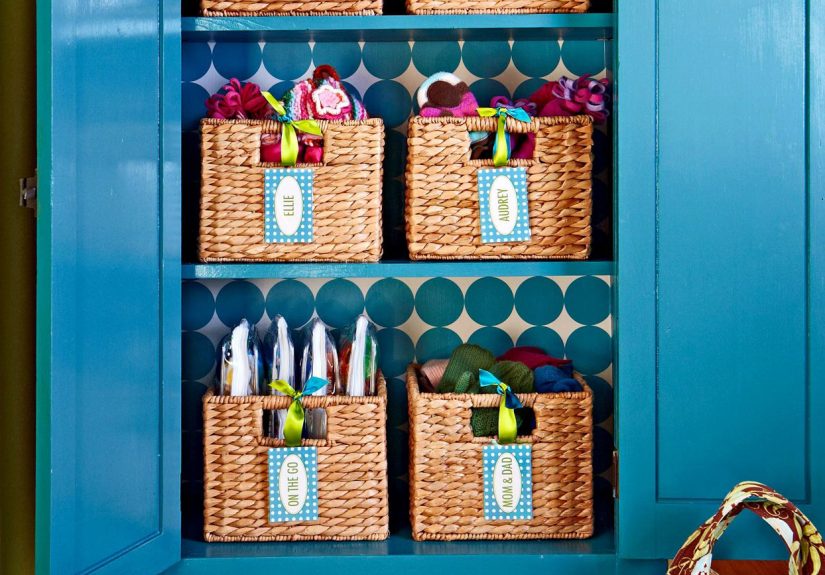
- Chalkboard labels: Great for changing categories (snack bins, freezer bins, rotating toys).
- Slip-in label pockets: Perfect for fabric bins or baskets.
- Lamination + dry-erase: Works surprisingly well for pantry “back stock” or seasonal bins.
Room-by-Room Free Label Sets (Ready to Copy)
Below are practical label collections for each room. Copy the words into your template and print. If a label feels too specific or too broad,
tweak ityour system should match your habits, not someone else’s highlight reel.
1) Entryway & Drop Zone Labels
- KEYS
- TO OPEN / TO FILE
- SHOES
- HATS & GLOVES
- UMBRELLAS
- DOG WALKING
- CHARGERS
- OUT THE DOOR
- RETURN TO STORE
Pro tip: Add one “catchall” label on purpose (e.g., “ODDS & ENDS”) so real life has a safe landing pad.
2) Kitchen Drawer & Cabinet Labels
- MEASURING
- UTENSILS
- COOKING TOOLS
- FOOD STORAGE LIDS
- FOOD STORAGE CONTAINERS
- WRAPS (FOIL / PLASTIC / PARCHMENT)
- SPICES
- TEA
- COFFEE
- SNACKS
- LUNCH
- BREAKFAST
- BAKING
- BACK STOCK
Specific example: If your family grabs snacks constantly, label two bins:
“SNACKS (GRAB & GO)” and “SNACK BACK STOCK.” That alone can stop the “where did the granola bars go?” mystery.
3) Pantry Labels (The “Where Did This Expire?” Solution)
- GRAINS
- PASTA
- RICE
- CANNED GOODS
- SAUCES
- OILS & VINEGAR
- BAKING
- SNACKS
- CHIPS
- CRACKERS
- BREAKFAST
- NUTS & SEEDS
- SPICES & SEASONINGS
- DRINKS
- BACK STOCK
Pantry power move: Add a small “USE FIRST” label for open bags and near-expiration items. It’s like a gentle nudge that saves money.
4) Fridge & Freezer Labels
- LEFTOVERS
- LUNCHES
- BREAKFAST
- SNACKS
- DRINKS
- PRODUCE
- CONDIMENTS
- CHEESE
- DELI / READY TO EAT
- FREEZER: VEGGIES
- FREEZER: PROTEIN
- FREEZER: QUICK MEALS
- FREEZER: TREATS
If you want to be extra helpful, add a tiny line on freezer labels like “date frozen:” (even handwritten). Your future self will thank you.
5) Bathroom Labels
- FIRST AID
- SKINCARE
- HAIRCARE
- ORAL CARE
- FEMININE CARE
- TRAVEL
- SUNCARE
- EXTRA TOILETRIES
- COTTON / Q-TIPS
- CLEANING
Bathroom labeling tip: Use fewer categories than you think. Too many tiny labels turns one easy drawer into a complicated filing cabinet.
6) Linen Closet Labels
- BATH TOWELS
- HAND TOWELS
- WASHCLOTHS
- BED SHEETS
- PILLOWCASES
- BLANKETS
- GUEST
- EXTRA PAPER GOODS
- SEASONAL
Consider adding room-based labels if your household has multiple beds: “PRIMARY,” “KIDS,” “GUEST.” That prevents the Great Sheet Shuffle.
7) Laundry Room Labels
- LAUNDRY PODS / DETERGENT
- STAIN REMOVER
- DRYER SHEETS
- FABRIC CARE
- CLEANING RAGS
- LOST SOCKS
- SEWING KIT
- IRONING
- DONATE
Simple system that sticks: Label three bins: “TO WASH,” “TO PUT AWAY,” and “DONATE.” If you only do one thing from this article, do that.
8) Kids’ Room & Playroom Labels
- LEGOS
- BUILDING TOYS
- DOLLS
- STUFFED ANIMALS
- ART SUPPLIES
- BOOKS
- GAMES
- PUZZLES
- DRESS UP
- CARS & TRAINS
Kid-friendly upgrade: Add a simple icon next to the word (a tiny block for LEGOS, a paintbrush for ART). It helps pre-readers help.
9) Home Office Labels
- INBOX
- TO PAY
- TO FILE
- IMPORTANT
- WARRANTIES
- MANUALS
- SHREDDING
- OFFICE SUPPLIES
- TECH / CABLES
- STAMPS
If paper piles are your nemesis, labeling just two trays“INBOX” and “ACTION”can change everything. (Yes, it’s allowed to be that simple.)
10) Closet & Seasonal Storage Labels
- WINTER
- SUMMER
- COATS
- SHOES
- ACCESSORIES
- SWIM
- SPORTS GEAR
- HOLIDAY
- GIFT WRAP
- MEMORIES
Best practice: For under-bed or top-shelf bins, label two sides (front + top). Stacked bins love hiding their identities.
11) Garage, Basement & Utility Labels
- TOOLS
- PAINT
- HARDWARE
- AUTO
- GARDEN
- SPORTS
- CAMPING
- HOLIDAY DECOR
- EXTENSION CORDS
- LIGHT BULBS
In garages, bigger is better: larger label sizes, bold fonts, and fewer categories. You’re not decoratingyou’re identifying bins in a cave of mystery.
Printing Tips That Prevent Smudges, Peeling, and Regret
Choose a label size you’ll keep using
Standardize when you can. If most of your bins use the same label size, replacements are painless. Great “default” sizes:
2" x 3" for bins, 1" x 3" for jars and drawers, and 2" round for canisters.
Use the right paper for the job
- Sticker paper: Fastest and cleanest for most rooms.
- Cardstock + tape: Cheap, sturdy, and surprisingly durable if taped well.
- Waterproof sticker paper: Worth it for kitchens and bathrooms.
Make labels last longer
- Lamination sheets (or clear packing tape over the front) = instant durability.
- Clean surfaces first: Wipe plastic and glass with a little rubbing alcohol so labels stick.
- Let ink dry: Especially for inkjet prints. Give it a few minutes before handling.
Common Labeling Mistakes (And How to Avoid Them)
- Over-labeling: Too many tiny categories can make systems harder, not easier. Start broad; refine later.
- Labeling before decluttering: Don’t give a permanent label to stuff you’re about to donate.
- Ignoring “how you use the space”: Put items where you reach for them, then label that spot.
- Making labels too cute to read: Your pantry doesn’t need cursive. Your pantry needs clarity.
A Simple Weekend Plan: Label Your Home Without Burning Out
- Pick two zones: One high-stress area (pantry, entryway) and one quick win (bathroom drawer).
- Sort first: Group like with like before you decide label names.
- Create label names: Use the lists above and adjust for your household.
- Print and apply: Keep placement consistent.
- Test for a week: If categories feel off, rename them. Labels are allowed to evolve.
Conclusion: Labels That Make Your Home Feel Easier
Free downloadable storage labels aren’t just a pretty organizing accessorythey’re a practical way to reduce daily friction in every room of your home.
When labels match your routines, your home becomes easier to maintain, not just easier to photograph. Start with the spots that cause the most chaos,
use the ready-to-copy label sets here, and keep your categories simple enough that your future self can maintain them on a messy Tuesday.
Extra: Real-World Experiences & Lessons from Labeling Every Room (Approx. )
People who try whole-home labeling for the first time often expect the biggest payoff to be “finding things faster.” That’s part of itbut the more
surprising experience is how labeling changes behavior in small, sneaky ways.
One common pattern: the first labels feel obvious (“TOWELS,” “SNACKS,” “BATTERIES”), and then the home quietly starts cooperating. Not perfectly.
Not magically. But noticeably. When a bin says “LUNCH,” it becomes harder to toss crackers in the baking area “for now.” The label acts like a speed bump
for clutter. It’s not scolding anyone; it’s just making the correct choice easier than the random choice.
Another experience people report is the “category reality check.” The moment you write a label, you’re forced to define what belongs there.
That’s when you realize your “Cables” bin is actually a wild ecosystem containing old phones, mystery adapters, and a single headphone earbud that’s been
emotionally abandoned since 2017. Labeling exposes messy categories, which is usefulbecause it tells you what to simplify. Many households end up splitting
one chaotic bin into two calmer ones, like “CABLES (CURRENT)” and “TECH BACKUP.” It’s not fancy; it’s functional.
Kitchens and pantries tend to deliver the fastest emotional payoff. Labeling “BACK STOCK” (and actually sticking to it) can reduce the accidental duplicate
buying that happens when you can’t see what you already have. People also find that a small “USE FIRST” bin is a gentle food-waste bouncer: items that are
open, near expiration, or just waiting to be forgotten get a VIP spot where they’re seen daily.
In kids’ spaces, the experience is different: labels become a game mechanic. When toy bins have clear names (and even simple icons), clean-up becomes less
of a negotiation and more of a matching exercise. The bins don’t have to be perfectmost families do better with fewer categories. “BUILDING,” “ART,” and
“DRESS UP” usually work better than ten micro-bins that require librarian-level accuracy.
The most relatable experience, though, is the mid-project wobble. Nearly everyone hits a moment where they’re surrounded by half-labeled bins thinking,
“Why did I start this?” The solution is to label for progress, not perfection. Print a small batch, label one shelf, and stop. Live with it for a week.
Then adjust. The “best” label system is the one your household can maintain when life is busybecause a beautiful system that collapses in two weeks is
basically just expensive home décor.
Finally, people often discover that labels create a quiet sense of calm. Not because everything is spotless, but because the home feels legible.
You know where things go. Other people know where things go. And that’s the real win: fewer tiny daily frictions, more time for the stuff you actually
want to do in your home.