Table of Contents >> Show >> Hide
- What Is the Kitchen Couture Trend, Exactly?
- Why This Trend Landed at Exactly the Right Time
- What Groceries Actually Work as Decor?
- How to Do Kitchen Couture Without Making Your Kitchen Look Like a Mini Mart
- Where the Trend Works Best
- Where Kitchen Couture Can Go Wrong
- Why the Trend Resonates Beyond Looks
- The Real-Life Experience of Kitchen Couture
- Final Thoughts
For years, the dream kitchen looked like it had never met a cereal box. Countertops stayed nearly empty, pantry doors closed tight, and anything with a barcode was treated like an embarrassing relative who should remain offstage. But the pendulum has swung, and it has swung with a chic bottle of olive oil in one hand and a very photogenic tin of sardines in the other.
Welcome to Kitchen Couture, the trend that says your groceries do not have to disappear the second you walk in the door. In fact, if the packaging is beautiful, the product is useful, and the display is intentional, those pantry staples can help define the entire look of your kitchen. Suddenly, the countertop is not just a workspace. It is a tiny curated gallery where vinegar, pasta, beans, and flaky salt are auditioning for best supporting decor.
And honestly? It makes sense. Kitchens have become more personal, less rigidly minimal, and more expressive. People want rooms that feel lived in, warm, and unmistakably theirs. Kitchen Couture fits that mood perfectly. It turns everyday food into part function, part style statement, and part proof that the best decor sometimes comes from aisle seven.
What Is the Kitchen Couture Trend, Exactly?
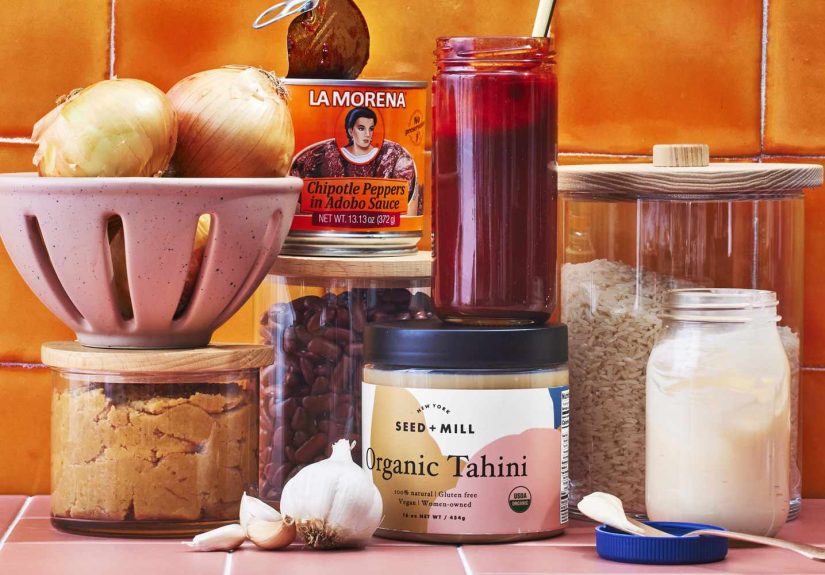
Kitchen Couture is the idea that certain groceries and pantry staples are attractive enough to leave out in the open as part of your kitchen design. Think sculptural olive oil bottles, vintage-looking pasta boxes, color-splashed tins, artful vinegars, jam jars, pretty salts, fancy canned tomatoes, and labels so nice you almost feel rude shoving them behind a cabinet door.
The trend taps into a bigger design shift: people are no longer aiming for kitchens that look sterile, anonymous, or staged within an inch of their lives. They want personality. They want convenience. They want spaces that feel joyful. In that world, a countertop tray styled with everyday ingredients does not read as clutter. It reads as character.
Kitchen Couture also reflects how shopping habits have changed. People increasingly buy products that feel special, even when they are practical. A bottle of chili crisp can now look like boutique packaging. Beans can come in bags worthy of a frame shop. Sparkling water cans sometimes have better color palettes than entire apartment buildings. When packaging becomes part of the appeal, it is only natural that consumers start treating it like decor.
Why This Trend Landed at Exactly the Right Time
Kitchen Couture did not appear out of thin air. It arrived at the perfect intersection of several design and lifestyle currents that have been building for years.
1. Dopamine decor made joy fashionable again
One reason this trend feels so fresh is that it borrows energy from the broader rise of dopamine decorthe idea that your home should make you happy, not just impress strangers or resemble a real estate listing. Bright colors, quirky objects, playful styling, and deeply personal choices have all become more accepted. Kitchen Couture applies that thinking to the most hardworking room in the house.
Instead of asking, “Should groceries be visible?” the trend asks a much better question: “Do these groceries make the room feel more alive?” If the answer is yes, the old rules start to look a little dusty.
2. Kitchens are more public than ever
Modern kitchens are not tucked away behind swinging doors anymore. They are open to living rooms, visible during video calls, and constantly featured in social posts, recipe videos, and home tours. That means everyday kitchen items are no longer hidden by default. If they are going to be seen, people would rather they look good.
This has nudged brands and homeowners in the same direction. Brands design more eye-catching packaging. Homeowners become more comfortable displaying it. The result is a feedback loop where groceries turn into visual ingredients, too.
3. The pantry became a showpiece
For a long time, the pantry was treated like a utility closet with snacks. Not anymore. Styled pantries, walk-in pantries, sculleries, and open shelving have all helped recast food storage as a design opportunity. Once the pantry became a place worth styling, it was only a matter of time before the styling spilled into the kitchen itself.
Kitchen Couture is basically the next logical step. First we organized the pantry. Then we color-coded the pasta. Now we are putting the good olive oil where everyone can admire it.
What Groceries Actually Work as Decor?
Not every item deserves front-row placement. Nobody is building a stunning still life around a family-size box of instant mashed potatoes unless irony is the whole vibe. The secret to Kitchen Couture is choosing products that are both useful and visually appealing.
The all-stars of kitchen styling
Some categories show up again and again because they naturally lend themselves to display:
Olive oils and vinegars: These often come in bottles that feel closer to tabletop accessories than grocery packaging. A beautiful oil bottle next to the stove is functional and stylish.
Tinned fish and canned goods: This is where the trend gets fun. Sardines, anchovies, tuna, tomatoes, and beans can come in bold, graphic packaging that looks great stacked on an open shelf.
Salt, pepper, and spice blends: Anything you reach for often earns bonus points. Attractive jars and grinders can live happily on the counter.
Pasta, rice, grains, and baking staples: These are prime candidates for decanting into glass canisters if the original packaging is not exactly giving “design icon.”
Jam, honey, tea, coffee, and chocolate: These products often sit at the sweet spot between everyday use and gift-shop glamour.
Fresh produce with visual appeal: Lemons, garlic, onions, and avocados can absolutely earn decorative status when stored properly in bowls or baskets.
The common thread is simple: if you use it regularly, like looking at it, and can keep it tidy, it probably qualifies.
How to Do Kitchen Couture Without Making Your Kitchen Look Like a Mini Mart
This is where many people get into trouble. Kitchen Couture sounds charming in theory, but without restraint, it can quickly become “I forgot to put away the groceries and now I am calling it a trend.” There is a difference.
Start with editing, not displaying
Do not put everything out. That is not styling; that is unpacking. Choose a small selection of items you use constantly and that genuinely look good together. One gorgeous bottle of olive oil and a tray of salts say “considered.” Eleven random condiment bottles say “fridge crisis.”
Group items so they look intentional
Use trays, risers, shallow baskets, crocks, or small shelves to create visual order. Grouping instantly makes a display feel deliberate. A cluster of vinegars, oils, and seasonings near the stove creates a functional cooking zone. A basket of garlic, onions, and citrus can make a counter corner feel warm and abundant instead of cluttered.
Hide the backups
This rule deserves a standing ovation. Display the pretty bottle. Hide the refill. Keep the shelf-worthy tin out front. Stash the six extras in the pantry. Kitchen Couture is not about broadcasting your bulk-buy habits like a warehouse membership badge of honor.
Mix packaging with proper containers
Some groceries are beautiful as-is. Others need a glow-up. Decant flour, oats, sugar, beans, lentils, pasta, and cereal into glass jars or canisters if the original packaging is noisy, oversized, or flimsy. This gives you the visual pleasure of display without the chaos of mismatched boxes leaning at odd angles like they are waiting for a bus.
Think in color and texture
Good Kitchen Couture usually has a palette. Maybe it is earthy and Mediterranean: green oils, cream ceramics, tan baskets, red tomato tins. Maybe it is bright and playful: candy-colored cans, striped tea tins, and cheerful jams. Either way, styling works better when there is some visual harmony between labels, containers, and surrounding decor.
Where the Trend Works Best
Kitchen Couture is flexible, but it shines brightest in spaces that already support a bit of visual openness.
Open shelves
Open shelving is the most obvious home for this trend, though it comes with maintenance. A shelf that mixes dishes, cookbooks, and a few beautiful pantry staples can feel collected and inviting. The key is restraint. Open shelves are not forgiving when they are overloaded.
Coffee and breakfast stations
This might be the easiest entry point. Coffee beans, tea tins, honey, sugar, syrups, mugs, and a small pastry jar can create a stylish morning zone that is practical enough to justify every square inch.
Walk-in pantries and sculleries
If you have a larger storage space, Kitchen Couture can flourish there with even less pressure. Open shelving, labeled zones, glass jars, and visible everyday staples can make the pantry feel like a boutique grocer instead of a dark snack cave.
Small kitchens
Yes, even small kitchens can play. In fact, the trend can help a compact kitchen feel more personal and efficient. The trick is scale. A single bowl of produce, a compact oil-and-seasoning setup, and a couple of handsome canisters may be all you need.
Where Kitchen Couture Can Go Wrong
Let us now speak on behalf of reality, because reality has strong opinions.
Dust and grease are real. Anything near the stove or on open shelves will need regular wiping. Pretty packaging loses its charm quickly when it develops a light film of kitchen life.
Sunlight matters. Oils, spices, and some dry goods degrade faster in heat and light. A display should still respect storage basics.
Perishables are not props. Produce can be lovely on the counter, but only if it belongs there. Potatoes, onions, bananas, and garlic each have different storage needs. A decorative arrangement should never shorten the life of your food just for the sake of a nice photo.
Visual clutter arrives fast. Many designers love the personality of open display but warn that the line between charming and chaotic is thin. If everything is visible, everything has to earn its spot.
Not every household wants the same thing. If your kitchen is command central for kids, lunchboxes, sports bottles, and three people looking for crackers at once, a heavily styled setup may be more stressful than inspiring. Trends should serve your life, not make you feel like you need permission to open a bag of pretzels.
Why the Trend Resonates Beyond Looks
The most interesting thing about Kitchen Couture is that it is not really just about aesthetics. It is about changing the way we think about everyday life at home.
For one thing, it makes kitchens feel more inhabited. A room with visible ingredients, fresh produce, and useful tools reads as active and welcoming. It suggests cooking, gathering, snacking, improvising, and generally being alive in your own house.
It can also make cooking easier. When frequently used items are visible and accessible, they are more likely to be used. That practical side is part of the trend’s appeal. A stylish bottle of vinegar by the stove is not just decor. It is a nudge toward actually making the salad dressing.
There is also a subtle emotional pull here. Many people are tired of homes that look too polished to be comfortable. Kitchen Couture softens that perfection. It says your home can be organized and beautiful without pretending food does not exist. That is refreshing. Kitchens are for living, and living tends to involve groceries.
The Real-Life Experience of Kitchen Couture
Living with Kitchen Couture feels different from just looking at it in photos. In real life, the trend has a kind of low-stakes pleasure that is hard to overstate. You come home from the store, set down a paper bag, and instead of rushing to hide every last item, you notice that some things actually make the room look better. A striped pasta box here, a glossy bottle of olive oil there, a bowl of citrus catching the light on the counterit all gives the kitchen a sense of motion and personality. It feels less like storage and more like a lived-in scene.
There is also something satisfying about the ritual of editing what stays visible. You start paying attention to what you use every day. The good salt gets a permanent place by the stove. The favorite jam stays out on a small tray with honey and tea because breakfast happens in that exact corner every morning. Suddenly, the kitchen starts to reflect your real habits instead of some imaginary version of domestic perfection where nobody owns snacks.
Guests notice it, too. A kitchen styled this way tends to feel warmer and more conversational. People comment on the tins, ask where the olive oil came from, pick up the fancy vinegar bottle, or laugh because your pasta selection looks like it belongs in a tiny Italian design museum. It breaks the stiffness that some modern kitchens can have. Instead of feeling like a showroom, the room feels generous, curious, and ready for use.
Of course, the experience is not all romance and photogenic legumes. There is upkeep. If you leave things out, you have to reset them. A beautiful display of oils and salts can drift into countertop chaos after a few busy dinners. Crumbs appear. Labels turn crooked. A bag clip somehow materializes in the middle like an uninvited party guest. Kitchen Couture works best when you accept that maintenance is part of the deal. Five minutes of tidying can preserve the magic; five days of ignoring it can make the whole thing look like you lost a cabinet war.
It is also a surprisingly personal trend. One household might lean rustic, with woven baskets, mason jars, and farmers-market produce. Another might go sleek and graphic, with sculptural bottles and color-blocked tins. A renter with one short stretch of counter can still participate with a small coffee station and two elegant canisters. A family with a large pantry might treat an entire wall of open shelving like a curated general store. The experience changes with the space, but the appeal stays the same: your kitchen starts to tell the truth about how you live.
That is probably why the trend sticks in people’s minds. It does not require a renovation. It does not demand new cabinets, dramatic tile, or a second mortgage disguised as “custom millwork.” It asks you to look at your groceries a little differently and to make room for beauty in the ordinary. There is something charming about that. In a world full of expensive design advice, Kitchen Couture offers a more playful lesson: sometimes the room already has what it needs. It is just sitting in a shopping bag waiting to be styled.
Final Thoughts
Kitchen Couture works because it is both practical and a little cheeky. It takes a category of items that used to be hidden and gives them a starring role, all while making the kitchen feel warmer, easier to use, and more expressive. At its best, the trend is not about turning groceries into props. It is about letting your daily life contribute to the beauty of your home.
The smartest version of the trend is edited, functional, and honest. Display what you love. Decant what needs help. Hide the backups. Wipe the shelves. Let the kitchen feel like a kitchen. If a stunning bottle of olive oil or a stack of jewel-toned tins makes your space happier, that is not clutter. That is decor with dinner plans.