Table of Contents >> Show >> Hide
- What exactly is a female (internal) condom?
- How effective are female condoms?
- Advantages of female condoms
- Potential downsides and limitations
- How to use a female condom: step-by-step
- Tips to get the most from female condoms
- Who might benefit most from female condoms?
- Female condom FAQs
- Real-life experiences and practical insights
- Final thoughts
If you’ve only ever seen condoms that go on a penis, you might be surprised to hear
there’s another option: the female condom, also known as the internal condom. It’s a
small, soft pouch that hangs out inside the body instead of outside on the
penis and it pulls double duty by helping prevent pregnancy and many sexually
transmitted infections (STIs).
In this guide, we’ll break down how effective female condoms are, what makes them
awesome, where they can be a bit tricky, and practical tips so you’re not standing in
the bedroom reading the instructions like you’re assembling flat-pack furniture.
What exactly is a female (internal) condom?
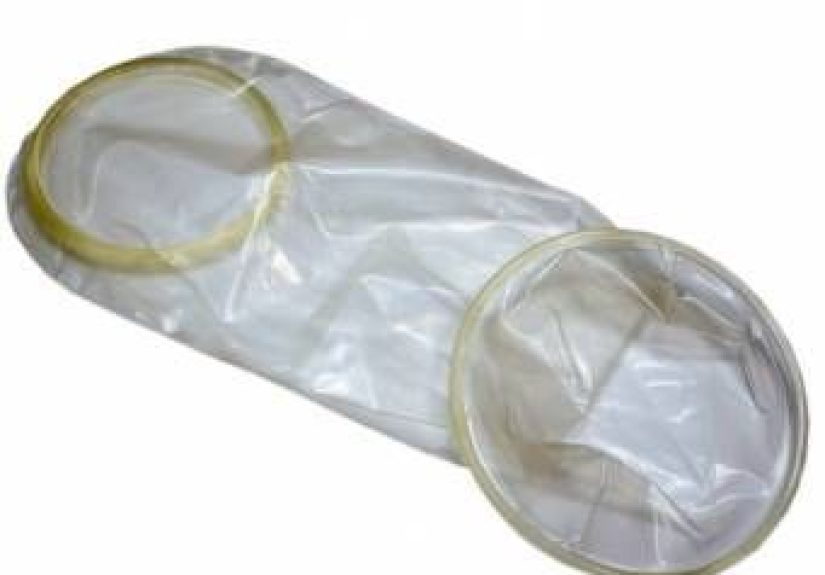
A female condom is a thin, flexible pouch that lines the inside of the vagina (or,
off-label, the anus) during sex. The most common product on the market in the United
States is called the FC2 internal condom. It’s made of nitrile, a soft
non-latex material that’s safe for people with latex allergies and strong enough to
act as a barrier to sperm and many sexually transmitted infections.
An internal condom has two rings:
-
An inner ring at the closed end of the pouch, which helps you
insert and keep it in place inside the vagina. -
An outer ring that stays outside the body and partially covers
the external genital area.
During sex, the penis goes inside the pouch, not between the pouch and the
vaginal wall. The internal condom catches semen, and the material acts as a barrier
between body fluids and mucous membranes.
How effective are female condoms?
Pregnancy prevention: the numbers
Internal condoms are quite effective especially when used correctly each time.
Health organizations and major clinics generally quote two numbers:
-
Perfect use: About 95% effective. That means that
over one year, about 5 out of 100 people using only internal condoms perfectly
would become pregnant. -
Typical use: About 79% effective, which translates
to roughly 21 pregnancies per 100 people per year with “real life” use (forgetting,
incorrect insertion, slippage, etc.).
For comparison, typical-use effectiveness of external (male) condoms is around
85%. So internal condoms are in a similar ballpark, especially when you factor in
practice and good technique.
Protection against STIs
Female condoms are designed as a barrier method, so they help reduce exposure to
semen, vaginal fluids, and blood during sex. Used consistently and correctly, they
can lower the risk of many STIs, including HIV, gonorrhea, and chlamydia. Research
suggests their protection is broadly comparable to that of male condoms when they’re
used properly.
Because the pouch covers more of the vulva area, female condoms may offer extra
coverage against infections spread by skin-to-skin contact in that region. However,
no condom can fully protect against infections that spread from areas not covered by
the barrier (for example, herpes or HPV on surrounding skin).
As with any condom, the key phrase is “correct and consistent use.” An internal
condom that’s not inserted correctly, slips inside the vagina, or tears won’t give
the protection it’s designed to provide.
What affects effectiveness?
Common reasons female condoms don’t work as well as they could include:
- Putting it in incorrectly or too late (after penetration has started).
- The penis going beside the condom rather than inside the pouch.
- Removing it roughly, causing leaks or spills.
- Reusing a condom (these are strictly one-time use).
- Using it at the same time as a male condom, which can cause friction and tearing.
The good news: most of these problems are fixable with practice, good lighting, and
a little patience.
Advantages of female condoms
So why choose a female condom when male condoms are easier to find and more widely
known? Here are some standout perks.
1. More control and autonomy
One of the biggest advantages is control. The receptive partner can insert the
condom before sex starts, without needing the other person to put anything on their
body. This can be especially helpful if your partner resists condoms or tends to
“forget” them in the moment.
2. You can insert it ahead of time
Internal condoms can be inserted up to about 8 hours before sex. That
means you can take care of the logistics well before the mood strikes. Instead of
stopping everything to open a wrapper at a critical moment, you can focus on
connecting with your partner.
3. Latex-free and hormone-free
Many internal condoms (including FC2) are made from nitrile, not latex. That’s a big
plus for people with latex allergies or sensitivities. They’re also hormone-free, so
they won’t affect your cycle, mood, or libido the way some hormonal methods can.
4. Compatible with different lubricants
Because nitrile is not latex, internal condoms are usually safe to use with both
water-based and oil-based lubricants (always double-check the product packaging).
Extra lube can make insertion easier and reduce friction, which improves comfort and
may reduce the risk of tearing.
5. Extra coverage of the vulva
The outer ring of the condom stays outside the body and covers part of the vulva.
This extra coverage can provide added protection against some infections and may
feel pleasurable for some people as it can stimulate the clitoral and penile area
during vaginal intercourse.
6. A good backup with other birth control
Internal condoms work well alongside other birth control methods (like the pill,
patch, IUD, or implant). That kind of “double protection” can reduce your pregnancy
risk and offer STI protection that hormonal methods don’t provide on their own.
Potential downsides and limitations
As with any method, female condoms aren’t perfect. Here are some common drawbacks
people mention:
-
Availability and cost: They can be harder to find than male
condoms and may cost more per piece. Some clinics and health programs provide them
for free or at a reduced cost. -
Learning curve: The first few insertions can feel awkward. It may
take a bit of practice to get the angle and placement right. -
Appearance: Some people don’t love the look of the outer ring
hanging outside the body. Others actually like the “I’m clearly protected” vibe. -
Noise or sensation changes: Occasionally, users report rustling
sounds or a different sensation compared with no condom or a male condom. Extra
lubricant and proper insertion usually help. -
Typical-use effectiveness: Because of that learning curve, typical
use is less effective than perfect use. If pregnancy prevention is absolutely
crucial, many people pair internal condoms with another method.
How to use a female condom: step-by-step
The first time you see a female condom, it can look a bit mysterious. Here’s a
beginner-friendly walkthrough:
Before sex
-
Check the package. Make sure it’s sealed, not expired, and not
damaged. Gently squeeze the pouch through the wrapper to feel for air a flat,
sticky, or brittle condom may be damaged. -
Open carefully. Tear along the edge; don’t use scissors, teeth,
or sharp nails. -
Find the inner and outer rings. The smaller ring is at the closed
end of the pouch; the larger ring is at the open end. -
Get into a comfortable position. Squat, lie on your back with
knees bent, or stand with one leg elevated whatever works for tampons usually
works here, too. -
Pinch the inner ring. Squeeze the inner ring into a long oval
shape with your thumb and forefinger. -
Insert the inner ring into the vagina. Using your other hand to
spread the labia, gently push the compressed inner ring as far up into the vagina
as it will go. The pouch should unfold inside and rest against the vaginal walls,
with the inner ring near (but not beyond) the cervix. -
Check the outer ring. The larger ring should remain outside the
body, covering the vaginal opening and lying flat against the vulva.
During sex
-
Guide the penis into the center of the condom, not between the
condom and the vaginal wall. -
If you’re using hands or toys, make sure they go inside the pouch as well, or use
additional barriers. -
If the condom twists, slips inside, or the penis enters beside the pouch, stop and
fix the placement. If semen might have leaked into the vagina, consider emergency
contraception if you’re concerned about pregnancy risk.
After sex
-
Remove before standing up. Before you or your partner get up,
twist the outer ring to seal the opening and gently pull it out. -
Dispose safely. Throw it in the trash not the toilet. Female
condoms are not reusable. -
Do not use with a male condom. Combining them increases friction
and the chance of tearing, which defeats the purpose.
Tips to get the most from female condoms
-
Practice when you’re not under pressure. Try inserting one by
yourself the first time so you can figure out the angle without an impatient
audience. -
Use plenty of lube. Add extra lubricant inside the pouch and/or
on the partner’s penis if the instructions allow it. More comfort usually means
better cooperation and less chance of tearing. -
Talk with your partner. Explain how it works and why you’re using
it. Framing it as “this protects both of us and can actually feel good” tends to
go over better than “I don’t trust you.” -
Combine methods if pregnancy prevention is crucial. Pairing
internal condoms with a hormonal method or an IUD can give you very strong
contraceptive protection plus STI protection. -
Store them correctly. Keep them in a cool, dry place away from
sharp objects. A purse or bedside drawer is usually fine; a hot car or back pocket
for months is not ideal. -
Know when to get backup. If a condom tears, slips, or you’re
worried about a possible exposure, talk with a healthcare professional about
emergency contraception or STI testing.
Who might benefit most from female condoms?
Internal condoms can be a great fit if you:
- Have a latex allergy or sensitivity and want a non-latex barrier.
- Want a user-controlled method you can insert before sex.
- Need protection against both pregnancy and STIs.
-
Have sex less frequently and prefer an as-needed method rather than a daily pill
or long-acting device. -
Are using another method (like an IUD or implant) but want extra STI
protection.
Female condom FAQs
Can I reuse a female condom?
No. Female condoms are designed for one-time use only. Reusing one
increases the risk of tears, leaks, and infection. Always use a new condom for each
act of vaginal or anal sex.
Can female condoms be used for anal sex?
Some people do use internal condoms for anal sex, though guidance can vary by
country and product. If used this way, the inner ring is usually removed and the
pouch is inserted into the anus, with the outer ring staying outside. Because this
is often considered off-label use, it’s wise to check the product’s instructions and
talk with a knowledgeable clinician or sexual health clinic for personalized advice.
What do they feel like?
Experiences vary. Some people say female condoms feel more natural because the penis
can move more freely inside the pouch. Others notice the outer ring more or feel a
bit more friction. As with many things in the bedroom, lube, communication, and
practice can make a big difference.
Where can I get female condoms?
Depending on where you live, you might find them in pharmacies, online retailers,
community clinics, or health department programs. Many sexual health and family
planning clinics provide them at low or no cost. If you’re not seeing them on the
shelf, asking a pharmacist or clinic staff is often the fastest way to track them
down.
Real-life experiences and practical insights
Statistics and diagrams are great, but real-world use is where female condoms truly
prove themselves. While everyone’s experience is unique, a few common themes show up
when people talk about using internal condoms in everyday life.
Many people describe the first couple of tries as the most
challenging. If you’re used to male condoms, the idea of inserting a pouch with two
rings can feel like learning a new party trick. Some users find it helpful to try a
“dry run” on a quiet afternoon: insert the condom, walk around a bit, and then
remove it, purely for practice. That way, when it’s actually time for sex, you’re
not reading instructions with one hand and holding a confused partner’s gaze with
the other.
People who really end up liking female condoms often mention the
mental freedom that comes from being able to insert them ahead of
time. For example, someone who knows they might be drinking later in the evening may
prefer to insert the condom before going out, so they’re not relying on tipsy
decision-making. Others love not having to interrupt the mood to fumble with a
wrapper right at the moment things are getting interesting.
Those with latex allergies frequently describe internal condoms as
a game-changer. Instead of avoiding condoms altogether or risking an allergic
reaction, they have a barrier method that doesn’t cause itching, burning, or
swelling. They also appreciate that internal condoms are hormone-free, so they don’t
have to worry about the side effects some people experience with pills, rings, or
injections.
In some relationships, female condoms become part of a broader conversation about
shared responsibility. Rather than one person always being in
charge of bringing and wearing condoms, the receptive partner can say, “I’ve got
this,” and handle the method themselves. This can feel empowering and can also help
in relationships where there’s a power imbalance around condom use. Internal condoms
give the person with the vagina a way to protect themselves even if their partner is
less enthusiastic about external condoms.
However, it’s also common for couples to need some negotiation and humor at first.
The outer ring can look unfamiliar, and some people initially find it “weird” or
“not sexy.” Couples who adjust well often handle this by making it part of the fun:
letting the partner watch or help with insertion, experimenting with different
positions, or treating the outer ring as a visual reminder that both people are
taking care of each other’s health.
Another recurring theme is the importance of lubrication and patience.
People who struggle most with female condoms are often the ones who rush or skip
lube. Those who slow down, use more lubrication, and check that the penis goes
inside the pouch tend to report fewer problems with slippage or discomfort. If
something doesn’t feel right, most users learn to pause, adjust, and then continue,
rather than pushing through.
Over time, many people find that female condoms become just another tool in their
sexual health toolkit not a magical fix for everything, but a flexible option that
can adapt to different partners and life stages. For some, they become the
go-to method. For others, they’re a backup choice, especially in situations where
they want both pregnancy and STI protection without relying on male condoms. The
key is to give them a fair trial: a few attempts, some honest conversations, and
enough patience to get past the learning curve.
Final thoughts
Female condoms are a powerful, underused tool for sexual health. They offer
pregnancy prevention, STI protection, freedom from latex and hormones, and more
control for the receptive partner. They do take some getting used to, and they’re
not available everywhere, but for many people they’re worth the effort.
If you’re curious, consider talking with a healthcare provider or a sexual health
clinic. They can help you figure out whether female condoms fit your health needs,
risk level, and lifestyle and how they might combine with other methods you’re
using. With a bit of practice and the right information, female condoms can become a
confident, comfortable part of your sex life.
SEO JSON