Table of Contents >> Show >> Hide
- Why Great Shows Go Bad: The Usual Suspects
- The “Hot Garbage” Hall of Fame: Shows Fans Loved… Until They Didn’t
- Heroes: When Lightning Strikes Once
- Dexter: From Prestige Thriller to “Wait… What?”
- Game of Thrones: A Masterclass That Rushed the Final Exam
- Westworld: When “Smart” Starts Feeling Like Homework
- The Walking Dead: The Art of Stretching One Story Into Eight
- Glee: When Chaos Stops Being Charming
- How I Met Your Mother: When the Ending Changes the Whole Rewatch
- House of Cards: When the Engine Sputters
- Prison Break: A Perfect Title… and an Awkward Problem
- Weeds and True Blood: When “Wild” Turns Into “Why?”
- Riverdale: A Fever Dream You Either Quit or Accept
- How Fans Describe the Moment It All Went Wrong
- So… Should You Quit a Show or Hate-Watch It to the End?
- Shared Experiences From the Couch: The Fan Journey From Hope to “Nope” (Extra)
- Conclusion
There’s a special kind of heartbreak reserved for TV shows that start out like a five-star meal and end like a microwaved regret burrito.
You know the ones: the pilot is electric, the premise is fresh, the cast is clicking, and you’re already texting your friends,
“DROP EVERYTHING, THIS IS YOUR NEW OBSESSION.”
Then… something happens. The plot wobbles. Characters make choices that feel less “human” and more “writers’ room dartboard.”
A mystery turns into a mess. A tight story becomes a long, wandering hallway with no exits and a suspicious number of filler episodes.
Suddenly, you’re not watching because you’re thrilledyou’re watching because you’re stubborn. Or because you’ve already spent seven seasons
here and you’d like to at least get a receipt.
This is a tribute to that uniquely modern experience: fans sharing the shows that looked promising at first… but quickly turned into
“hot garbage.” Not “I didn’t personally vibe with it” garbage. We’re talking “How did we get here?” garbage. The kind that makes you
stare at the screen like you’re in a hostage negotiation with your own free time.
Why Great Shows Go Bad: The Usual Suspects
Before we name names (politely, but with passion), it helps to understand how a show can go from “must-watch” to “please-stop” in record time.
TV is hard. Long-running TV is harder. And serialized TVwhere everything must connect and build and pay offcan be downright cruel.
1) The Mystery Box That Ate the Show
A compelling hook can be a gift… or a curse. If a show stacks mysteries faster than it resolves them, viewers start feeling like they’re
taking a final exam for a class they never enrolled in. At first, it’s fun: theories! Clues! Easter eggs! But eventually the audience wants
emotional logic and satisfying answersnot a corkboard conspiracy that requires three podcasts and a minor in symbolism.
2) “Just One More Season” Syndrome
Some shows are built like a great road trip: clear destination, purposeful stops, strong ending. Others are built like a rideshare that keeps
circling the block because the driver insists the best shortcut is “trust me.” When a story that should end gets stretched, you’ll see it:
recycled conflicts, new villains who feel like leftovers, and plot twists that exist purely to keep the engine running.
3) Characters Stop Being People and Start Being Plot Devices
Viewers will forgive a lot if characters remain emotionally consistent. But when a smart character suddenly becomes clueless, or a kind character
becomes cruel for no reason, fans feel cheated. It’s not “growth.” It’s not “complexity.” It’s a marionette show where the strings are visible.
4) The Showrunner Shuffle (and the Creative Identity Crisis)
Behind the scenes, the voice of a show can change overnight. A new creative lead might push different themes, pacing, or tone.
If the transition isn’t smooth, the audience can feel the whiplash: what used to be grounded becomes cartoony, what used to be clever becomes loud,
what used to be character-driven becomes twist-driven.
5) Real-World Disruptions and Schedule Pressure
Sometimes a show’s decline isn’t just creativeit’s structural. Writer strikes, production delays, network mandates, cast exits, and budget changes
can force story pivots that weren’t planned. The result can feel like a car swerving to avoid potholes… and driving directly into a lake anyway.
The “Hot Garbage” Hall of Fame: Shows Fans Loved… Until They Didn’t
No two viewers have the exact same breaking point. Some people tap out when a favorite character leaves. Others hang on until the finale out of
pure loyalty. But certain shows show up again and again in fan conversations about “the great decline.” Here are some of the most common examples
and the patterns behind the disappointment.
Heroes: When Lightning Strikes Once
Heroes debuted with a thrilling conceptordinary people discovering extraordinary abilitiesand for a moment it felt like TV had found a new
superhero blueprint. Early on, the show balanced mystery, emotion, and momentum: you cared about the characters and the larger puzzle.
Then the wheels started to wobble. Fans often point to the post–Season 1 stretch as the moment the story lost its focus. The show’s scope expanded,
but clarity shrank. Instead of building toward satisfying payoffs, it felt like the plot kept rebooting itself, chasing the magic of the first run
without recreating what made it work: coherent arcs, meaningful stakes, and characters who weren’t constantly being rearranged like action figures.
Dexter: From Prestige Thriller to “Wait… What?”
Dexter is a classic case of a show that began with a strong identity: darkly funny, tense, morally slippery, and anchored by a compelling lead.
At its best, it made you wrestle with uncomfortable questions while still delivering sharp storytelling.
But as seasons rolled on, fans increasingly argued the show traded psychological precision for soapier escalation. By the end, many viewers weren’t
just disappointedthey were confused. The finale, in particular, became infamous because it felt less like an earned conclusion and more like a
bizarre shrug in narrative form. Some fans described finishing it the way you finish a mystery novel where the last page is missingexcept the last
page is there, and it’s just… odd.
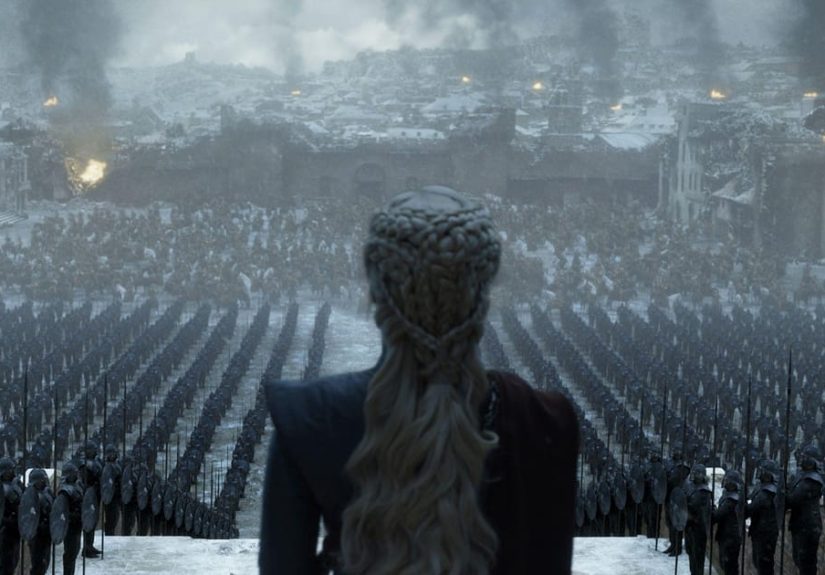
Game of Thrones: A Masterclass That Rushed the Final Exam
Game of Thrones didn’t start as a “guilty pleasure.” It started as a cultural event: rich politics, sharp dialogue, complicated characters,
and consequences that felt brutal but believable.
The backlash to the final season wasn’t simply “fans didn’t get what they wanted.” A big part of the frustration came from pacing and payoff:
arcs that had been built patiently over years suddenly seemed to sprint to the finish line. To many viewers, it felt like a show famous for careful
storytelling tried to wrap up its most delicate threads with a speed-run.
Westworld: When “Smart” Starts Feeling Like Homework
Westworld came out swinging with big ideas, gorgeous production, and a philosophical hook that made viewers lean in. It was ambitiousand
that ambition was part of the appeal.
But there’s a fine line between “intricate” and “exhausting.” As the story grew more layered, many fans felt the show leaned harder into complexity
at the expense of emotional clarity. When viewers spend more time trying to remember what timeline they’re in than caring about the character inside
that timeline, engagement drops. You can almost hear the audience whisper: “I respect this… but I miss when I actually felt something.”
The Walking Dead: The Art of Stretching One Story Into Eight
The Walking Dead had an incredibly strong early run: survival tension, character conflict, and a constant sense that the world was changing.
But long-running survival stories face a structural problem: if the apocalypse never evolves, the narrative can begin to loop.
Fans who drifted away often cite pacing: arcs that feel padded, conflicts that repeat with different faces, and cliffhangers that start to feel like
bargaining tactics instead of storytelling. When the emotional core is “we’re barely surviving,” the show needs meaningful transformation to keep it
from feeling like a treadmill.
Glee: When Chaos Stops Being Charming
Glee began as a pop-cultural lightning boltfunny, satirical, and unexpectedly heartfelt. It could switch from absurd to sincere and make it
work because it knew what it wanted to be: a messy, energetic show with a beating heart.
Over time, though, even fans who remained loyal admitted the storytelling could feel overloaded. When a show tries to juggle too many plotlines,
tones, and “big moments” at once, it risks losing the connective tissue that makes it coherent. At a certain point, the question becomes less
“What happens next?” and more “Wait, are we still pretending any of this makes sense?”
How I Met Your Mother: When the Ending Changes the Whole Rewatch
Sitcoms can survive a lotsilly episodes, uneven seasons, side characters that don’t land. But finales are different. The end doesn’t just conclude
the story; it reframes it.
How I Met Your Mother became one of the most debated sitcom endings because many viewers felt the conclusion undercut the emotional promise
the show spent years building. And once an ending becomes controversial, it changes the tone of a rewatch: jokes hit differently, romantic arcs feel
more fragile, and fans start watching with a little less trust.
House of Cards: When the Engine Sputters
House of Cards helped define early streaming-era prestige TV with its icy tone, power games, and slick style. But later seasons faced a
problem common to political thrillers: escalation. You can only raise the stakes so many times before the story starts to feel like it’s trying to
out-shock itself.
And when a show’s core dynamic changeswhether due to creative shifts or cast changesthe entire structure has to rebuild. Fans who loved the early
chess-match storytelling often felt the later years struggled to recreate that same momentum.
Prison Break: A Perfect Title… and an Awkward Problem
Prison Break is a textbook example of a show with a brilliant initial premise that becomes difficult to sustain. Once you’ve broken out,
what exactly are we doing here? The first season is a tightly wound thriller. The trouble begins when the show tries to extend the concept without
repeating itselfbecause repeating itself is exactly what it’s tempted to do.
Weeds and True Blood: When “Wild” Turns Into “Why?”
Some shows thrive on chaos. They’re messy on purpose. But “messy” still needs rules. With series like Weeds and True Blood, fans
often describe a tipping point where the escalation stopped feeling bold and started feeling randomlike the writers were daring you to keep up
rather than inviting you in.
Riverdale: A Fever Dream You Either Quit or Accept
Riverdale is fascinating because its “downfall” depends on what you expected. If you came for a grounded teen mystery, the later turns could
feel like a betrayal. If you came for maximalist chaos, you might call it a success. But it still belongs in these conversations because it’s a show
many fans describe as “starting normal” and then becoming something else entirelysomething that makes you laugh, gasp, and occasionally ask,
“Is this legally allowed on television?”
How Fans Describe the Moment It All Went Wrong
When fans talk about shows that went downhill fast, they rarely say “the writing got worse” in a vacuum. They describe feelingsbetrayal, confusion,
exhaustion, resignation. And their complaints tend to cluster around a few emotional truths:
- The show stopped rewarding attention. Details didn’t pay off, character growth got reversed, and nothing felt earned.
- The tone drifted. What began as sharp became silly; what began as fun became mean; what began as dark became empty.
- The pacing broke. Either nothing happened for weeks or everything happened in five minutes.
- The stakes became fake. Deaths didn’t stick, consequences evaporated, and cliffhangers felt like marketing tools.
- The show forgot why people loved it. It chased bigger twists instead of deeper characters.
So… Should You Quit a Show or Hate-Watch It to the End?
Here’s the truth: there’s no morally superior choice. Quitting is self-care. Finishing is closure. Hate-watching is a hobby.
Some people bail the moment they feel the decline. Others stick around because even a flawed show can still deliver a great episodeor because
the characters feel like old friends, and you don’t abandon friends just because they started making weird life choices.
If you’re on the fence, try this simple test: after an episode ends, are you excited to press “Next,” or are you bargaining with yourself like,
“Okay, but if the next one is also nonsense, I’m out”? If it’s the second one… congratulations. You’re in the hot garbage zone.
Shared Experiences From the Couch: The Fan Journey From Hope to “Nope” (Extra)
Fans don’t just complain about disappointing showsthey swap war stories. And if you’ve ever watched a series that went from promising to painful,
there’s a good chance you’ve lived at least a few of these experiences.
First comes the pilot high. You’re energized. You’re impressed. You’re telling people about it with the confidence of someone who
just discovered fire. You start using phrases like “the writing is so tight” and “the world-building is insane,” even if you’re not totally sure
what world-building isyou just know it feels expensive.
Then you hit the early warning episode. It’s not bad, exactly. It’s just… off. A character says something weird. A twist lands with
a thud. A scene seems to exist purely so the show can later reference it like a sticky note that says “IMPORTANT” but never explains why.
You shrug it off because you’re optimistic and your heart is pure.
Next is the group chat negotiation. Someone messages, “Are we still watching?” Another friend replies, “It’s slow, but I think it’s
building to something.” This is the phase where everyone becomes an amateur TV therapist, diagnosing the show’s issues like:
“I think it just needs to find its footing,” or “It’s probably setting up a huge payoff.” You are all lying to each other, lovingly.
After that comes the lore overload. Suddenly, the show introduces new factions, new rules, new flashbacks, a new secret organization,
and a new character who speaks exclusively in riddles. You realize you’ve spent more time pausing to ask, “Wait, who is that?” than actually watching.
Some fans respond by diving deeperreading recaps, watching explainers, scrolling theories. Others respond by gently backing away like the show is a
raccoon hissing near an open trash can.
Then arrives the turning point episodethe one fans bring up years later like a historical event. It might be a twist that breaks
character logic. It might be a death that feels cheap. It might be a reveal that contradicts earlier seasons. It might be a “romantic” decision
that makes you question whether love is real or just a screenwriting assignment.
This is when viewers start using phrases like “They did my boy dirty” or “The writers must hate us.”
Now you enter the bargain stage. You’re still watching, but you’re watching differently. You lower expectations. You stop defending
it publicly. You say, “I’m just gonna finish it,” the way someone says, “I’m just gonna eat this,” while staring at soggy fries.
Some fans develop coping strategies: watching at 1.5x speed, skipping subplots, or treating the show like a comedy even when it’s not.
Finally, you reach the post-finale support group. If the ending is good, you feel satisfied and maybe even nostalgic. But if the ending
is roughif it feels rushed, random, or emotionally hollowfans tend to do one of two things:
(1) they rewrite the ending in their heads and never speak of the official version again, or
(2) they talk about it endlessly, because complaining together is how communities heal.
And here’s the wild part: even when a show “turns to hot garbage,” fans often keep a soft spot for the early seasons. Because that promise was real.
The excitement was real. The feeling of discovering something specialbefore it fell apartstill matters. In a strange way, that’s why the disappointment
hits so hard. You’re not mourning a bad show. You’re mourning the great show it almost was.
Conclusion
TV history is full of shows that started strong and stumbledsome slowly, some spectacularly, some in ways that still spark debates a decade later.
But if there’s a silver lining, it’s this: fans remember what worked. They remember the season when a show was firing on all cylinders, when the writing
felt sharp, when characters felt alive, when each episode pulled you forward instead of pushing you away.
So if you’ve got a series that broke your heart, you’re not alone. Somewhere out there is another viewer who also stared at their screen and whispered,
“This show used to be so good.” And that, oddly enough, is its own kind of fandom: loving the promise, surviving the decline, and laughing about it later.