Table of Contents >> Show >> Hide
- What Is an Eye and Orbit Ultrasound?
- Why Would You Need an Eye and Orbit Ultrasound?
- How to Prepare for an Eye and Orbit Ultrasound
- What Happens During the Procedure?
- Benefits of Eye and Orbit Ultrasound
- What Are the Risks of Eye and Orbit Ultrasound?
- Limitations of Eye and Orbit Ultrasound
- Frequently Asked Questions
- Real-Life Experiences and Practical Tips
- The Bottom Line
Your eyes already do a lot for you: binge-watching your favorite shows, eye-rolling in meetings,
and spotting that one Lego on the floor before disaster strikes. So when something feels “off,”
doctors take it seriously. One of the simplest ways to peek inside the eye and the socket around
it (the orbit) is with an eye and orbit ultrasound.
This test uses high-frequency sound wavesnot radiationto create detailed images of your eyeball
and the structures behind it. It’s quick, usually painless, and surprisingly high-tech for
something that involves a little gel and a tiny probe.
In this guide, we’ll break down what eye and orbit ultrasound is, why it’s done, what happens
during the procedure, and what risks (if any) you should actually worry about.
What Is an Eye and Orbit Ultrasound?
An eye and orbit ultrasoundalso called ocular or orbital ultrasonographyis an imaging test that
uses sound waves to create pictures of the eye and the bony eye socket. Because the eye is a
fluid-filled structure sitting close to the surface, ultrasound is especially well-suited to
visualizing it in detail.
Unlike CT scans and X-rays, ultrasound does not use ionizing radiation. Instead,
a small handheld device called a transducer sends sound waves into the eye. These waves bounce
back (like an echo in a canyon), and a computer turns those echoes into images your eye doctor or
radiologist can interpret.
A-scan vs. B-scan: Two Main Types
-
A-scan (amplitude scan): This is a one-dimensional measurement used to calculate
the length of the eye (axial length). It’s especially important for planning cataract surgery and
choosing the correct power of an intraocular lens. -
B-scan (brightness scan): This creates a two-dimensional cross-sectional image of
the eye and orbit. It helps visualize structures like the retina, vitreous, optic nerve, and
tissues behind the eye.
Sometimes the test is done by an ophthalmologist (eye specialist) in the clinic. In other cases,
especially in ER settings or hospitals, a radiologist or trained sonographer performs the exam.
Why Would You Need an Eye and Orbit Ultrasound?
Doctors order eye and orbit ultrasounds for a variety of reasons. Think of it as a “backup camera”
for your eyeused when the standard view isn’t good enough or when more detail is needed.
1. When the Doctor Can’t See the Back of Your Eye
Dense cataracts, corneal scars, or blood in the middle of the eye (vitreous hemorrhage) can block
the doctor’s view of the retina. Ultrasound lets them “see through” those obstacles and check for
problems like:
- Retinal detachment
- Vitreous detachment
- Retinal tears
- Other hidden structural changes
2. Investigating Sudden Symptoms
Eye and orbit ultrasound can help evaluate:
- Sudden flashes, floaters, or a curtain-like shadow over your vision
- Eye pain or pressure
- Unexplained vision loss
- Swelling around the eye (proptosis or bulging)
In emergency rooms, ultrasound is often used to quickly check for retinal detachment, bleeding in
the eye, or other urgent issues when time matters.
3. Detecting Tumors, Masses, or Swelling
Eye and orbit ultrasound can help identify:
- Intraocular tumors (such as melanoma)
- Masses in the orbit (like benign or malignant tumors)
- Inflammation or infection around the eye
- Swelling of the optic nerve or extraocular muscles
These findings can guide further testing, treatment decisions, or referrals to specialists.
4. Planning Cataract or Refractive Surgery
The A-scan ultrasound is often used to measure the axial length of the eye. This information helps
surgeons choose the right lens implant for cataract surgery and is important in managing
conditions like high myopia (severe nearsightedness).
5. Evaluating Trauma
After eye injuries, ultrasound can help assess:
- Bleeding inside the eye
- Retinal detachment
- Foreign bodies
- Damage to the back of the eye or orbit
However, if there is strong suspicion that the eye itself is ruptured (an open globe), many
specialists avoid ultrasound or use it extremely cautiously, because pressure on the eye could
worsen the injury.
How to Prepare for an Eye and Orbit Ultrasound
The good news: this test usually requires little to no special prep.
- You can typically eat and drink normally beforehand.
- You may be asked to remove contact lenses.
- Eye makeup around the tested eye is often removed, especially if gel will be used on the lids.
- Bring a list of your eye symptoms and medications, including eye drops.
If you’re sensitive to eye drops or have had reactions in the past, let your doctor know before the
test so they can choose the safest anesthetic or approach for you.
What Happens During the Procedure?
The exact steps depend on whether you’re having an A-scan, a B-scan, or both. The whole process
usually takes around 10–20 minutes. Most patients describe it as mildly weird but not painful.
Step 1: Getting Comfortable
You’ll either sit in an exam chair or lie back on an exam table. The technician or doctor will
explain what they’re going to do and which eye (or eyes) will be examined.
Step 2: Numbing the Eye (For A-Scan or Direct Contact)
If the probe will touch the surface of your eye, you’ll get anesthetic eye drops first. These
drops work quickly and feel similar to artificial tears going in, though your eye will be numb for
several minutes.
Step 3: A-Scan – Measuring the Length of the Eye
During an A-scan:
- You’ll be asked to look straight ahead at a fixed target.
- A slim ultrasound probe gently touches the front of your eye.
- The device measures how sound waves travel through the eye, which tells the doctor your eye’s
length.
The measurements may be repeated several times to ensure accuracy, especially before surgery.
Step 4: B-Scan – Imaging the Eye and Orbit
For a B-scan:
- Your eyelids are typically closed.
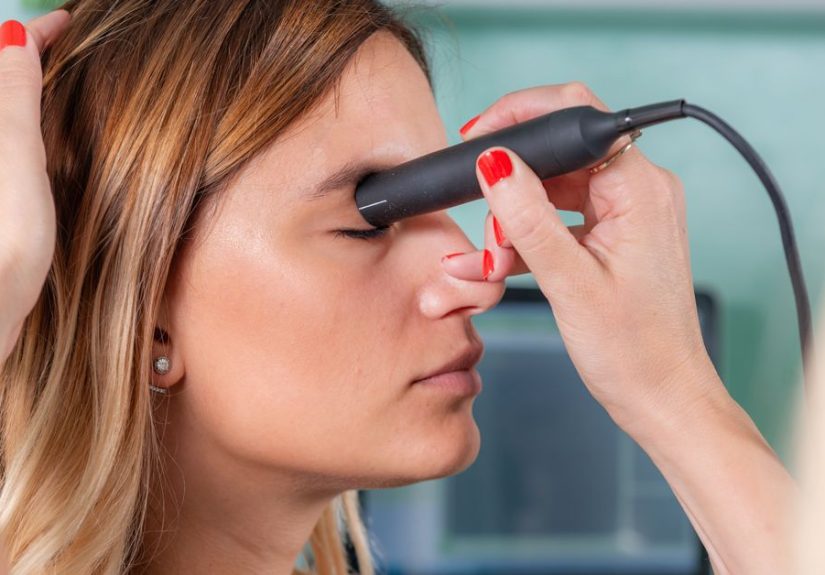
- A clear gel is placed on the eyelid to help conduct the sound waves.
- The probe glides gently over your eyelid while you look in different directions as instructed.
During the scan, you may feel light pressure but not pain. The provider captures images from
several angles to examine the retina, vitreous, optic nerve, and orbital tissues.
Step 5: Orbit Ultrasound
When the focus is on the orbit, the probe may be positioned to get the best view of:
- Eye muscles
- Optic nerve
- Orbital fat and soft tissues
- Any masses or abnormalities behind the eye
Again, this all happens from outside the eyeno needles, no incisions, and (fortunately) no
sci-fi lasers.
After the Test
Once the images are complete:
- The gel is wiped off.
- Your vision may be a bit blurry for a few minutes if anesthetic drops were used.
- You can usually resume normal activities right away.
A specialist interprets the ultrasound images and sends a report to your eye doctor. In many eye
clinics, the doctor may review the findings with you the same day.
Benefits of Eye and Orbit Ultrasound
Eye and orbit ultrasound has become a standard, trusted tool in ophthalmology and emergency
medicine. Some key advantages include:
- Noninvasive: No cuts, stitches, or injections into the eye.
- No radiation: Safe for repeated use and for all ages.
- Real-time imaging: Doctors can see structures moving as your eye moves.
- Works even when the view is blocked: Essential when cataracts, bleeding, or
cloudiness obscure the retina. - Portable and quick: Ultrasound machines can be used in exam rooms, clinics, and
ERs.
When combined with a full eye exam and other tests, ultrasound can significantly improve the
accuracy of diagnosis and guide appropriate treatment.
What Are the Risks of Eye and Orbit Ultrasound?
Compared with many other imaging tests, eye and orbit ultrasound has an excellent safety record.
Still, it’s reasonable to ask, “What’s the catch?”
Short-Term Discomfort
Most people tolerate the test very well. Possible, usually mild issues include:
- Temporary blurred vision after anesthetic drops
- Mild irritation from the drops or gel
- Brief light pressure on the eyelid during the scan
These effects normally fade within minutes. If anything feels truly painful, let the provider know
immediately so they can adjust the technique.
Allergic Reactions
True allergies to the gel or anesthetic drops are rare but can happen. Symptoms may include
redness, itching, or swelling around the eye. Tell your doctor about any past reactions to eye
products or gels so they can choose alternatives.
Special Caution in Severe Eye Injuries
If doctors suspect a globe rupture (the wall of the eye has been penetrated or torn), they are
extremely cautious. Applying pressure with a probe in such cases may worsen the injury. In those
situations, other imaging methodslike CT scanmay be preferred until the eye is stabilized.
No Known Long-Term Harm
Ultrasound uses sound waves, not radiation. When performed correctly by trained professionals,
there are no known long-term harmful effects on the eye from diagnostic ultrasonography.
Limitations of Eye and Orbit Ultrasound
As powerful as it is, ultrasound is not perfect. Some key limitations include:
- Operator dependence: Image quality and interpretation depend heavily on the
skill and experience of the person performing and reading the scan. - Limited by bone and air: Ultrasound doesn’t penetrate bone well and has
difficulty with air-filled spacesthough the eye’s fluid nature usually helps here. - Subtle findings: Very small or early lesions may be missed or may require
other imaging (like MRI or CT) for full evaluation. - Not a stand-alone test: It’s best used as part of a comprehensive eye exam,
not in isolation.
Frequently Asked Questions
Can eye ultrasound damage my vision?
When performed correctly by trained professionals, diagnostic eye ultrasound does not damage
vision. The sound waves are low-energy and designed for medical imaging, not destruction.
Does the test hurt?
Most people describe it as “weird but fine.” You may feel cool gel and gentle pressure on the
eyelid. Anesthetic drops prevent pain if the probe touches the surface of the eye.
Is eye ultrasound safe during pregnancy?
Yes. Ultrasound is widely used in pregnancy for fetal monitoring and is considered safe. An eye
and orbit ultrasound uses similar technology, just focused on your eye instead of your abdomen.
How long will it take to get results?
In many eye clinics, your ophthalmologist can review the images and discuss results with you the
same day. In hospitals or imaging centers, a radiologist reads the scan and sends a report to your
doctor, who then shares the findings.
Real-Life Experiences and Practical Tips
Reading about a procedure is one thing; lying there with gel on your eyelid is another. Here are
some “on-the-ground” experiences and insights that can help you feel more prepared.
“I Thought I Had a Migraine, Not a Retinal Problem”
Many people are surprised when visual changes they shrug off as “just a migraine” turn out to be
something serious. Imagine someone who suddenly notices a shower of floaters and flashes of light
in one eye. They wait a day or two, assuming it’ll go away, but then a dark curtain slowly creeps
across their vision.
At the eye clinic, the view of the retina is hazy because of bleeding in the eye. The doctor orders
a B-scan ultrasound, which clearly shows a retinal detachment. Thanks to that quick imaging, the
patient is rushed to a retinal specialist and gets surgery before vision loss becomes permanent.
“I Was More Nervous About the Drops Than the Ultrasound”
Another common scenario: someone who hates eye drops. They dread anything coming near their eye,
let alone a probe. Surprisingly, they often report that the worst part was just anticipating the
drops, not the test itself. Once the numbing kicks in, they can’t feel much at all.
Tip: If you’re squeamish, tell the staff ahead of time. They can talk you through each step, give
you breaks if needed, and keep the environment calm and reassuring.
“I Didn’t Realize My Thyroid Could Affect My Eyes”
People with thyroid eye disease sometimes notice their eyes bulging or feeling gritty and dry. In
these cases, an orbital ultrasound may help evaluate thickened eye muscles or tissues behind the
eye. That information contributes to a bigger picture that includes blood tests, eye exams, and
sometimes CT or MRI scans.
For many patients, seeing the ultrasound images helps validate what they’ve been feeling“No wonder
my eyes feel so full; those muscles really are enlarged.” Understanding the anatomy can make
treatment decisions feel more grounded and less mysterious.
“I Was in the ER and Didn’t Expect an Eye Test”
In emergency settings, point-of-care ocular ultrasound has become a valuable tool. Someone might
come in after a sports injury or car accident with swelling around the eye and poor vision. The
doctor may use a portable ultrasound machine right at the bedside to check for bleeding, retinal
detachment, or other injuries.
Most patients are surprised at how fast the test isoften just a couple of minutesand how much
information it provides. It can be the difference between a quick reassurance and a “we need to get
a specialist involved now” moment.
How to Make the Experience Easier
- Ask questions beforehand. Understanding the purpose and steps can dramatically
reduce anxiety. - Mention any past eye procedures. Laser treatments, surgeries, or injuries can
affect what the ultrasound shows. - Bring your glasses or contact lens prescription. It helps round out the picture
of your eye health. - Plan for a few extra minutes. The scan itself is quick, but checking in,
prepping, and reviewing results can take a bit longer. - Speak up during the test. If the pressure feels too strong or you’re
uncomfortable, the provider can adjust how they’re holding the probe.
Most people walk out of an eye and orbit ultrasound thinking, “That’s it?”which is exactly what
you want from a diagnostic test: maximum information, minimal drama.
The Bottom Line
Eye and orbit ultrasound is a safe, fast, and powerful way to look inside the eye and the space
around it. It’s especially helpful when the back of the eye can’t be seen clearly or when doctors
need more detail to diagnose problems like retinal detachment, tumors, swelling, or trauma.
The procedure is usually painless, carries very low risk, and doesn’t involve radiation. While it
has limitations and must be interpreted by experienced professionals, it’s a key part of modern
eye care.
If your doctor recommends an eye and orbit ultrasound, it’s not something to fear. Instead, think of
it as giving your care team a clearer map of what’s happening inside your eyeso they can protect
the vision you rely on every day.