Table of Contents >> Show >> Hide
Air plants, scientifically known as *Tillandsia*, are among the most unique and fascinating types of plants you can add to your home or garden. Unlike traditional plants that require soil, air plants absorb water and nutrients through their leaves, making them incredibly versatile and low-maintenance. Whether you’re a seasoned plant parent or just starting your green thumb journey, air plants can be a wonderful addition to any indoor space. In this article, we’ll dive into the essentials of air plantswhat they are, how to care for them, and why they’re so popular. Let’s get started!
What Are Air Plants?
Air plants belong to the Bromeliaceae family, which includes around 650 species. These plants are epiphytes, meaning they don’t need soil to grow. Instead, they gather moisture and nutrients from the air, thanks to their specialized leaves. Native to a variety of climates, including tropical and subtropical regions, air plants can thrive in diverse environmentsfrom rainforests to deserts. With their ability to grow without soil, air plants have become a favorite choice for those looking to bring a touch of nature into their homes with minimal upkeep.
The Anatomy of Air Plants
Air plants come in various shapes and sizes, but they share some key characteristics. Their leaves are usually long, narrow, and covered with tiny scales that help absorb moisture and nutrients from the air. The leaves also have a unique silvery or green hue, depending on the species. Some air plants even produce small flowers when they reach maturity. These flowers can be vibrant and colorful, adding even more charm to these already unique plants.
How to Care for Air Plants
One of the best things about air plants is that they’re relatively easy to care for. However, like all plants, they still require some attention. Here’s what you need to know:
Watering
Air plants need water, but they don’t thrive in constantly soggy conditions. The general rule is to soak your air plants in water for about 20-30 minutes once a week. If you live in a drier climate, you may need to soak them more often. Alternatively, you can mist them with water every few days if you’re concerned about over-watering.
It’s important to let air plants dry completely after watering to avoid rot. A good way to do this is by gently shaking off any excess water and placing the plant upside down on a towel for a few hours. This ensures that water doesn’t collect in the base of the plant, which can lead to rot.
Lighting
Air plants thrive in bright, indirect light. Avoid placing them in direct sunlight for long periods, as this can cause their leaves to burn. A spot near a window with filtered sunlight is ideal. If you’re growing air plants indoors, consider using grow lights during the darker months when natural light is scarce.
Air Circulation
As their name suggests, air plants need plenty of air circulation to stay healthy. If you keep your plants in a container or terrarium, be sure it has enough ventilation. This helps prevent moisture buildup and ensures the plant’s leaves can absorb the air’s nutrients effectively. A gentle breeze or placing your air plants near an open window can also be beneficial.
Feeding
While air plants get most of their nutrients from the air and water, it’s a good idea to feed them occasionally. You can use a diluted liquid fertilizer designed for air plants, applying it during the growing season (spring and summer) about once a month. Be sure not to over-fertilize, as this can cause the plant to become stressed or damaged.
Grooming and Pruning
Air plants don’t require much pruning, but you should remove any dead or dried-up leaves to keep your plant looking its best. If you notice that a flower spike has wilted, it’s also a good idea to cut it off at the base to encourage new growth.
Common Air Plant Varieties
Air plants come in a wide range of varieties, each with its own unique look. Here are some popular types:
Tillandsia Ionantha
This small, compact air plant is one of the most common and easy-to-care-for varieties. Its leaves are vibrant green and turn red or pink when it flowers. The *Tillandsia Ionantha* is perfect for beginners and can thrive in many different environments.
Tillandsia Xerographica
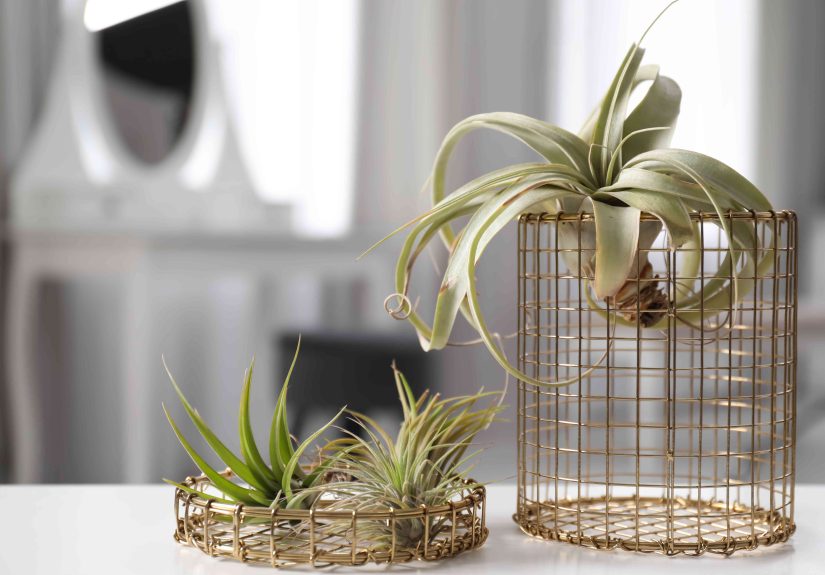
One of the largest air plant varieties, the *Xerographica* has wide, curly leaves that give it a distinctive, sculptural appearance. Its large size makes it a popular choice for decorating large spaces or creating a statement piece.
Tillandsia Brachycaulos
With its reddish-pink hue and small, delicate leaves, the *Brachycaulos* is often called the “flying saucer” air plant. This variety is popular for its unique appearance and vibrant color, especially when it flowers.
How to Display Air Plants
Air plants are as much about style as they are about function. They can be displayed in many creative ways. Here are a few ideas:
In Terrariums
Terrariums are a popular way to display air plants. These glass containers protect the plants and create a stunning visual effect. Just be sure to choose a terrarium with proper ventilation, so your air plants get the air circulation they need.
On Driftwood
Air plants can also be mounted on pieces of driftwood or other decorative natural materials. Simply attach the plant to the surface with wire or glue, and place it in a spot where it can get plenty of light and air circulation.
Hanging in the Air
For a truly unique look, you can suspend air plants from string or fishing wire, creating a floating display. This is especially effective for smaller plants, and the suspended design highlights their delicate beauty.
Air Plants in Your Home: Pros and Cons
While air plants have many benefits, they may not be for everyone. Here’s a quick rundown of the pros and cons:
Pros:
- Low-maintenanceperfect for beginners and busy plant owners.
- Can be placed almost anywhere in your home.
- No soil means less mess and fewer bugs.
- Unique and aesthetically pleasing with plenty of display options.
Cons:
- Require proper watering and air circulation to thrive.
- Can be a bit delicate if not properly cared for.
- May need more attention in extremely dry or hot environments.
Conclusion
Air plants are fascinating, low-maintenance plants that add a unique touch to any home. Whether you’re looking for a conversation piece or simply want to bring a bit of greenery into your space, air plants are an excellent choice. With the right care, these plants can thrive for years and continue to bring beauty to your home. So go ahead, add a few air plants to your collection, and enjoy the beauty they bring!
meta_title: Everything You Should Know About Air Plants
meta_description: Discover the fascinating world of air plants and learn everything you need to know about caring for these low-maintenance, unique plants.
sapo: Air plants are a unique and beautiful way to bring greenery into your home. Learn how to care for them and explore different ways to display them with this comprehensive guide!
keywords: air plants, Tillandsia, air plant care, unique houseplants, indoor plants
Personal Experiences with Air Plants
Over the years, I’ve had the pleasure of cultivating air plants in my home, and I can confidently say they are some of the most rewarding plants to care for. My first experience was with a *Tillandsia Ionantha*, which I placed on a small piece of driftwood in my living room. I was amazed by how quickly it adapted to its environment and began to bloom, its pinkish flowers adding a burst of color to my space.
One thing I’ve learned is that air plants are incredibly forgiving. I once forgot to water my *Xerographica* for a week, and while it was a bit droopy, it bounced back after a good soak. It taught me that even the busiest plant owners can thrive with air plantsjust a little effort goes a long way.
Another thing I love about air plants is their versatility. I’ve displayed them in so many creative waysfrom glass terrariums to hanging in macramé holders. The options are endless, and every display feels like a mini work of art. If you’re ever stuck on how to arrange them, there are plenty of inspiration ideas online, but honestly, letting your creativity run wild can be just as rewarding.
In the end, air plants are a fantastic addition to any home, offering beauty, simplicity, and a touch of nature. They truly are one of those plants that work well for both seasoned plant enthusiasts and beginners alike. I highly recommend giving them a try!