Table of Contents >> Show >> Hide
- What Is a European Ironing Board, Exactly?
- European vs. Traditional American Ironing Boards
- Key Features to Look for in a European Ironing Board
- Pros and Cons of a European Ironing Board
- How to Choose the Right European Ironing Board for Your Home
- Care, Maintenance, and Safety
- Real-Life Experiences with European Ironing Boards
- Conclusion: Is a European Ironing Board Worth It?
If your ironing board wobbles every time you press a sleeve, this article is your sign: it’s time to go
European. A European ironing board isn’t just a prettier accent in your laundry room. It’s wider, sturdier,
and often smarter than the traditional narrow boards many American households grew up with. Think less
“necessary evil” and more “surprisingly satisfying piece of equipment.”
In this guide, we’ll break down what makes a European ironing board different, why so many home enthusiasts
and sewists swear by them, and how to choose the right model for your space, your clothes, and your back.
What Is a European Ironing Board, Exactly?
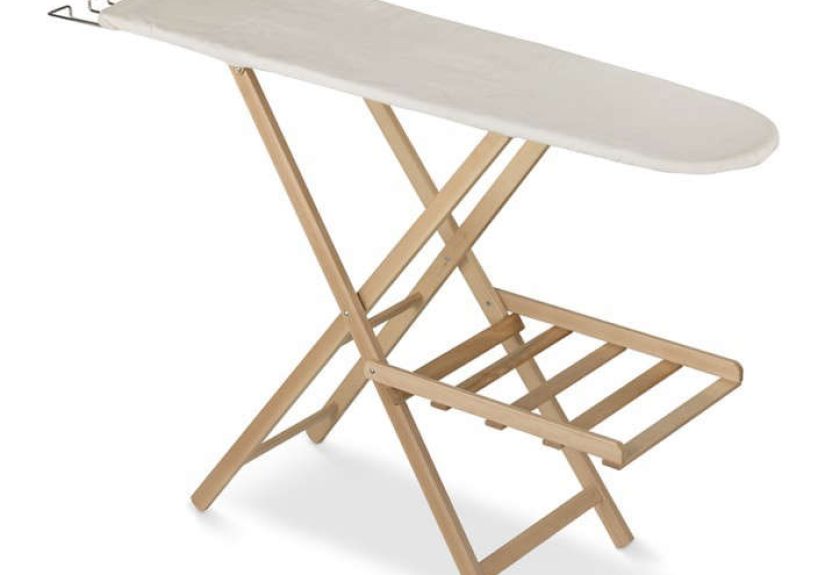
The term “European ironing board” isn’t an official technical category, but it’s commonly used to describe
boards designed and manufactured in Europe (think brands like Brabantia, Rowenta, and Laurastar) that share
some very specific traits:
- Extra-wide surface: Many European boards measure roughly 124–135 cm (about 49–53 in) long and 45–49 cm (about 18–19 in) wide, giving you more room to lay out shirts, dresses, and tablecloths at once.
- Serious stability: Heavier frames, anti-slip feet, and sturdier legs mean far less wobble, even when you’re pressing hard on jeans or linens.
- Ergonomic height adjustment: Many boards extend to around 90–93 cm (35–37 in), which is great if you’re taller or spend long sessions ironing.
- Steam station ready: A lot of European boards include oversized iron rests or platforms designed for powerful steam generator systems, not just a basic iron.
- Advanced options: At the high end, you’ll find “active” boards with built-in vacuum and blower functions that hold fabric in place and create an air cushion under your garments.
In short, a European ironing board is designed around comfort, speed, and professional-level results, not
just “somewhere to park the iron.”
European vs. Traditional American Ironing Boards
To appreciate why people upgrade, it helps to compare these boards to the standard American-style models you
see in big-box stores.
Size and Shape
Many traditional U.S. floor-standing boards are about 48–54 inches long and 14–18 inches wide.
They typically have one wide end and one tapered end, which works fine for everyday shirts and pants.
European boards, especially those labeled “C,” “D,” or “XL,” usually stretch longer and noticeably wider.
For example, one popular size C board is around 124 × 45 cm, and some “D” or “XL” models go up to about
135 × 49 cm. That extra width makes it easier to iron an entire shirt front or a pillowcase without constantly repositioning.
Stability and Build Quality
If you’ve ever owned a flimsy bargain board, you already know the story: one leg slightly bent, a bit of
wobble, and a cover that slides around like it’s trying to escape laundry duty. Online discussions are full
of people complaining that cheap boards undercut $100 are unstable or fall apart quickly.
European models often lean in the other direction: heavier frames, stronger welds, and anti-slip feet. Some
premium boards are tested to handle significant loads (up to around 40 kg/88 lb in certain models),
emphasizing long-term stability and durability. This gives you a solid platform for pressing seams, using steam
stations, or working on large home projects like curtains or quilts.
Compatibility with Steam Systems
Steam generator irons and ironing systems are especially popular in Europe. Brands like Laurastar and
Rowenta pair powerful steam stations with boards designed to support the extra weight and moisture.
These boards often feature:
- Large, sturdy platforms that fit steam generators
- Integrated cable management and sometimes water-catching trays
- Breathable metal tops for better steam circulation
If you’re upgrading to a steam station, pairing it with a European ironing board is like buying good tires
for a high-performance car. Sure, the car will move with old tiresbut you won’t be getting everything you
paid for.
Key Features to Look for in a European Ironing Board
1. Board Size and Shape
Bigger isn’t always betterbut it’s often more convenient. A longer, wider surface means fewer adjustments,
especially when you’re ironing:
- Button-down shirts (you can press most of the front in one go)
- Dresses and skirts
- Bed linens and tablecloths
- Large sewing or quilting projects
Look for a board that has a wide working area but still fits your storage space. Many European boards fold
flat enough to tuck behind a door, under a bed, or inside a laundry closet.
2. Height Adjustment and Ergonomics
Ironing while hunched over is a fast track to back and shoulder pain. A good board should adjust high enough
to match your height, so your arms form roughly a 90-degree angle when you’re pressing.
Guides to choosing ironing boards emphasize height adjustment as a key factor in reducing back strain.
Many European boards allow you to fine-tune the height rather than locking you into just two or three
positions. If multiple people in your home iron, this is a big dealno more arguing over who has to suffer
the “too low” setting.
3. Frame, Legs, and Stability
Stability isn’t glamorous, but it’s non-negotiable. High-quality European boards typically include:
- Wide, cross-braced legs for better balance
- Anti-slip rubber feet to keep the board from sliding on smooth floors
- Heavier construction that resists tipping, even when you’re pressing on corners
- Locking mechanisms to keep the board securely folded for storage
Some European boards also add wheels on one side, so you can tilt and roll the board into a closet instead
of carrying it awkwardly through the house.
4. Cover and Padding Quality
Don’t overlook the cover. A good cover with the right padding can make the difference between fighting
creases and gliding through a pile of laundry. Textile and home guides note that a well-padded, smooth cover
helps fabric move more easily and protects delicate materials.
On European boards, you’ll often find:
- Thick foam and felt layers for better cushioning
- Heat-reflective fabrics that speed up ironing by reflecting heat back into the garment
- Tailored covers with drawstrings or click systems, so they stay taut and don’t wrinkle underneath your clothes
Replacement covers in European sizes are widely available, so you can refresh the board instead of replacing
the whole thing.
5. Active Boards and Steam Systems
At the top end of the European market, there are “all-in-one” ironing systems. These pair a steam generator
with an active board that uses vacuum and blower functions. Brands like Laurastar use air cushions to keep
fabrics perfectly positioned and help prevent new creases as you iron.
Are they necessary for everyone? No. But if you regularly iron delicate fabrics, formalwear, or lots of
garments at once, an active European ironing board can halve your ironing time and give near-professional results.
Pros and Cons of a European Ironing Board
Benefits
-
Faster ironing sessions: The wider surface and better steam flow mean you can cover more
fabric in fewer passes, especially for shirts and linens. -
Better posture: Higher, adjustable heights support healthier body mechanics, so you’re not
bent over a too-short board for an hour. -
More precision and control: Stability lets you press seams, pleats, and hems without the
board shifting under you. -
Perfect for sewists and quilters: Larger worktops and add-on surfaces give room to spread
out projects without them spilling over every edge. - Built to last: Many European boards emphasize corrosion-resistant materials and long warranties.
Drawbacks
-
Higher price: Quality construction, wider surfaces, and special features can push prices
well above entry-level boards. -
Heavier to move: All that stability comes with extra weight, so carrying the board up and
down stairs might be more of a workout (bonus points if you count it as leg day). -
Storage space: XL boards aren’t ideal for tiny studio apartmentsmeasure your closet or
wall space before you buy.
How to Choose the Right European Ironing Board for Your Home
Not every household needs the fanciest active board on the market. Use these scenarios to guide your choice:
If You Live in a Small Space
Look for:
- A medium-sized European board (roughly 120 × 38–45 cm)
- Fold-flat design with compact storage height
- Stable legs that still tuck behind a door or inside a narrow closet
You’ll still get the benefits of a sturdy, ergonomic board without giving up half your living room.
If You Iron for a Family (or Just Really Love Crisp Shirts)
Consider an XL European ironing board with:
- Extra-wide surface for shirts, school uniforms, and linens
- An iron or steam station rest big enough for your preferred appliance
- Strong height adjustment and a solid frame for frequent use
You’ll shave minutes off each ironing session, which adds up over a busy week.
If You Sew, Quilt, or Craft
European boards with particularly large tops or add-on extenders work beautifully for:
- Pressing quilt tops and backing fabrics
- Working with long yardage or home décor fabric
- Creating crisp seams for clothing construction
Some sewists even combine a wide European board with a custom pressing surface on top, transforming it into
a multi-purpose work area.
Care, Maintenance, and Safety
To keep your European ironing board working well for years, treat it like any other serious piece of
equipment:
- Replace covers as needed: When the cover looks scorched, shiny, or thin, it’s time for a fresh one.
- Check the legs regularly: Make sure screws, bolts, and locks are tight. If you notice wobble, address it before the board collapses mid-shirt.
- Dry it out: After heavy steam sessions, let the board air-dry in the open position for a bit to prevent rust and mildew.
- Use the locks: Engage folding locks when storing or moving the boardespecially if kids are around.
If you own an active board with vacuum or blower functions, follow the manufacturer’s instructions on filter
cleaning, descaling, and safe operation.
Real-Life Experiences with European Ironing Boards
Beyond specs and measurements, what is it actually like to live with a European ironing board? Let’s talk
real-world experiences, drawn from user reviews, sewing communities, and those passionate internet debates
about laundry gear you didn’t know existed.
A Busy Parent’s Perspective
Picture a household with two working adults, a couple of kids in uniforms, and a partner whose definition of
“folded” is “rolled into a ball.” For this family, laundry isn’t a weekend projectit’s a full-time side
gig. When they switch from a narrow discount-board to a wide European ironing board, the change is obvious:
- Shirt fronts lie fully flat on the board, so they only need one or two passes.
- School pants can be pressed without constantly turning them around.
- The board doesn’t wobble when someone leans harder on stubborn creases.
The parent might still not love ironing, but the chore feels less like punishment and more like a manageable
task. Several reviewers of wide European boards even comment that they “never realized how much difference a
sturdy, wide board would make” until they tried one.
The Sewist and Quilter Experience
In sewing and quilting communities, ironing boards are tools rather than afterthoughts. Makers often look for
boards that:
- Stay rock-solid while pressing seams
- Support large, heavy quilt tops without tipping
- Handle prolonged steam and high heat
Traditional boards can feel too narrow, especially when pressing half-finished garments or wide fabric
pieces. A European board with a 130 × 47 cm surface offers room to spread out and get precise, consistent
results. Some sewists even say that once they upgraded, going back to a smaller board
felt like trying to work on a TV tray.
Active Boards and “Ironing Systems” in Daily Life
Then there are the power usersthe ones who invest in European ironing systems with vacuum and blower
functions. These users often describe the experience as:
- Cutting ironing time dramatically, especially for cotton shirts and linen items
- Reducing the number of passes needed to get garments crisp
- Making it easier to handle tricky fabrics that usually shift or wrinkle under the iron
With a blower function, the board inflates slightly, creating a cushion of air that keeps delicate fabrics
from getting crease lines. The vacuum function does the oppositeit pulls fabrics flat onto the board so the
steam penetrates deeply and evenly. That might sound over-the-top for casual users, but for those who
regularly iron workwear, formalwear, or custom-made clothing, it becomes a favorite part of the routine.
From “Wobbly Junk” to “Why Didn’t I Buy This Sooner?”
On forums and review sites, one theme pops up repeatedly: people frustrated with cheap, unstable boards that
rattle, flex, or outright collapse. When these same users switch to a well-built European board, they talk
less about specs and more about feelings:
- They feel more confident using powerful steam without worrying about the board tipping.
- They notice less strain in their back and shoulders after longer ironing sessions.
- They sometimes find themselves ironing more often because it no longer feels like such a chore.
That doesn’t mean every European board is perfectstorage can be tricky with XL sizes, and prices can sting.
But in day-to-day life, a lot of users see them as a long-term investment in comfort and convenience rather
than just another household item.
A Small but Real Lifestyle Upgrade
Nobody upgrades to a European ironing board expecting it to change their life. But it can absolutely change
the part of your life that involves wrinkle removal. Shirts lie flatter. Steam works better. Your board
doesn’t shimmy every time you exhale.
Over time, small improvements like these add up. If you iron weekly (or daily), the combination of extra
width, stability, and ergonomics turns ironing from “tolerable at best” into a surprisingly smooth, almost
meditative task. And if nothing else, you’ll have one less flimsy, rattling piece of metal in your home.
Conclusion: Is a European Ironing Board Worth It?
If you only iron once a month and mostly toss clothes in the dryer, you might not need a European ironing
board. But if you:
- Iron weekly for yourself or your family
- Own a powerful steam iron or steam generator
- Sew, quilt, or work with large fabrics
- Are tired of wobbly boards and sore shoulders
then upgrading to a European-style board can be one of the most underrated home improvements you make.
With a wider surface, sturdier frame, smarter height adjustment, and optional active features, a European
ironing board helps you work faster, safer, and more comfortably. It won’t magically make ironing funbut it
will make it a whole lot less annoying. And in the world of household chores, that’s a big win.