Table of Contents >> Show >> Hide
- What Are Stuffed Grape Leaves?
- Ingredients for Easy Stuffed Grape Leaves
- How to Prepare Grape Leaves
- Make the Rice and Herb Filling
- How to Roll Stuffed Grape Leaves
- Cook the Stuffed Grape Leaves
- Serving Ideas
- Food Safety and Storage Tips
- Common Questions About Stuffed Grape Leaves
- Recipe SEO Snapshot
- Real-Life Tips & Experiences With Easy Stuffed Grape Leaves
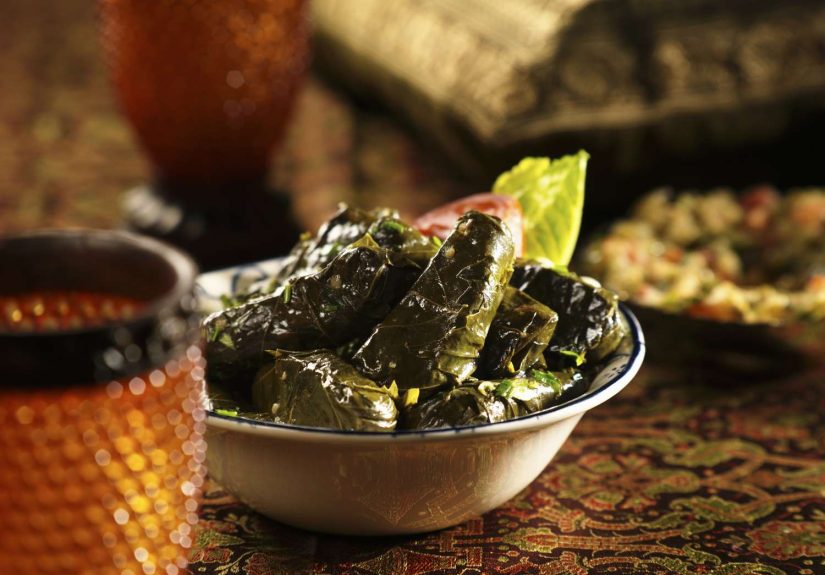
Stuffed grape leaves are one of those recipes that look super fancy but are secretly
just rice in a leafy blanket. They show up at potlucks, holiday tables, and
mezze platters looking all elegant and mysterious, and then you take a bite:
bright lemon, tender rice, fresh herbs, and that slightly tangy grape leaf.
It’s addictive in the best possible way.
The good news? You don’t need a Greek grandma, Turkish auntie, or Lebanese neighbor
on speed dial to pull this off. With a jar of grape leaves, some pantry basics,
and a little rolling practice, you can make a big pot of stuffed grape leaves at home
without losing your mind (or your patience).
This easy stuffed grape leaves recipe keeps things simple and beginner-friendly:
no complicated ingredients, no special equipment, and clear step-by-step instructions.
You’ll learn what kind of rice to use, how to roll the leaves so they don’t explode,
and how to cook them until they’re silky-soft and full of lemony flavor.
What Are Stuffed Grape Leaves?
Stuffed grape leaves are known by many names around the Mediterranean and Middle East:
dolma or sarma in Turkish, dolmadakia in Greek cuisine,
and warak enab in Arabic, literally “grape leaves.” They’re typically made
by wrapping vine leaves around a filling of rice, herbs, and sometimes ground meat, then
simmering them gently until everything is tender and infused with lemon and olive oil.
Every region does it a little differently. Some versions are vegetarian and served at room
temperature as part of a mezze spread. Others include ground lamb or beef and are served warm
as a main dish. This version is a lemony, herb-packed, meatless style that’s perfect as an
appetizer, snack, or light lunch.
If you’ve only ever eaten stuffed grape leaves from a can, get ready. Homemade has a fresher
flavor, better texture, and you can control everything from how much lemon goes in to how
tightly they’re rolled.
Ingredients for Easy Stuffed Grape Leaves
Core Ingredients
- Grape leaves in brine (about 50–60 leaves, jarred or canned)
- Rice – 1 1/2 cups uncooked short- or medium-grain rice
- Olive oil – 1/2 cup, divided (plus more if desired for drizzling)
- Onion – 1 large yellow onion, finely chopped
- Fresh herbs – 1/2 cup chopped fresh parsley, 1/4 cup chopped fresh dill,
1/4 cup chopped fresh mint - Lemon juice – juice of 3–4 lemons (about 1/2 cup), plus lemon slices for layering
- Garlic – 3–4 cloves, minced
- Salt and black pepper – to taste
- Water or vegetable broth – 3–4 cups for simmering
Optional Flavor Boosters
- Pine nuts – 1/4 cup, lightly toasted, for a gentle crunch
- Currants or raisins – 2–3 tablespoons, for tiny pops of sweetness
- Tomato paste – 1–2 tablespoons, stirred into the cooking liquid for color and depth
- Ground allspice or cinnamon – a pinch, if you like a warm spice note
Why Short- or Medium-Grain Rice?
Short- or medium-grain rice is ideal because it becomes slightly sticky as it cooks, helping
the filling hold together inside the leaf. Long-grain rice tends to stay separate and can feel
loose and dry in this style of dish. Look for medium-grain white rice if you’re unsure.
How to Prepare Grape Leaves
Most home cooks use jarred grape leaves packed in brine. They’re convenient and available in
many grocery stores in the international or Mediterranean foods aisle.
-
Rinse the leaves. Gently remove leaves from the jar and unroll them.
Rinse under cool water to remove excess brine, which can be very salty. -
Trim the stems. Lay the leaves flat, vein-side up, and use a small knife
or kitchen scissors to trim any thick stems at the base. -
Sort by size. Set aside torn or tiny leaves to line the bottom of the pot.
Use large, intact leaves for rolling.
Using fresh grape leaves? They should be picked young and tender, then blanched briefly in
boiling water and cooled before use. If you have access to vines, this is a fun summer project,
but jarred leaves make the recipe weeknight-friendly.
Make the Rice and Herb Filling
-
Sauté the onion. In a large skillet, heat 1/4 cup olive oil over
medium heat. Add the chopped onion and cook for 7–10 minutes, stirring occasionally,
until soft and translucent (lightly golden is fine; avoid browning). -
Add garlic and rice. Stir in the minced garlic and cook for 30 seconds,
then add the uncooked rice. Stir for 1–2 minutes so the rice is well coated in oil. -
Partially cook the rice. Add about 1 cup water or broth, a generous pinch of
salt, and pepper. Simmer gently until most of the liquid is absorbed and the rice is about
halfway cooked (still firm in the center). This usually takes 5–7 minutes. -
Stir in herbs and extras. Remove from heat. Stir in parsley, dill, mint,
and any optional pine nuts or currants. Taste and adjust salt and pepper.
Let the mixture cool until it’s comfortable to handle. -
Add lemon. Stir in 2–3 tablespoons lemon juice once the filling has cooled slightly.
The bright flavor will survive the final simmer beautifully.
Partially cooking the rice helps keep the grains from blowing out of the leaves later and
ensures the filling cooks through at the same rate as the leaves themselves.
How to Roll Stuffed Grape Leaves
Rolling stuffed grape leaves is a bit like making tiny, neat burritos. The first few might
look lopsided, but you’ll improve fast.
-
Set up your station. Place a grape leaf shiny side down (veins up) on a cutting board
or plate. The stem end should face you. -
Add the filling. Place about 1 to 1 1/2 teaspoons of filling near the stem end
of the leaf, forming a small log. Resist the urge to overfill; the rice will expand as it cooks. -
Fold and roll. Fold the bottom of the leaf up over the filling, then fold in the
sides (like an envelope), and roll away from you into a tight cylinder. It should be snug but not
so tight that the rice has no room to expand. -
Repeat. Continue with the remaining leaves and filling. If you have extra leaves
at the end, save them to cover the top layer in the pot.
Cook the Stuffed Grape Leaves
-
Line the pot. In a wide, heavy pot or Dutch oven, drizzle a little olive oil
and line the bottom with torn or small grape leaves. This prevents sticking and scorching. -
Layer the rolls. Arrange the stuffed grape leaves seam side down in tight
concentric circles. When you finish one layer, start another on top until all rolls are in the pot. -
Add lemon and liquid. Scatter lemon slices over the top. In a bowl, whisk together
the remaining lemon juice, 1/4 cup olive oil, and 3–4 cups water or broth. If you’re using tomato paste,
whisk that in too. Pour over the rolls until they’re just covered. -
Weigh them down. Place a heat-safe plate on top of the rolls to keep them from
floating and unraveling. -
Simmer gently. Bring the pot just to a simmer over medium heat, then reduce to
low, cover, and cook for 40–50 minutes. The leaves should be tender and the rice fully cooked. -
Rest and cool. Remove from the heat and let the pot sit, covered, for at least
15–20 minutes. This helps the flavors meld and makes the rolls easier to handle.
You can serve stuffed grape leaves warm, at room temperature, or chilled.
Many people swear they taste even better the next day after resting in the fridge.
Serving Ideas
- Arrange on a platter with lemon wedges and a drizzle of good olive oil.
- Serve with a simple yogurt-garlic sauce or tzatziki.
- Add to a mezze spread with hummus, olives, feta, pita, and roasted vegetables.
- Pack into lunch boxes or picnic containers for a handy grab-and-snack option.
Food Safety and Storage Tips
Stuffed grape leaves usually contain rice, which needs a little extra care when it comes to
leftovers. Cool the cooked rolls slightly, then transfer them to shallow containers and
refrigerate within 1–2 hours. Properly stored, they’re typically good for up to 3–4 days in
the fridge. Reheat gently or enjoy cold.
You can also freeze stuffed grape leaves: let them cool completely, arrange in a single layer
on a tray to firm up, then transfer to airtight containers or freezer bags. They can keep in
the freezer for a few months. Thaw overnight in the fridge and warm slowly with a splash of
water and a squeeze of lemon.
Common Questions About Stuffed Grape Leaves
Can I add meat to this recipe?
Yes. For a heartier version, you can mix about 1/2–3/4 pound of ground beef or lamb into the
partially cooked rice and herb mixture. Make sure the meat is finely crumbled and well mixed,
and simmer the rolls on low heat until the meat is fully cooked through.
My grape leaves are tough. What went wrong?
Tough leaves usually mean they were either older/tougher to begin with or didn’t cook long
enough. If you’re using fresh leaves, make sure they’re young and tender and that you blanch
them before rolling. If using jarred leaves, a longer simmer and resting time can help them
soften.
Why are some of my rolls falling apart?
The usual culprits: overfilling the leaves, rolling too loosely, or leaving too much space
between rolls in the pot. Aim for small logs of filling, roll snugly, and pack the pot tightly
so they support each other during cooking.
Can I make stuffed grape leaves ahead of time?
Absolutely. In fact, the flavor improves as they sit. You can roll them, cook them, and then
refrigerate overnight or for a few days before serving. Just drizzle with a bit more lemon
juice and olive oil if they seem dry after chilling.
Recipe SEO Snapshot
meta_title: Easy Stuffed Grape Leaves Recipe
meta_description:
Make tender, lemony stuffed grape leaves at home with this easy recipe, plus pro tips,
storage advice, and rolling tricks.
sapo:
This easy stuffed grape leaves recipe walks you through every step of making tender, lemony
rolls filled with rice and herbs. Learn how to prep jarred or fresh grape leaves, mix a
flavorful filling, roll without tears or leaks, and simmer everything to melt-in-your-mouth
perfection. You’ll also pick up make-ahead strategies, storage and freezing tips, serving
ideas, and clever troubleshooting advice so your dolma or dolmades turn out beautifully every
single timewhether you’re cooking for a mezze platter, a family gathering, or just because
you’re craving something delicious and homemade.
keywords:
easy stuffed grape leaves recipe, homemade dolma, vegetarian dolmades, rice stuffed grape
leaves, lemon grape leaves, Mediterranean appetizer, how to roll grape leaves
Real-Life Tips & Experiences With Easy Stuffed Grape Leaves
The first time many home cooks tackle stuffed grape leaves, there’s usually a moment of panic
about halfway through the rolling process. You’ve got filling on your fingers, leaves stuck to
the cutting board, and that one roll that looks like it lost a bar fight. Here’s the good
news: everyone’s first batch is a little chaotic, and it still tastes fantastic.
One of the best strategies is to treat your first attempt as a practice session. Put on a good
playlist or a favorite podcast, clear some counter space, and roll at a relaxed pace. Start
with the biggest, most perfect leavesthose are the easiest to handle and give you a feel for
how much filling to use and how tightly to roll. Save the smaller or torn leaves for later,
when you’re more confident (or to line the pot).
A lot of people discover their preferred style of stuffed grape leaves over time. Some like
them super lemony and almost tangy-sharp; others prefer a milder citrus note and more olive
oil richness. The nice part about making them at home is that you can adjust the flavor to
match your taste. If you love lemon, don’t be shyadd extra juice to the cooking liquid and
finish the platter with one last fresh squeeze before serving.
Stuffed grape leaves also reward patience. They’re not the thing you throw together 20 minutes
before guests arrive. But when you make them a day ahead, you suddenly feel like the most
organized host ever. You open the fridge, pull out a covered dish of perfectly rolled leaves,
and all that’s left is arranging them on a plate. The flavors deepen overnight, the texture
settles, and you get to look like you casually whip up Mediterranean mezze on a Tuesday.
They’re also surprisingly versatile in real life. Leftovers make a great desk lunch with a side
of yogurt and some cherry tomatoes. They travel well in lunch boxes and picnic baskets and hold
up better than many salads. If you’re cooking for mixed diets, this vegetarian version is a
bonus: it’s naturally meat-free, easily dairy-free, and feels special without needing steak or
cheese.
Another real-world win: this recipe scales beautifully. Need just a small batch? Halve the
filling and use a smaller pot. Feeding a crowd? Double the rice mixture, grab a second jar of
leaves, and use your biggest Dutch oven. As long as the rolls are snug and mostly covered with
liquid, the method stays the same. The only thing that changes is how proud you feel when you
set down a huge platter and watch people go back for “just one more.”
Finally, don’t underestimate the emotional side of recipes like this. For many families,
stuffed grape leaves are tied to holidays, weddings, and long afternoons in the kitchen with
multiple generations rolling, talking, and taste-testing. Even if you didn’t grow up with that
tradition, you can start your own versioninviting friends over to help roll, teaching kids to
fold the leaves, or simply giving yourself a quiet, meditative cooking project on the weekend.
By the time you’re popping the first one into your mouth, still warm and lemony from the pot,
you’ll understand why people keep coming back to this dish year after year.
In short, this easy stuffed grape leaves recipe isn’t just about following steps. It’s about
getting comfortable with the rhythm of rolling, finding your favorite lemon-to-herb ratio, and
discovering how satisfying it is to turn simple rice and leaves into something that feels
genuinely special. Once you’ve made them a couple of times, they shift from “intimidating
project” to “signature dish,” and you’ll start looking for excuses to make them again.