Table of Contents >> Show >> Hide
- What DJ Qualls Actually Revealedand Why It Went Viral
- Residuals 101: The Checks That Show Up Like a Surprise Sequel
- Why Big Bang Theory Residuals Hit Different
- Why Some Streaming Hits Don’t Deliver the Same Residual Punch
- The Myth of “Everyone on TV Is Rich” (And the Reality of Guest-Star Economics)
- The Labor-Deal Plot Twist: Residuals Are Being Re-Engineered
- So, Why Do Qualls’ Big Bang Theory Residuals Feel So Strong?
- Practical Lessons (Even If You’re Not an Actor)
- FAQ: Big Bang Theory Residuals, Syndication, and Streaming Pay
- Conclusion: The Real Reason Those Checks Hit Different
- Extra: of Real-World Residual Experiences (Why This Topic Feels So Personal)
If you’ve ever opened your mail to find a mysterious check for $3.17 and thought, “Ah yes, my career is thriving,” congratulationsyou’ve experienced the tiny-chaos magic of entertainment residuals. Now zoom that feeling up from “gas station snack money” to “wait, this still pays?” and you’re in the neighborhood of what actor DJ Qualls has been talking about lately: why his residuals from The Big Bang Theory land with a special kind of satisfying thud.
Qualls isn’t describing some mythical Hollywood fountain that only the chosen can drink from. He’s pointing out something way more practicaland way more awkward for modern streaming-era economics: old-school network TV plus syndication can keep paying long after the cameras stop rolling. In other words, he got more bang for his Big Bang Theory buck because the show doesn’t live in one “walled garden.” It travels. It reruns. It pops up in places you didn’t even know still existedlike local affiliates and cable lineups that your aunt refuses to abandon because “the remote is familiar.”
Let’s break down why Qualls says those checks hit different, what “syndication” really changes, why some streaming hits feel like residual tumbleweeds, and what this all means for actors trying to pay rent while their face is literally on your TV. (Yes, that is as bizarre as it sounds.)
What DJ Qualls Actually Revealedand Why It Went Viral
Qualls’ point wasn’t “I’m rich, peasants.” It was closer to: the system that created meaningful residuals is increasingly rare. He contrasted the residual power of a classic, widely syndicated network sitcom with the reality of “single-platform” showsprojects that live and die inside one streaming service’s ecosystem. If a show isn’t getting resold, re-aired, and redistributed broadly, there are fewer residual triggers and fewer places for that money to flow from.
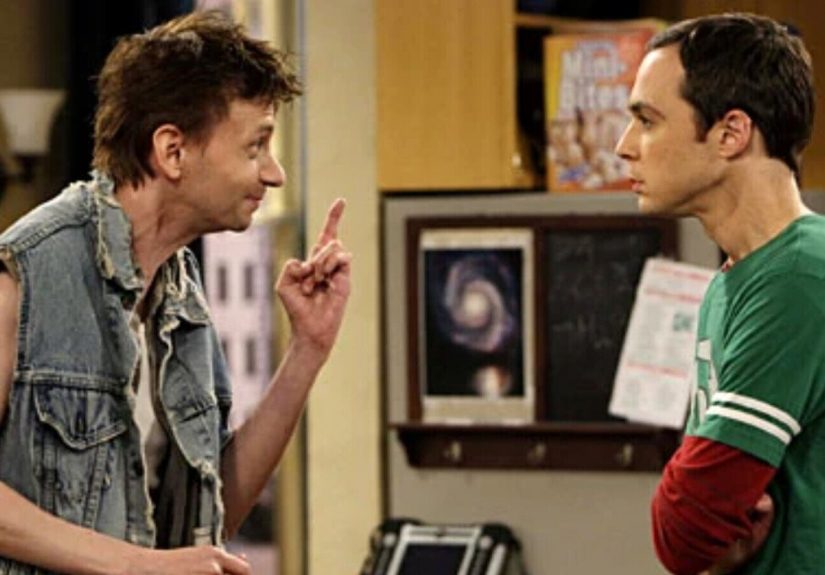
His example is especially sticky because it’s relatable in the most Hollywood way possible: he appeared for a short stint on a mega-popular show and still benefits because the show became an unstoppable rerun machine. Even if you couldn’t pick Toby Loobenfeld out of a lineup of theoretical physicists (fair), you’ve almost certainly stumbled across the episode while channel surfing or streaming.
The takeaway isn’t “go find a sitcom.” It’s: distribution matters more than hype. A buzzy limited series can dominate Twitter for six weeks and then vanish into an algorithmic attic. A long-running network show can quietly become a cash drip for yearssometimes decadesbecause it keeps being licensed, rerun, and packaged in new ways.
Residuals 101: The Checks That Show Up Like a Surprise Sequel
Residuals are additional payments performers can receive when a production is exhibited beyond the initial use covered by their original compensation. Think of it as: you got paid to do the job once, and you may keep getting paid (usually smaller amounts) when the job keeps getting reused.
The key word is “may.” Residuals depend on union agreements, the type of production, where it airs, how it’s reused, and what the contract says. That’s why two actors can both star in “popular shows” and still have wildly different experiences when it comes to residual income. Popularity is not a payroll department.
Historically, the residual engine was fueled by reruns (broadcast), cable repeats, and syndication deals. In the streaming era, residuals can be structured differently often tied to subscriber tiers, time windows, and formulas that don’t behave like the rerun-heavy model people grew up hearing about.
Why Big Bang Theory Residuals Hit Different
Qualls is essentially highlighting a “perfect storm” that makes certain network-era shows unusually powerful for residuals: volume + reruns + redistribution. The Big Bang Theory checks can feel punchy because the show has the ingredients that let the distribution machine run forever.
1) The 22-Episode Season: More Inventory, More Reuse
Network sitcoms traditionally produced long seasonsoften around 22 episodes. That creates a massive library, which matters because reruns and syndication thrive on having enough episodes to strip (air daily) without exhausting the audience immediately.
Compare that with many modern prestige shows: 8 episodes, maybe 10, then a two-year wait while everyone grows a beard and learns pottery. Even if that shorter season is brilliant, it’s not built for the same kind of daily rerun ecosystem. There’s simply less “inventory” to sell and resell in the old way.
More episodes also means more chances for an actor’s work to cycle through various exhibition windows. That’s not glamorous, but it’s real. The entertainment business often rewards repeatability as much as artistry. Sometimes more.
2) Syndication: When a Show Leaves Home, the Money Trail Grows
Here’s the simplest explanation of why Qualls’ “Big Bang Theory bucks” can feel uniquely satisfying: syndication sends a show away from the original network to many other buyers.
When a series becomes syndicated, it doesn’t just rerun on its original network. It can air on cable channels, local broadcast affiliates, and other outlets that pay for the right to show it. Each new window can create new residual obligations depending on the agreement and type of exhibition.
Qualls’ observation about “single platform” shows is basically the reverse: if a show lives in one place and stays there, it has fewer opportunities to travel and fewer separate distribution events that historically helped generate residuals. It’s the difference between a band touring every city… and a band playing one venue forever while insisting it’s “exclusive.”
3) The Big Money Licensing Ecosystem Keeps the Rerun Engine Running
The Big Bang Theory has been the subject of huge distribution and streaming-rights deals over the years, reflecting just how valuable it is as comfort-TV that people will watch in any mood, at any hour, for any reason (including “I fell asleep on the couch and woke up to Sheldon yelling”).
Big deals don’t automatically mean every actor gets a suitcase of cashcontracts matter and lead actors often have very different arrangements than guest stars. But the broader point holds: when a show remains highly sought-after in licensing markets, it stays in circulation. And when it stays in circulation, residuals have more chances to exist in meaningful ways.
Why Some Streaming Hits Don’t Deliver the Same Residual Punch
Let’s talk about the thing Qualls is gently (and correctly) poking: streaming changed the residual vibe.
On many streaming deals, residuals have historically been based more on formulas tied to the type of service, subscriber counts, and time-in-market rather than old-school rerun frequency. That can mean an actor’s compensation doesn’t scale in a way that feels intuitive to regular humans watching a show explode in popularity. You see “#1 on the platform,” the actor sees “check for $0.43,” and everyone develops a nervous eye twitch.
The “single-platform” problem is also structural: if the show isn’t being syndicated broadly, there’s no ecosystem of separate outlets paying for rerun rights. Instead, the platform holds it tightly like a dragon guarding a streaming library, and the money distribution depends on the negotiated modelnot on the show bouncing around the marketplace.
Add shorter seasons, longer gaps between seasons, and fewer rerun cycles, and you start to see why a network sitcom from the syndication era can out-perform a modern streaming hit in “steady residual feel,” even when the streaming hit dominates cultural conversation.
The Myth of “Everyone on TV Is Rich” (And the Reality of Guest-Star Economics)
Qualls’ story also accidentally shines a flashlight on a misconception that refuses to die: if you’re on a famous show, you must be financially set. In reality, money in Hollywood is tiered like a wedding cake: the top is very sweet, the middle is complicated, and the bottom is mostly structural support holding up everyone’s dreams.
Lead actors on long-running hits may negotiate massive per-episode salaries and sometimes backend participation. Recurring and guest actors often work under very different terms. A single-episode appearance can be a career highlight and still not be life-changing financiallyunless the distribution pattern creates residuals that keep showing up.
That’s part of why Qualls’ “few residuals hit as hard” line resonates: it frames distribution as the silent force behind financial stability. Not talent. Not fame. Not memes. Distribution.
The Labor-Deal Plot Twist: Residuals Are Being Re-Engineered
The residual conversation got louder during the major Hollywood labor disputes of the last few years, largely because streaming upended the old model and unions pushed for structures that reflect modern viewing realities.
Recent agreements introduced (or expanded) concepts like streaming performance bonuses for certain high-performing shows, aiming to tie compensation more directly to success metrics rather than letting the biggest winners produce the smallest checks. It’s not “problem solved,” but it’s a real acknowledgment that the old residual system was built for rerunsnot dashboards.
Translation: the industry is trying to build a new version of what syndication used to do naturallycreate many revenue events over timewithout requiring shows to bounce around different channels like pinballs.
So, Why Do Qualls’ Big Bang Theory Residuals Feel So Strong?
Put everything together and the answer becomes pretty straightforward:
- The show has a huge episode library (classic network-season volume).
- It’s built for reruns (sitcom structure + evergreen tone).
- It’s widely distributed (syndication and licensing keep it moving).
- It has long-term demand (comfort-TV that never really “ends”).
- That combination creates repeated usage, which is where residuals historically thrive.
Qualls isn’t saying streaming is “bad.” He’s saying that, for performers, the old network + syndication ecosystem could produce a kind of long-tail income that many modern showsespecially platform-locked seriesoften don’t replicate by default.
Practical Lessons (Even If You’re Not an Actor)
If you’re in the industry, Qualls’ point is a career-strategy postcard from the past: distribution structure can matter as much as the role. If you’re a viewer, it’s a reminder that the entertainment economy doesn’t always reward the faces you recognize, especially in the streaming era.
- Syndication is a financial amplifier because it creates many paying outlets over time.
- Short seasons reduce rerun-style opportunitieseven if the show is incredible.
- Streaming success doesn’t automatically equal streaming residuals under traditional models.
- Contracts and union terms matter more than headlines about popularity.
FAQ: Big Bang Theory Residuals, Syndication, and Streaming Pay
Do actors get residuals every time an episode reruns?
It depends on the contract, the type of exhibition, and union rules. Traditional TV reruns and syndication have long-established residual structures, but payments can diminish over time and vary widely by role and agreement.
Why do long-running sitcoms generate more residual talk than limited series?
Long-running sitcoms create large episode libraries that can rerun endlessly without feeling repetitive to casual viewers. That makes them ideal for syndication and licensingtwo engines that historically produce more residual events.
Are streaming residuals getting better?
Newer deal structures have aimed to improve streaming compensation with bonuses tied to performance for certain projects, but outcomes vary and the system is still evolving.
Conclusion: The Real Reason Those Checks Hit Different
DJ Qualls’ “Big Bang Theory bucks” comment is funny because it’s trueand it’s true because of something deeply unglamorous: distribution mechanics. When a show becomes a syndicated fixture, it gains multiple lives across multiple outlets, and that repeated reuse can translate into residual checks that feel surprisingly meaningful.
In the streaming era, lots of shows are bigger in the moment but smaller in the mailbox. Qualls is basically reminding everyone that the old model22 episodes, reruns, syndication, and constant redistributionwas a weirdly effective system for creating long-tail income for performers. Not perfect. Not fair across the board. But powerful when it worked.
And if you’re wondering whether that’s why people still chase network sitcoms and procedural dramas: yes. Yes, it is. Sometimes “legacy” is just a fancy word for “this show will pay my dentist in 2037.”
Extra: of Real-World Residual Experiences (Why This Topic Feels So Personal)
Residuals aren’t just a spreadsheet lineactors describe them as emotional whiplash. One month, a check shows up and it feels like the universe is apologizing for your audition parking ticket. The next month, nothing arrives and you’re back to explaining to a relative that “being on TV” does not automatically include a complimentary swimming pool shaped like your face. Qualls’ story resonates because it matches what many working performers say privately: the best residual experiences often come from shows built for constant reuse, not necessarily the shows that win the loudest online debates.
In Qualls’ case, the “experience” is the long tail itself: a role that keeps returningfinanciallybecause the show keeps returning to viewers. That kind of mailbox déjà vu is a hallmark of syndication-era hits. Performers who land even a small part on a widely rerun network series sometimes describe residuals as the closest thing to passive income Hollywood ever offers… except it’s passive in the way a cat is passive: unpredictable, occasionally generous, and completely uninterested in your budgeting spreadsheet.
Contrast that with the streaming-era experience many actors have shared publicly: the show is popular, the memes are everywhere, your aunt in Ohio has watched it three times, and the residual check looks like it was generated by a vending machine that’s mad at you. Some performers have talked about receiving extremely tiny streaming residual paymentseven for successful titlesbecause the underlying formulas don’t behave like traditional rerun and syndication systems. That gap between cultural impact and financial impact is a big reason residuals became a headline issue in labor negotiations.
Another real-world experience is the “contract time capsule” problem. Performers have described how early-career deals can lock in terms that feel reasonable at the timeuntil the business changes. Years later, a show may find a second life on new platforms, but the performer’s compensation structure may not scale in the way the public assumes. The result is a frustrating mismatch: the audience experiences the show as evergreen, while the performer experiences the payment model as stuck in the year the contract was signed.
Finally, there’s the psychological experience of residuals as stability. For some working actors, residual checkswhen they are meaningfulcreate breathing room between gigs. They can cover a month’s insurance, keep a car running, or fund acting classes without panic. That’s why Qualls’ “few residuals hit as hard” framing sticks: he’s pointing to a rare type of residual that feels like real support, not symbolic spare change. It’s not about getting rich; it’s about the difference between “my work is still valued in the marketplace” and “my work is still visible, but the value is trapped behind a platform wall.”
In short: the residual experience is the human side of distribution strategy. Syndication makes art travel. Travel creates reuse. Reuse creates payments. And paymentswhen they’re more than pocket lintcreate the kind of relief that makes an actor say, with total sincerity, “Yeah… that one hits hard.”