Table of Contents >> Show >> Hide
- What Are Disc String Lights?
- Why People Love Disc String Lights (Besides the Obvious “Pretty” Part)
- Where Disc String Lights Work Best
- How to Choose Disc String Lights That Don’t Disappoint You Later
- 1) Decide what job they’re doing
- 2) Pick your power source
- 3) Look for safety and outdoor suitability (not just cute product photos)
- 4) LED vs. incandescent: pick your personality (and your electric bill)
- 5) Size, spacing, and “connectability” (aka: will this actually cover your space?)
- 6) Materials: choose based on reality, not fantasy
- Installation: How to Hang Disc String Lights Without Creating a Future Headache
- Styling Ideas That Make Disc String Lights Look Designer (Not Accidental)
- Care, Maintenance, and “Why Is One Section Dark?”
- Real-World Experience: What You’ll Learn After Living With Disc String Lights (500+ Words)
- Conclusion: Disc String Lights Are Small Decor With Big Mood Energy
- SEO Tags
Disc string lights are what happens when regular string lights decide to grow up, start wearing a clean outfit, and politely refuse to look like a college tailgate. Instead of big globes (or bare Edison bulbs doing their “I’m vintage” routine), you get flat, disc-shaped shades that soften the glow and make your patio, balcony, bedroom, or event space look intentionally designedwithout requiring you to become the kind of person who says “curated” unironically.
Whether you’re chasing a cozy outdoor-dining vibe, a minimalist modern look, or a warm, artsy glow that feels like a boutique hotel lobby (but with fewer “Do Not Touch” signs), disc string lights can deliver. The trick is choosing the right set for your space, installing it so it survives weather and gravity, and styling it so it looks like a moodnot a mistake.
What Are Disc String Lights?
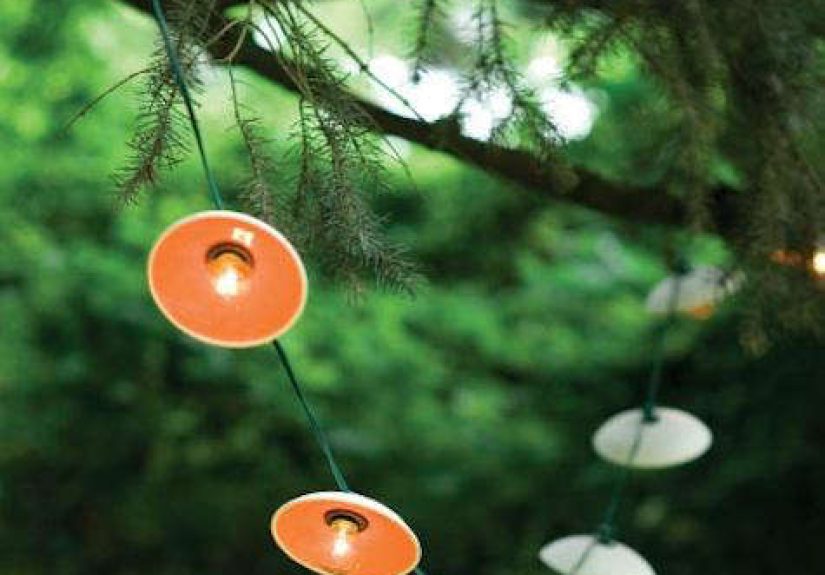
Disc string lights are decorative light strings where each bulb is paired with a flat or slightly domed “disc” shade. That disc can be ceramic/porcelain, metal, acrylic, silicone, or tinted glassdepending on the brand and style. The disc acts like a mini lampshade: it diffuses glare, spreads light more evenly, and gives you a softer, more intentional glow than exposed bulbs.
Disc vs. Globe vs. “Café” String Lights
- Disc string lights: softer diffusion, flatter profile, often more design-forward and modern.
- Globe/festoon/café lights: round bulbs, brighter points of light, more “classic patio” energy.
- Fairy lights: tiny pinpoints, whimsical sparkle, less functional illumination for dining/paths.
A design detail you’ll see in artisan-style disc sets: some use hand-made ceramic shades on an indoor/outdoor cord, with classic bulb spacing around a foot (12 inches). Certain well-known ceramic versions are described as an approximately 11-foot cord with 12-inch spacing, using small G40 bulbs and allowing limited end-to-end connection (for example, up to a few strands).
Why People Love Disc String Lights (Besides the Obvious “Pretty” Part)
They’re kinder to your eyeballs
Discs reduce direct glare. That means you can actually sit under the lights without squinting like you’re in a detective movie interrogation scene.
They look “finished” in daylight
Many disc sets look like decor even when they’re offespecially ceramic or tinted shades. In bright daylight, that matters more than people admit.
They work with multiple aesthetics
Minimalist? Go matte white or soft neutrals. Warm and boho? Try earthy tones or tinted shades. Modern industrial? Look for darker cords with clean, simple discs. Disc string lights adapt without fighting your furniture.
Where Disc String Lights Work Best
Patios, decks, and pergolas
Disc string lights are a favorite for outdoor dining because the diffusion creates an even glow across a table. You get “restaurant vibe” without the restaurant bill.
Balconies and small outdoor spaces
Discs are visually lighter than big globe bulbs, so they don’t overwhelm tight spaces. Bonus: they photograph well if you’re the type who believes dinner should be documented.
Bedrooms, dorm rooms, and reading corners
Indoors, the softer light reads as cozy instead of harsh. Disc lights can work as ambient lighting behind a headboard, around a mirror, or above a reading nook.
Parties and events
Disc string lights make sense for weddings, backyard parties, or pop-up dinners where you want “special” without hauling a truckload of equipment.
How to Choose Disc String Lights That Don’t Disappoint You Later
1) Decide what job they’re doing
- Ambience only: lower brightness, warmer color temperature, more diffusion.
- Functional glow (dining, pathways): brighter bulbs, tighter spacing, and better coverage.
- All-season outdoor lighting: prioritize outdoor ratings, durability, and safe power setup.
2) Pick your power source
- Plug-in: most reliable brightness and runtime; best for daily use.
- Solar: easiest for spaces without outlets, but brightness and runtime depend on sun exposure.
- Battery/USB: good for short-term styling (events, photo backdrops), less ideal for permanent setups.
3) Look for safety and outdoor suitability (not just cute product photos)
If the lights will live outdoors, check for clear labeling such as outdoor-rated, wet-location suitability, and recognized safety certification (UL/ETL). UL evaluates outdoor lighting products against safety requirements that include wet-location considerations for appropriate applications.
For plug-in setups outdoors, GFCI protection is a big deal. NFPA guidance emphasizes that outdoor receptacles require GFCI protectionimportant when you’re plugging in decorative lighting outside.
Also: extension cords are not magical permanent wiring. Safety guidance commonly warns against using the wrong cord outdoors, hiding cords under rugs, or daisy-chaining cords for long distancespractices that raise overheating and shock risks.
4) LED vs. incandescent: pick your personality (and your electric bill)
LEDs are usually the smarter choice for disc string lights, especially outdoors. They run cooler, last longer, and cost less to operate. ENERGY STAR notes that certified decorative light strings can use dramatically less energy than conventional incandescent strands (the program cites 92% less energy for certified decorative light strings).
Incandescent can still have a warm, classic glow, but it’s typically less efficient and creates more heatsomething you’ll notice when strings run for hours night after night.
5) Size, spacing, and “connectability” (aka: will this actually cover your space?)
Before you buy, measure the run and decide on the layout pattern (straight line, zig-zag, perimeter, or canopy). Pay attention to:
- Lighted length: the portion with bulbs, not just the total cord length.
- Bulb/disc spacing: tighter spacing = more even light, usually more “wow.”
- End-to-end connection: some sets can link together, but there’s usually a safe limit.
- Replacement bulbs/shades: check availability if you want a long-term setup.
6) Materials: choose based on reality, not fantasy
- Ceramic/porcelain discs: beautiful diffusion and premium feel; typically heavier and can be more fragile if knocked around.
- Acrylic/plastic: lightweight, often shatter-resistant; great for windy areas and households with energetic pets/kids (or energetic adults).
- Metal shades: crisp look, can feel modern; diffusion varies depending on design.
Installation: How to Hang Disc String Lights Without Creating a Future Headache
The number-one difference between a “dreamy backyard glow” and a “why is everything sagging and flickering?” setup is support. The most dependable installs use sturdy anchor points and, for longer spans, a guide wire (a tensioned cable) that carries the weight so the light cord isn’t doing the entire workout alone.
Step 1: Plan the layout like you mean it
- Sketch anchor points (house, posts, trees, pergola beams).
- Map where power comes from (outdoor outlet, GFCI, or solar panel placement).
- Decide your pattern: perimeter, zig-zag canopy, or a straight run.
Step 2: Install anchors (hooks, eye bolts, or mounting points)
Many DIY guides recommend hardware like eye bolts anchored into solid wood and placed level to support the run, especially when you’ll add a guide wire. Lowe’s, for example, describes drilling pilot holes and attaching eye bolts as part of a backyard string light installation approach.
Step 3: Use a guide wire for longer spans (your lights will thank you)
For wide stretches (house-to-garage, big patio canopy, or anything that would otherwise droop like a sad clothesline), a tensioned wire cable helps support the load and reduces strain in wind and weather. This approach is frequently recommended in DIY installation guidance for outdoor string lights.
Step 4: Hang the lights, then fine-tune the drape
- Attach the string to hooks or to the guide wire using zip ties/clips made for outdoor use.
- Keep plug connections off the ground when possible.
- Give the line a gentle, consistent sagintentional “bistro” curve, not “gravity won” curve.
Step 5: Make it safe and weather-smart
- Use outdoor-rated cords and avoid daisy-chaining multiple extension cords.
- Keep connections away from puddles, plan for water runoff, and avoid pinch points at doors/windows.
- Use timers or smart plugs rated for outdoor use so you’re not running lights 24/7 by accident.
Styling Ideas That Make Disc String Lights Look Designer (Not Accidental)
1) The “floating ceiling” canopy
Run parallel lines across a pergola or between posts. Disc shades create a smooth, even glow that reads upscale, especially over a dining table.
2) Frame the perimeter for clean architecture
Outline the edges of a balcony railing, fence line, or pergola beam. This works particularly well with minimalist discs in neutral colors.
3) Mix materials, keep the palette calm
If your space already has texture (wood slats, woven chairs, stone planters), discs in matte neutrals keep the look cohesive. Let the discs be the “soft glow” layer, not the “look at me!” layer.
4) Add height (because lighting looks better when it’s not at forehead level)
Use poles, planters with posts, or pergola beams to lift the lights up. You’ll get better distribution and fewer accidental face-to-disc encounters.
Care, Maintenance, and “Why Is One Section Dark?”
Cleaning
- Ceramic/porcelain discs: wipe with a soft damp cloth; avoid harsh abrasives.
- Acrylic/plastic: mild soap and water; avoid solvents that can cloud surfaces.
Replacing bulbs
Always confirm the bulb base and wattage requirements. Decorative strings may use smaller bases (like E12/candelabra) in some designs, while many patio “café” sets use larger bases (often E26). If you’re matching bulbs, don’t guess: check packaging or the manufacturer’s spec sheet.
Storage (if you take them down seasonally)
Coil loosely, keep discs from banging into each other, and store in a dry container. If your discs are ceramic and you treat them like loose change in a drawer, they will eventually respond with tiny chips and silent disappointment.
Real-World Experience: What You’ll Learn After Living With Disc String Lights (500+ Words)
People tend to buy disc string lights for the vibethen they keep them because of what happens in everyday use. Here’s what homeowners and renters commonly discover after the “new decor” excitement fades and the lights become part of normal life.
You’ll care more about diffusion than you think. In a product photo, almost any string light looks romantic. In real life, harsh glare can ruin a cozy seating area fast. Discs solve that problem in a way that feels subtle but significant. The light becomes background atmosphere rather than a series of bright dots screaming for attention. That’s why disc sets often feel calmerespecially when you’re sitting underneath them for a full dinner instead of walking past them for ten seconds.
Your install method decides your long-term happiness. The first week, a quick “hook it here and drape it there” setup can feel totally fine. Then wind happens. Or rain. Or that one friend who dramatically gestures during a story and high-fives your light cord with their forehead. Over time, people realize that a supported install (solid anchor points, plus a guide wire for longer spans) keeps everything looking intentional. When the weight is carried by a cable instead of the light cord, you get less sag, fewer stressed sockets, and fewer moments where you stare upward thinking, “Is that…lower than yesterday?”
“Outdoor-rated” is not a vibe, it’s a requirement. Plenty of folks try to use indoor sets outside “just for the weekend,” and then forget them there for a season. Weather is not sentimental; it will not cooperate because your patio looks cute. Real outdoor setups succeed because the cords, sockets, and connections are designed for moisture and temperature swingsand because power is handled safely. Once someone has dealt with a tripped GFCI in the middle of hosting, they tend to become very interested in proper ratings and dry, elevated plug connections.
Brightness feels different outdoors. Indoors, reflective walls help light bounce. Outdoors, darkness eats light for dinner. People often wish they’d chosen either tighter spacing or a slightly brighter set for dining areas. The sweet spot is usually “bright enough to see faces and food, soft enough to still feel warm.” Discs help here because they spread the light, so you’re less likely to get a spotlight effect on one person while everyone else looks like a silhouette in a mystery film.
Warm white wins most of the time. When you’re going for cozy, many people prefer a warmer tone over a crisp, cool white. Cool tones can look modern, but they can also read “security lighting” if the rest of your space is natural wood, plants, and textiles. Disc shades can mellow either choice, but warmer light tends to flatter skin, food, and everything you want to photograph.
Maintenance is mostly about being gentle. If your discs are ceramic or porcelain, you’ll learn the difference between “wipe” and “scrub.” Dust happens. Pollen happens. A soft cloth solves it. The bigger issue is accidental impactespecially on railings, near doors, or anywhere a chair gets dragged. In lived-in spaces, the most successful setups place the string line high enough that daily movement doesn’t constantly threaten it.
The best part is the habit you didn’t plan for: disc string lights change how people use their space. Many end up lingering longer outside, eating later dinners, or making “one drink on the patio” a regular thingbecause lighting makes the space feel finished. It’s not that the lights add square footage. They add permission. The area feels like a room, not a dark zone you pass through on the way back inside.
Conclusion: Disc String Lights Are Small Decor With Big Mood Energy
Disc string lights are one of the easiest upgrades that can make a space feel designed, warm, and genuinely inviting. Choose a set that matches your environment (especially outdoors), install it with real support, and style it with intention. Do that, and you’ll get that soft, diffused glow that makes everyday moments feel a little more special without having to renovate anything or learn a new personality trait.