Table of Contents >> Show >> Hide
- What Diathermy Is (and What It Isn’t)
- Types of Diathermy
- What a Therapeutic Diathermy Appointment Looks Like
- Benefits: What Diathermy Can Do Well
- Risks, Side Effects, and Who Should Avoid Diathermy
- Diathermy vs. Other Options: How It Fits Into a Plan
- Questions Worth Asking Before You Say Yes
- The Bottom Line
- Experiences With Diathermy: What It’s Often Like in the Real World (About )
Diathermy is one of those medical words that sounds like it belongs in a sci-fi movie (“Captain, the diathermy drive is overheating!”) but it’s actually a
long-standing therapy and surgical tool. In plain English, diathermy means using energy to create heat inside body tissues. The goal is usually to
ease pain, relax tight muscles, improve movement, or help a surgeon cut and control bleeding with precision.
Here’s the twist: the word diathermy gets used in two different worlds. In physical therapy, it typically refers to “deep heat”
treatments (shortwave, microwave, and sometimes therapeutic ultrasound). In surgery, people may say “diathermy” when they mean
electrosurgery (using electrical energy to cut or coagulate tissue). Same nickname, very different job description.
What Diathermy Is (and What It Isn’t)
Diathermy is not a hot pack, heating pad, or warm towel. Those warm the skin and shallow tissues first, and deeper tissues only warm up slowly. Diathermy is
designed to deliver energy that produces heat beneath the skin, reaching muscles, tendons, joint capsules, and other soft tissues more directly.
Think of it as “targeted internal warming,” not “toasty blanket vibes.” When used correctly, the heat is controlled and therapeutic. When used incorrectly
(or used on someone who shouldn’t receive it), it can cause burns or interfere with implanted medical devicesso screening and safety checks are a big deal.
Types of Diathermy
1) Shortwave Diathermy (SWD)
Shortwave diathermy uses electromagnetic energy (radiofrequency) to heat tissues. You’ll usually see it in rehab settings for muscle spasm,
joint stiffness, and certain chronic musculoskeletal painsoften as an add-on to exercise and stretching.
- Continuous SWD focuses on thermal effects (you typically feel gentle warmth).
- Pulsed SWD uses bursts of energy; it may be used to reduce heating while still aiming for tissue effects (often described as “mild warmth” or even “no heat”).
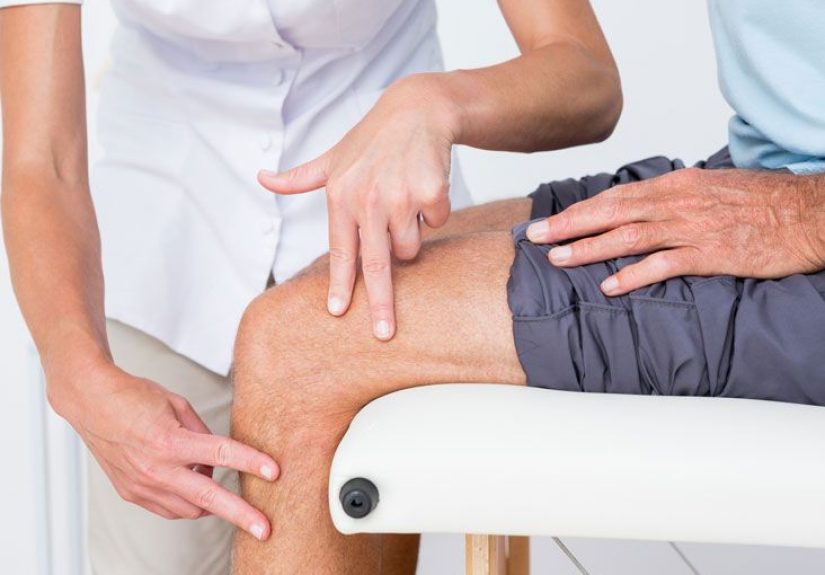
Clinically, SWD is often used to warm tissues before mobility work. Example: a person with a stiff knee from osteoarthritis may receive deep heat to help loosen
surrounding tissues, then follow with guided range-of-motion work and strengthening.
2) Microwave Diathermy (MWD)
Microwave diathermy also uses electromagnetic energy, but at different frequencies and with different tissue interactions. It can warm tissues,
but it’s used less often today in many clinics due to equipment availability and safety considerations (microwave energy can create “hot spots” more easily in
certain situations).
When it is used, the clinician carefully controls distance, angle, and intensitybecause tiny changes can matter. (Microwave energy is famously picky, which is
why your leftover pizza can be lava on one edge and refrigerator-cold on the other. Your therapist is trying to avoid that exact concept.)
3) Ultrasound Diathermy (Therapeutic Ultrasound)
Therapeutic ultrasound uses sound waves (not electromagnetic waves) and is often grouped with diathermy because it can create deep heating.
It’s commonly used in physical therapy clinics, especially for tendons, muscles, and scar tissue mobility worktypically alongside exercise and manual therapy.
The treatment head moves over gel on the skin. Some people feel mild warmth; others feel very little during the session. The key is that dosing and technique
matter: speed of movement, time, and intensity are adjusted to tissue depth and the goal (thermal vs. non-thermal effects).
4) Surgical Diathermy (Electrosurgery)
In the operating room, “diathermy” often refers to electrosurgeryusing high-frequency electrical current to cut tissue, coagulate (stop bleeding),
or both. You might hear terms like “cautery,” “bovie,” or “the pencil.”
- Monopolar electrosurgery: current goes from the active electrode through tissue and returns via a return electrode pad placed on the patient.
- Bipolar electrosurgery: current passes between two tips of a forceps-like instrument; it stays more localized and often reduces the need for a return electrode pad.
Electrosurgery is used across many procedures to reduce bleeding and improve efficiency. Like therapeutic diathermy, it comes with safety rulesespecially around
return electrode placement, metal implants, and preventing unintended burns.
What a Therapeutic Diathermy Appointment Looks Like
Most people don’t “book a diathermy appointment” as a standalone event. Instead, it’s typically one tool inside a broader physical therapy plan. A common flow
looks like this:
Step 1: Screening and safety check
The clinician should ask about your medical history and specifically screen for contraindicationsespecially implanted devices (pacemakers, ICDs, deep brain
stimulators, spinal cord stimulators), pregnancy, cancer treatment in the area, reduced sensation, or circulation problems. This step is not paperwork theater;
it’s the part that keeps you safe.
Step 2: Setup and removing metal
You’ll be positioned comfortably, and you may be asked to remove jewelry or metal near the treatment area. The clinician sets up electrodes/applicators so the
energy field is applied properly. Clothing and towels matter toowet fabric and certain materials can increase burn risk.
Step 3: Dosing and “tell me what you feel”
The clinician gradually increases intensity and asks for feedback. Many people feel a gentle, deep warmth. You should not feel sharp heat,
burning, or “uh-oh, this is too much” discomfort. If you do, you say so immediately. This is one of those times when being polite is overrated.
Step 4: Treatment time
Sessions vary, but a deep-heat modality often runs around 10 to 20 minutes depending on the goal, tissue area, and how your body responds. The clinician may
periodically check the skin and ask about sensation.
Step 5: Follow-up: stretching, exercise, or manual therapy
Diathermy is commonly used to make the next steps more effectivelike stretching a stiff shoulder, practicing knee mobility, or doing strengthening with less
pain and guarding. The heat is the “opening act,” not the whole concert.
Benefits: What Diathermy Can Do Well
When used appropriately, diathermy aims to deliver deep heat that can support rehab goals. Common potential benefits include:
- Muscle relaxation: warming tight muscles may reduce spasm and help you move more comfortably.
- Improved blood flow: heat can increase local circulation, which may support tissue flexibility and comfort.
- Reduced stiffness and improved range of motion: heat can improve tissue extensibility, making stretching and mobilization easier.
- Pain modulation: heat may reduce pain sensitivity and make activity more tolerable during rehab.
A practical example: someone with chronic neck tightness might use diathermy to reduce guarding before postural work and scapular strengthening. Another example:
a patient recovering from a knee injury might use deep heat to improve comfort and motion before guided strengthening.
One important reality check: diathermy is rarely the “main character” in recovery. Exercise therapy, activity modification, sleep, graded exposure, and condition-specific
strengthening usually drive long-term improvements. Diathermy can help you participate in those steps with less discomfortan underrated benefit if pain is blocking progress.
Risks, Side Effects, and Who Should Avoid Diathermy
Common risks (when not used correctly)
- Burns: the biggest risk in therapeutic diathermy is overheating tissue or creating hot spots, especially if sensation is reduced.
- Skin irritation: from applicators or contact materials.
- Worsening pain: if the tissue is already inflamed or the dose is too aggressive for your condition.
Major red flag: implanted electronic devices
If you have an implanted device (like a pacemaker, ICD, deep brain stimulator, spinal cord stimulator, or other neurostimulation system), diathermy can be
dangerous. Some device manufacturers and safety documents warn that diathermy energy may transfer through implanted systems and can cause tissue damage, severe
injury, or worse. This is why clinicians should screen carefully, and why you should proactively mention implants even if you think “it probably doesn’t matter.”
(It matters.)
Other common contraindications or precautions (varies by modality and body area)
- Pregnancy (especially over the abdomen/pelvis or low back, depending on clinical guidance).
- Active cancer in the treatment area or recent radiation therapy in that region (follow your oncology team’s guidance).
- Impaired sensation (neuropathy, spinal cord injury, etc.) where you may not feel overheating.
- Poor circulation or severe vascular disease in the area.
- Acute bleeding, clot risk, or active infection in/near the treatment region (depending on clinical judgement and goals).
- Metal in or near the field (jewelry, certain implants, or external metal objects), depending on the modality and location.
In surgery, electrosurgery has its own safety list: return electrode placement matters, wet surfaces can increase burn risk, and incorrect setup can lead to
alternate-site burns. Surgical teams follow detailed protocols for exactly these reasons.
Diathermy vs. Other Options: How It Fits Into a Plan
If your goal is pain relief and easier movement, diathermy isn’t the only tool on the menu. Depending on your condition, a clinician might recommend:
- Superficial heat (hot packs) for comfort and mild stiffness.
- Therapeutic ultrasound if tissue depth and targeting make sense.
- TENS (electrical nerve stimulation) for pain modulation in select cases.
- Manual therapy and mobility exercises for short-term improvements in motion and symptoms.
- Progressive strengthening and graded activity for lasting functional improvements.
The best choice depends on your diagnosis, goals, medical history, and what you can safely tolerate. Deep heat can be helpfulbut the “best” treatment is the one
that lets you consistently do the rehab work that actually changes capacity over time.
Questions Worth Asking Before You Say Yes
- Which type of diathermy are you usingshortwave, microwave, or ultrasound?
- What’s the goal for mepain reduction, stiffness, muscle spasm, or prepping for stretching?
- What should I feel during treatment, and what sensations mean “stop right now”?
- Do any of my devices, implants, or health conditions make this unsafe?
- What are we doing after diathermy so the session translates into better function?
The Bottom Line
Diathermy is a legitimate, widely recognized method of delivering deep heateither in rehab (shortwave, microwave, therapeutic ultrasound) or in surgery
(electrosurgery for cutting/coagulation). When used carefully and for the right person, it can reduce stiffness, relax muscle, improve circulation, and help
you move betterespecially when paired with exercise and mobility work.
The most important takeaway isn’t “diathermy is amazing” or “diathermy is useless.” It’s this: diathermy is a tool, and like any powerful tool,
it’s helpful when matched to the right job and risky when used in the wrong situationparticularly for anyone with implanted electronic devices.
Experiences With Diathermy: What It’s Often Like in the Real World (About )
If you ask ten people what diathermy felt like, you’ll get eleven answers (because at least one person will describe it as “like a warm ghost hugged my shoulder,”
and honestly… fair). Most patients describe therapeutic diathermy as a slow, comfortable warmth that seems to come from inside the muscle rather than
from the skin. Some feel it quickly; others barely notice it until the therapist says, “Okay, stand up,” and suddenly everything feels a little looser.
One common first-session surprise is that the therapist may keep asking questions: “How does that feel?” “Warm? Too warm?” “Any tingling?” It can feel like
you’re being quizzed, but it’s actually part of the safety system. Deep heat is dose-dependent, and your feedback is a measurement tool.
In many clinics, the goal is “pleasant warmth,” not “rotisserie chicken.”
People often notice the best results after the modalitywhen it’s paired with stretching or movement. For example, someone with a stiff knee might
feel only mild warmth during the session, but then find that bending the knee is smoother during exercises immediately afterward. That’s why many therapists schedule
diathermy early in the visit: it can reduce guarding and make movement training feel less threatening.
Another real-world theme: diathermy can be emotionally reassuring. Chronic pain can make people feel like their body is “stuck.” A warm, relaxing modality can be a
gentle on-ramp back into movement. It doesn’t “fix” the underlying cause by itself, but it may help someone tolerate the work that doesespecially when fear of pain
has become part of the problem.
From a clinician’s perspective, the most memorable “experience” is often the safety screening. Therapists get very direct about implants because the consequences can be
serious. Patients sometimes forget to mention devices (“It’s just a pacemakertotally normal!”), or they assume a device only matters in surgery. In reality, electromagnetic
modalities can interact with implanted systems, and the safest approach is simple: say it out loud, every time, even if you’ve mentioned it before.
Practical tips patients frequently share: wear easy-to-adjust clothing, remove jewelry ahead of time, and speak up early if anything feels sharp, hot, or “wrong.”
Most therapists would much rather dial down settings than apologize to your skin later. And if you leave the session thinking, “That felt nice… but subtle,”
you’re not alone. Diathermy is often a quiet helperits real value shows up when you move better afterward.