Table of Contents >> Show >> Hide
- Why Good Deck Design Starts With Real Life
- Popular Deck Layouts That Work in Real Homes
- Choosing Materials: Wood vs. Composite
- Deck Design Ideas That Make a Big Difference
- Common Deck Design Mistakes to Avoid
- Specific Deck Ideas for Different Homes
- How to Choose the Right Deck Design for Your Home
- Conclusion
- Experiences and Lessons From Living With a Deck
- SEO Tags
A great deck is basically a backyard promotion. One day you have “the area behind the house.” The next day you have an outdoor lounge, a dinner spot, a quiet coffee corner, and the unofficial headquarters for every summer hangout. That is the magic of smart deck design: it turns empty square footage into useful living space.
If you are searching for deck designs and ideas, the trick is not to start with color samples and dreamy throw pillowstempting though that is. Start with function. The best decks look good because they work well. They fit the home, handle the weather, support the way people move, and make outdoor time feel easy instead of awkward. No one wants to squeeze around a grill like they are playing backyard Tetris.
This guide breaks down practical deck ideas, popular layouts, material choices, style upgrades, and common mistakes to avoid. Whether you want a small deck for two chairs and a peaceful morning, or a multi-level outdoor living space with room for dinner, lounging, and a little dramatic sunset staring, you will find ideas here that actually make sense.
Why Good Deck Design Starts With Real Life
The most successful deck designs begin with one simple question: How will you actually use the space? Not in your fantasy life where you host twelve elegant people every Friday night while serving grilled peaches. In your real life.
If your deck will be used for outdoor dining, it should be close to the kitchen and large enough for chairs to pull out without starting a minor traffic dispute. If the goal is relaxing, you may want a quieter corner, more privacy, softer lighting, and comfortable seating that does not feel like punishment. If you love entertaining, your layout should support movement between the grill, serving area, and seating zones.
Thinking about use also helps determine location. An attached deck can feel like a natural extension of the house, especially when it lines up with a family room or kitchen. A freestanding or floating deck can work beautifully in another part of the yard if your goal is to create a retreat. Sloped yards often benefit from elevated or multi-level decks, which turn tricky terrain into a design opportunity instead of a landscaping headache.
Popular Deck Layouts That Work in Real Homes
Ground-Level Decks
Ground-level decks are simple, approachable, and often ideal for small backyards or homes where you want a seamless step-out experience. They can feel casual and welcoming, especially when softened with planters, wide steps, and outdoor rugs. These decks are excellent for creating a patio-like vibe with the warmth of decking boards.
Wraparound Decks
A wraparound deck gives a house instant charm and extra function. It expands usable space, creates multiple access points, and offers room for different activities without forcing everything into one rectangle. This layout works especially well on traditional homes, farmhouses, and houses with generous side yards.
Multi-Level Decks
Multi-level deck designs are popular for a reason: they naturally create zones. One level can hold the dining table, another can be dedicated to lounging, and a lower level can connect to a fire pit, garden, or pool area. The result feels dynamic, intentional, and far more interesting than one giant flat platform that tries to do everything at once.
Small-Space Decks
Small deck ideas are proof that square footage is not destiny. A compact deck can still feel polished and useful when you scale furniture properly, use vertical space, and keep the layout focused. A slim bench, a bistro table, railing planters, and a couple of well-chosen accessories can make a small deck feel cozy instead of cramped.
Pool and Hot Tub Decks
Decks around pools and spas should balance comfort, safety, and durability. Wide pathways, slip-conscious surfaces, built-in seating, and storage for towels or accessories all help. This type of deck often benefits from a resort-like approach: keep circulation easy, avoid clutter, and make sure the layout feels open and relaxed.
Choosing Materials: Wood vs. Composite
Material choice shapes both the look and the long-term personality of a deck. Wood decks offer a classic, natural appearance and can be stained in a wide range of tones. Pressure-treated lumber remains common because it is practical and relatively budget-friendly. Cedar and redwood can offer a richer look, but they also come with a different maintenance rhythm.
Composite decking has become a favorite for homeowners who want less upkeep and more consistency. It comes in a broad range of colors and wood-look finishes, and many products are designed to resist fading, staining, and splintering better than traditional wood. In plain English: less sanding, less staining, less “Well, there goes my Saturday.”
For many homeowners, the best choice comes down to priorities. If you love the character of real wood and do not mind maintenance, wood may be the winner. If you want a cleaner routine and a more predictable finish over time, composite decking is often the smarter move.
Deck Design Ideas That Make a Big Difference
Create Zones Like an Outdoor Room
One of the best deck ideas is to stop treating the deck like one big blank slab. Divide it into zones the same way you would inside a home. Create a dining area, a lounge area, and maybe even a reading nook or cocktail corner. Rugs, planters, lighting, and furniture placement can define each zone without needing walls.
Add Built-In Seating
Built-in benches can make a deck feel custom and efficient. They define the perimeter, save space, and reduce the need for too much loose furniture. Add cushions and throw pillows, and suddenly your deck feels less like “outside chairs” and more like a real living room that happens to have better air.
Use Shade Strategically
Pergolas, roof extensions, retractable canopies, umbrellas, and outdoor drapery all add comfort and style. Shade is not just a luxury. It is often the difference between a deck people use every weekend and a deck people avoid between 11 a.m. and sunset. If your yard gets intense afternoon sun, plan for overhead protection from the beginning.
Choose Railings Carefully
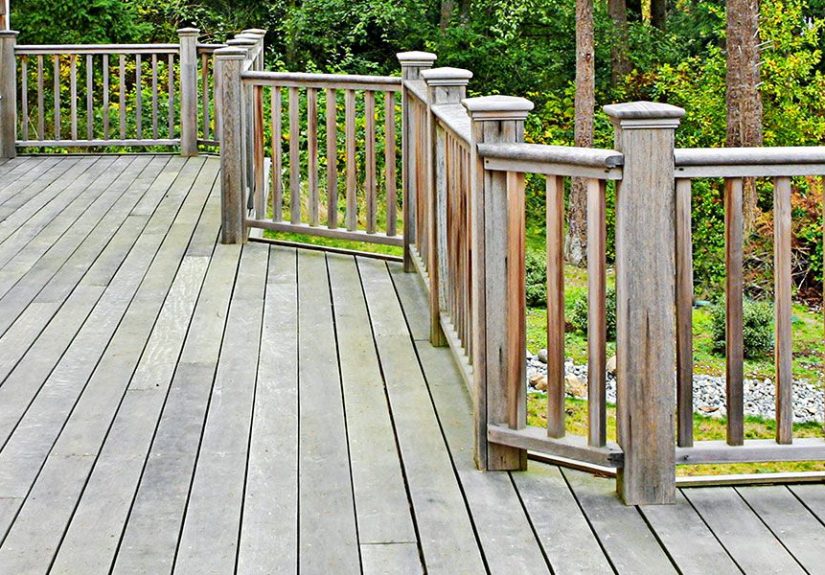
Railings are both functional and visual. Wood railings feel classic. Metal railings can look modern. Cable or hog-wire styles can preserve a view. Glass can feel sleek and open, though it may require more cleaning than some homeowners expect. Think of the railing as architecture, not an afterthought.
Upgrade the Floor Pattern
Simple deck boards still work beautifully, but patterns add personality. Picture-frame borders, diagonal layouts, two-tone edging, and even herringbone-inspired sections can make a deck feel far more intentional. These details are especially useful when you want a basic footprint to feel more custom.
Layer in Lighting
Good deck lighting extends the life of the space. Post cap lights, stair lights, railing lights, overhead fixtures, lanterns, and subtle accent lighting all help create ambiance and improve safety. The right lighting can make a deck feel magical. The wrong lighting can make it feel like a parking lot. Aim for warm, layered, and useful.
Bring in Plants and Privacy
Decks feel better when they are softened. Large planters, climbing greenery, privacy screens, lattice panels, and potted herbs can all make the space feel more finished. Plants also help break up hard edges and create a stronger connection between the deck and the surrounding yard.
Think About Accessories With Purpose
A bar cart, storage bench, outdoor rug, fire table, or compact potting station can give your deck personality without overwhelming it. The best deck decor ideas are not random. They support how you live: entertaining, reading, grilling, gardening, or simply enjoying your iced coffee like it is a competitive sport.
Common Deck Design Mistakes to Avoid
Making it too small: One of the most common regrets is building a deck that technically fits furniture but does not leave enough room for people to move comfortably.
Ignoring the sun: A deck with no shade in a hot climate can become a decorative frying pan.
Forgetting traffic flow: Grill placement, stair location, and access to the yard matter more than people think.
Choosing style over comfort: Gorgeous furniture that is uncomfortable will not magically become better because it matches the planters.
Skipping storage: Cushions, tools, toys, and accessories need a home. Otherwise, your stylish deck slowly turns into an outdoor lost-and-found bin.
Not checking codes and permits: Before building, review local requirements, setbacks, safety rules, and utilities. It is not glamorous, but it is dramatically less stressful than fixing a noncompliant deck later.
Specific Deck Ideas for Different Homes
For a Family Backyard
Try a rectangular deck with a dining table near the door, a lounge zone at the far end, built-in bench seating on one side, and stairs wide enough to connect naturally to the lawn. Add lighting along the steps and a pergola over the dining area.
For a Narrow Side or Rear Yard
Use a long, linear layout with slim furniture, vertical planters, and a bench built into the railing line. Keep the color palette light and cohesive so the deck feels open rather than crowded.
For a Sloped Lot
Consider a tiered deck with an upper entertaining level and a lower lounge area. Connect the two with wide stairs that can double as casual seating. This creates flow and makes the yard feel intentional instead of fragmented.
For a Modern Home
Lean into clean lines, darker decking tones, simple metal railings, low-profile furniture, and integrated lighting. A modern deck looks best when restraint does the heavy lifting.
For a Cottage or Traditional Home
Use warm wood tones, painted details, lattice screens, soft textiles, and layered planting. The goal is charm, comfort, and the sense that someone might bring out lemonade and a pie at any second.
How to Choose the Right Deck Design for Your Home
When choosing among deck designs and ideas, use this simple framework:
- Function: dining, lounging, entertaining, cooking, or all of the above
- Location: attached, detached, elevated, or poolside
- Material: wood, composite, or a mix of finishes
- Comfort: shade, privacy, seating, and lighting
- Style: modern, rustic, coastal, farmhouse, classic, or transitional
- Maintenance: how much upkeep you are actually willing to do
The best deck is not necessarily the biggest or the fanciest. It is the one that makes your home more livable and your yard more inviting. In other words, a deck should earn its keep.
Conclusion
Deck design is part architecture, part lifestyle planning, and part common sense in outdoor shoes. The most successful decks balance beauty with usability. They fit the house, handle the climate, support everyday routines, and give people a reason to step outside more often.
Whether you love the timeless appeal of wood decking, the low-maintenance convenience of composite boards, or the layered look of a multi-level outdoor living space, there is no shortage of smart deck ideas to explore. Focus on layout first, comfort second, and style thirdand you will end up with a deck that looks impressive and actually gets used.
Because that is the real goal. Not just a beautiful deck. A beloved one.
Experiences and Lessons From Living With a Deck
Ask people who have actually lived with a deck for a season or two, and you start hearing the same truths. First, everyone thinks they need more furniture than they really do. Then the deck gets crowded, chairs bump into each other, and suddenly nobody can walk from the door to the grill without doing a polite little side shuffle. The better experience usually comes from fewer, better pieces with enough breathing room around them.
Another common lesson is that shade matters more than expected. A deck may look perfect in spring photos, but after one hot summer afternoon, homeowners quickly realize that sunlight is wonderful right up until it feels personal. That is why pergolas, umbrellas, and covered sections become so appreciated over time. People do not just want a pretty deck. They want a deck they can use at 2 p.m. without melting into the cushions.
Homeowners also learn that traffic flow is everything. The most loved decks tend to have a natural path: out the door, toward the table, around the seating, down the stairs, over to the yard. When that path works, the whole deck feels relaxing. When it does not, even a beautiful design can feel clumsy. One badly placed grill or oversized sectional can turn a polished space into an obstacle course with throw pillows.
Then there is the emotional side of a deck, which people rarely talk about during the planning stage. A good deck changes how a home feels. Families eat outside more often. Kids sprawl out with snacks and games. Friends stay later because the lighting is warm and the seating is comfortable. Morning coffee becomes a ritual. Even five quiet minutes outside starts to feel like a tiny vacation. That is the part no sample board can fully explain.
Many people also discover that privacy is more important than they first imagined. A deck can be beautifully furnished, but if it feels too exposed to neighbors, it may never become the cozy retreat they wanted. Planters, screens, lattice, curtains, and tall container gardens often end up being the design heroes of the whole project. They soften the space and make it feel protected without boxing it in.
Maintenance brings its own lessons too. Wood decks have a warmth people love, but they ask for attention over time. Composite decks simplify the routine, which many busy homeowners appreciate after a few years of real-life weather. Neither is universally right; the best choice depends on whether you enjoy seasonal upkeep or would rather spend that time actually relaxing on the deck with something cold in your hand.
Perhaps the biggest takeaway is this: the best deck experiences come from intentional decisions, not from cramming in every trend. Homeowners are happiest when the design reflects how they truly live. A small, well-planned deck with great lighting, shade, and comfortable seating will often outperform a giant showpiece that feels awkward and underused. In the end, the deck people love most is the one that quietly becomes part of their everyday life.