Table of Contents >> Show >> Hide
- What You’ll Learn
- Why a Lampshade Makeover Beats Buying New
- Before You DIY: Safety + Shade Reality Check
- Prep Like a Pro (Without Turning It Into a Whole Thing)
- Method 1: Re-Cover a Lampshade With Fabric (The Classic Glow-Up)
- Method 2: Paint It (Yes, Even Fabric)
- Method 3: Paper, Decoupage, and “Pretty Surface” Tricks
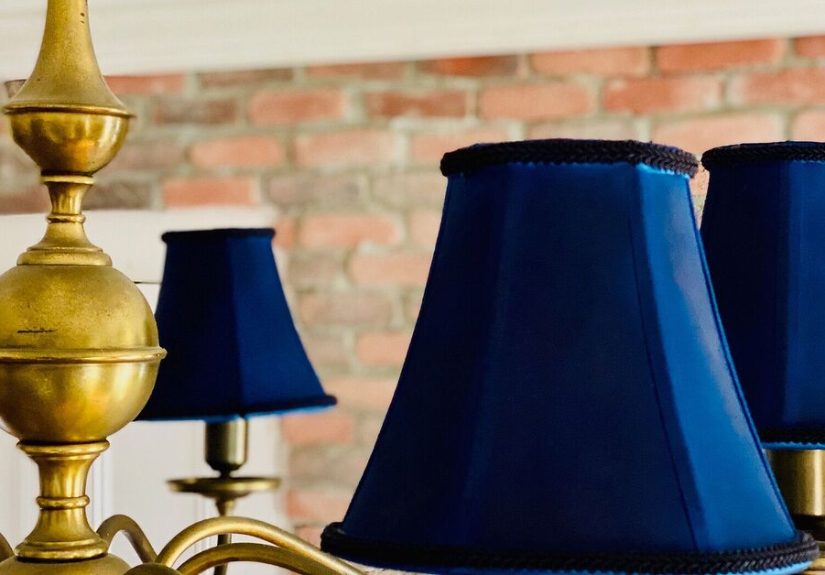
- Method 4: Trim, Fringe, and Elevated Details
- Method 5: Texture Experiments (Yarn, Vinyl, Feathers, and More)
- Make It Look Expensive: Designer-ish Rules That Work
- Troubleshooting: Fix the 7 Most Common Lampshade DIY Oops
- Care + Cleaning: Keep Your Shade Looking Fresh
- Wrap-Up: Your Lamp, But Cooler
- DIY Diary: Real-Life Lampshade Revamp Experiences ()
A lampshade is basically a hat for your lightbulb. And just like hats, lampshades can be iconic… or
they can look like they’ve survived three moves, one questionable DIY phase, and a dust bunny uprising.
The good news: you don’t need a brand-new lamp to get that “designer corner” glow. You just need a plan,
a little patience, and the confidence to say, “Yes, I meant to add fringe.”
In this guide, you’ll learn multiple ways to revamp lampshadesfabric re-covers, paint jobs, trim upgrades,
texture tricks, and rescue strategies for common mistakes. The goal: a shade that looks intentionally stylish,
not “I tried my best at 1:00 a.m. and now we live with it.”
Why a Lampshade Makeover Beats Buying New
Revamping lampshades is one of the highest-impact, lowest-drama home upgrades you can do. A shade controls
not just style, but the feel of the lightwarm, cool, cozy, crisp, “I can finally read this label,” etc.
- It’s budget-friendly: Fabric, paint, or trim usually costs less than a replacement shadeespecially for custom sizes.
- It’s low-commitment: If you hate it, you can redo it. Lampshades are forgiving like that. Unlike bangs.
- It’s sustainable: A makeover keeps perfectly usable frames out of the trash.
- It’s style-flexible: One base can become modern, vintage, coastal, maximalist, or “quiet luxury” with the right shade.
Before You DIY: Safety + Shade Reality Check
1) Heat is real. Respect it.
A lampshade sits close to a heat source. So your first “craft supply” is actually common sense.
Check your lamp for a maximum bulb rating label, and don’t exceed it. If you’re revamping a shade with
adhesives, fabric, paper, or trim, using an LED bulb (lower heat) is the easiest safety upgrade.
2) Identify what you’re working with
Different shade materials behave differently:
- Hardback fabric shades (drum or empire) are the easiest to wrap neatly.
- Pleated shades can be gorgeous but show mistakes fastchoose light colors and gentle techniques.
- Paper shades are lightweight and pretty, but they don’t love moisture or heavy paint.
- Plastic/vinyl shades may need specialty paint and careful bulb choice to avoid warping.
- Metal shades can handle paint well, but they reflect light differently and may show brush marks.
3) Decide: refresh, re-cover, or rebuild
Quick decision guide:
- Refresh if it’s just dusty, yellowed, or slightly dated (cleaning + new trim works wonders).
- Re-cover if the shape is great but the fabric is ugly, stained, or “mystery beige.”
- Rebuild/replace if the frame is bent, the lining is crumbling, or the shade wobbles like it’s haunted.
Prep Like a Pro (Without Turning It Into a Whole Thing)
Step A: Measure so you don’t create a “tiny hat” situation
Write down: top diameter, bottom diameter, height, and (if tapered) the slant. If you’re unsure what size fits,
measuring your lamp base and socket height helps you choose a shade that looks balancednot top-heavy or oddly short.
Step B: Clean first (yes, even if you’re “covering it anyway”)
Dust and oils can mess with adhesive and paint. Start with a lint roller or soft brush for fabric shades. For deeper
cleaning on sturdy fabric shades, gentle soap and water can workbut avoid soaking paper shades, and always let the shade
dry completely before crafting.
Step C: Gather supplies you’ll actually use
- Lint roller or microfiber cloth
- Scissors + ruler + measuring tape
- Painter’s tape (for crisp edges)
- Spray adhesive or fabric glue (for re-covers)
- Hot glue gun (for trim onlyuse carefully)
- Foam brush or soft paintbrush (if painting)
- Trim: ribbon, grosgrain, bias tape, fringe, pom-pom trim, or cord
- Drop cloth + gloves + ventilation (especially for spray paint)
Method 1: Re-Cover a Lampshade With Fabric (The Classic Glow-Up)
If you want the biggest transformation with the most “wow, where did you buy that?” energy, re-covering is it.
This works best on hardback shades (drum shades are the friendliest; tapered shades just require a template).
Choose fabric that behaves
Aim for lightweight to medium-weight fabric that wraps smoothly. Linen, cotton, canvas, and quilting cotton are great.
Avoid anything too stretchy, overly thick, or heavily textured until you’ve done one shade successfully.
Step 1: Make a template (especially for tapered shades)
- Wrap craft paper (or newspaper) around the shade.
- Trace the top and bottom edges to capture the taper.
- Mark where the seam starts/ends so your fabric aligns neatly.
- Cut out the paper template and test-fit it around the shade.
Step 2: Cut the fabric with a little breathing room
Cut using your template, adding about 1/2 inch to 1 inch on the top and bottom so you can wrap the edges inward for a clean finish.
If your fabric has a pattern, decide where the “center” should land (so you don’t end up with half a giant flower awkwardly hiding at the back).
Step 3: Attach the fabric smoothly
- Start at the original seam line (or pick a “back” side).
- Apply adhesive to the shade or fabric back (follow product directions).
- Lay the fabric down slowly, smoothing outward with your hands to avoid bubbles.
- Keep tension evenfirm, but not “stretch it like pizza dough.”
Step 4: Finish the edges like you bought it that way
Fold the extra fabric inside the top and bottom rings. Use fabric glue for a clean finish. If the inside looks messy,
hide the raw edge with bias tape or ribbon along the inner rim.
Style variations that look custom
- The scarf wrap: Use a thrifted scarf for pattern and softnessespecially fun for eclectic or maximalist rooms.
- The pleated look: Create small pleats around the top and bottom for a tailored, designer vibe.
- Contrast edging: Add a thin black ribbon edge to a neutral linen shade for instant “boutique hotel.”
Method 2: Paint It (Yes, Even Fabric)
Painting a lampshade is the fast lane to a modern refresh. Done right, it looks crisp and intentional. Done wrong,
it looks… crunchy. Let’s keep it in the “chic” lane.
Pick the right paint
- Spray paint works well for solid colors (especially on hardback shades).
- Water-based acrylic can work on fabric shades if applied thoughtfully (thin layers, soft brush).
- Fabric paint is designed to flex with fabric and handle the heat better than some basic paints.
Prep for paint (don’t skip this)
- Dust thoroughly (lint roller = your best friend).
- Mask areas you don’t want painted (interior lining, metal rings, trim).
- Test paint on a hidden spot firstsome shades absorb paint unpredictably.
How to spray paint a lampshade without the “spotty cheetah” effect
- Work outdoors or in a very well-ventilated area.
- Hold the can 8–12 inches away and use light, even passes.
- Rotate the shade as you spray; don’t stand still and blast one spot.
- Build color gradually with multiple thin coats.
Paint patterns that are easier than they look
- Ombre fade: Start darker at the bottom, lighter as you move up (spray lightly and step back often).
- Two-tone dip: Tape a straight line and paint the bottom third for a modern look.
- Loose stripes: Use painter’s tape, but seal the edge by brushing on a tiny amount of base color first to prevent bleed.
- Stenciled motif: Keep it minimalsmall repeated shapes read more expensive than giant bold graphics.
Method 3: Paper, Decoupage, and “Pretty Surface” Tricks
Paper-based makeovers are perfect when you want pattern without sewing. They also shine on simple drum shades.
The key is choosing materials that won’t sag, wrinkle, or look like a middle-school poster project.
Wallpaper and peel-and-stick paper
Peel-and-stick wallpaper is basically a lampshade cheat code: instant pattern, clean edges, and no drying time.
Use a smoothing tool (or a credit card) to press out bubbles as you go. Overlap seams on the “back” side.
Decoupage with napkins or thin paper
Decorative napkins can create a soft, painted-on look. Use a thin layer of decoupage medium, and work in sections.
If the paper wrinkles, don’t panicsome textures look intentionally vintage when lit.
Pro tip: pattern scale matters
Small shades do best with small patterns. Oversized patterns can look chopped up and chaotic (unless that’s your goal,
in which case: live your truth).
Method 4: Trim, Fringe, and Elevated Details
If your shade is fine but boring, trim is the fastest upgrade. It’s the equivalent of adding earrings to a basic outfit.
Trim ideas that instantly look intentional
- Grosgrain ribbon: Clean, classic, and hides edges beautifully.
- Pom-pom trim: Playful and great for kids’ rooms or boho spaces.
- Fringe: Vintage glam, modern boho, or full-on maximalist dramadepending on length.
- Decorative cord: Adds structure and a tailored finish (especially at top and bottom rims).
How to attach trim neatly
- Start at the seam/back so your join is hidden.
- Use small dots of hot glue rather than a thick snake of glue (less mess, fewer lumps).
- Press trim in place as you go, keeping tension even.
- At the end, overlap slightly and cut cleanly for a finished seam.
Want a designer look? Add trim to both the top and bottom edges, or use a contrast color (black trim on a natural linen shade is a classic).
Method 5: Texture Experiments (Yarn, Vinyl, Feathers, and More)
Texture is how you make a lamp feel “collected” rather than “came with the apartment.” These upgrades are fun,
but they also reward patience. Put on a playlist and accept that your hands will be doing tiny repetitive motions for a while.
Yarn wrap (cozy and customizable)
Wrap yarn around a shade for a warm, handmade look. Mix colors for a striped effect, or use one neutral yarn for a modern minimalist texture.
Keep wraps tight and consistent, and secure the start/end with glue on the inside.
Vinyl stripes (crisp, modern, and surprisingly easy)
Thin vinyl strips can create super clean stripes without paint bleed. Plan spacing with a ruler and mark light guidelines first.
Feathered or fluffy accents (statement territory)
If you want a lampshade that looks like it belongs in a stylish boutique hotel (or a very glamorous bird’s nest),
feather trims can add instant drama. Keep the rest of the room calmer so the shade gets to be the main character.
Woven and natural materials (rattan vibes)
Natural textures like rattan can look gorgeous, especially in coastal, boho, or earthy interiors. Just keep heat in mind,
use LED bulbs, and make sure the shade has space for airflow.
Make It Look Expensive: Designer-ish Rules That Work
- Commit to one “hero” detail: bold pattern or fringe or bright color. Too many stars and the lamp becomes a talent show.
- Mind the seam: Put it in the back, and align patterns so the front looks continuous.
- Choose a finish on purpose: matte paint reads modern; linen reads timeless; glossy reads glam.
- Repeat something from the room: pull a color from your rug, curtains, or artwork to make the lamp feel “planned.”
- Upgrade the bulb too: the right color temperature makes your shade look better instantly.
Troubleshooting: Fix the 7 Most Common Lampshade DIY Oops
1) Bubbles or wrinkles under fabric
Gently lift the fabric back (if adhesive allows), smooth outward, and re-press. For tiny bubbles, a pinprick can release trapped airthen smooth again.
2) Crooked seam
Add a vertical trim strip over the seam. Congratulations: it’s now a “design feature.”
3) Glue seeped through fabric
Let it fully dry first. Then try dabbing gently with a barely damp cloth (test in a hidden spot). If it’s still visible, add trim or a stencil pattern to camouflage.
4) Paint looks blotchy on fabric
You likely applied too much in one area. Lightly sand on hardback shades (if appropriate), or add another thin, even coat to unify the finish.
5) The shade got too dark and now the lamp feels dim
Add a light interior lining, switch to a brighter LED (within lamp rating), or choose a lighter fabric next time. Dark shades create mood lightinggreat for ambience, less great for reading tiny print.
6) Trim won’t stick evenly
Use smaller glue dots and press in short sections. If it’s wavy, remove and reapplyhot glue forgives you as long as you move quickly.
7) You can smell “new craft” when the lamp is on
Turn it off and let everything cure longer (paint and adhesives need time). Use low-heat LED bulbs and ensure good airflow. If the smell persists, remove the shade and reassess materials.
Care + Cleaning: Keep Your Shade Looking Fresh
Lampshades collect dust like it’s their part-time job. A lint roller is quick and gentle for many fabric and pleated shades.
For routine care, dust weekly (or at least whenever you notice the shade looking dull when the light is off).
- Fabric shades: lint roller, soft brush, or upholstery vacuum attachment.
- Pleated shades: soft paintbrush gets into the folds.
- Paper shades: dry microfiber onlyavoid moisture.
- Painted shades: dust gently; avoid harsh cleaners that can dull the finish.
Wrap-Up: Your Lamp, But Cooler
Revamping lampshades is one of those projects that feels suspiciously satisfying: small effort, big visual payoff.
Whether you re-cover with crisp linen, paint a modern two-tone, add swishy fringe, or go full texture-experiment,
the best result is the one that fits your space and makes you smile when you flip the switch.
Start simple if you’re new, keep safety in mind, and remember: if something goes sideways, trim exists.
Trim is the duct tape of chic.
DIY Diary: Real-Life Lampshade Revamp Experiences ()
Let’s talk about what the process actually feels likebecause the internet loves a perfect “after” photo,
but real lampshade makeovers are usually a mix of triumph, mild confusion, and at least one moment where you hold a shade
at arm’s length and whisper, “Be honest… is this good?”
One of the most common first-time experiences is the thrift-store drum shade win. You find a shade with a solid frame,
but the fabric is dated. The exciting part is choosing new fabric; the surprising part is realizing patterns have opinions.
A bold print can look amazinguntil the seam lands right through the face of a bird, a giant flower, or a geometric motif that now resembles
a crooked traffic sign. The lesson most DIYers learn quickly: before gluing anything, wrap the fabric around the shade dry and rotate it until the
front looks balanced. This tiny “preview step” feels boring, but it prevents the classic regret of having the best part of your pattern hiding behind the lamp.
Another very real experience is the spray paint confidence arc. The first mist coat looks too light and you think,
“This isn’t working.” Then you spray more, faster, closer, and suddenly the shade is wet, blotchy, and developing freckles.
The fix is almost always the same: step back, let it dry, and return with gentle, thin coats. A painted shade usually looks best when you build
color slowly, like you’re sneaking up on the perfect finish rather than trying to reach it in one dramatic blast.
Then there’s the trim obsession. You start with “just a little ribbon edge,” and ten minutes later you’re auditioning fringe,
pom-poms, cord trim, and something labeled “gimp braid” that sounds like a medieval insult but looks shockingly elegant.
People often discover that trim is the easiest way to hide imperfect edges and make the shade feel finished. It also teaches a sneaky design truth:
a basic shade with a crisp edge detail can look more expensive than a complicated shade that’s slightly messy.
Many DIYers also report the lighting surprise: the shade looks one way in daylight and completely different when lit. A fabric that looks
warm white in the afternoon may glow yellow at night, and a dark color can make the room moodier than expected. The best habit is to test your materials
with the bulb you’ll actually use. Pop the shade on the lamp (even temporarily), turn it on, and see how the color reads. It’s the difference between
“cozy boutique” and “why does my living room feel like a moody jazz club?”
Finally, the most universal experience is the second-shade confidence boost. The first one takes timemeasuring, smoothing, redoing a seam,
learning how glue behaves. The second one is faster and cleaner because you understand the rhythm: start at the seam, smooth outward, keep edges tidy,
and finish with trim if needed. The takeaway: your first lampshade revamp is partly a makeover and partly a skill-build. By the second try, you’re not
just craftingyou’re styling. And that’s when lampshades stop being “a thing you have” and start being “a thing you designed.”