Table of Contents >> Show >> Hide
- What Joann’s Bankruptcy Really Means
- Why Joann Landed in Bankruptcy Again
- From Bankruptcy Filing to Store Closures
- Why This Bankruptcy Matters Beyond Joann
- What Customers, Workers, and Communities Lose
- The Retail Lesson Hidden in the Fabric Bin
- Conclusion
- Experiences Related to the Joann Bankruptcy Story
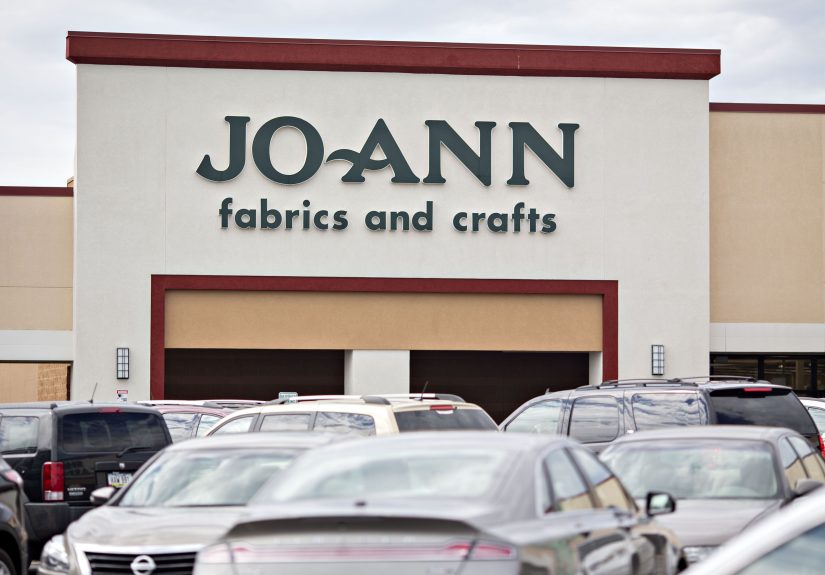
For generations of American crafters, walking into Joann felt a bit like entering a fabric-scented wonderland. You went in for one spool of thread and somehow emerged with felt sheets, a rotary cutter, seasonal ribbon, two yards of cotton you absolutely did not plan to buy, and the sneaky suspicion that your next weekend had just been assigned a sewing project. That is exactly why the news that crafts and fabrics retailer Joann filed for bankruptcy hit so many shoppers right in the glue gun.
But this story is not just about a beloved craft chain struggling in a difficult economy. It is also a case study in how modern retail can unravel when debt, inventory problems, changing shopping habits, and a post-pandemic reality all pull on the same loose thread at once. Joann’s bankruptcy was never simply about fewer people buying fleece by the yard. It reflected a much bigger shift in how Americans shop, what they prioritize, and how hard it has become for specialty retailers to stay nimble when the market gets weird.
What Joann’s Bankruptcy Really Means
At the most basic level, Joann’s bankruptcy filing signaled that the company could no longer comfortably manage its financial obligations while running the business in its existing form. Chapter 11 bankruptcy is designed to give companies breathing room. In theory, it offers a chance to restructure debt, stabilize operations, and come back leaner. In practice, it can also become the corporate version of trying to fix a quilt while someone keeps cutting new holes in it.
Joann had already gone through one Chapter 11 process in 2024, using the court-supervised restructuring to reduce debt and continue operating. At that stage, management’s message was clear: stores would stay open, the website would keep running, and the company would regroup. For a moment, it looked like the retailer had bought itself valuable time.
Then came the second act nobody in the craft aisle wanted. In early 2025, Joann filed for bankruptcy again. This time, the filing carried a different mood. It was less “we are reorganizing and moving forward” and more “we are trying to figure out whether this business can still hold itself together.” Once the company moved from keeping all stores open to planning hundreds of closures, the writing was no longer just on the wall. It was cross-stitched, framed, and hanging in the clearance section.
Why Joann Landed in Bankruptcy Again
The Pandemic Craft Boom Did Not Last Forever
During the early pandemic years, home-based hobbies exploded. People baked bread, painted furniture, learned to knit, and convinced themselves they were finally going to sew all their own curtains. Retailers tied to DIY culture benefited from that unusual burst of demand, and Joann was one of the obvious winners. When consumers were stuck at home, fabric, yarn, and craft supplies suddenly became part entertainment, part therapy, and part productivity theater.
But retail spikes born in strange moments are often temporary. Once daily life normalized, so did spending priorities. Consumers shifted back toward travel, dining out, and experiences. That meant specialty chains that had enjoyed a pandemic-era lift had to face a less forgiving reality. The crafting craze did not disappear, but it stopped behaving like a once-in-a-generation sales rocket.
Joann was left with a business model built for stronger traffic at a time when shoppers had become more selective. And selective shoppers are dangerous when you still need them to buy both the fabric and the matching trim.
Inventory Problems Are a Nightmare for a Craft Retailer
General retailers can survive some assortment gaps because a customer who cannot find one candle may buy another candle. Craft retail is far less forgiving. A sewing customer often needs very specific items: the right zipper length, the right batting, the right thread weight, the right shade of interfacing, and maybe a cutting mat that has not mysteriously vanished. If even one of those pieces is missing, the whole basket can fall apart.
That helps explain why Joann’s inventory shortages were such a serious problem. The chain did not just need shelves that looked full. It needed shelves that were complete. A store can appear open for business and still fail customers if the exact materials they rely on are frequently unavailable. For hobbyists, teachers, quilters, costume makers, and small craft sellers, inconsistency is frustrating. For the retailer, it is expensive.
Once customers stop trusting that a store will have what they need, they start changing habits. They compare prices online, split purchases across platforms, or switch to competitors entirely. Retail loyalty is warm and fuzzy until the store runs out of the one thing you came for three trips in a row.
Debt, Rent, and Inflation Added More Pressure
Retail has always been a game of margins, but recent years have been especially rough. Freight costs rose. Borrowing costs became heavier. Rent remained relentless. Consumers grew more price-sensitive. Even chains with recognizable brands had to fight harder for every dollar. For Joann, that strain landed on top of a large store base and a balance sheet that had already needed one restructuring.
A specialty retailer can survive with modest growth. What it struggles to survive is a combination of softer demand, operational friction, and fixed costs that do not politely shrink when sales do. The result is a business that may still be loved by customers yet still be financially cornered. Bankruptcy, in that context, becomes less surprising and more like the final alarm after many smaller warning bells were ignored or simply could not be solved fast enough.
From Bankruptcy Filing to Store Closures
Joann’s second bankruptcy filing in 2025 initially left open the possibility of a sale or broader rescue. That is a familiar move in Chapter 11. A company seeks court protection, looks for buyers, trims underperforming operations, and tries to preserve enough value to keep some form of the business alive.
But the next developments told a tougher story. The company moved to close around 500 stores, a dramatic sign that the footprint had become too large for current conditions. Not long after, it became clear that a buyer was not stepping in to preserve a meaningful operating chain. The result was an orderly wind-down rather than a glorious comeback montage.
This part matters for anyone analyzing the Joann bankruptcy story. The filing was not just a legal event. It was the midpoint in a larger unraveling. By the time a retailer goes from restructuring to broad liquidation, the market is essentially delivering its verdict: the business may still have brand recognition, but not enough viable economics to support the old model.
Why This Bankruptcy Matters Beyond Joann
It Shows the Vulnerability of Specialty Retail
Joann’s troubles highlight how vulnerable specialty chains can be when they occupy a narrow but meaningful category. Big-box stores can spread risk across groceries, electronics, apparel, and home goods. Marketplaces can absorb volatility with endless assortment and logistics muscle. A fabric and crafts chain, meanwhile, has to be very good at being exactly what its customers need. When that precision slips, the business feels the pain quickly.
The Joann bankruptcy also reveals how difficult it is to compete in an environment where convenience has become king. Customers may still love browsing fabric in person, but they also expect strong pricing, reliable stock, fast shipping, clean stores, and digital convenience. Meeting all those expectations at once is expensive. Failing at any of them invites shoppers to drift elsewhere.
It Reflects a Broader Retail Shakeout
Joann is not the only retailer to face bankruptcy pressure in the current era. The retail industry has been going through a prolonged sorting process. Brands with clear value, operational discipline, and strong omnichannel strategies are hanging on or adapting. Others are learning that nostalgia is not a restructuring plan.
That may sound harsh, but it is true. A chain can be iconic and still be economically fragile. It can be part of family routines, school projects, holiday traditions, and side-hustle businesses, yet still struggle to survive if the cost structure no longer matches the market. Joann’s case is painful precisely because the brand meant something real to real people.
What Customers, Workers, and Communities Lose
Customers Lose a Specialist
When a general retailer disappears, shoppers often find substitutes quickly. When a specialist disappears, the loss feels different. Joann was a destination for people who needed more than generic craft supplies. Sewists needed fabric variety. Quilters needed coordinated collections. Teachers needed affordable project materials. Costume makers needed strange little notions at inconvenient hours. Crafters needed a place that understood why a person might urgently need elastic, fusible web, and ten fake pumpkins in the same shopping trip.
That kind of retail knowledge is hard to replace. Yes, shoppers can turn to online sellers, independent fabric stores, big-box competitors, or craft chains expanding into adjacent categories. But the disappearance of a national specialist narrows options, especially in communities where Joann was the only obvious in-person source for sewing and fabric supplies.
Employees Carry the Hardest Part
Every retail bankruptcy story has human consequences. Employees face uncertainty first and hardest. Their jobs, schedules, benefits, and futures become part of a legal and financial process they did not design. The same goes for vendors, landlords, and local communities that relied on the store as a practical anchor.
Behind every “store closure” headline is a staff member who answered questions about batting, cut fabric for school plays, helped a beginner pick the least intimidating sewing machine needle, and somehow stayed cheerful during holiday décor season. Bankruptcy filings tend to sound corporate, but the disruption lands in very ordinary places.
The Retail Lesson Hidden in the Fabric Bin
The Joann bankruptcy is a reminder that customer affection is valuable but not magical. A beloved retail brand still needs reliable inventory, smart pricing, healthy financing, and a store base that makes sense. It needs to serve loyal shoppers while attracting new ones. It needs enough operational consistency that customers do not start treating it like a maybe instead of a habit.
That is the deeper lesson here. Joann did not disappear because nobody cared. It struggled because caring, on its own, could not overcome structural problems. In some ways, that makes the story more important, not less. It shows that even brands with emotional connection and category identity are vulnerable when the economics no longer cooperate.
For the rest of retail, that is the warning label. For shoppers, it is the sad realization that some stores are not just stores. They are part supply depot, part memory machine, part emergency station for every last-minute Halloween costume disaster ever created in suburban America.
Conclusion
So yes, “Crafts and Fabrics Retailer Joann Files for Bankruptcy” is a major business headline. But it is also a story about what happens when a specialty chain loses momentum in a market that has become brutally efficient, digitally demanding, and financially unforgiving. Joann’s bankruptcy reflects a collision of debt pressure, inventory trouble, softer consumer demand, and intense competition. It is both a company-specific failure and a wider retail cautionary tale.
For longtime customers, the story lands with more emotion than most bankruptcy coverage. Joann was where many people learned to sew, planned weddings on a budget, found supplies for school projects, decorated holidays, or launched side businesses one spool of thread at a time. That is why the bankruptcy feels bigger than a filing. It feels like a familiar creative space going quiet.
And maybe that is the most honest summary of all: this was not just the unraveling of a retailer. It was the unraveling of a place many people associated with making things by hand, fixing things with care, and turning a plain piece of fabric into something useful, beautiful, or weird in exactly the right way.
Experiences Related to the Joann Bankruptcy Story
For many shoppers, the Joann bankruptcy news did not feel abstract at all. It felt personal. People who sew regularly often build routines around a store like Joann. They know which aisle has quilting cotton, which shelf usually carries the correct machine needles, and which season brings the best discounts on batting or fleece. When bankruptcy enters the picture, the first reaction is not usually legal analysis. It is practical panic. Where am I supposed to get supplies now? Do I stock up? Will online alternatives really work for color matching and fabric feel? Those are not small questions for people who actually make things.
The experience is especially sharp for quilters, costume makers, and home sewists. Fabric is tactile. You want to touch it, drape it, compare shades under store lighting, and hold one print against another before committing. Shopping online can be efficient, but it does not fully replace the in-person experience of figuring out whether a material is too stiff, too slippery, too thin, or just suspiciously shiny in a way that says “this seemed like a better idea on the website.” Joann’s bankruptcy reminded many customers that not all retail categories translate neatly to a screen.
Teachers and parents also feel the impact differently. For school projects, theater costumes, science fair displays, and seasonal events, stores like Joann often serve as last-minute rescue centers. Anyone who has discovered at 8:15 p.m. that a child needs poster board, felt, ribbon, and approximately eleven things no normal household owns understands this deeply. The store was often less about leisurely browsing and more about solving urgent creative emergencies. Bankruptcy threatens that convenience and leaves families cobbling together supplies from multiple locations.
Small business owners in the handmade economy face another layer of stress. Etsy sellers, local alteration businesses, crafters at weekend markets, and side-hustle makers often depend on predictable local access to materials. Even when they buy in bulk elsewhere, they still need a nearby option for fill-in purchases, testing new products, or replacing one missing component that could delay an order. The Joann bankruptcy story is, for many of them, about friction. More driving, more shipping time, more uncertainty, and fewer backup plans.
Then there are former and current employees, whose experiences are often overlooked in polished business coverage. Retail workers do not just stock shelves. In craft stores, they become problem-solvers, unofficial project consultants, and calm voices for confused beginners. They help decode patterns, locate specialty notions, and reassure customers who walked in with a Pinterest dream and about six dollars. Bankruptcy turns that everyday expertise into uncertainty. People who built product knowledge over years are suddenly left wondering whether their store, their hours, or their role will survive the next court filing or liquidation notice.
That is why this story sticks. The Joann bankruptcy is not only about balance sheets and court documents. It is about the lived experience of makers, families, workers, and communities who used the store as part of their creative routine. For them, the loss is not theoretical. It is felt in delayed projects, changed habits, and the strange sadness of realizing that a familiar place where ideas became real is no longer a sure thing.