Table of Contents >> Show >> Hide
- What Is Cowboy Butter, Exactly?
- Why Cowboy Butter Works (Food Science, Without the Lab Coat)
- The Classic Cowboy Butter Ingredient Blueprint
- How to Make Cowboy Butter (Two Ways)
- How to Use Cowboy Butter (Specific, Delicious Examples)
- Easy Variations (So It Fits Your Mood and Your Fridge)
- Make-Ahead, Storage, and Food Safety
- Frequently Asked Questions
- Conclusion: The Condiment That Makes You Look Like You Tried Harder
- Real-World Cowboy Butter Experiences (The Stuff That Actually Happens)
Cowboy butter is the edible equivalent of walking into a backyard cookout and instantly becoming everyone’s favorite person. It’s a bold, zippy, herby, slightly spicy butter that can be used as a compound butter (sliceable log) or a melted dipping sauce. It’s famous for turning steaks into “special occasion” steakswithout requiring you to learn French, buy truffles, or pretend you enjoy small plates.
At its core, cowboy butter is butter that has been upgraded with garlic, herbs, citrus, mustard, and warm spices. The exact mix varies by recipe, but the personality stays the same: rich and buttery, bright from lemon, savory from garlic, and just hot enough to keep things interesting. (Think: “I’m fun at parties,” but in condiment form.)
What Is Cowboy Butter, Exactly?
Cowboy butter is a flavor-packed compound butterbut it behaves like two condiments in one. When chilled, it’s a slice-and-melt topper you can place on hot food. When warmed, it turns into a glossy butter sauce you can dip bread, steak, shrimp, or roasted vegetables into like you’re starting a small, delicious butter cult.
It isn’t brand-new (the internet has been quietly buttering things for years), but it has enjoyed a big modern glow-up thanks to social media and a renewed obsession with “restaurant flavor at home.” The reason it caught fire is simple: it’s easy, dramatic, and wildly adaptable.
Why Cowboy Butter Works (Food Science, Without the Lab Coat)
Great sauces aren’t magicthey’re balance. Cowboy butter nails the big three:
1) Fat = Flavor Delivery
Butter is a fat, and fat carries flavor. Garlic, herbs, paprika, and pepper taste louder and rounder when they’re suspended in butter. That’s why one small pat can transform an entire plate.
2) Acid = “Wake Up!”
Lemon juice and zest cut through richness, so the butter doesn’t feel heavy. The acid also makes your taste buds pay attentionlike a tiny culinary air horn, but pleasant.
3) Aromatics + Heat = Steakhouse Energy
Garlic and herbs bring aroma; red pepper flakes/cayenne bring gentle heat. Add Dijon mustard and you get tang plus a little emulsifying helpuseful when you melt the butter into a dip.
The Classic Cowboy Butter Ingredient Blueprint
Most “classic” cowboy butter recipes circle around the same core. If you’re the type who likes a reliable base with room to riff, start here:
- Butter: unsalted is easiest to control; salted works if you taste as you go.
- Garlic: minced very fine (or microplaned) so you don’t bite into a surprise garlic boulder.
- Fresh herbs: parsley and chives are common; thyme shows up a lot too.
- Dijon mustard: tangy backbone and a little “why is this so good?” factor.
- Lemon zest + lemon juice: zest for perfume, juice for brightness.
- Smoked paprika (or paprika): warm color, gentle smokiness.
- Black pepper + red pepper flakes/cayenne: the “cowboy kick.”
- Salt: add last, because your butter brand and mustard both have opinions.
Optional (but popular) add-ins include shallot, prepared horseradish, hot sauce, or a pinch of chili powder. These turn the volume up without changing the vibe.
How to Make Cowboy Butter (Two Ways)
You can make cowboy butter as a chilled compound butter (sliceable) or as a melted dipping sauce (immediate gratification). The ingredients can be the samethe method is the main difference.
Method A: Compound Butter Log (Best for Make-Ahead)
- Soften the butter until it’s spreadable but not oily. You want “soft clay,” not “puddle.”
- Mix in flavorings: garlic, herbs, mustard, lemon zest/juice, paprika, pepper, salt, and heat.
- Taste and adjust: add more lemon if it feels flat, more salt if it tastes shy, more pepper flakes if it needs swagger.
- Shape: scrape onto plastic wrap or parchment, roll into a log, twist the ends, and chill until firm.
- Use: slice into coins and place on hot steak, chicken, fish, corn, potatoesanything that deserves applause.
Pro tip: Chop everything fine. Big chunks don’t blend well and can make the butter feel uneven. If you want a super-smooth texture, a food processor works beautifullyespecially for garlic and herbs.
Method B: Melted Cowboy Butter Dip (Best for Serving Right Now)
- Melt butter gently over low heat (or in short microwave bursts). Don’t brown it unless you’re intentionally going for a nutty vibe.
- Whisk in: garlic, mustard, lemon, spices, and herbs.
- Keep warm in a small saucepan or heatproof bowl. Stir occasionally so the herbs don’t all sink like they’re auditioning for a submarine movie.
If your melted version separates a bit, don’t panicthis is butter, not a marriage. A quick whisk brings it back together, and it will still taste amazing.
How to Use Cowboy Butter (Specific, Delicious Examples)
This is where cowboy butter becomes a lifestyle choice. Here are crowd-pleasing, practical ways to use itno culinary degree required.
Steak (The Classic)
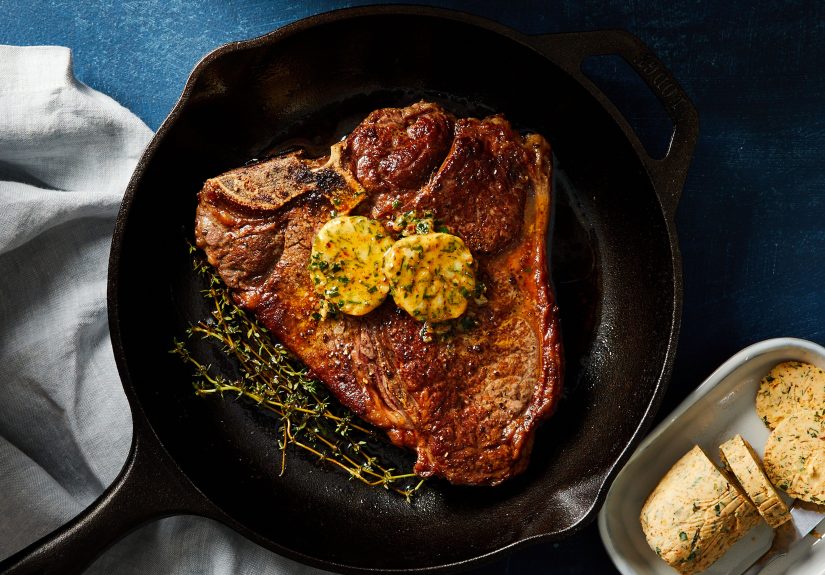
Grill or pan-sear a ribeye, strip, filetwhatever your budget and feelings allow. Rest the steak, then add a slice of cowboy butter on top. The heat melts it into a glossy sauce that tastes like you planned this dinner days ago.
Seafood That Wants to Be Fancy
Try melted cowboy butter as a dip for shrimp, crab legs, or lobster. It also shines on baked salmon: brush it on during the last few minutes so the herbs stay bright.
Chicken That’s Tired of Being “Just Chicken”
Grilled chicken breasts can be… earnest. Cowboy butter makes them interesting. Spoon melted butter over sliced chicken, or tuck a coin under the skin of roast chicken so it bastes itself like a champion.
Vegetables (Yes, Vegetables)
Roasted broccoli, charred green beans, grilled asparagus, corn on the cobcowboy butter makes vegetables taste like they’re wearing party clothes. Toss hot veg with a tablespoon or two and finish with a squeeze of lemon if you want extra brightness.
Potatoes (The “Everyone Calm Down” Moment)
Stir cowboy butter into mashed potatoes, melt it over baked potatoes, or toss crispy roasted potatoes in it right before serving. For smashed potatoes, drizzle the melted version and sprinkle flaky salt on top. You’ll hear actual happy noises.
Bread (The Fastest Way to Impress People)
Warm crusty bread + a bowl of melted cowboy butter = instant appetizer. If you’re feeling extra, toast the bread and rub it with a cut garlic clove first. You’re welcome.
Easy Variations (So It Fits Your Mood and Your Fridge)
Extra-Spicy Cowboy Butter
Add cayenne, more red pepper flakes, and a dash of hot sauce. Great for steak, shrimp, and corn.
Smoky-Grillhouse Cowboy Butter
Use smoked paprika, a pinch of chili powder, and a tiny bit of cumin. Ideal for grilled meats and roasted sweet potatoes.
Herb-Garden Cowboy Butter
Go heavy on fresh herbsparsley, chives, thyme, and a little dill. Perfect for fish, summer vegetables, and bread.
“Steakhouse” Cowboy Butter
Add prepared horseradish and minced shallot. This version tastes like you ordered the expensive entrée on purpose.
Make-Ahead, Storage, and Food Safety
Cowboy butter is one of the best “future you” gifts you can make. Shape it into a log, chill it, then slice as needed.
- Refrigerate: Keep it tightly wrapped or in an airtight container. Many mainstream recipes suggest about up to 2 weeks in the fridge for herb-and-garlic compound butters. (If yours contains fresh garlic and herbs, refrigeration is the safe, sensible default.)
- Freeze: Freeze the log, then slice coins straight from frozen. It can keep for months in the freezer when well wrapped.
- Room temperature: For serving, you can leave a small portion out to soften, but don’t let it sit out for long periodsespecially once you’ve mixed in fresh ingredients. When in doubt, keep it cold and pull out what you need.
Quick softening tip: If your cowboy butter is fridge-firm, slice what you need and let it sit for a few minutes so it melts faster on hot food (and spreads easily on bread).
Frequently Asked Questions
Is cowboy butter the same as garlic butter?
It’s garlic butter’s charismatic cousin. Garlic butter is usually garlic + butter + maybe parsley. Cowboy butter brings lemon, Dijon, paprika, and heatmore layered, more “steakhouse dip” energy.
Should I use salted or unsalted butter?
Either works. Unsalted gives you control. Salted is convenient. The key is tasting as you go, because mustard and other add-ins can vary in saltiness.
Can I make it dairy-free?
You can adapt it with a plant-based butter. The flavor profile still worksgarlic, lemon, mustard, herbs, paprikabut choose a substitute that melts well and tastes good on its own.
Does it have to be melted?
Nope. Use it chilled as a topper or melted as a dip. The “best” form depends on what you’re serving and how dramatic you want your butter moment to be.
Conclusion: The Condiment That Makes You Look Like You Tried Harder
Cowboy butter is one of those rare kitchen wins that’s fast, flexible, and genuinely transformative. It can be a sliceable compound butter for steaks and seafood, a melted dip for bread and grilled vegetables, or a secret weapon for turning everyday chicken and potatoes into “wait, what did you DO to this?” food. Make a batch once, keep it in your fridge or freezer, and you’ll always have an emergency plan for boring dinners.
Real-World Cowboy Butter Experiences (The Stuff That Actually Happens)
Once cowboy butter enters a household, it tends to follow a very predictable path: it starts as “a steak thing,” then quickly becomes “a put-it-on-everything thing,” and eventually turns into “why are we out of cowboy butter?” Here are the most common, very real experiences home cooks report when they start making itplus the small tweaks that make it even better the next time.
Experience #1: The cookout conversion. Someone brings a little bowl of melted cowboy butter to a backyard grill situation. At first, people assume it’s just garlic butter. Then they taste the lemon-and-mustard tang with a hint of heat and suddenly every piece of steak, chicken, shrimp, and bread is making a detour through the butter bowl. By the end of the night, the bowl is scraped clean with a piece of bread that no one will admit they used like a sponge. The lesson: if you’re serving it to a crowd, double it. Cowboy butter disappears in a way that feels personal.
Experience #2: The “I added too much lemon” panic. Lemon juice is powerful, and the first time people make cowboy butter, they sometimes squeeze with enthusiasm instead of measurement. The butter tastes bright… and then suddenly it tastes like it’s trying to clean your kitchen. Easy fix: add a little more softened butter, a pinch of salt, and an extra sprinkle of paprika. Also, remember that zest gives lemon aroma without as much sharpness as extra juiceso you can push flavor without turning it into citrus punishment.
Experience #3: The raw garlic dilemma. Fresh garlic tastes amazing in cowboy butter, but it can feel intense if the pieces are too big or if the butter sits for a day and the garlic gets more assertive. The common “aha” moment is realizing that garlic should be minced very fine (microplane is a hero here). Some cooks also switch to roasted garlic for a sweeter, mellow version that’s basically impossible to overdo. Either way, the experience teaches a useful rule: cowboy butter rewards finesse in chopping.
Experience #4: The weeknight rescue mission. It’s 6:45 p.m. You have chicken thighs, a sheet pan, and the emotional energy of a houseplant. Cowboy butter saves the meal. A spoonful melted over roasted chicken and vegetables tastes like you made a sauce on purpose. People who keep a log in the freezer discover a genuinely satisfying life hack: you can slice a coin from frozen and drop it onto hot food like a buttery emergency flare. Dinner instantly feels “finished.”
Experience #5: The unexpected best pairing. Most people expect cowboy butter to be best on steak. Then they try it on corn on the cob, roasted potatoes, or crusty bread and realize those might actually be the MVPs. Vegetables get the glow-up, bread becomes a main character, and suddenly you’re planning meals around “what can I reasonably justify putting this butter on?” The practical takeaway: make cowboy butter slightly less salty than you think, because you’ll want to use it in more places than you plannedand you can always add finishing salt later.
Experience #6: The “gift it in a log” era. Once someone gets confident, they start wrapping cowboy butter logs in parchment and bringing them to friends’ houses. It’s low effort, feels fancy, and nobody is mad to receive butter that tastes like a steakhouse. The experience here is that cowboy butter is an easy signature item: consistent, personal, and customizable (more heat for spice lovers, more herbs for the garden people, horseradish for the steak fanatics).
In short: cowboy butter doesn’t just make food taste betterit changes how people cook. It encourages make-ahead habits, turns simple meals into “special,” and quietly trains everyone to appreciate balance: rich butter, bright lemon, savory garlic, and just enough spice to keep it fun. And if that’s not a wholesome culinary journey, what is?