Table of Contents >> Show >> Hide
- A quick snapshot (so you can stop Googling at 2 a.m.)
- Where each condition “lives” in your lungs
- Asthma: the “twitchy airway” condition
- Emphysema: when air sacs lose their structure
- Bronchitis: the airway “irritation” umbrella (acute vs chronic)
- How clinicians tell them apart (because “my friend said it’s bronchitis” isn’t a test)
- Can you have more than one? Yep. Your lungs are overachievers.
- Three real-life scenarios (so it’s not just anatomy class)
- When to seek urgent care (don’t “tough it out” in these situations)
- The bottom line (your lungs’ group chat summary)
- Experiences: what it can feel like to live with (or around) these conditions
If lungs had a customer-service desk, “cough,” “wheeze,” and “why do I feel like I just ran a mile?” would be the top three complaints.
The problem is that asthma, emphysema, and bronchitis can all show up to the party with similar symptomsand then
refuse to wear name tags. This guide is your “Who’s who?” for the respiratory world: what each condition actually is, how they’re different,
how clinicians sort them out, and what day-to-day management typically looks like.
Quick note: this is educational info, not a diagnosis. If you’re struggling to breathe, getting worse fast, or your symptoms feel scary,
get medical care promptly.
A quick snapshot (so you can stop Googling at 2 a.m.)
| Condition | What’s going on | Typical pattern | Common causes / triggers | What often helps |
|---|---|---|---|---|
| Asthma | Airways get inflamed and “twitchy,” narrowing on and off. | Symptoms come and go; can flare quickly. | Allergens, viral colds, exercise, cold air, smoke/irritants. | Inhalers (relievers and controllers), trigger control, action plan. |
| Emphysema | Damage to air sacs (alveoli) reduces elastic “snap,” trapping air. | Slow, progressive shortness of breath (often years). | Smoking, long-term irritant exposure; rarely genetic factors. | Stopping smoking, inhaled meds, pulmonary rehab, vaccines; sometimes oxygen. |
| Bronchitis (acute) | Temporary inflammation of the bronchi, usually from infection. | Cough that lingers days to weeks, then resolves. | Viruses most often; sometimes irritants. | Supportive care (fluids, rest), symptom relief; antibiotics rarely needed. |
| Chronic bronchitis | Long-term airway inflammation with excess mucus production. | Productive cough for months, recurring over years. | Most often smoking; also pollution, dust, workplace fumes. | Stop smoking, inhaled meds, pulmonary rehab, vaccines; manage flare-ups. |
Where each condition “lives” in your lungs
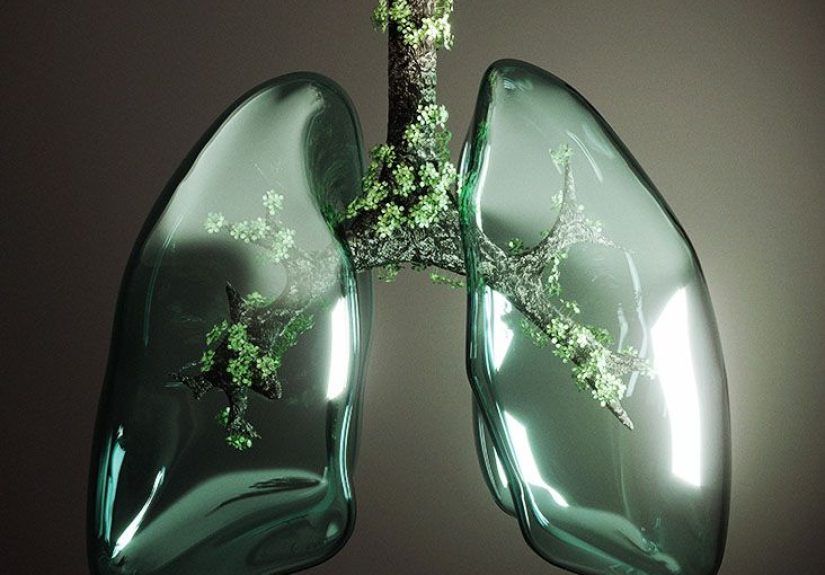
Your respiratory system is basically a branching tree:
air travels down the windpipe into larger airways (bronchi), then smaller branches (bronchioles), and finally into tiny
air sacs (alveoli) where oxygen moves into the blood and carbon dioxide moves out.
- Asthma mainly targets the airwaysthey swell, tighten, and make extra mucus. Think “airway mood swings.”
- Bronchitis targets the bronchi (the bigger airways). Acute bronchitis is usually short-lived; chronic bronchitis is long-term.
- Emphysema targets the alveolithe air sacs lose structure, so air gets trapped and breathing out becomes harder.
That location matters because it shapes symptoms, test results, and treatment choices.
Asthma: the “twitchy airway” condition
What’s happening under the hood
Asthma is a long-term inflammatory condition in which the airways become extra sensitive. When triggered, airway muscles tighten,
the lining swells, and mucus can increase. The result: narrowed airways and that classic combo of
wheezing, coughing, chest tightness, and shortness of breath.
How it tends to feel (and when it shows up)
Asthma symptoms often come in episodes. Some people feel fine between flares; others have frequent symptoms.
A common clue is variability: you might have symptoms at night, with exercise, around pets, during pollen season,
or when a cold rolls in like an uninvited guest.
Common triggers
- Allergens: pollen, dust mites, mold, pet dander
- Respiratory infections: colds and flu
- Irritants: smoke, strong odors, air pollution
- Exercise or cold air (especially in dry weather)
- Work exposures: fumes, dusts, chemicals (in some jobs)
How it’s diagnosed
Clinicians typically combine your story (symptoms, triggers, timing) with lung function testing. A key test is
spirometry, which measures how much air you can blow out and how fast. In asthma, airflow limitation is often
at least partly reversiblemeaning breathing numbers improve after a bronchodilator.
Treatment basics (and why “just tough it out” is not a plan)
Most asthma care is a two-lane highway:
- Quick-relief inhalers (often short-acting bronchodilators) to open airways fast during symptoms.
-
Controller therapy (often inhaled corticosteroids, sometimes combined with long-acting bronchodilators) to reduce airway inflammation
and prevent flare-ups.
Many people also benefit from a written asthma action plan, trigger reduction, and staying current on recommended vaccines.
The win is not “never cough again.” The win is fewer flares, better sleep, and the ability to live your life without negotiating
with your lungs every morning.
Emphysema: when air sacs lose their structure
What emphysema actually is
Emphysema is a form of chronic obstructive pulmonary disease (COPD). The hallmark is damage to the walls between many alveoli.
Instead of lots of tiny, springy air sacs, the lungs develop fewer, larger, “floppier” spaces. That makes it harder to exchange oxygen and
carbon dioxide efficientlyand harder to exhale fully.
How it tends to feel
The symptom that gets top billing is shortness of breath, especially with activity. Early on, you might notice it only when climbing stairs,
carrying groceries, or trying to keep up with someone who walks like they’re late for brunch (even when they aren’t).
Over time, people may feel more winded doing everyday tasks.
Cough can happen, but compared with chronic bronchitis, emphysema often leans more toward breathlessness than heavy mucus production.
Common causes and risk factors
- Smoking is the biggest risk factor in the U.S.
- Long-term exposure to pollutants, dust, or chemical fumes can contribute
- Genetic factors can play a role in a small subset (for example, certain inherited protein deficiencies)
Diagnosis: how clinicians confirm it
Emphysema is commonly evaluated with:
- Spirometry (showing persistent airflow obstruction)
- Imaging (like chest CT) in selected cases to assess lung damage patterns
- Oxygen levels (pulse oximetry and sometimes arterial blood gases), depending on severity
Treatment: the “slow-and-steady” toolbox
Emphysema management usually focuses on improving breathing efficiency, preventing flare-ups, and slowing progression:
- Stop smoking (it’s the most powerful disease-slowing step when applicable)
- Inhaled bronchodilators to open airways; sometimes inhaled steroids for specific situations
- Pulmonary rehabilitation (structured exercise + education that teaches you to “spend” breath wisely)
- Vaccinations (to reduce risk of respiratory infections that can trigger exacerbations)
- Oxygen therapy for people whose oxygen levels are low
- Selected procedures in certain cases (specialized surgical or bronchoscopic approaches)
Bronchitis: the airway “irritation” umbrella (acute vs chronic)
Acute bronchitis: the temporary troublemaker
Acute bronchitis is inflammation of the bronchi that usually follows a respiratory infection. The headline symptom is
cough, which can be dry or produce mucus. It often lasts longer than people expectdays to weekseven after the
initial cold symptoms fade.
Most cases are caused by viruses, which is why antibiotics usually don’t help. Supportive care is often the main approach:
rest, fluids, and symptom relief as needed.
Chronic bronchitis: the long-term cousin (and a COPD diagnosis)
Chronic bronchitis is not “that cold that won’t quit.” It’s a long-term condition involving airway inflammation and excess mucus.
Clinically, it’s often defined by a productive cough that lasts at least three months in a year and recurs over
two consecutive years.
Chronic bronchitis is one of the main diseases included under COPD (along with emphysema). Smoking is a leading cause, and
ongoing exposure to irritantslike dust, fumes, and air pollutioncan also contribute.
How bronchitis symptoms overlap with asthma and emphysema
Bronchitis can cause wheezing and shortness of breath, which are also common in asthma and COPD.
The differences are often about timing (sudden vs gradual), pattern (episodic vs persistent), and root cause
(infection vs chronic inflammatory disease vs structural lung damage).
What treatment looks like
-
Acute bronchitis: symptom relief, hydration, rest, and monitoringespecially if you have underlying lung disease.
Antibiotics are generally not useful unless a clinician suspects a bacterial cause. -
Chronic bronchitis: avoiding smoke/irritants, inhaled medications to improve airflow, pulmonary rehab, vaccines,
and a plan for exacerbations (flare-ups).
How clinicians tell them apart (because “my friend said it’s bronchitis” isn’t a test)
Clues from your timeline
- Asthma: tends to be variable (good days and bad days), often linked to triggers, and can worsen at night or with exercise.
- Acute bronchitis: often follows a cold; cough can persist for weeks but typically improves and resolves.
- Emphysema / chronic bronchitis (COPD): typically develops slowly over time, especially with a history of smoking or long-term irritant exposure.
Clues from symptoms
- Lots of mucus most days? That leans toward chronic bronchitis (especially if long-term).
- Mostly breathlessness with activity, less mucus? That can lean toward emphysema (though overlap is common).
- Sudden wheeze/tight chest after triggers, then better? That leans toward asthma.
Spirometry: the superstar test
Spirometry measures airflow and helps distinguish patterns of obstruction. In many asthma cases, airflow improves noticeably with bronchodilator treatment.
COPD-related obstruction is often less reversible. Real life is messy, though: some people have features of both
(more on that in a minute).
Other tests that may show up
- Pulse oximetry to check oxygen levels
- Chest imaging (X-ray or CT) when clinicians need to rule out pneumonia or assess structural changes
- Blood tests in certain cases (for example, evaluating specific risk factors)
A helpful myth-buster: mucus color alone doesn’t reliably tell you whether you need antibiotics. Viral infections can still cause
yellow/green mucus, and clinicians look at the whole picture.
Can you have more than one? Yep. Your lungs are overachievers.
Overlap is common:
-
Asthma + COPD overlap: Some people have long-standing asthma and later develop fixed airflow limitation consistent with COPD.
Others have COPD with asthma-like features. Many organizations describe this as asthma-COPD overlap (sometimes abbreviated ACO or ACOS). - Chronic bronchitis + emphysema: Many people with COPD have features of both rather than a clean “one or the other” label.
- Acute bronchitis on top of anything: Viral infections can inflame airways even more, triggering asthma flares or COPD exacerbations.
This is one reason personalized treatment matters: the “right inhaler” (or combination) depends on the dominant pattern and risk of flare-ups.
Three real-life scenarios (so it’s not just anatomy class)
1) The weekend runner who wheezes in cold air
A 22-year-old runs fine indoors but coughs and wheezes on chilly mornings. Symptoms spike during spring pollen season, and a rescue inhaler helps quickly.
That episodic, trigger-linked pattern screams asthmaespecially if spirometry improves after bronchodilator treatment.
2) The former smoker who gets winded tying shoes
A 62-year-old who smoked for decades now gets short of breath walking up one flight of stairs. Symptoms have crept up slowly over years.
Spirometry shows persistent obstruction, and a CT scan suggests air trapping. This pattern fits COPD, often with emphysema features.
3) The teacher with “the cough that won’t quit” after a cold
A 35-year-old develops a nasty cough after a viral illness. The fever is gone, but the cough hangs around for two to three weeks and then fades.
That’s a classic acute bronchitis storyannoying, disruptive, and usually self-limited.
When to seek urgent care (don’t “tough it out” in these situations)
- Severe trouble breathing, struggling to speak full sentences, or worsening rapidly
- Blue/gray lips or face, confusion, or extreme drowsiness
- Chest pain or fainting
- High fever, coughing up blood, or symptoms that feel like pneumonia
- If you have known asthma/COPD and your usual meds aren’t helping, or you’re needing quick-relief medicine much more than usual
For non-emergencies, it’s still worth getting evaluated if you have repeated “bronchitis” diagnoses, a cough lasting longer than expected,
ongoing wheezing, or persistent shortness of breathespecially with a smoking history or occupational exposures.
The bottom line (your lungs’ group chat summary)
- Asthma is usually variable and trigger-driven, with airway inflammation and often reversible narrowing.
- Emphysema is COPD with alveolar damage and progressive breathlessness, commonly linked to smoking.
- Bronchitis is airway inflammation: acute is usually viral and temporary; chronic is long-term and part of COPD.
- Spirometry is a key tool for sorting out asthma vs COPD patterns (and overlap happens).
- For all three, reducing triggers/irritants, getting appropriate inhaled therapy, and preventing infections can make a big difference.
Experiences: what it can feel like to live with (or around) these conditions
The weirdest part about respiratory conditions is how “normal” they can look from the outside. Someone with asthma can appear totally fineuntil
their lungs decide a scented candle is a personal insult. Someone with emphysema may look calm while doing a quiet, constant math problem:
How far is the bathroom? How many stairs? Will I need a pause halfway? And someone with acute bronchitis might feel like the cough has
become a side hustle that refuses to quit, turning meetings, classes, or bedtime into a one-person percussion show.
Asthma experiences often come with unpredictability. People describe it like having a smoke detector that’s “too enthusiastic.”
A normal trigger for someone elsecold air, a run, a dusty roomcan set off chest tightness and wheeze. Many learn to keep rescue inhalers
where they keep their phone: always within reach, because “I’ll remember it next time” is a lie we tell ourselves in the same category as
“I’ll fold laundry immediately.” The good news is that, with consistent controller therapy and a plan, many people regain confidence:
they can exercise, travel, and sleep better. The emotional shift is realmoving from fear of flare-ups to “I know what to do if this starts.”
Emphysema experiences are often slower, quieter, and more exhausting. There’s frequently a grief component: people notice they
can’t do the same activities the same way. They start “budgeting” their day around breathingshowering becomes a strategic event, not a casual one.
Pulmonary rehab can be a turning point because it replaces vague advice (“just exercise!”) with practical skills:
paced breathing, energy conservation, and gradual conditioning. Many patients describe rehab as getting their life back in installments:
maybe it’s walking the dog again, or cooking without needing a break mid-recipe. Families often learn that encouragement should sound like teamwork,
not pressure. (“Let’s take it slow together” tends to land better than “Come on, it’s not that far.”)
Bronchitis experiences depend on the type. With acute bronchitis, the most common frustration is that the cough lingers after the
person feels “otherwise fine.” People often worry they’re contagious forever or that they need antibiotics because the cough sounds dramatic.
Supportive care can feel underwhelminguntil you realize viral infections don’t negotiate. Chronic bronchitis, on the other hand, can be socially
awkward: frequent coughing and mucus can make people self-conscious in public. Some describe planning their day around triggers like smoke, dust,
or cold air, and learning which environments feel “safe.” Small changesavoiding smoke exposure, updating vaccines, using prescribed inhalers correctly,
and having a flare-up plancan reduce disruptions, even if the condition doesn’t vanish.
Across all three conditions, there’s a shared theme: the learning curve is steep, but it pays off. When people understand the pattern
(episodic asthma vs progressive COPD vs temporary acute bronchitis), they make better choices and feel less anxious. The best “hack” isn’t a miracle tea
or a viral breathing gadgetit’s a clear diagnosis, good technique with inhalers if prescribed, and a plan for what to do when symptoms change.
Boring? Yes. Effective? Also yes. Your lungs love boring.