Table of Contents >> Show >> Hide
- Meet the Roaches: Why These Pests Love Your Home
- Creepy but Useful Cockroach Facts
- How Cockroaches Sneak Into Your Space
- Why Cockroaches Are More Than Just Gross
- Turn Cockroach Facts into a Prevention Plan
- Real-Life Lessons from Fighting Roach Infestations
- Conclusion: Use the Facts to Stay Roach-Free
Few things can clear a room faster than the sentence, “I just saw a cockroach.”
These tiny panic buttons on legs are more than just gross – they’re smart, sneaky,
and surprisingly well-equipped to turn your house into their long-term vacation home.
The good news? The more you know about how cockroaches live, move, and survive,
the easier it is to keep them out of your space for good.
This guide breaks down practical cockroach facts – the kind pest pros rely on –
and turns them into a step-by-step, prevention-first game plan. Once you understand
what attracts roaches, how they get in, and why they’re so hard to kill, you’ll know
exactly how to make your home a no-roach zone.
Meet the Roaches: Why These Pests Love Your Home
Cockroaches have been around for more than 300 million years, which means they’re
very good at one thing: surviving. Your cozy, climate-controlled home just happens
to provide everything they need – food, water, warmth, and dark hiding spots.
The Usual Suspects: German vs. American Cockroaches
While there are dozens of cockroach species, two are behind most home infestations:
-
German cockroaches – Small (about 1/2 inch long), light brown,
with two dark stripes behind the head. They prefer to live indoors,
especially in warm, humid areas like kitchens and bathrooms. They reproduce quickly,
which is why a few roaches can turn into a full-blown infestation in a matter of weeks. -
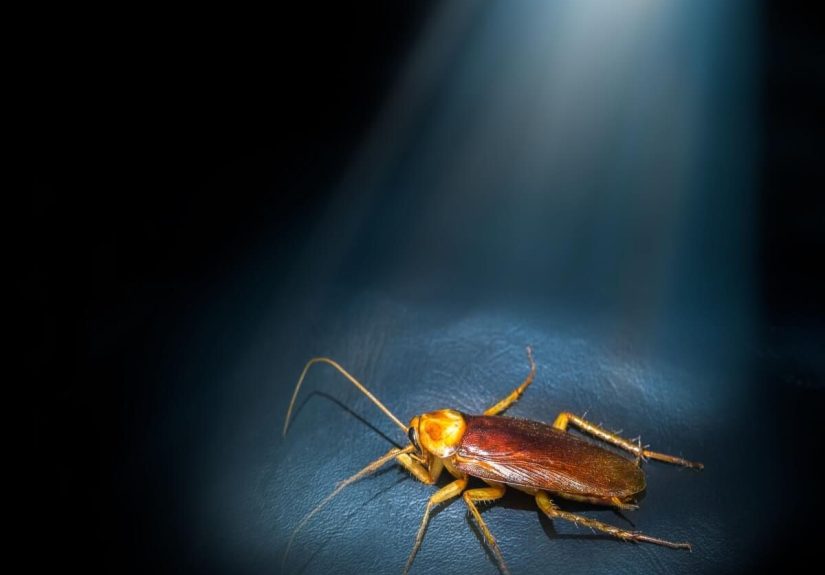
American cockroaches – Larger (1.5–2 inches long), reddish-brown,
with a yellowish figure-eight mark on the back of the head. These “palmetto bugs”
often live outdoors or in basements, sewers, crawl spaces, and utility areas.
They still come inside, especially when it’s hot, cold, or very wet outside.
Knowing which type you’re dealing with helps you focus your efforts.
German roaches are usually a sign of ongoing indoor food and moisture sources,
while American roaches often point to problems with drains, foundation gaps, or crawl spaces.
Where Cockroaches Actually Live
Roaches don’t just stroll across your floor all day. They hide most of the time.
Common hiding spots include:
- Behind and under refrigerators, stoves, and dishwashers
- Inside cabinet cracks and under sinks
- Behind loose baseboards and wall voids
- In cardboard boxes, clutter piles, and paper bags
- In basements, drains, utility rooms, and around sump pumps
These hiding habits matter because if you only spray where you see them,
you’re missing where they actually live and breed.
Creepy but Useful Cockroach Facts
You don’t need to love roaches, but understanding what they can do gives you an edge.
Here are some surprising cockroach facts that directly impact prevention.
They’re Built for Survival
Cockroaches are basically tiny survival machines:
- They can live for a week without their head because they breathe through openings in their body.
- They can hold their breath for around 30–40 minutes, which helps them survive in drains and pipes.
- They can run up to about three miles per hour, spreading germs quickly across surfaces.
Translation: roaches are hard to drown, hard to squash in time, and very good at disappearing before you get close.
That’s why prevention and habitat control – not just chasing them with a shoe – is so important.
What Cockroaches Eat (and Why Your Crumbs Matter)
Roaches aren’t picky eaters. They’ll feed on:
- Food crumbs, grease, and spills
- Pet food and water left out overnight
- Garbage and recycling with food residue
- Cardboard, paper, soap, hair, and even glue
If you ever thought, “It’s just a crumb; I’ll get it later,”
a cockroach heard, “Dinner is served.” Even small bits of food trapped between
stove and counter can sustain a population. That’s why deep-cleaning the kitchen –
not just wiping the visible surfaces – is one of the most powerful roach prevention moves.
How Long Roaches Live – and How Fast They Reproduce
Depending on the species, cockroaches can live from a few months up to two years
in ideal conditions. Female roaches lay egg cases containing multiple eggs at once,
and some species can produce hundreds of offspring in a lifetime.
This means a “small roach problem” rarely stays small. If you’re seeing roaches regularly,
there are likely many more hiding out of sight. Early action is always easier and cheaper
than waiting until you’re seeing them during the day (a sign of a heavy infestation or
overcrowded hiding places).
How Cockroaches Sneak Into Your Space
One of the biggest myths about roaches is that they only invade dirty homes.
In reality, even spotless homes can get roaches because of how easily they travel and sneak indoors.
Cracks, Gaps, and Pipes
Roaches can flatten their bodies and squeeze through tiny openings.
Common entry points include:
- Gaps around doors and windows
- Cracks in foundations and exterior walls
- Spaces where utility lines, cables, and pipes enter the home
- Unsealed openings around sinks, tubs, and toilets
- Shared plumbing and vents in apartments and condos
Think of your home as a big, warm box with multiple “secret entrances.”
Roaches are experts at finding them. That’s why sealing and caulking are just as important
as cleaning when you’re trying to prevent infestations.
Hitchhikers in Bags, Boxes, and Furniture
Cockroaches also travel like tiny, unwanted stowaways. They can arrive:
- In cardboard shipping boxes and packaging
- Inside grocery bags or used paper bags
- On secondhand furniture, appliances, or electronics
- In luggage or backpacks after a stay in an infested building
Unpacking on the floor, storing stacks of cardboard, or dragging in used furniture
without inspecting it gives roaches a free pass into your home. Breaking down cardboard quickly
and keeping storage areas organized makes a difference.
Drains, Sewers, and Shared Walls
American cockroaches in particular are very comfortable in sewers, storm drains,
and utility tunnels. From there, they can move into buildings through:
- Floor drains and shower drains
- Laundry room drains and sump areas
- Basement cracks and crawl spaces
- Dry or rarely used P-traps in sinks and tubs
If you’re gone for a long trip, water can evaporate from rarely used drains,
reducing the barrier between your home and the plumbing system.
That’s why some pest and plumbing pros recommend running water in seldom-used drains
and plugging them before long vacations.
Why Cockroaches Are More Than Just Gross
Nobody likes seeing a roach, but the real problem isn’t just the “ick” factor.
Cockroaches can affect your health and indoor air quality.
Allergies, Asthma, and Indoor Air Quality
Cockroach droppings, shed skins, and body parts can become airborne allergens.
These particles can trigger allergy symptoms and asthma attacks, especially in children
and people living in dense, urban settings. In some cases, long-term exposure to cockroach
allergens has been linked with the development or worsening of asthma.
If someone in your home has asthma, a roach problem isn’t just a nuisance –
it’s a legitimate health concern. Reducing cockroach populations and thoroughly cleaning
affected areas can be part of an overall asthma management plan.
Bacteria and Surface Contamination
Roaches hang out in drains, garbage, sewers, and other unsanitary places.
When they crawl across your countertops, dish racks, or pantry shelves,
they can transfer bacteria and other microorganisms picked up from those dirty environments.
While they’re not walking biohazard signs, they can contribute to food contamination and
stomach illnesses, especially if food or food-prep surfaces aren’t cleaned regularly.
That’s another reason pest experts emphasize both elimination and sanitation.
Turn Cockroach Facts into a Prevention Plan
Now that you know how roaches live and operate, let’s turn those facts into action.
Think of prevention in three main pillars: sanitation, exclusion, and moisture control –
plus backup support from professionals if needed.
Sanitation: Deny Them the Buffet
Since roaches thrive where food is easy to access, your first goal is to make your home
as unappetizing as possible.
- Wash or load dishes promptly instead of leaving them in the sink overnight.
- Wipe counters, stovetops, and tables to remove grease and crumbs.
- Sweep or vacuum kitchen floors frequently, especially under appliances.
- Store pantry items in sealed containers, not open bags or boxes.
- Clean up spilled pet food and avoid leaving food out all night.
- Take out kitchen trash regularly and use cans with tight-fitting lids.
Deep cleaning behind and under appliances once in a while is huge.
Those forgotten crumbs and grease lines are basically a cockroach buffet line.
Exclusion: Seal Up Their Doorways
Because roaches can enter through such small openings, sealing up gaps is one of the most
powerful long-term prevention steps you can take.
- Install or repair door sweeps and weatherstripping on exterior doors.
- Caulk cracks around window frames, baseboards, and utility entry points.
- Use screens over vents and make sure window screens are intact.
- Seal gaps around plumbing under sinks and behind toilets.
- In multi-unit buildings, ask management about sealing shared utility lines and wall gaps.
Imagine trying to make your home “roach-proof” the way you’d child-proof a house –
you’ll never get it perfect, but every gap you close makes it harder for pests to move in.
Moisture Control: Cut Off Their Water Supply
Cockroaches can survive weeks without food but only about a week without water.
That’s why they love leaky pipes, damp cabinets, and steamy bathrooms.
- Fix leaky faucets, pipes, and dripping fridge lines.
- Use exhaust fans or dehumidifiers in damp areas like bathrooms and basements.
- Don’t let water sit in sinks, buckets, plant saucers, or pet bowls overnight if roaches are active.
- Check under sinks regularly for moisture, mold, or soft wood.
Dry spaces are less attractive to roaches and many other pests.
Your plumber and your pest control pro are basically on the same team.
Smart Chemical and Professional Help
For light activity, bait stations and gel baits can be very effective when used according
to the label and placed where roaches actually travel – along cracks, under appliances,
and in cabinets. Avoid just spraying baseboards at random; that can scatter roaches and
may not reach their hiding spots.
If you’re seeing roaches during the day, noticing a strong musty odor, or finding many
droppings and egg cases, it’s time to call a professional. Pros can identify the species,
locate hotspots, and design a treatment and prevention plan tailored to your home or building.
Real-Life Lessons from Fighting Roach Infestations
Ask anyone who has dealt with a roach infestation, and you’ll hear the same thing:
it starts with one or two “harmless” sightings and quickly becomes a nightly horror show.
The patterns in those stories can teach you a lot about what really works.
One common scenario goes like this: someone spots a roach in the kitchen late at night,
shrieks appropriately, squashes it, and moves on. A week later, they see another one by the stove.
Then a smaller one on the counter. Before long, they’re flipping on the lights and watching multiple
roaches scatter. The turning point usually comes when they realize the problem isn’t the roaches
they see – it’s the ones living in the hidden cracks and behind the appliances.
People who successfully beat infestations almost always shift from “panic and spray” to
“system and strategy.” Instead of randomly spraying wherever a roach appears, they:
- Pull the stove and fridge away from the wall and deep-clean behind and beneath them.
- Vacuum along baseboards and in cabinet corners to remove droppings and food particles.
- Seal gaps under exterior doors they never noticed before.
- Switch from leaving pet food out all night to feeding on a schedule and picking up bowls after.
- Reduce cardboard clutter in basements, pantries, and closets.
Another frequent “aha moment” comes in apartments and townhomes.
A tenant might keep a spotless unit but still see roaches, especially around plumbing lines or vents.
They might notice that the problem gets worse after a neighboring unit is treated.
That’s often a sign that roaches are traveling through shared walls, pipes, and hallways.
In those cases, individual cleaning helps, but building-wide cooperation and professional pest management
are critical. Roaches don’t respect property lines or lease agreements.
Homeowners in older houses often learn a different lesson: small structural quirks matter.
A gap around a basement hatch, a missing door sweep, a cracked dryer vent, or poorly sealed
plumbing lines can quietly act as a roach superhighway. It’s not uncommon for people to go from
“I guess we just have roaches here” to “We almost never see them now” after a weekend spent sealing
gaps and installing better door and window weatherstripping.
There’s also the emotional side. Living with roaches can be stressful and embarrassing,
but it’s important to remember that infestations don’t mean you’re dirty or lazy.
Roaches are opportunistic; they’ll take any chance they get. When people stop blaming themselves
and start treating roach control like any other home maintenance task, they feel more in control.
Instead of feeling grossed out and helpless, they can say, “We have a plan. We’re limiting food,
sealing entry points, drying things out, and working with a pro if we need to.”
The biggest takeaway from real-world experiences is this:
cockroaches are persistent, but so are you.
With the right information, consistent habits, and a little help when needed,
you can go from spotting roaches regularly to hardly seeing them at all.
The facts you’ve learned about how they live and move aren’t just gross trivia –
they’re the foundation of a safer, cleaner, roach-resistant home.
Conclusion: Use the Facts to Stay Roach-Free
Cockroaches might be tough, but they’re not unbeatable.
Once you know how they eat, hide, travel, and reproduce,
you can use that knowledge to make your home a place where they simply can’t thrive.
Clean up food and grease, seal cracks and gaps, fix moisture issues,
and pay attention to drains, cardboard, and clutter. If things get out of hand,
call a professional and treat prevention as an ongoing habit, not a one-time project.
You don’t have to love cockroaches (please don’t).
But by understanding them, you gain the power to keep them out of your kitchen,
your walls, and your peace of mind.