Table of Contents >> Show >> Hide
- Why Chocolate Meringue Pie Feels Like a Hug in Slice Form
- What Makes a “Classic” Chocolate Meringue Pie?
- Ingredients for Classic Chocolate Meringue Pie
- Step-by-Step: How to Make Classic Chocolate Meringue Pie
- Tips for a Perfect Chocolate Meringue Pie
- Variations on Classic Chocolate Meringue Pie
- How to Store Chocolate Meringue Pie
- Serving Ideas
- Extra : Real-World Chocolate Meringue Pie Experience
Why Chocolate Meringue Pie Feels Like a Hug in Slice Form
Some desserts are trendy. Some desserts come and go with whatever social media
challenge is happening this week. And then there’s classic chocolate
meringue piethe kind of old-fashioned, from-scratch pie that tastes
like Sunday dinners, handwritten recipe cards, and “don’t touch that, it’s for
company.”
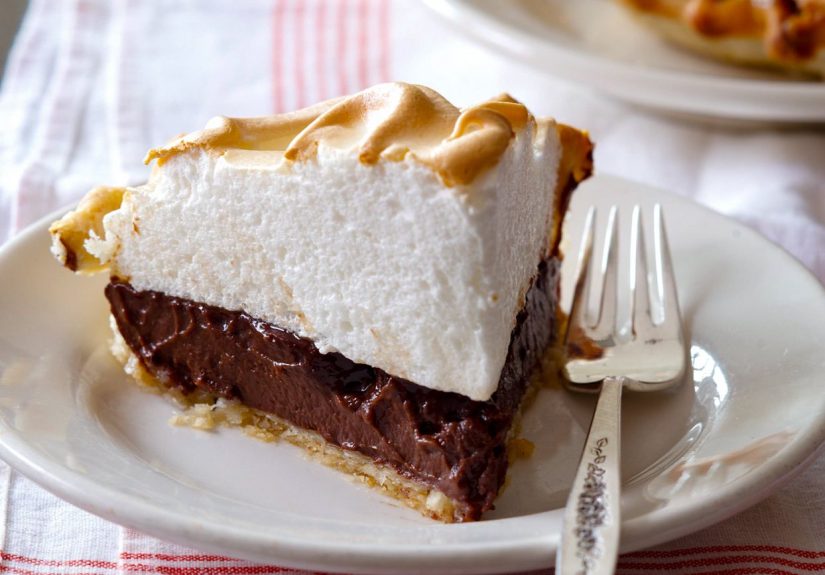
This pie layers three perfect elements: a flaky crust, a silky chocolate custard
filling, and a cloud of toasted meringue on top. It looks dramatic, but it’s
actually beginner-friendly once you understand a few tricks: how to thicken a
custard, how to whip a stable meringue, and how not to cry when your meringue
weeps (hint: we’ll largely avoid that).
In this guide, we’ll walk through a classic chocolate meringue pie
recipe with detailed steps, practical tips, and baking wisdom from
traditional American kitchens. Think of it as having several grandmas, a pastry
chef, and a food scientist all standing in your kitchen, cheering you onminus
the commentary about how you never call.
What Makes a “Classic” Chocolate Meringue Pie?
A chocolate meringue pie is technically a type of cream pie: a prebaked
crust filled with a stovetop custard (pudding-style) and topped with meringue.
The “classic” version usually means:
- Flaky single pie crust – Homemade or store-bought, blind-baked.
- Cooked chocolate custard – Thickened with cornstarch (and sometimes flour), enriched with egg yolks, butter, and milk.
- Real cocoa or chocolate – Unsweetened cocoa powder is common, sometimes paired with chopped chocolate for extra richness.
- Meringue topping – Whipped egg whites with sugar and a stabilizer like cream of tartar, baked until lightly golden.
The result is a dessert that’s rich but not heavy, nostalgic but never boring.
It looks fancy enough for holidays but is cozy enough for a random Tuesday when
you just need chocolate in a pie shell.
Ingredients for Classic Chocolate Meringue Pie
For the Pie Crust
- 1 single 9-inch pie crust, prebaked and cooled (homemade or store-bought)
For the Chocolate Custard Filling
- 1 cup granulated sugar
- 1/3 cup unsweetened cocoa powder
- 1/3 cup cornstarch
- 1/4 teaspoon salt
- 3 cups whole milk (2% works, but whole gives the best texture)
- 4 large egg yolks, lightly beaten
- 3 tablespoons unsalted butter
- 2 teaspoons pure vanilla extract
For the Meringue Topping
- 4 large egg whites (room temperature, from the same eggs you used for the yolks)
- 1/2 teaspoon cream of tartar
- 1/2 cup granulated sugar (superfine sugar if you have it)
- 1 teaspoon vanilla extract
Note: Separate your eggs while they’re cold, but let the whites
come to room temperature before whipping. This helps them whip to maximum volume.
Step-by-Step: How to Make Classic Chocolate Meringue Pie
Step 1: Blind-Bake the Crust
- Preheat your oven to 400°F (200°C).
- Fit your pie dough into a 9-inch pie plate, trim and crimp the edges.
- Prick the bottom with a fork, line with parchment, and fill with pie weights or dried beans.
- Bake for 12–15 minutes, then remove weights and bake another 5–8 minutes until golden.
- Set aside to cool completely.
If you want extra insurance against a soggy crust, you can brush the warm crust
with a light egg wash and pop it back into the oven for a couple of minutes to
set. This creates a barrier between the custard and crust.
Step 2: Cook the Chocolate Custard
-
In a medium saucepan, whisk together sugar, cocoa powder, cornstarch, and salt
until well combined and lump-free. -
Slowly whisk in the milk a little at a time to create a smooth mixture with no
dry pockets. -
Place the saucepan over medium heat, whisking constantly. The mixture will
start thin, then thicken and bubble. Keep whisking to avoid scorching the
bottom. -
In a separate bowl, lightly beat the egg yolks. When the chocolate mixture is
hot and thickening, slowly whisk about 1 cup of the hot mixture into the yolks
to temper them. -
Pour the tempered yolks back into the saucepan, whisking constantly. Cook for
another 2–3 minutes until the custard is thick, glossy, and just starting to
bubble gently. -
Remove from heat and whisk in the butter and vanilla until fully melted and
silky.
The custard should coat the back of a spoon and hold a line if you drag your
finger through it. If it’s still thin, keep cooking (and whisking!) until it
thickens. This is the heart of your chocolate meringue pie, so give it a little
patience.
Step 3: Fill the Crust
- Pour the hot chocolate custard into the cooled, prebaked crust.
- Smooth the top with a spatula.
It’s important that the filling is hot when you add the
meringue. Hot filling helps the meringue cook gently from below and creates a
stronger seal between the two layers, which helps reduce weeping and separation.
Step 4: Make the Meringue
- Lower the oven temperature to 325°F (165°C).
-
In a clean, dry mixing bowl, add the egg whites and cream of tartar. Beat on
medium speed until soft peaks form (the peaks droop over when you lift the
beaters). -
Slowly add the sugar, 1 tablespoon at a time, while beating on medium-high
speed. Take your timethis helps the sugar dissolve and gives you a stable
meringue. -
Continue beating until the meringue is thick, glossy, and holds stiff peaks
that stand straight up. - Beat in the vanilla extract for a few seconds to combine.
If you rub a little meringue between your fingers and still feel sugar granules,
keep beating a bit longer. Properly dissolved sugar = smoother, shinier
meringue.
Step 5: Top and Bake the Pie
-
Working quickly while the filling is still hot, spoon the meringue over the
chocolate custard. -
Start by sealing the meringue to the crust edge all the way
around. Then mound and swirl the rest in the center to create pretty peaks. -
Bake the pie at 325°F (165°C) for about 15–20 minutes, or until the meringue
is lightly golden brown on top. -
Let the pie cool at room temperature away from drafts for at least 1–2 hours,
then refrigerate until fully chilled and set (another 2–3 hours).
Resist cutting in too early. The filling needs time to firm up so your slices
stay neat instead of becoming “chocolate meringue situation on a plate.”
Tips for a Perfect Chocolate Meringue Pie
1. Avoid Weeping and Shrinkage
“Weeping” is when droplets of liquid form on the surface of your meringue, and
“shrinkage” is when the meringue pulls away from the crust. A few ways to avoid
both:
- Spread meringue onto hot filling so it cooks from underneath.
- Make sure the meringue is sealed all the way to the crust edge.
- Use cream of tartar or a little cornstarch mixture in the meringue to help stabilize it.
- Bake long enough that the meringue sets, not just browns at the tips.
2. Make It Food-Safe
Egg whites become safe when they reach at least 160°F (71°C). Baking the
meringue on hot filling until it’s set and lightly browned is usually enough,
but if you want extra peace of mind, use a digital thermometer and aim for the
center of the meringue to reach that temperature.
3. Choose the Right Chocolate Flavor
For a classic southern-style chocolate meringue pie, unsweetened cocoa powder is
the go-to. You can adjust the chocolate intensity by:
- Using natural cocoa for a classic flavor.
- Using Dutch-processed cocoa for a deeper, darker chocolate note.
- Adding 2–4 ounces of chopped bittersweet chocolate along with the butter if you want it extra rich.
4. Slice Cleanly
For picture-perfect slices, chill the pie thoroughly, wipe your knife clean
between cuts, and use a gentle sawing motion instead of pressing straight down.
Also, accept that the first slice is always a sacrifice to the pie gods.
Variations on Classic Chocolate Meringue Pie
-
Graham Cracker Crust: Swap the flaky pastry for a graham
cracker crust for a slightly sweeter, more casual vibe. -
Oreo Crust: Use crushed chocolate sandwich cookies and melted
butter as the base for a super-chocolatey version. -
Mocha Meringue Pie: Add 1–2 teaspoons of instant espresso
powder to the custard for a coffee kick. -
Orange-Chocolate Twist: Add 1 teaspoon of orange zest and a
splash of orange liqueur to the filling for a citrusy note.
How to Store Chocolate Meringue Pie
Chocolate meringue pie is best served the day it’s made, after it has chilled
and set. That’s when the meringue is at its fluffiest and prettiest.
-
Short-Term Storage: Keep the pie loosely covered in the
refrigerator for up to 2 days. Try to avoid plastic wrap touching the
meringue, as condensation can encourage weeping. -
Do Not Freeze the Assembled Pie: Custard and meringue do not
love the freezer together. The texture suffers.
If you want to work ahead, you can make the crust and even the custard a day in
advance. Store the custard with plastic wrap directly on its surface to prevent
a skin from forming, then rewarm gently and assemble with fresh meringue before
baking.
Serving Ideas
Classic chocolate meringue pie is already a showstopper, but you can dress it up
a little:
- Serve with a drizzle of warm chocolate sauce around the plate.
- Add a few chocolate shavings on top of the meringue after baking and cooling.
- Pair with hot coffee, black tea, or a cold glass of milk for peak comfort.
Extra : Real-World Chocolate Meringue Pie Experience
If you talk to people who grew up in the American South or Midwest, you’ll find
that chocolate meringue pie has serious nostalgia value. It’s
the pie that shows up at funerals, church suppers, holiday tables, and
“congratulations, you survived finals” dinners. It’s the dessert version of a
pep talk.
The first time many home bakers tackle this pie, the meringue is usually the
troublemaker. Maybe it weeps, maybe it shrinks, maybe it looks like someone put
whipped egg white on top and then walked away mid-project. The important lesson
is: everyone has at least one less-than-perfect meringue experience. That’s not
failure, that’s training.
One of the most common beginner mistakes is not sealing the meringue to
the crust. When you just plop it on top in the middle, it pulls away as
it bakes and cools. You’re left with a ring of exposed custard and a floating
egg-white island. It still tastes good, but it looks like a geological
experiment. The “seal the edges first, then pile it high” trick instantly makes
your pie look more professional, and it helps keep the meringue from shrinking.
Another real-world tip: give yourself time. This is not a pie
you start 30 minutes before guests arrive. The custard needs time to cook and
cool slightly, the meringue needs time to bake, and the whole pie needs time to
chill. Many seasoned bakers plan it like this: crust in the morning, custard
late morning, meringue and bake after lunch, chill all afternoon, serve after
dinner. Is it a project? Yes. Is it worth it? Also yes.
Experienced pie makers often develop little personal quirks they swear by. Some
like to add a tiny splash of vinegar to the egg whites for extra stability.
Others insist that only whole milk gives the right custard texture. Someone’s
grandma will tell you that if you make meringue on a rainy day, it won’t behave.
Is that hard science? Not really. But meringue does hate humidity, and
generations of bakers have noticed, so there’s some lived wisdom baked in.
Then there’s the emotional side of this dessert. Maybe you’re making chocolate
meringue pie because a relative always made it and you want to recreate that
flavor. The first time you nail the recipe, something magical happens: you cut a
slice, you take a bite, and for a moment it really does taste like being back at
that old table with the mismatched chairs and the too-bright overhead light. Food
has a sneaky way of time traveling like that.
If you’re new to baking, this pie is also an excellent “level-up” recipe. You
learn how to:
- Blind-bake a crust without it puffing up or shrinking dramatically.
- Thicken a pudding-style custard without lumps.
- Separate eggs cleanly and whip whites to glossy peaks.
- Judge doneness visually and by feel rather than relying only on a timer.
Those skills transfer to a ton of other desserts: lemon meringue, coconut cream
pie, custard tarts, soufflés, even certain cake frostings. So while it looks like
“just a pie,” chocolate meringue is basically a mini baking course in a pie
plate.
Finally, don’t underestimate the joy factor. When you bring a chocolate meringue
pie to the table, people react. There are gasps. There are “oohs.” There’s
always someone who says, “Wow, you made that?” It’s a dessert that
announces itself, even before anyone takes a bite. And when they do, you get
that perfect combination: the crisp bite of toasted meringue, the cool silk of
chocolate custard, and the tender crunch of crust. It’s dramatic, it’s
comforting, and it never goes out of style.
So whether you’re baking for a holiday, a celebration, or just because you’re
having a day and need chocolate, this classic chocolate meringue pie
recipe is the kind of kitchen project that pays you back in flavor,
skills, and memoriesall in one glorious, wobbly-topped slice.