Table of Contents >> Show >> Hide
- What Makes Cashmere Gloves “Classic”?
- Understanding the Materials Before You Buy
- How to Choose the Right Pair of Classic Cashmere Gloves
- How to Style Classic Cashmere Gloves Without Looking Overdone
- How to Care for Cashmere Gloves So They Last
- When Classic Cashmere Gloves Are the Wrong Tool
- Common Buying Mistakes to Avoid
- Conclusion: Why Classic Cashmere Gloves Are Worth It
- Experience-Based Notes: Living With Classic Cashmere Gloves (Extended Section)
- SEO Tags
Some winter accessories are loud. They arrive in neon, puff up like survival gear, and make you look ready to summit a mountain just to buy coffee. Classic cashmere gloves are the opposite. They’re quiet, refined, and surprisingly usefulthe kind of accessory that slips into your coat pocket, upgrades your outfit in two seconds, and makes cold mornings feel slightly less offensive.
But let’s be honest: “cashmere” can be used like magic fairy dust in marketing. One label says “100% cashmere,” another says “cashmere-lined leather,” and a third pair looks gorgeous online but somehow fits like tiny sweater tubes for squirrels. If you want a pair that actually earns a permanent place in your winter wardrobe, you need more than a pretty product photo.
This guide breaks down what makes classic cashmere gloves worth buying, how to choose the right style for your lifestyle, how to care for them without turning them into doll gloves, and how to wear them so they feel timelessnot fussy. We’ll also cover where cashmere gloves shine (commutes, city walks, dressed-up outings) and where they don’t (wet snowball fights, heavy-duty outdoor work, and any situation involving a shovel and questionable life choices).
What Makes Cashmere Gloves “Classic”?
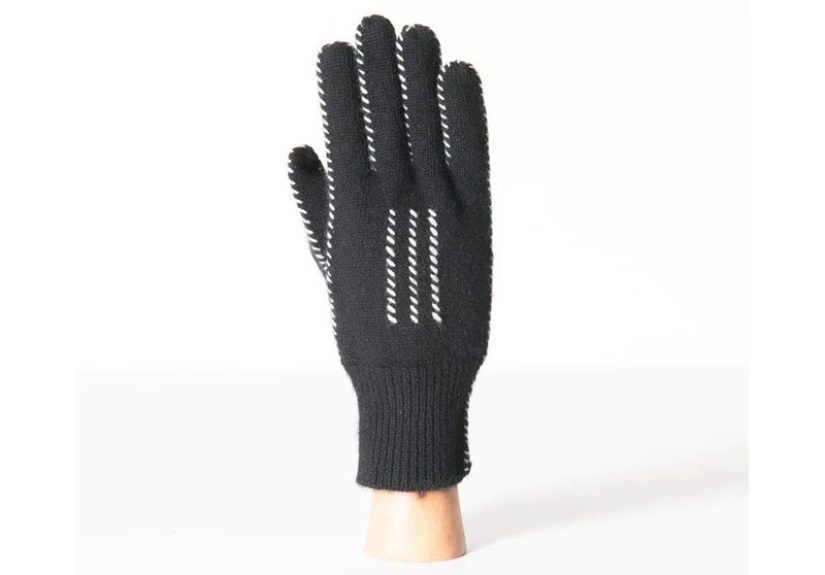
“Classic” doesn’t mean boring. It means the design survives trend cycles. A classic cashmere glove usually has a clean silhouette, neutral color, and minimal embellishment. Think black, charcoal, camel, navy, cream, or heather gray. Think ribbed cuffs, smooth knit, and a fit that follows the hand without squeezing it like a stress test.
Classic Design Traits
- Simple silhouette: No oversized bows, logos, or hardware unless you want a fashion-forward pair.
- Neutral palette: Easiest to wear with coats, blazers, and scarves you already own.
- Soft but structured knit: Enough stretch for comfort, enough recovery so they don’t bag out.
- Practical cuff length: A short rib for everyday wear or a longer cuff for extra wrist warmth.
- Versatile use: Suitable for commuting, errands, travel, and polished casual outfits.
Classic cashmere gloves also tend to come in two broad categories: full knit cashmere gloves (often 100% cashmere) and cashmere-lined gloves (usually leather outside, cashmere inside). Both can be excellent. The right choice depends on whether you prioritize softness and packability or more structure and wind resistance.
Understanding the Materials Before You Buy
Cashmere feels luxurious because the fiber is fine and soft, which is exactly why it needs thoughtful handling. In glove form, that softness is wonderful on dry, cold days and in day-to-day wear. It also means you should pay close attention to construction, labeling, and the conditions you’ll wear them in.
1) 100% Cashmere Knit Gloves
These are the “cozy elegance” option. They’re lightweight, soft, and easy to stash in a pocket or handbag. They pair beautifully with wool coats, tailored outerwear, and everyday city looks. Some brands also offer longer cuffs, which help seal the gap between your sleeve and glovea small detail that feels huge when wind shows up uninvited.
Best for: dry-cold commutes, walking, travel, casual-to-polished outfits, gifting.
Less ideal for: wet snow, sleet, long exposure in extreme cold, rugged outdoor activities.
2) Cashmere-Lined Leather Gloves
This is the classic “dressy winter glove” move: a leather exterior for durability and polish, cashmere lining for comfort and warmth. If you want something that looks sharp with formal coats, office wear, or evening outfits, this hybrid style is hard to beat. Many shoppers love them because they deliver a refined appearance without sacrificing that soft, warm feeling inside.
Some versions also include touchscreen-friendly fingertips. That’s useful if you’re constantly checking transit directions, answering calls, or pretending you’re just “quickly checking one email” while standing outside in 28°F weather.
3) What Labels and Descriptions Really Matter
The smartest buyers read the product label and care instructions, not just the headline. In the U.S., textile and wool labeling rules require key information like fiber content and country of origin, and care labels matter because they tell you whether home washing is appropriate or if professional care is recommended for that specific item.
In practical terms: check whether the glove is 100% cashmere, a cashmere blend, or cashmere-lined. Those are very different products at very different performance and price points.
How to Choose the Right Pair of Classic Cashmere Gloves
Choose by Use Case First (Not Just by Looks)
Start with how you’ll actually use them. If your winter life is mostly “car to office to dinner,” full cashmere knit gloves may be perfect. If you walk longer distances, deal with wind, or want a glove that looks dressier with tailored coats, cashmere-lined leather might be a better investment.
- Daily commuter: 100% cashmere knit with a longer cuff, or leather cashmere-lined if it’s windy.
- Office / business wear: Black or brown leather gloves with cashmere lining.
- Giftable luxury basic: Neutral cashmere knit gloves in gray, oatmeal, or navy.
- Travel: Lightweight knit cashmere (easy to pack, easy to pair).
- Coldest days: Consider layering or switching to mittens rather than relying on slim gloves alone.
Fit Matters More Than People Think
Gloves should feel snug but not tight. Too loose, and they won’t trap warmth well. Too tight, and you reduce comfort and dexterityand sometimes stretch the knit more than it was designed for. If your fingers feel compressed or the seams pull, size up. If you have extra floppy fingertips, size down (unless you plan to wear thin liners underneath).
For leather cashmere-lined gloves, fit is even more important because leather doesn’t behave like a stretch knit. A good fit looks sleek and feels secure, but still allows you to grip a steering wheel, hold a phone, or fish your keys out of your bag without performing a dramatic winter mime routine.
Color Strategy for a Truly Classic Look
If you want one pair to wear constantly, choose a neutral that matches your outerwear. Here’s a simple cheat sheet:
- Black: Most versatile for dressier coats and city wear.
- Charcoal/Gray: Great with black, navy, camel, and patterned coats.
- Navy: Understated and polished, especially with wool outerwear.
- Camel/Oatmeal: Soft, elevated look; beautiful with cream, tan, and brown coats.
- Burgundy/Forest Green: Still classic, but with personality.
How to Style Classic Cashmere Gloves Without Looking Overdone
The easiest styling trick is to treat gloves like you treat shoes: they don’t have to match everything exactly, but they should make sense with the outfit. The goal is cohesion, not costume.
Everyday City Uniform
Pair gray or black cashmere gloves with a wool coat, straight-leg jeans, ankle boots, and a scarf. This works because the gloves add texture and softness without competing with the rest of the look. If your coat is oversized, a slimmer glove keeps the outfit balanced.
Office and Business-Casual
Cashmere-lined leather gloves are the easiest way to look pulled together in winter. Wear them with a tailored overcoat, trousers, and loafers or boots. Black leather gloves read crisp and formal; dark brown reads classic and warm.
Evening Out
A sleek glove can elevate a simple coat-and-dress combo or a polished monochrome outfit. In colder months, gloves aren’t just functionalthey’re part of the look. A refined pair makes outerwear feel intentional rather than “I grabbed whatever was near the door.”
Travel Days
Lightweight cashmere gloves are excellent for flights and train travel because they’re soft, compact, and easy to remove. Tuck them into your coat pocket or carry-on side pocket so you’re not doing the classic airport scramble: boarding pass in one hand, coffee in the other, gloves mysteriously missing.
How to Care for Cashmere Gloves So They Last
This is where many beautiful gloves meet an unnecessarily dramatic ending. Cashmere is not impossible to care for, but it does reward gentleness. Always start with the care label for your specific pairespecially if the gloves include leather, trims, or structural components.
Washing Basics for Knit Cashmere Gloves
- Check the care label first.
- Use cool water and a gentle detergent made for delicates or wool.
- Hand-washing is usually the safest method for pure knit cashmere accessories.
- If machine washing is allowed, use a delicate cycle, cold water, and a mesh bag.
- Do not wring the gloves.
- Lay flat to dry and reshape gently.
- Avoid high heat (dryer, radiator, heater blast) to reduce shrinkage risk.
Pilling: Normal, Not a Crime
Pilling happens when fibers break and tangle, especially in high-friction areas. With gloves, friction comes from coat cuffs, bag straps, steering wheels, phone use, and basically “having hands.” Gentle washing and minimizing abrasion help. If pills appear, remove them carefully with a fabric shaver or other gentle de-pilling tool designed for knits.
Storage Tips
Store cashmere gloves clean and dry. Fold them flat instead of cramming them into a damp coat pocket for weeks. If you’re packing them away for the season, keep them in a breathable storage bag or drawer and away from moisture. Your future selfcold, late, and searching for gloves in Novemberwill be grateful.
When Classic Cashmere Gloves Are the Wrong Tool
Cashmere gloves are fantastic, but they are not a universal winter solution. For very cold, windy, or wet conditions, mittens often provide more warmth than gloves because fingers share heat. On the coldest days, layering systems (like a liner plus a warmer outer layer) can outperform a single elegant glove.
In other words, classic cashmere gloves are a style-forward everyday essentialnot a replacement for technical snow gloves when conditions get serious. If you’re shoveling, skiing, or spending long periods outside in extreme cold, use gear designed for that job.
Common Buying Mistakes to Avoid
Mistake #1: Buying for the Photo, Not the Climate
A slim cashmere glove looks gorgeous, but if your winter is windy, wet, and long, you may want a cashmere-lined leather pair or a second, warmer option in rotation.
Mistake #2: Ignoring the Care Label
“Cashmere” does not automatically mean “wash it however you like.” Construction matters. A pure knit glove is different from leather gloves with a cashmere lining.
Mistake #3: Choosing the Wrong Fit
Too-tight gloves reduce comfort and can stress the knit. Too-loose gloves feel sloppy and less warm. Get the fit right, and everything else works better.
Mistake #4: Expecting Zero Pilling Forever
Cashmere is soft, and softness comes with maintenance. A little pilling doesn’t mean you were scammed; it means the gloves are being worn and loved.
Conclusion: Why Classic Cashmere Gloves Are Worth It
Classic cashmere gloves are one of the rare winter accessories that balance comfort, polish, and practicality. They can make everyday outfits feel more intentional, keep your hands comfortable during regular cold-weather routines, and offer a timeless look you’ll reach for year after year. The key is choosing the right type100% cashmere knit or cashmere-lined leatherbased on how you actually live, not just how you want to look in a holiday catalog.
Buy with your climate in mind, pay attention to labels, treat them gently, and keep a realistic expectation of performance. Do that, and classic cashmere gloves won’t just be a seasonal impulse purchasethey’ll become a dependable cold-weather favorite.
Experience-Based Notes: Living With Classic Cashmere Gloves (Extended Section)
If you’ve never owned classic cashmere gloves before, the biggest surprise is usually not the warmthit’s the comfort. The first time you pull on a good pair during a cold morning commute, there’s a distinct “oh, this is nice” moment. Not dramatic. Not fireworks. Just a quiet upgrade. The gloves feel light, flexible, and soft enough that you don’t immediately want to rip them off the second you step indoors.
A common real-world experience is how much more often you actually carry them compared with bulky winter gloves. Thick gloves can be warm but annoying to store. Cashmere gloves, especially knit ones, tuck into coat pockets, bags, and even small compartments without a fight. That convenience matters. People are more likely to wear the things they can easily bring along, and more likely to bring along the things that don’t require advanced packing geometry.
Another experience many wearers mention is the “temperature sweet spot.” Classic cashmere gloves tend to feel best in cool-to-cold everyday conditionswalking to work, running errands, waiting for a ride, or strolling around a city in winter. They’re often perfect for those in-between days when your hands are cold enough to need coverage but not so cold that you need expedition-level insulation. In that range, they feel elegant and practical at the same time.
Style-wise, they earn their keep because they make ordinary outfits look finished. A wool coat, jeans, and boots can feel fine without gloves. Add a clean pair of cashmere gloves and suddenly it looks like you planned the outfit on purpose. That’s especially true with neutral colors. Black, charcoal, and camel don’t shout for attention, but they make everything around them look more polished.
There are trade-offs, of course. If you wear the same pair every day and rub them against rough coat cuffs, bags, or steering wheels, you may notice pilling over time. That’s normal, but it can surprise first-time buyers who expect “luxury” to mean “never needs maintenance.” Cashmere is a little like a nice sweater: it rewards care. A quick de-pill session and gentle wash can make a heavily used pair feel presentable again.
People who switch from basic synthetic gloves to cashmere-lined leather gloves often describe the change as a “best of both worlds” experience: polished outside, cozy inside. They’re especially popular for work commutes, dressier outfits, and occasions when you want to look put-together without sacrificing comfort. The main downside is that once you get used to them, regular stiff winter gloves can feel like punishment.
In short, the day-to-day experience of classic cashmere gloves is less about flashy luxury and more about consistent pleasure: soft feel, easy wear, improved outfits, and enough warmth for ordinary winter life. They won’t replace technical snow gear, but they don’t need to. Their job is to make daily cold weather feel easierand a little more stylishand in that role, they’re excellent.