Table of Contents >> Show >> Hide
- Why This Stir Fry Works
- Snow Peas 101: What You’re Actually Cooking
- Ingredients
- Step-by-Step Recipe
- Step 1: Mix the Sauce (Do This First. Future You Will Thank You.)
- Step 2: Prep Everything (A.K.A. Stir-Fry Mise en Place)
- Step 3 (Optional): Velvet the Protein for Tender, Glossy Results
- Step 4: Sear the Protein (Fast, Hot, and in Batches)
- Step 5: Stir-Fry the Aromatics and Snow Peas
- Step 6: Sauce, Toss, Finish
- Quick Taste Fixes (Because Soy Sauce Brands Vary)
- Variations (Same Wok, Different Vibes)
- Serving Ideas
- Storage and Meal Prep
- FAQ
- Kitchen Stories and Real-World Tips (Because Stir-Fry Has a Personality)
If you’ve ever ordered a Chinese stir-fry and wondered, “How is this so glossy, so snappy-crisp, and somehow ready in the
time it takes my rice cooker to blink twice?”welcome. This is the kind of fast, high-heat cooking that rewards preparation
more than patience. (Which is great news for hungry people and terrible news for anyone who likes to “wing it.”)
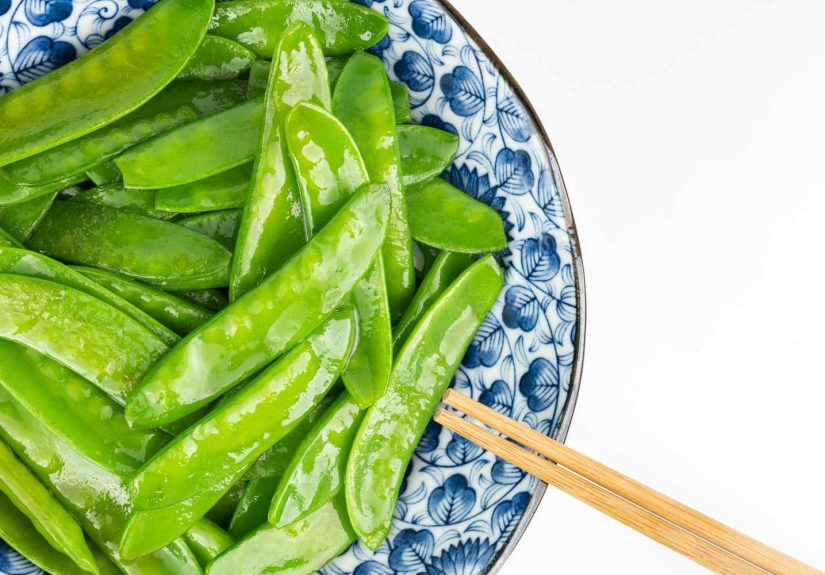
This Chinese stir fry with snow peas and soy sauce is built around two things: bright-green, crunchy-tender snow peas and a
simple soy sauce stir-fry sauce that tastes like it’s been training at a restaurant for years. We’ll keep the ingredient list
friendly, the steps crystal clear, and the results… dangerously repeatable.
Why This Stir Fry Works
- Snow peas cook in minutes and stay crisp when you don’t overthink them.
- Soy sauce + a touch of sugar creates that classic savory-sweet balance without being sticky-syrupy.
- Cornstarch helps the sauce cling instead of pooling sadly at the bottom of the plate.
- High heat + quick batches means you stir-fryrather than steamyour dinner.
Snow Peas 101: What You’re Actually Cooking
Snow peas are the flat, edible-pod peas with tiny peas inside. They’re different from sugar snap peas, which are plumper,
rounder, and usually sweeter. Either can work in a stir-fry, but snow peas give you that classic “thin, crisp bite” that
screams takeoutin a good way.
How to Prep Snow Peas (So They Don’t Fight Back)
- Rinse and dry well (water is the enemy of searing).
- Trim the stem end.
- Pull the string along the seam if it’s tough (some packages are “stringless,” but reality likes to improvise).
Ingredients
For the Stir Fry
- 8–10 oz snow peas, trimmed and de-stringed if needed
- 1 tbsp neutral oil (avocado, canola, grapeseed)
- 2–3 cloves garlic, minced
- 1 tbsp fresh ginger, minced (or 1–2 tsp from a jar in a pinch)
- 3–4 scallions, sliced (white and green parts separated)
- Optional protein: 8–10 oz chicken breast/thigh, shrimp, flank steak, or firm tofu (see variations)
For the Soy Sauce Stir-Fry Sauce
- 3 tbsp soy sauce (regular or Chinese light soy sauce)
- 1 tbsp water or low-sodium chicken/veg broth
- 1–2 tsp sugar (or honey; adjust to taste)
- 1 tsp toasted sesame oil (adds aroma; don’t cook it too hard)
- 1 tsp cornstarch
- 1 tbsp Shaoxing wine (optional, but very “restaurant”); substitute dry sherry or omit
- Optional heat: pinch of chili flakes or a dab of chili-garlic sauce
Optional: Quick Velveting Marinade (If Using Chicken/Beef/Shrimp)
- 1 tbsp water
- 1 tsp soy sauce
- 2 tsp cornstarch
- 1 tsp oil
- Optional: pinch of white pepper
Step-by-Step Recipe
Step 1: Mix the Sauce (Do This First. Future You Will Thank You.)
In a small bowl, whisk together soy sauce, water/broth, sugar, sesame oil, cornstarch, and Shaoxing wine (if using).
Set it next to the stove. Your stir-fry will cook faster than your brain can remember where you put the sauce.
Step 2: Prep Everything (A.K.A. Stir-Fry Mise en Place)
Trim the snow peas. Mince garlic and ginger. Slice scallions and separate whites from greens. If using protein, slice it
thinly against the grain (for beef) or into bite-size pieces (for chicken/tofu). Pat protein drymoisture slows browning.
Step 3 (Optional): Velvet the Protein for Tender, Glossy Results
Toss sliced protein with the velveting marinade ingredients and let sit for 10–20 minutes while you prep the vegetables.
This step helps protect the protein during high heat and encourages that soft, “silky” restaurant texture.
Step 4: Sear the Protein (Fast, Hot, and in Batches)
- Heat a wok or large skillet over high heat until very hot.
- Add 1–2 teaspoons oil and swirl to coat.
-
Add the protein in a single layer. Let it sear without moving for about 45–60 seconds, then stir-fry until
mostly cooked through. - Transfer protein to a plate. (It will finish cooking when it returns to the pan.)
Pro tip: If your pan is crowded, your food will steam. If your food steams, you’ll have a very flavorful
“sad sauté.” Cook in batches and keep the heat high.
Step 5: Stir-Fry the Aromatics and Snow Peas
- Add a touch more oil if the pan looks dry.
- Add scallion whites, garlic, and ginger. Stir-fry 10–30 seconds until fragrant.
-
Add snow peas. Stir-fry 1–3 minutes, tossing constantly, until bright green and crisp-tender.
(You’re aiming for “still crunchy,” not “green beans at a buffet.”)
Step 6: Sauce, Toss, Finish
- Give the sauce a quick re-whisk (cornstarch settles).
- Pour sauce around the sides of the hot pan, then toss everything together.
- Return the protein to the pan and stir-fry 30–60 seconds until the sauce turns glossy and lightly thickened.
- Turn off the heat. Add scallion greens. Taste and adjust (see below).
Quick Taste Fixes (Because Soy Sauce Brands Vary)
- Too salty? Add a splash of water/broth and a pinch more sugar.
- Not savory enough? Add 1–2 teaspoons soy sauce.
- Want more depth? A tiny splash of Shaoxing wine or a drop more sesame oil helps.
- Want more sauce? Double the sauce ingredients and cook 10–15 seconds longer to thicken.
Variations (Same Wok, Different Vibes)
Chicken + Snow Peas (Classic Takeout Style)
Use chicken breast or thigh. Velvet it if you want restaurant tenderness. Serve with steamed jasmine rice and pretend you
didn’t just cook dinner in under 20 minutes.
Beef + Snow Peas
Use flank steak or sirloin, sliced thinly against the grain. Keep the cooking time shortbeef goes from tender to chewy
faster than a text message goes unanswered.
Shrimp + Snow Peas
Shrimp cooks lightning fast. Sear 60–90 seconds total, remove, and return at the end just long enough to turn opaque.
Tofu + Snow Peas (Crispy, Plant-Based, Still Bold)
Use firm or extra-firm tofu. Press it, cube it, then pan-sear until golden before stir-frying with the snow peas. Tofu loves
this sauce like it pays rent.
Serving Ideas
- Rice: jasmine, brown rice, or coconut rice
- Noodles: lo mein, rice noodles, or even spaghetti (we won’t tell)
- Extra veg: mushrooms, bell peppers, carrots, or baby corn
- Crunch: toasted sesame seeds or crushed roasted peanuts
Storage and Meal Prep
Stir-fries are best fresh, but leftovers still make a great lunch. Store in an airtight container for up to 3 days.
Reheat quickly in a hot skillet or wok. Microwave works too, but the snow peas may soften more (still tasty, just less snappy).
FAQ
Can I use sugar snap peas instead of snow peas?
Yes. Snap peas are plumper and often sweeter, but they stir-fry well. Just trim and de-string as needed, and keep the cook
time short so they stay crisp.
Is “light soy sauce” the same as low-sodium soy sauce?
Not necessarily. “Light” often refers to color and style (commonly used in Chinese cooking), while “low-sodium” is a salt
reduction. If you’re sensitive to salt, choose a low-sodium option and taste as you go.
How do I keep the snow peas bright green?
High heat, short cook time, and constant tossing. If you want extra insurance, you can quickly blanch the snow peas for
30–60 seconds, then dry them well before stir-frying.
Why is my stir-fry watery?
Usually one of three things: the pan wasn’t hot enough, the pan was overcrowded, or the vegetables weren’t dried well.
Cook in batches, crank the heat, and keep moisture under control.
Kitchen Stories and Real-World Tips (Because Stir-Fry Has a Personality)
The first time most people try a “quick Chinese stir fry with snow peas and soy sauce,” they assume the wok is doing all the
work. Spoiler: it’s not. You are. The wok is just a very hot stage and you’re the performer. If you show up unpreparedgarlic
still in its papery pajamas, sauce ingredients scattered across your counter like a scavenger huntyour stir-fry will absolutely
roast you. Not with flavor. Emotionally.
The best home-cook breakthrough is realizing stir-fry is 80% prep and 20% sprinting. Once your snow peas are trimmed and your
sauce is mixed, cooking feels like a magic trick: everything hits the pan, you toss like you’re auditioning for a cooking show,
and suddenly you’re eating. It’s also the moment you learn why restaurants taste so “together.” They don’t cook faster because
they have secret flames. They cook faster because everything is ready before the heat starts.
Another real-life lesson: snow peas are divas about timing. Give them too little heat and they taste raw-raw (like lawn clippings
with ambition). Give them too much and they go dull and floppy. The sweet spot is crisp-tenderbright green, still snappy, and
basically the vegetable version of “fresh out of a spa.” If you’re unsure, pull one out at the 90-second mark, cool it for a
second, and taste. This is cooking, not a trust fall.
Sauce-wise, the biggest surprise is how tiny adjustments change everything. One extra teaspoon of sugar can make the soy taste
rounder and less sharp. A little more water can calm a salty brand of soy sauce. A final drizzle of toasted sesame oil makes the
whole dish smell like you know what you’re doingeven if you accidentally wore your “good” shirt and now it’s wearing soy sauce.
And let’s talk about heat: if your stir-fry looks like it’s “simmering,” it’s not stir-frying. It’s steaming with confidence.
That’s why batches matter. Cooking the protein first, removing it, and finishing everything at the end feels fussy… until you taste
the difference. Suddenly you get browning, not beige. You get sauce that clings, not sauce that puddles. You get that “takeout
texture” without leaving your kitchenor paying for delivery fees that cost more than the snow peas.
Finally, stir-fry is forgiving in the best way: once you learn the rhythm, you can swap proteins, toss in whatever vegetables are
hanging out in your crisper drawer, and still land a dinner that feels intentional. Snow peas and soy sauce are the anchor here,
but the real win is that you’ll start seeing your kitchen like a stir-fry toolkit: hot pan, quick sauce, fast cook, big flavor.
It’s the weeknight superpower you didn’t know you needed.