Table of Contents >> Show >> Hide
- What Makes a Great Chicken Enchilada?
- Ingredients Checklist
- Classic Baked Chicken Enchiladas (Foolproof Method)
- Red vs. Green vs. Creamy: Picking Your Enchilada Sauce
- The Tortilla Truth: How to Avoid Soggy Chicken Enchiladas
- Chicken Enchiladas Variations That Actually Make Sense
- Make-Ahead, Freezing, and Reheating Tips
- Food Safety (Because No One Wants “Regret Enchiladas”)
- Troubleshooting: Fix the Usual Enchilada Problems
- What to Serve with Chicken Enchiladas
- Experiences: The Real-Life Joy of Chicken Enchiladas (Plus a Few Lessons Learned)
- SEO Tags
Chicken enchiladas are the kind of dinner that make everyone in the house wander into the kitchen like cartoon characters
following a visible scent trail. They’re warm, saucy, cheesy, a little spicy (if you want), and suspiciously good at
turning “What’s for dinner?” into silence. The best part? Chicken enchiladas can be weeknight-easy, party-worthy, and
freezer-friendlyall while looking like you worked harder than you did. (We won’t tell.)
In this guide, we’ll get delightfully specific: how to pick tortillas that don’t self-destruct, how to keep enchiladas from
turning soggy, what sauce to use when you’re feeling bold (or lazy), and a foolproof method for rolling everything up like a
tasty little sleeping bag.
What Makes a Great Chicken Enchilada?
A truly great chicken enchilada hits four notes at once: tender shredded chicken, a sauce that actually tastes like
something, tortillas that stay intact, and melted cheese that pulls like a movie scene. The trick is balancing moisture.
Enchiladas should be saucynot swampy. Think “cozy casserole,” not “tortilla soup you can slice.”
The biggest difference between fine enchiladas and cancel-all-plans enchiladas is technique: warming (or lightly
frying) tortillas so they roll without cracking, coating tortillas so they taste seasoned all the way through, and baking just
long enough to marry flavors without turning everything into mush.
Ingredients Checklist
The Chicken
Shredded chicken is the classic move. Rotisserie chicken makes this fast. Leftover roasted chicken makes it taste like you
have your life together. Poached chicken works too, but please season itplain poached chicken has the emotional range of a
stapler.
- Amount: Plan on about 2 to 3 cups shredded chicken for a 9×13 pan (roughly 8 to 10 enchiladas).
- Flavor boosters: Cumin, chili powder, garlic, sautéed onion, chopped green chiles, lime juice, cilantro.
Tortillas
Corn tortillas are the traditional enchilada tortilla. They taste like corn (great), and they soften beautifully when handled
correctly. Flour tortillas are more “Tex-Mex casserole vibes”still delicious, but softer and more prone to getting gummy if
you drown them in sauce.
Sauce
You’ve got options: red enchilada sauce, salsa verde (green), or a creamy green sauce (often made with salsa verde plus dairy).
The “best” sauce is the one you’ll happily eat with a spoon while no one is watching.
Cheese
Melty cheeses like Monterey Jack, cheddar, or a Mexican blend are popular. For extra authenticity and tang, add crumbles of
queso fresco on top after baking, so it stays bright.
Classic Baked Chicken Enchiladas (Foolproof Method)
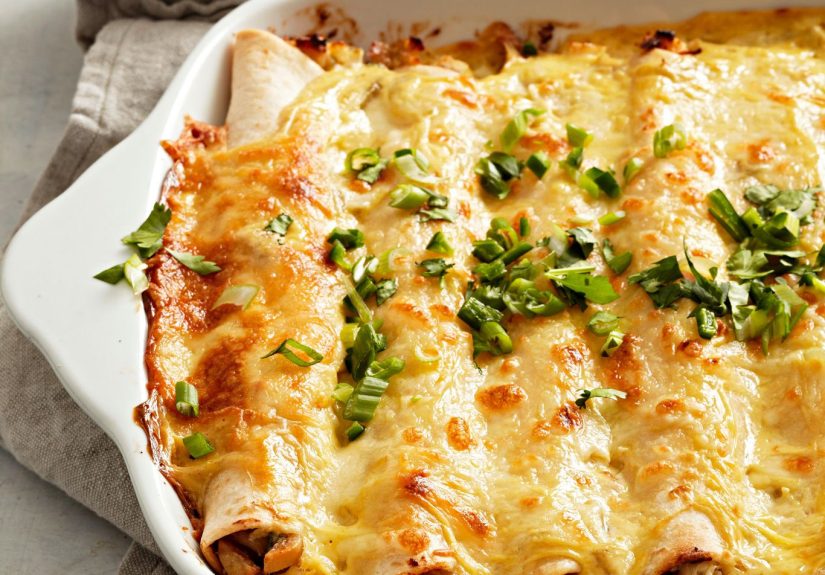
This is the crowd-pleasing, weeknight-friendly version: rolled tortillas, shredded chicken filling, sauce, cheese, and a bake
that brings it all together.
Step 1: Prep the oven and pan
Heat your oven to 350°F. Spread a thin layer of sauce on the bottom of a 9×13 baking dishjust enough to keep
tortillas from sticking and to start flavoring from below.
Step 2: Make the filling (a.k.a. “why does it smell so good?”)
In a bowl, combine shredded chicken with a handful of shredded cheese, a small handful of chopped onion, and a few spoonfuls
of sauce (or salsa) to keep it moist. Add cumin and chili powder if your sauce is mild. A squeeze of lime makes everything
taste more alive.
- Simple filling idea: chicken + onion + green chiles + cumin + cheese + a splash of sauce
- Heartier option: add black beans or pinto beans, plus sautéed peppers
Step 3: Soften tortillas so they don’t crack
Warm tortillas before rolling. You can microwave them briefly wrapped in a damp paper towel, warm them in a skillet, or (for
the best texture) lightly fry corn tortillas for just a few seconds per side to create a moisture-resistant surface.
Step 4: Dip, fill, and roll
Pour some sauce into a shallow bowl. Lightly coat each tortilla in sauce (quick dip, not a long bath), then place a modest line
of filling down the center and roll snugly. Put enchiladas seam-side down in the dish so they stay rolled.
Pro tip: Overstuffing is the fastest way to tear tortillas and leak filling everywhere. Keep it to a few tablespoons
per tortillathis isn’t a burrito, it’s a tidy little flavor package.
Step 5: Sauce + cheese + bake
Pour remaining sauce over the top (enough to coat, not flood), then sprinkle generously with cheese. Cover with foil and bake
until hot and bubbly, about 25–30 minutes. Uncover for the last 5–10 minutes if you want a more browned top.
Step 6: Rest and serve
Let the enchiladas rest 5–10 minutes before serving. This helps them set so you can lift one out without it turning into a
delicious landslide.
Red vs. Green vs. Creamy: Picking Your Enchilada Sauce
Red enchilada sauce
Red sauce usually leans on chili powder or dried chiles, plus tomato, garlic, and spices. It’s smoky, cozy, and classic for
shredded chicken enchiladas. If you’re serving a crowd with different spice tolerances, red sauce is often the safest bet.
Salsa verde (green)
Salsa verde is bright, tangy, and usually tomatillo-based. It pairs beautifully with chicken, especially if you add a little
lime and cilantro to the filling. Green chicken enchiladas are the “I want something lighter but still cheesy” choice.
Creamy green sauce
Mix salsa verde with sour cream, crema, or a bit of heavy cream for a richer sauce that feels restaurant-y. It’s also a great
option if your crowd likes mild heatcream smooths the edges.
The Tortilla Truth: How to Avoid Soggy Chicken Enchiladas
Soggy enchiladas are usually caused by one of three things: un-prepped tortillas, too much sauce, or baking too long. Here’s
the fix:
1) Prep tortillas (seriously, don’t skip this)
Corn tortillas are happiest when briefly warmed or lightly fried before rolling. That quick heat makes them pliable and helps
them hold up to sauce.
2) Coat tortillas instead of drowning the pan
Dipping tortillas in sauce does two helpful things: it seasons the tortilla (so every bite tastes like enchilada, not just
chicken-and-cheese), and it reduces the temptation to pour a gallon of sauce on top.
3) Use “enough” sauce, not “all the sauce”
Think: a light layer on the bottom, a coating over the enchiladas, and maybe a little extra at the edges. If sauce pools
deeply in the pan, it can turn your tortillas into a soft paste.
Chicken Enchiladas Variations That Actually Make Sense
Easy chicken enchiladas with rotisserie chicken
Shred the chicken, mix it with a little sauce and cheese, roll, and bake. This is the shortcut version that still tastes like
you tried.
Smoky chipotle chicken enchiladas
Add a spoonful of chipotle in adobo (or chipotle powder) to your sauce or filling for a smoky kick. Great with cheddar and
pickled onions.
Creamy chicken enchiladas
Use a creamy green sauce, add sautéed onions, and finish with cilantro. The vibe: comforting, rich, and “why did we ever eat
plain chicken?”
Skillet chicken enchiladas (weeknight superhero mode)
If you hate rolling, a skillet version layers tortillas and filling like a quick enchilada “lasagna.” Same flavors, fewer
steps, less chance of tortilla tantrums.
Make-Ahead, Freezing, and Reheating Tips
Chicken enchiladas are ideal for meal prep. You can assemble them, cover tightly, and refrigerate for a day before baking.
They also freeze well.
Make-ahead plan
- Assemble enchiladas in the dish.
- Cover tightly and refrigerate up to 24 hours.
- Bake at 350°F until heated through (add a few extra minutes if cold).
How to freeze chicken enchiladas
- Assemble in a freezer-safe dish and cool completely if baked, or freeze unbaked for best texture.
- Wrap tightly (plastic wrap + foil, or a well-sealed lid).
- Label it. Future-you deserves to know what this is.
Reheating without sadness
Reheat covered at about 350°F until hot. Covering prevents the top from drying out before the middle warms. If you want a
bubbly top, uncover for the last few minutes.
Food Safety (Because No One Wants “Regret Enchiladas”)
If you’re cooking chicken from raw, make sure it reaches a safe internal temperature of 165°F. For leftovers,
refrigerate promptly and reheat until steaming hot.
Troubleshooting: Fix the Usual Enchilada Problems
“My tortillas crack when I roll them.”
Warm them first. Corn tortillas need heat to become flexible. If they still crack, your tortillas might be stale, or you’re
rolling too slowlywork in batches and keep the rest covered so they stay warm.
“My chicken enchiladas are bland.”
Season the filling, not just the sauce. Add cumin, garlic, onion, a pinch of salt, and something bright (lime, cilantro, or a
little salsa). A sprinkle of salt on top before baking also helps.
“Everything is soggy.”
Next time: prep tortillas (warm or lightly fry), reduce sauce volume, and bake only until heated through. Also, avoid letting
enchiladas sit in the pan too long after bakingsteam keeps softening tortillas.
What to Serve with Chicken Enchiladas
Chicken enchiladas love company. Keep sides simple so the main dish stays the star:
- Cilantro-lime rice or Mexican rice
- Black beans or refried beans
- A crunchy salad with lime vinaigrette
- Guacamole, pico de gallo, or sliced avocado
- Pickled jalapeños for heat-seekers
Experiences: The Real-Life Joy of Chicken Enchiladas (Plus a Few Lessons Learned)
There’s a specific kind of happiness that happens when a pan of chicken enchiladas comes out of the ovenbubbling at the
edges, smelling like roasted chiles and melted cheese, and sounding faintly like a victory speech. It’s not just “dinner.”
It’s a ceremony. Someone inevitably leans over the pan and says, “Okay, wow.” Someone else tries to snag a corner piece
because the crispy edges are basically a snack reward for existing.
If you’ve ever made chicken enchiladas with other people, you know they naturally assign roles. One person shreds the chicken
like they’re auditioning for an infomercial. One person handles sauce with the seriousness of a paint joblight coat, even
strokes, no drips. Another person is in charge of cheese, which is code for “eat cheese while sprinkling cheese.” And
someone, usually the most patient adult in the room, becomes the Tortilla Wrangler, warming tortillas so they stay pliable
instead of cracking like a tiny edible drywall.
Then comes the assembly line moment, which feels oddly satisfying. Dip. Fill. Roll. Repeat. It’s like meal prep with a
payoff. You line them up seam-side down, tucked closely together like they’re huddling for warmth. You spoon sauce on top,
watching it slide into the little gaps, and suddenly it looks like a restaurant dishexcept your restaurant is your kitchen
and the music is a dishwasher hum.
The funniest part is how enchiladas make time do weird things. Five minutes before they’re done, everyone becomes
suspiciously helpful. People “just happen” to wander near the oven. Someone asks if you need them to set the table, which is
adorable and also absolutely a strategic move. The moment you pull the pan out, you can practically hear forks being
sharpened in the distance.
And the lessons? Chicken enchiladas teach them gently, like a wise, cheesy mentor:
-
Lesson one: Warm tortillas are non-negotiable. Cold tortillas crack, and cracked tortillas leak filling.
Leaked filling turns into pan-bottom treasure, which is delicious, but also chaos. -
Lesson two: “More sauce” is not always “more better.” The goal is cozy and coated. If your enchiladas need
a snorkel, you’ve gone too far. -
Lesson three: Resting matters. If you cut in immediately, everything slides. Wait a few minutes and the
enchiladas hold together like they’ve had time to collect themselves emotionally.
Finally, there’s the leftover experiencearguably the hidden superpower of chicken enchiladas. The next day, the flavors
settle in and become even more unified, like a band that finally learned to play in sync. Reheated properly, they’re still
saucy, still cheesy, and still capable of making a Tuesday lunch feel like a small celebration. If you’re lucky, you’ll have
just one portion left, and you’ll guard it with the intensity of a dragon protecting its treasure. If you’re extra lucky,
you’ll have enough to sharebecause chicken enchiladas, at their best, are the kind of food that makes people feel taken
care of.
SEO Tags