Table of Contents >> Show >> Hide
- Quick refresher: what kidney stones are (and why they’re so rude)
- What the research suggests about antibiotics and kidney stones
- Which antibiotics are most often linked to higher stone risk?
- How could antibiotics raise kidney stone risk?
- Who may be at higher risk?
- If you need antibiotics, what should you do (and not do)?
- Practical prevention: what actually lowers kidney stone risk?
- Symptoms that deserve attention
- Bottom line: antibiotics aren’t the villain, but “unnecessary antibiotics” might be
- Real-life experiences: what people often notice (about )
- Experience #1: “I took antibiotics for a UTI… and months later I got a stone. Are they connected?”
- Experience #2: “I’ve been on and off antibiotics for years. Does that stack up risk?”
- Experience #3: “My teen had antibiotics a lot as a kid. Now we’re dealing with stoneswhy?”
- Experience #4: “I’m scared to take antibiotics now. What if I get stones?”
Antibiotics are lifesavers. They’ve helped turn once-scary infections into “take this for a week and call me if your symptoms get dramatic” situations.
But in the fine print of modern medicine, researchers have noticed something awkward: some commonly prescribed oral antibiotics are linked to a
higher risk of kidney stones.
Before anyone panic-throws their pill bottle into the nearest volcano: this doesn’t mean antibiotics “cause” stones in every person, or that you should stop a
prescribed medication. It means there’s evidence that certain antibiotic classes may tilt the oddsespecially in kids, teens, and people who get antibiotics often.
And when you combine that with already-rising kidney stone rates, it’s worth understanding what’s going on.
Quick refresher: what kidney stones are (and why they’re so rude)
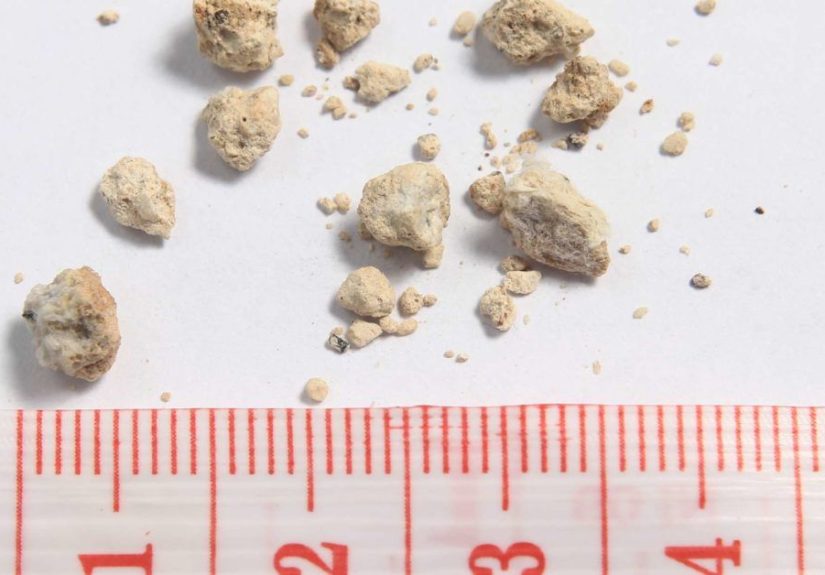
Kidney stones are hard deposits made from minerals and salts that can form when urine gets too concentrated and crystals start sticking together.
The most common type is calcium oxalate, but stones can also be made of calcium phosphate, uric acid, cystine, or infection-related material
(like struvite). Translation: stones are basically “leftovers” that your body didn’t dissolve and flush out in time.
The biggest universal risk factor is boring but powerful: not enough fluid. Concentrated urine gives crystals more chances to meet, mingle,
and form a tiny rock band that tours your urinary tract uninvited.
What the research suggests about antibiotics and kidney stones
The antibiotic–kidney stone link comes from large observational studies (the kind that analyze real-world health records over time).
These studies can’t prove perfect cause-and-effectbecause humans are complicated and don’t live in lab cagesbut they can spot patterns strong enough to take seriously.
In one widely discussed study of oral antibiotic exposure and kidney stone disease, several antibiotic classes were associated with increased odds of nephrolithiasis
(the clinical word for “kidney stones are happening again, sorry”). The association was strongest soon after antibiotic use and tended to be more pronounced in
younger people.
Other research, including analyses in large long-running cohorts, also points toward a relationship between antibiotic use and later stone riskespecially with
longer or repeated antibiotic courses. The big theme across papers is consistent: antibiotics can disrupt the microbiome (your body’s bacterial ecosystem),
and that disruption may influence stone-forming chemistry.
Which antibiotics are most often linked to higher stone risk?
Not all antibiotics show the same pattern. The data most often flags specific classes. Below is a plain-English overviewplus common examples you may recognize
from pharmacy labels.
| Antibiotic class | Common examples (not a full list) | Common reasons prescribed | Why it might matter for stones |
|---|---|---|---|
| Sulfonamides (“sulfas”) | Trimethoprim-sulfamethoxazole (TMP-SMX) | UTIs, skin infections, some respiratory infections | Strong association in some studies; may shift gut bacteria involved in oxalate handling |
| Cephalosporins | Cephalexin, cefdinir | Ear infections, sinus infections, skin infections, UTIs | May alter microbiome diversity and metabolite production that affects urine chemistry |
| Fluoroquinolones | Ciprofloxacin, levofloxacin | Some UTIs, prostatitis, certain gastrointestinal infections | Broad microbiome effects; linked in some datasets with higher stone risk |
| Nitrofurantoin / methenamine | Nitrofurantoin, methenamine | UTI treatment or prevention | Often used for urinary issuesassociation may be influenced by infection history and microbiome shifts |
| Broad-spectrum penicillins | Amoxicillin, amoxicillin-clavulanate | Sinus infections, ear infections, dental infections, respiratory infections | Can affect gut flora and urinary metabolites that influence crystallization risk |
A key nuance: some antibiotics on this list are prescribed frequently in childhood and adolescence, and the strongest associations in certain studies appear at younger ages.
That doesn’t mean “kids shouldn’t get antibiotics.” It means antibiotic stewardshipusing the right drug only when it’s truly neededmatters for more than
just antibiotic resistance.
How could antibiotics raise kidney stone risk?
1) Microbiome disruption (aka: your gut bacteria are doing math)
Your gut microbiome helps process nutrients, produce metabolites, and influence what gets absorbed into your bloodstreamand eventually filtered into your urine.
Some gut bacteria help break down oxalate, a natural compound found in many foods (like spinach, nuts, and certain grains). Oxalate is a major
ingredient in the most common type of kidney stone: calcium oxalate.
Antibiotics, especially broad-spectrum ones, can reduce microbial diversity and suppress certain helpful bacteria. If oxalate-degrading bacteria drop, more oxalate
may be available for absorption, potentially increasing urinary oxalate in some people. Researchers have specifically studied Oxalobacter formigenes, a bacterium
associated with oxalate metabolism, and found that antibiotic exposure can suppress colonization.
2) Changes in urine chemistry
Stones form when urine becomes “supersaturated” with stone-forming substances (like calcium, oxalate, or uric acid) and doesn’t have enough inhibitors (like citrate).
Microbiome shifts can influence metabolites that may affect urine pH, citrate, and other factors linked to crystallization. Not every person responds the same way,
which is why two people can eat the same salad and only one of them ends up bargaining with the universe at 3 a.m.
3) The infection factor (and the “why were you on antibiotics?” question)
Antibiotics don’t happen in a vacuum. People take them because they’re sickoften with infections that can affect hydration, appetite, and inflammation.
A bad stomach bug plus antibiotics, for example, can mean fluid loss and concentrated urine. And recurrent UTIs matter because certain bacteria can contribute
to infection stones (struvite) in susceptible cases.
That’s why researchers are careful with language: the link is an association, and the underlying infection, dehydration during illness, and other factors may
also contribute. Still, the pattern has shown up strongly enough that microbiome disruption is considered a plausible pathway.
Who may be at higher risk?
- Kids and teens (especially with repeated antibiotic exposure)
- People with a history of stones or a strong family history
- Frequent antibiotic users (chronic sinus issues, recurrent UTIs, acne treatments, repeated ear infections)
- People prone to dehydration (athletes, outdoor workers, anyone living in hot climates without enough fluids)
- People with digestive conditions that affect absorption (some bowel diseases can increase oxalate absorption)
If you need antibiotics, what should you do (and not do)?
Let’s be crystal clear: don’t stop antibiotics on your own. An untreated bacterial infection can be far more dangerous than a theoretical risk bump.
The smarter move is to use antibiotics thoughtfully and protect your kidneys while you’re taking them.
Smart questions to ask your clinician
- “Do I definitely need an antibiotic, or could this be viral?”
- “If I need one, is there a narrower option that targets the infection without being extra broad?”
- “Given my history (stones, UTIs, family risk), is there anything I should watch for?”
Stone-friendly habits during and after antibiotics
- Hydrate like it’s your part-time job. Aim for pale-yellow urine. If your doctor gave you fluid restrictions for any reason, follow their guidance instead.
- Don’t “punish” yourself with salty comfort food. High sodium can increase urinary calcium, which helps stones form.
- Keep dietary calcium reasonable. It sounds backward, but adequate calcium from food can bind oxalate in the gut so less reaches the urine.
- Consider citrus. Citrate (found in lemon/lime/orange juices) can help inhibit stone formation in some people.
Practical prevention: what actually lowers kidney stone risk?
If you’re trying to reduce kidney stone riskwhether antibiotics are involved or notthese prevention strategies are the “big rocks” (pun fully intended).
They’re widely recommended across kidney and urology guidance.
1) Drink enough fluid (the #1 lever)
More fluid dilutes the urine, lowering the concentration of stone-forming minerals. Many kidney stone prevention recommendations focus on producing a high urine volume,
not just “drinking water sometimes.” If plain water feels boring, adding citrus can be helpful for some people, and foods with high water content can contribute too.
2) Reduce sodium (because salt drags calcium along for the ride)
High sodium intake increases urinary calcium in many people. That can raise the risk for calcium-based stones. Cutting back on heavily processed foods,
fast food, and salty snacks can make a meaningful difference.
3) Don’t slash dietary calcium without medical guidance
Many people assume “calcium stone = avoid calcium,” but that’s not usually the right move. Dietary calcium can bind oxalate in the intestines so less oxalate gets absorbed.
If you need calcium supplements for a specific reason, ask your clinician about timing (often with meals) and dose.
4) Be selective with oxalate-heavy foods (if you’re prone to calcium oxalate stones)
You don’t need to fear spinach like it’s a villain in a superhero movieunless your urine tests show high oxalate or your clinician recommends an oxalate-aware approach.
For people who are prone, pairing oxalate-rich foods with calcium-containing foods during meals can help reduce absorption.
5) Keep animal protein in check
High animal protein intake can affect urine pH and increase uric acid, which can contribute to certain stones. You don’t have to swear off burgers forever.
Think “balance,” not “banishment.”
Symptoms that deserve attention
Kidney stones can cause severe flank pain, nausea, and blood in urine. But symptoms can overlap with UTIs, and sometimes both can happen together.
Seek urgent medical care if you have fever, chills, severe pain, vomiting, or trouble urinatingespecially because infection plus blockage can be dangerous.
If you’re a teen, loop in a parent/guardian and a clinician quickly.
Bottom line: antibiotics aren’t the villain, but “unnecessary antibiotics” might be
The most responsible takeaway is not “avoid antibiotics.” It’s:
use antibiotics only when appropriate, and if you need them, protect your hydration and kidney-stone risk factorsespecially if you have a personal or family history.
Antibiotics can be essential. Kidney stones can be miserable. You can take the first seriously and work to prevent the secondwithout turning your medicine cabinet into a crime scene.
Real-life experiences: what people often notice (about )
Everyone’s medical story is different, but clinicians and patient communities often describe a few repeating “real-world” patterns when antibiotics and kidney stone risk show up in the same conversation.
Think of these as common experience scenariosnot diagnoses, not guarantees, and definitely not a reason to ignore professional advice.
Experience #1: “I took antibiotics for a UTI… and months later I got a stone. Are they connected?”
This is one of the most common worries because the timeline can feel suspicious. A person gets a UTI, takes an antibiotic, feels better, and thenweeks or months latergets classic stone pain.
The confusion is understandable because UTIs and stones can overlap: infections can change hydration habits (people drink less when they feel awful), and stones can irritate the urinary tract and mimic infection symptoms.
What many people report is the “wait… is my body mad at me?” feeling. Clinicians usually respond by looking at the full picture: hydration, diet, family history, urine tests, and whether stones have happened before.
The experience takeaway: if you’re worried, ask for a stone analysis (if you pass one) and a urine evaluation so prevention can be personalized.
Experience #2: “I’ve been on and off antibiotics for years. Does that stack up risk?”
People with chronic or recurring issuessinus infections, ear infections, acne, recurrent UTIsoften describe “antibiotic seasons” where they’re prescribed multiple courses close together.
What they notice isn’t always immediate. Instead, it’s a slow realization: digestion feels different, tolerance for certain foods changes, or they become more aware of hydration and urinary symptoms.
Some people report that once they learned about the microbiome angle, they started pairing antibiotics with “support habits” like consistent fluids, balanced meals, and (when appropriate) discussing probiotics or dietary fiber with a clinician.
The experience takeaway: long-term patterns matter. If you’re a frequent antibiotic user, it’s reasonable to bring up kidney stone prevention proactively.
Experience #3: “My teen had antibiotics a lot as a kid. Now we’re dealing with stoneswhy?”
Parents sometimes feel guilty, like every childhood ear infection prescription was a plot twist leading to kidney stones later. That’s not fair to families.
Many antibiotics are prescribed for good reasons, and untreated infections can be serious. Still, it’s true that some research suggests stronger associations at younger ages.
What families commonly report is a shift toward practical prevention: water bottles become a daily habit, sports hydration gets more intentional, and salty snack routines get a gentle reset.
Teens often say the most helpful change is having a simple, concrete plan (like “drink enough to keep urine pale” and “don’t go wild with energy drinks and salty chips every day”).
The experience takeaway: focus forward. Prevention habits can help regardless of what happened in the past.
Experience #4: “I’m scared to take antibiotics now. What if I get stones?”
Anxiety after a painful stone episode is real. Many people describe feeling hesitant about any medicationeven when it’s appropriate.
A common coping approach is reframing: antibiotics aren’t the enemy; unnecessary antibiotics are the problem. People feel more in control when they know the questions to ask (“Do I need this?” “Is there a narrower option?”),
and when they have a prevention checklist (fluids, sodium awareness, balanced calcium intake, and follow-up if symptoms appear).
The experience takeaway: you don’t have to choose between treating infections and protecting your kidneys. You can do bothwith guidance.