Table of Contents >> Show >> Hide
- First, a Quick Reality Check: What Is the Difference?
- Who Should Choose a Basic Cellphone?
- Who Should Choose a Smartphone?
- The Biggest Pros and Cons of Basic Cellphones
- The Biggest Pros and Cons of Smartphones
- Budget: What Are You Really Paying For?
- Ease of Use: Buttons vs. Touchscreens
- Privacy, Security, and Peace of Mind
- Which Phone Is Better for Different Types of Users?
- How to Decide in 5 Simple Questions
- Bottom Line: Which Is Right for You?
- Real-World Experiences: What It Actually Feels Like to Choose One
- Conclusion
Choosing a new phone used to be simple. You picked the one that could call your aunt, survive a fall from the couch, and maybe play a ringtone that sounded vaguely like a robot sneezing. Today, the choice is a lot more interesting: Do you want a basic cellphone that handles calls and texts with admirable stubbornness, or a smartphone that can navigate traffic, deposit checks, translate menus, and somehow convince you to watch one more video at 1:12 a.m.?
If you are trying to decide between a cellphone and a smartphone, you are not alone. Plenty of people are rethinking what they actually need from a device they carry every day. Some want simplicity. Some want power. Some want a battery that does not tap out by dinner. And some just want a phone that does not act like a part-time job.
The right answer depends on your lifestyle, budget, comfort with technology, and tolerance for notifications that insist everything is urgent, including a sale on socks. Let’s break it down in plain English.
First, a Quick Reality Check: What Is the Difference?
Technically, a smartphone is also a cellphone because it uses a cellular network. But in everyday conversation, people often use cellphone to mean a basic phone or feature phone. That is the meaning we are using here.
Basic cellphones
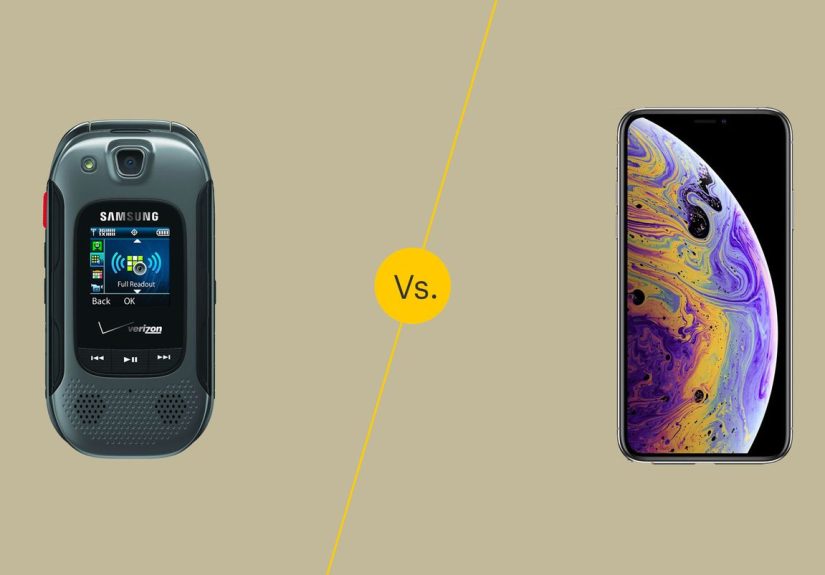
Basic cellphones are built for the essentials: calling, texting, contact lists, alarms, and sometimes a camera, FM radio, Bluetooth, or a few lightweight apps. Many are flip phones or simple bar-style phones. They are usually easier to learn, cheaper to buy, and less demanding to maintain.
Smartphones
Smartphones are pocket-size computers with touchscreens, app stores, web browsers, advanced cameras, GPS, digital wallets, video calling, email, streaming, cloud storage, mobile banking, and smart-home controls. They can do a remarkable amount of work. They can also become tiny chaos rectangles if you are not careful.
Who Should Choose a Basic Cellphone?
A basic cellphone can be a terrific choice if your top priorities are simplicity, affordability, battery life, and fewer distractions. In other words, if you want a phone that behaves like a phone and not like an overachieving intern, this category deserves a serious look.
1. You mostly call and text
If your daily routine does not depend on ride-share apps, mobile banking, Slack messages, digital boarding passes, or checking whether your package is “out for delivery” for the ninth time, a basic phone may do everything you need. For many users, that alone is enough.
2. You want a lower upfront cost
Basic phones are usually much cheaper than smartphones. If your goal is to stay connected without spending a small fortune, a basic model can be a smart financial move. It is the phone equivalent of buying a reliable toaster instead of a smart refrigerator that emails you about yogurt.
3. You want better battery life
This is where basic phones often shine. Because they have smaller screens, fewer background tasks, and lighter software demands, many last much longer on a single charge. If you hate charging devices every night like you are running a tiny electronics spa, this matters.
4. You want fewer distractions
Some people intentionally switch to a simpler phone to cut screen time, social media use, or endless scrolling. A basic cellphone cannot tempt you with 47 open tabs, six news alerts, and an app that thinks you need to learn pottery immediately. That simplicity can feel refreshing.
5. You want an easier learning curve
For users who do not enjoy technology, a basic phone can feel less intimidating. Physical buttons, simpler menus, and fewer settings can make calling and texting much more approachable. This can be especially helpful for children, some older adults, or anyone who just wants less fuss.
Who Should Choose a Smartphone?
If your phone is your map, wallet, camera, planner, work station, music player, and backup brain, then a smartphone is probably the better fit. Smartphones are designed for people who need flexibility and connectivity on the go.
1. You rely on apps for everyday tasks
Need GPS navigation, food delivery, mobile banking, telehealth visits, messaging apps, email, two-factor authentication, or digital tickets? A smartphone makes all of that possible from one device. For many people, that convenience is not just nice to have anymore; it is part of daily life.
2. You want better cameras and media features
Smartphones usually offer far better cameras, video recording, editing tools, and cloud photo backup than basic phones. If you want to capture family events, scan documents, record class notes, or make your dog look like a cinematic legend, a smartphone wins by a mile.
3. You work, study, or manage life on the move
From checking calendars to joining video calls and signing documents, smartphones make it easier to handle modern life from almost anywhere. They are especially useful for students, remote workers, business owners, and anyone whose schedule changes faster than the weather app can refresh.
4. You need accessibility and safety tools
Modern smartphones can include features such as screen readers, voice control, live captions, magnification, emergency SOS tools, location sharing, crash detection on some devices, and health-related integrations. For some users, these are convenience features. For others, they are game changers.
5. You want a longer list of device options
Smartphones come in a wide range of sizes, prices, and designs. You can choose a compact budget phone, a rugged midrange phone, or a flagship model that costs enough to make your wallet file a formal complaint. The variety means you can match your device to your actual priorities.
The Biggest Pros and Cons of Basic Cellphones
Pros
- Lower purchase price
- Longer battery life
- Simpler interface
- Fewer distractions
- Often more durable for everyday use
Cons
- Limited apps and internet access
- Basic cameras
- Harder to use for navigation, banking, work, and streaming
- Smaller ecosystem for accessories and services
- Some older models may not support modern network requirements
That last point matters. If you are shopping for a basic phone, make sure it supports current network standards such as 4G LTE, VoLTE, or 5G where relevant. Very old 3G-dependent phones are no longer a safe bet.
The Biggest Pros and Cons of Smartphones
Pros
- App access for nearly everything
- Better cameras and media tools
- Navigation, payments, email, and productivity in one place
- Advanced accessibility and safety features
- Easier integration with smartwatches, earbuds, and home devices
Cons
- Higher cost
- Shorter battery life compared with many basic phones
- More distractions and screen time
- Steeper learning curve
- More privacy and security responsibilities
Smartphones are powerful, but they also require more upkeep. You need to update the software, manage app permissions, use a strong passcode, and be cautious with scams, links, and public Wi-Fi. The device is smarter, yes, but it still needs a smart owner.
Budget: What Are You Really Paying For?
If you only need basic communication, paying flagship smartphone prices can be overkill. A simpler phone plus a modest service plan may save a lot of money over time. That can be especially appealing for families buying multiple lines, users on a fixed income, or people who just do not want their phone bill to resemble a car payment.
On the other hand, a smartphone can replace several other tools: camera, GPS unit, MP3 player, paper planner, flashlight, calculator, and sometimes even your boarding pass and wallet. If you use those features often, the value equation changes quickly.
The best buying strategy is not “What is the fanciest phone?” It is “What tasks do I actually do every week?” That question tends to clear the fog fast.
Ease of Use: Buttons vs. Touchscreens
Basic cellphones usually win for pure simplicity. Physical buttons can feel more precise for dialing and texting, and the interface tends to be more straightforward. There is less to learn and less to accidentally change.
Smartphones, however, offer more customization. You can enlarge text, use voice assistants, activate screen readers, enable captions, and tailor settings for hearing, vision, dexterity, or cognitive support. So while they can seem more complex at first, they may end up being more useful and more accessible in the long run.
Privacy, Security, and Peace of Mind
If privacy is a major concern, a basic cellphone may feel safer simply because it does less. Fewer apps and fewer online accounts can mean fewer digital trails. That does not make a basic phone magically risk-free, but it does reduce the number of things happening behind the scenes.
Smartphones can absolutely be used safely, but they require better habits. Use a strong passcode. Keep the operating system updated. Review app permissions. Turn on device tracking. Be skeptical of text scams, suspicious calls, and mystery links that promise miracles, prizes, or “urgent account alerts.” If a message sounds dramatic enough to deserve background music, it is probably a scam.
Which Phone Is Better for Different Types of Users?
Best for kids
A basic cellphone can be a good starter device for a child who only needs to call or text family. It is simpler, cheaper, and less likely to become a portable carnival of distractions.
Best for older adults
It depends on comfort level and needs. Some people prefer larger buttons and simpler menus. Others benefit more from smartphone features like video calls, medication reminders, maps, voice commands, captioning, and magnification. The best phone is the one the person will actually feel comfortable using every day.
Best for busy professionals
Smartphones usually win. Email, calendar syncing, secure logins, file access, navigation, and video meetings make them hard to replace.
Best for digital minimalists
A basic cellphone is the clear champion. If your goal is to spend less time online and more time living like a mysterious, well-rested person, basic is beautiful.
Best for travelers
Smartphones are usually more useful for maps, translation, ride-share apps, hotel confirmations, mobile payments, and emergency features. A basic phone can still work for calling and texting, but travel is often easier with a smart device in your pocket.
How to Decide in 5 Simple Questions
- Do I use apps every day? If yes, choose a smartphone.
- Do I mainly call and text? If yes, a basic cellphone may be enough.
- Do I want fewer distractions? A basic phone can help.
- Do I need maps, banking, video calls, or mobile tickets? Get a smartphone.
- Am I comfortable managing updates and settings? If not, a simpler device may be the better fit.
Bottom Line: Which Is Right for You?
Choose a basic cellphone if you want something affordable, easy to use, durable, and gloriously boring in the best possible way. It is ideal for calling, texting, and staying reachable without turning your day into a blur of alerts and app badges.
Choose a smartphone if you want an all-in-one tool for communication, work, entertainment, navigation, payments, safety, accessibility, and photography. It is the better fit for modern convenience, as long as you are willing to manage the cost, complexity, and temptation to check it every six minutes.
In the end, the best phone is not the most advanced one. It is the one that matches your real life. If you need a simple connection tool, go basic. If you need a digital sidekick, go smart. And if you are still torn, remember this: the perfect phone is the one that helps you live your life, not the one that constantly interrupts it.
Real-World Experiences: What It Actually Feels Like to Choose One
Plenty of people do not understand their phone preferences until they actually switch. On paper, the decision looks technical. In real life, it feels personal.
People who move from a smartphone to a basic cellphone often describe the first week as strangely quiet. At first, they miss maps, quick searches, and the convenience of having every service in one device. They also discover how often they used their smartphone without meaning to. Standing in line? Scroll. Waiting for coffee? Scroll. Sitting on the couch for “just a second”? Suddenly it is 45 minutes later and you know far too much about celebrity kitchens. A simpler phone can interrupt that cycle. Many users say they feel less distracted, more present, and oddly relieved.
That said, switching down is not always smooth. Some people quickly realize how dependent they are on smartphone tools. They miss rideshare apps, mobile banking alerts, navigation, QR code menus, and two-factor authentication apps. The inconvenience is not dramatic every hour, but it tends to show up at the exact wrong moment, like when you are late, hungry, or trying to log in to something important. For these users, the basic phone feels peaceful until modern life starts asking for a smartphone again and again.
Users who upgrade from a basic cellphone to a smartphone usually experience the opposite. Their world gets easier very quickly. Video calls with family become simple. Directions are suddenly available in real time. Photos look much better. Sending a location pin, paying from a wallet app, joining a school portal, or looking up a medication reminder becomes part of everyday convenience. Many people say a smartphone helps them feel more independent because they can manage more tasks without needing a computer or another person’s help.
But the honeymoon phase can wear off. A new smartphone can also feel noisy, busy, and a little bossy. There are app notifications, update notices, marketing messages, news alerts, and enough badges on the home screen to make a person long for the calm dignity of a flip phone. Some users eventually create their own middle ground by deleting social apps, turning off most alerts, and using focus modes. In other words, they keep the power of the smartphone without letting it become the class clown of the day.
Older adults often have especially varied experiences. Some are happiest with a simple phone that has large buttons, loud volume, and clear menus. Others end up loving smartphones once the setup is customized with bigger text, voice controls, captioning, favorite contacts, and home-screen shortcuts. The difference usually is not age. It is whether the phone matches the person’s habits, comfort level, vision, hearing, dexterity, and daily needs.
Parents also report mixed experiences. A basic cellphone can provide peace of mind because a child can call and text without wandering too far into the internet wilderness. At the same time, teenagers often need school apps, authentication tools, maps, and group communication. That is why many families start with a simpler phone and move to a smartphone later, once expectations and boundaries are clear.
The most useful lesson from all these experiences is simple: there is no universally “better” phone. There is only the better fit for your routine. If you feel drained by constant screen time, a basic cellphone may feel liberating. If you need convenience, accessibility, and mobile tools throughout the day, a smartphone may feel essential. Your best choice is the one that makes daily life easier, calmer, and more manageable, not the one with the flashiest ad or the most dramatic camera demo.
Conclusion
When comparing cellphones vs. smartphones, the smartest move is to be honest about your habits. If you want straightforward communication and freedom from digital clutter, a basic cellphone is a sensible, budget-friendly option. If you need flexibility, apps, navigation, strong accessibility tools, and advanced safety features, a smartphone will likely serve you better. The winner is not decided by trends. It is decided by how you live.