Table of Contents >> Show >> Hide
- Why Extreme Heat Hits the Cardiovascular System So Hard
- “Extreme Heat” vs. “It’s Hot Out”: What Counts and Why It Matters
- What the Research Shows About Heat and Higher Death Risk
- Who’s Most Vulnerable During Extreme Heat
- The Medication Factor: Why Heat Can Get Complicated Fast
- Warning Signs: When Heat Is Becoming a Medical Problem
- How to Reduce Risk During Extreme Heat (Without Living in Your Freezer)
- The Bigger Picture: Climate, Cities, and Why Heat Risk Is Growing
- Practical Examples: What Heat Risk Looks Like in Real Life
- Bottom Line: Take Heat Seriously If You Care About Heart Health
- Experiences Related to “Cardiovascular Disease: Risk of Death Higher In Extreme Heat”
Summer is supposed to be fun: cookouts, pool days, and the annual tradition of pretending you’re “fine” while your car’s steering wheel tries to brand your palms.
But for people living with cardiovascular disease (and for plenty of folks who don’t know they’re at risk yet), extreme heat is more than an inconvenienceit can be a
legitimate threat to health and, in severe cases, survival.
Here’s the headline in plain English: when temperatures soar (especially when humidity joins the party), your body has to work harder to stay cool.
That extra workload lands heavily on the heart and blood vessels. The result? Higher rates of cardiovascular complications, hospitalizations,
and an increased risk of death during extreme heat events.
Why Extreme Heat Hits the Cardiovascular System So Hard
Your body is basically a temperature-regulating machine with a heart-powered pump. When it gets hot, your internal “cooling plan” kicks in:
you sweat, your blood vessels widen (vasodilation), and more blood is directed toward the skin so heat can escape. Great designuntil the heat becomes extreme.
1) The Heart Has to Work Overtime
When blood vessels widen to release heat, your cardiovascular system has to maintain adequate blood pressure and circulation. The heart often responds by beating
faster and pumping harder. If you already have coronary artery disease, heart failure, high blood pressure, or rhythm issues, that increased demand can be a problem.
Think of it like asking an already busy employee to cover three extra shifts with no noticesomething’s going to give.
2) Dehydration Reduces Blood Volume and Can Thicken the Blood
Sweating is essential, but it drains fluid. Dehydration can lower blood volume, making it harder for the heart to deliver oxygen where it’s needed.
It can also contribute to electrolyte imbalances and potentially increase the risk of blood clotsboth of which can raise cardiovascular danger.
3) Electrolytes Matter More Than People Think
Electrolytes (like sodium and potassium) help regulate muscle function, including the heart’s rhythm. When you sweat heavily, you lose more than water.
If electrolytes drop or get out of balanceespecially in vulnerable individualsarrhythmias can become more likely.
4) Humidity Makes Heat More Dangerous
Dry heat can be brutal, but humid heat has a special talent: it makes sweat less effective. When sweat doesn’t evaporate well, your body’s main cooling system
gets nerfed. That means your core temperature can rise faster, and cardiovascular strain increases sooner.
“Extreme Heat” vs. “It’s Hot Out”: What Counts and Why It Matters
Extreme heat isn’t just “a warm day.” It usually refers to conditions that are significantly hotter than what’s typical for a location and time of year,
often lasting multiple days. Public health agencies and weather services commonly rely on measures like the heat index
(which blends air temperature and humidity) to reflect how hot it actually feels to the body.
Another sneaky factor: hot nights. If temperatures don’t cool down overnight, your body loses a key recovery window. For people with cardiovascular disease,
that can mean prolonged stress without a breaklike running a marathon where the “rest stops” got canceled.
What the Research Shows About Heat and Higher Death Risk
A growing body of research links extreme heat days and heat waves to increases in mortality, including deaths tied to cardiovascular causes.
The pattern shows up across different populations and study designs. While exact numbers vary by location and methodology, the overall direction is consistent:
more extreme heat exposure tends to correlate with more deaths and more cardiovascular events.
Large-scale U.S. analyses have associated higher counts of extreme heat days with higher mortality rates, and cardiovascular mortality is frequently part of that story.
More recent research has also highlighted that people with cardiometabolic conditions (like heart disease and diabetes) may see elevated risk during extreme heat events.
It’s important to be clear about what studies can and can’t say. Many analyses are observational, meaning they identify associations rather than proving that heat
“causes” a specific individual event. But the biological pathways make sense, the population-level signals are strong, and the findings align with clinical reality:
extreme heat is a real stress test for the cardiovascular system.
Who’s Most Vulnerable During Extreme Heat
Heat can affect anyone, but some groups carry a higher burden of riskoften because of health conditions, medications, living situations,
or limited access to cooling.
People at higher risk include:
- Older adults, especially those 65+ (temperature regulation becomes less efficient with age).
- People with cardiovascular disease (coronary artery disease, heart failure, arrhythmias, prior stroke).
- People with high blood pressure or kidney disease (fluid balance becomes trickier).
- People with diabetes (dehydration risk rises and some complications can impair heat response).
- Those taking certain medications that influence hydration, blood pressure, or heart rate.
- Outdoor workers and anyone doing strenuous activity in high heat.
- People without reliable air conditioning, or those facing power outages during heat events.
- People experiencing homelessness or social isolation (less access to cooling and support).
The Medication Factor: Why Heat Can Get Complicated Fast
Many heart and blood pressure medications are lifesaversbut some can make heat management harder. For example, diuretics (“water pills”) can increase fluid loss,
and certain blood pressure medications can alter how the body responds when blood vessels widen in the heat.
The takeaway isn’t “stop your meds” (please don’t). The takeaway is: if you have cardiovascular disease and you’re heading into a heat wave,
it’s smart to be extra cautious, monitor how you feel, and follow your clinician’s guidance.
Warning Signs: When Heat Is Becoming a Medical Problem
Heat illness exists on a spectrumfrom mild cramps to life-threatening heat stroke. Cardiovascular stress can show up in ways that don’t scream “heat problem,”
which is why it’s worth knowing the red flags.
Common signs of heat exhaustion can include:
- Heavy sweating
- Weakness or unusual fatigue
- Dizziness or fainting
- Nausea or vomiting
- Headache
- Fast, weak pulse
- Cool, pale, clammy skin
Heat stroke is an emergency. Signs can include:
- Very high body temperature
- Confusion or altered mental state
- Hot, red skin (may be dry or sweaty)
- Rapid, strong pulse
- Passing out
If someone has symptoms of heat stroke or severe confusion, treat it like an emergency. Extreme heat can escalate quickly, and rapid cooling plus medical care
can be lifesaving.
How to Reduce Risk During Extreme Heat (Without Living in Your Freezer)
The goal isn’t to fear summerit’s to respect it. Heat safety is a mix of planning, pacing, hydration, cooling, and paying attention to how your body is responding.
1) Use Forecast Tools and Plan Your Day
Don’t rely on vibes alone. Heat risk forecasts and alerts are designed to help people take precautions early, not after the heat has already flattened your energy.
Plan errands and outdoor activity for cooler windows (often early morning or later evening), and avoid peak heat hours when possible.
2) Cool the Body, Not Just the Mood
Air conditioning is one of the strongest protective factors during extreme heat. If home cooling isn’t available, public cooling centers, libraries,
malls, or community spaces can help. Even small cooling tacticscool showers, damp cloths, shade breakscan reduce strain.
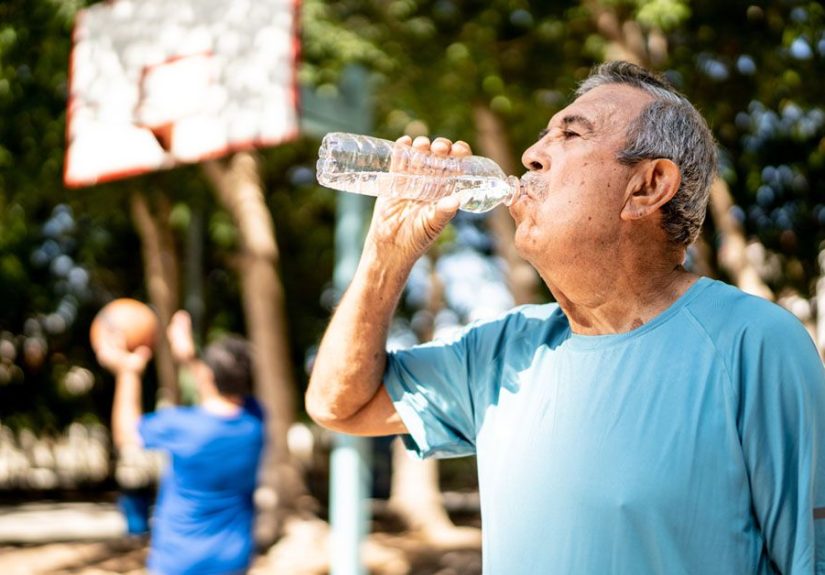
3) Hydrate Strategically
Hydration isn’t a single heroic gulp of water. It’s steady intake, especially when you’re sweating. For some people, electrolytes matter tooparticularly during
prolonged heat exposure or heavy sweating. People with heart failure or kidney disease should follow clinician guidance about fluid and electrolyte intake,
because “more fluid” isn’t always the right answer for every medical profile.
4) Reduce Exertion When Heat Stress Is High
Heat plus exertion is like turning difficulty from “normal mode” to “boss fight.” Occupational safety guidance often emphasizes water, rest, and shade for a reason.
If you must be active outdoors, take frequent breaks, seek shade, and slow the pace. This is not the moment to test your personal best.
5) Dress and Shade Like You Mean It
Lightweight, breathable fabrics help sweat evaporate. Light colors absorb less heat. Shade reduces direct sun exposure. Hats can reduce radiant heat load.
None of this is fashion advice, but if it accidentally improves your summer outfit, you’re welcome.
The Bigger Picture: Climate, Cities, and Why Heat Risk Is Growing
Extreme heat events are becoming more frequent and intense, increasing health risks over time. Urban areas can be especially hazardous due to the “urban heat island”
effectpavement and buildings absorb heat during the day and release it slowly at night, keeping temperatures elevated.
This isn’t only about weather; it’s about infrastructure and access. People with limited air conditioning, poor housing insulation, or fewer transportation options
may be less able to reach cool environments. That’s why public health strategiescooling centers, heat alerts, neighbor check-ins, worker protectionsmatter.
For cardiovascular disease, prevention isn’t just personal. It’s also community design.
Practical Examples: What Heat Risk Looks Like in Real Life
Example 1: The “Quick Errand” That Turns Into a Problem
A person with high blood pressure runs errands at 2 p.m. because “it’ll only take 20 minutes.” The heat index is high, the parking lot is a skillet,
and the store’s AC isn’t strong. They start feeling dizzy and unusually tired, and their heart rate feels jumpy. This isn’t weakness; it’s physiology.
Heat increases cardiovascular demand, and dehydration sneaks up fast.
Example 2: Outdoor Work, Heart Medications, and Overconfidence
An outdoor worker taking a diuretic and a beta-blocker doesn’t feel thirsty and pushes through the day.
They sweat heavily, skip breaks, and end up with cramps, nausea, and pounding heartbeats. The fix isn’t “tougher mindset.”
The fix is prevention: scheduled water breaks, shade rest, and early recognition of heat illness.
Example 3: Older Adult + Hot Night = Cumulative Strain
An older adult with heart failure has a home that stays warm overnight. Without a cool-down period, sleep is poor, dehydration risk rises,
and the body stays under thermal stress. After a few days, swelling increases and breathing becomes harder. Heat can worsen heart failure symptoms
especially when recovery windows disappear.
Bottom Line: Take Heat Seriously If You Care About Heart Health
Extreme heat doesn’t just make you uncomfortableit can raise the risk of cardiovascular complications and death, especially for people with existing heart disease
or other risk factors. The mechanism is straightforward: heat increases cardiovascular workload, dehydrates the body, disrupts electrolytes,
and can tip vulnerable systems into crisis.
The good news: risk can often be reduced with smart planningstaying cool, hydrating appropriately, limiting exertion during peak heat,
recognizing warning signs early, and using community resources like cooling centers and heat alerts.
Your summer can still be great. It just needs fewer “I’ll be fine” moments and more “I brought water and a plan” energy.
Experiences Related to “Cardiovascular Disease: Risk of Death Higher In Extreme Heat”
When people talk about extreme heat and heart health, the conversation often gets stuck in statisticsimportant statistics, but still numbers.
The lived experience is messier, more human, and (honestly) more convincing. Because the first time heat really collides with cardiovascular disease,
it rarely announces itself with a neon sign that says: “Hello, this is a heat-related cardiovascular stress response!”
One common experience people describe is the “sudden battery drain.” They step outside and within minutes feel like their energy drops to 3%.
For someone living with heart failure or coronary artery disease, that exhaustion can feel oddly disproportionate to the activity.
It’s not always dramaticno movie-style collapsejust a heavy fatigue, a sense that the body is working too hard for too little.
People often say things like, “It feels like I’m walking through soup,” which is both poetic and scientifically accurate when humidity is high.
Another frequently reported experience is a change in breathing. Even mild exertioncarrying groceries, walking a dog, standing at a bus stopcan trigger
shortness of breath more quickly than usual. Some people describe a tightness in the chest that’s subtle enough to debate internally
(“Is this anxiety? Is it the heat? Is it the stairs? Is it my imagination?”) until it becomes obvious it’s not something to ignore.
Heat can make the cardiovascular system work harder, and people who already live near their personal limit can feel that boundary arrive faster.
Caregivers and family members often notice behavioral changes first. In extreme heat, a loved one with cardiovascular risk may become unusually irritable,
confused, or “not quite themselves.” That can be heat illness, dehydration, or simply the brain reacting to physiologic stress.
The experience can be frustrating because it doesn’t match the person’s normal pattern, and it can lead to arguments like,
“I’m finestop hovering!” followed by the caregiver thinking, “I’m not hovering, I’m trying to keep you alive.”
(Heat makes everybody a little dramatic. The trick is to channel the drama into prevention instead of denial.)
People on heart medications often share a particular kind of heat surprise: they don’t feel thirsty until they’re already behind on fluids,
or they stand up and feel lightheaded in a way that’s new or stronger than usual. Some describe a racing heartbeat after doing something that typically wouldn’t
spike their pulselike walking from the parking lot to the front door. That can be scary, especially if they’ve previously experienced arrhythmias.
Over time, many learn to treat heat days as “special rules” days: more breaks, more shade, slower pacing, and a stronger commitment to indoor cooling.
There’s also a social experience that matters: heat can be isolating. People with cardiovascular disease may skip outdoor gatherings, sports,
and even routine errands during heat waves. Some feel embarrassedlike they’re being “high maintenance” for needing air conditioning or rest breaks.
But many also report a turning point where they reframe it: “This isn’t me being fragile; this is me being smart.”
That mindset shift can reduce risk because it encourages earlier actiongoing inside sooner, hydrating sooner, and asking for help sooner.
Finally, people who’ve been through a heat-related scare often describe how quickly it escalated. What started as “a little dizzy” became nausea,
weakness, or confusion faster than expected. That memory becomes a personal heat alarm system. They begin checking the heat index like it’s a daily horoscope,
except instead of “romance is coming,” it says, “today is not the day for yardwork at 2 p.m.” And that’s the most useful prediction you’ll get all week.