Table of Contents >> Show >> Hide
- Yes, You Can Paint in Humidity, but Only If the Conditions Are Right
- Why Humidity Messes With Paint
- What Humidity Level Is Too High for Painting?
- Exterior vs. Interior Painting in Humid Conditions
- The Best Time of Day to Paint in Humid Weather
- How to Paint Successfully When Humidity Is High
- Signs You Should Wait Instead of Paint
- Common Paint Problems Caused by Humidity
- Real-World Examples: When Painting in Humidity Works and When It Fails
- of Experience: What Humid-Weather Painting Teaches You the Hard Way
- Final Verdict
Humidity and house painting have a relationship status best described as “it’s complicated.” Can you paint a house in humid weather? Yes, sometimes. Should you paint just because the brush is loaded and the weekend is free? Not always. Moisture in the air can turn a promising paint job into a sticky, streaky, slow-drying headache that looks fine for a day and then starts acting suspicious.
The good news is that humidity does not automatically ruin a project. The bad news is that it changes the rules. If you ignore those rules, paint can dry too slowly, collect dust and bugs, develop an uneven sheen, or struggle to bond to siding, trim, brick, or stucco. In worse cases, you can end up with bubbling, peeling, or those weird streaks that make you stare at the wall and mutter, “That did not look like that yesterday.”
This guide breaks down when you can paint in humidity, when you should absolutely wait, and how to pull off a durable paint job even when the air feels like warm soup. Whether you are tackling exterior siding, a front door, porch trim, or a humid interior room, the goal is the same: smooth coverage, proper adhesion, and a finish that lasts longer than your patience.
Yes, You Can Paint in Humidity, but Only If the Conditions Are Right
The honest answer is simple: you can paint a house in humidity, but not in just any humidity. Paint needs the right balance of air temperature, surface temperature, moisture level, and drying time. When the air is too damp, water in latex paint evaporates more slowly. That delays drying and can interfere with curing, which is the stage where paint hardens into a durable film instead of just looking dry enough to fool you.
For most house-painting situations, moderate humidity is workable. Many painters treat 40% to 70% relative humidity as a practical comfort zone, while lower humidity is generally easier to work with. Once humidity climbs high enough that surfaces stay damp, dew forms easily, or the paint feels tacky for far too long, the project becomes risky. That is especially true outdoors, where weather can swing fast in the late afternoon and overnight.
So the question is not really, “Can you paint in humidity?” It is, “Can the paint dry and cure correctly before moisture gets in the way?” That is the question professionals ask, and it is the one that saves you from repainting the same wall twice.
Why Humidity Messes With Paint
1. It slows drying time
Paint dries by releasing solvents or water. When the air is already packed with moisture, that process slows down. The result can be a surface that stays tacky, attracts debris, and takes much longer between coats. If you rush recoating, the finish can turn blotchy or soft.
2. It increases the risk of blistering and poor adhesion
If paint goes onto a damp surface or gets hit with dew before it cures, moisture can get trapped under or within the paint film. That can lead to bubbling, blistering, peeling, or early failure. Exterior walls that look dry in the afternoon may collect condensation once temperatures drop after sunset, which is why “it looked fine when I stopped” is not always the happy ending people expect.
3. It can cause surfactant leaching
This is one of those paint terms that sounds like it belongs in a chemistry lab, but homeowners see it all the time. With some latex paints, excess moisture during drying can pull water-soluble ingredients to the surface. That leaves sticky, shiny, or discolored streaks, often on darker colors and shaded areas. Translation: your fresh paint can look like it cried overnight.
4. It can create uneven sheen and lap marks
When paint dries too slowly in one spot and faster in another, you can end up with an inconsistent finish. Large walls, direct sun on one side of the house, and shade on the other can make the problem even worse. Humid weather loves inconsistency. It is a chaos goblin.
What Humidity Level Is Too High for Painting?
There is no single magic number because different products have different tolerances. Some paint makers list specific application ranges on the label, and those instructions should always come first. Still, there are practical guidelines that work well for most projects:
- 40% to 70% humidity: Usually a good working range for many house-painting projects.
- Below 60%: Often considered especially comfortable for exterior painting.
- Above 70%: Use caution and check the forecast, surface condition, and dew point carefully.
- Near 85% or higher: Risk rises sharply, especially outdoors or on slow-drying surfaces.
But humidity alone does not tell the whole story. Dew point matters just as much. A common industry rule is that the surface temperature should be at least 5°F above the dew point. If the surface gets too close to the dew point, condensation can form even if the wall does not look visibly wet. That hidden moisture is enough to sabotage adhesion and cure time.
In other words, a house can look paint-ready and still be a trap. That is why experienced painters do not just glance at the sky and declare victory.
Exterior vs. Interior Painting in Humid Conditions
Exterior painting
Outdoor painting is where humidity becomes a full-time troublemaker. You have to think about overnight dew, surprise showers, shaded siding, wind-driven moisture, and surfaces that warm up and cool down faster than expected. Exterior projects need a weather window, not just a decent-looking afternoon.
For outside work, aim for mild temperatures, moderate humidity, dry surfaces, and at least a day of favorable conditions after painting. If the wall is still damp from rain, morning dew, or irrigation overspray, do not paint it. Wood, especially, likes to hold onto moisture like it is saving it for retirement.
Interior painting
Inside the house, humidity is easier to manage because you can control ventilation, air conditioning, and dehumidification. Kitchens, bathrooms, laundry rooms, and basements tend to stay more humid, which can slow dry times and increase the risk of streaks or surfactant leaching on fresh latex paint.
The fix indoors is simple but important: run exhaust fans, use the HVAC system, close windows during muggy weather, and add a dehumidifier if needed. Interior painting in humidity is often possible when exterior painting is not.
The Best Time of Day to Paint in Humid Weather
If you must paint when humidity is high, timing matters more than ever. The best window is usually late morning through mid-afternoon. By then, morning dew has evaporated, surfaces have warmed up, and you still have enough daylight left for the coating to set before evening moisture arrives.
Avoid these trouble zones:
- Early morning: Surfaces may still hold dew or overnight condensation.
- Late afternoon or evening: Temperatures can drop quickly, bringing the surface closer to the dew point.
- Direct blazing sun: Heat plus humidity can cause uneven drying and application problems.
The sweet spot is often a stable, dry stretch between the time the wall is fully dry and the time the evening starts plotting against you.
How to Paint Successfully When Humidity Is High
Check the weather like you mean it
Do not settle for “no rain today.” Look at humidity, overnight lows, dew point, and the next 24 to 48 hours. Paint benefits from stability. A gorgeous two-hour forecast surrounded by sticky evenings is not a real painting window.
Make sure the surface is truly dry
Dry-looking is not always dry. Shaded siding, wood trim, and masonry can hold moisture longer than you think. If you washed the house first, allow adequate dry time. Wood and porous surfaces often need more patience than homeowners want to give them.
Use the right paint for the job
High-quality 100% acrylic exterior latex paint is often the go-to choice for house exteriors because it handles weather, flexibility, and adhesion well. For humid climates, look for products with mildew resistance and strong exterior performance. On brick or stucco, use breathable coatings designed for masonry so trapped moisture has a way out.
Prime problem areas
If the house has chalky spots, bare wood, repaired trim, stains, or areas prone to mildew, use the right primer. In humid climates, a good primer helps lock down the surface and improve adhesion. It is not glamorous, but neither is repainting in six months.
Apply thinner, even coats
Heavy coats take longer to dry and are more vulnerable to humidity-related issues. Multiple even coats usually perform better than one heroic coat applied with the energy of a person trying to beat sunset.
Give extra time between coats
Humid weather can stretch recoat times well beyond what you see in ideal lab conditions. If the paint is not fully ready, the next coat can trap moisture and create texture, streaking, or softness in the finish.
Work with the shade, not against it
Painting in direct sun is risky, but painting a wall that never dries out is also a bad idea. Move around the house as conditions change. The best painters follow the building, not a rigid plan.
Signs You Should Wait Instead of Paint
Sometimes the smartest painting move is putting the brush down and walking away like a mature adult. Delay the project if:
- The siding feels cool, clammy, or damp.
- Humidity is very high and staying there all day.
- The surface temperature is too close to the dew point.
- Rain, fog, or heavy dew is expected soon.
- You are painting late enough that the coating will still be vulnerable by sunset.
- The house was pressure-washed recently and has not fully dried.
- You are seeing mildew, chalking, or existing paint failure that has not been fixed.
Waiting one day can save you from fixing a paint job for the next three weekends. That is a strong return on patience.
Common Paint Problems Caused by Humidity
Tacky paint
If paint stays sticky too long, humidity may be slowing evaporation and cure time. Increase airflow indoors, allow more time, and resist the urge to keep touching it “just to check.” That never helps.
Bubbling or blistering
This often points to moisture trouble, heat, or painting over a compromised surface. The fix usually involves scraping loose material, sanding smooth, priming where needed, and repainting under better conditions.
Streaks or shiny residue
That may be surfactant leaching. In many cases, it can be cleaned once the paint has cured and the weather turns drier, but prevention is much easier than cleanup.
Peeling or early failure
If humidity, dew, or a wet surface interfered with adhesion, the solution is not a miracle topcoat. It is proper prep and repainting under better conditions.
Real-World Examples: When Painting in Humidity Works and When It Fails
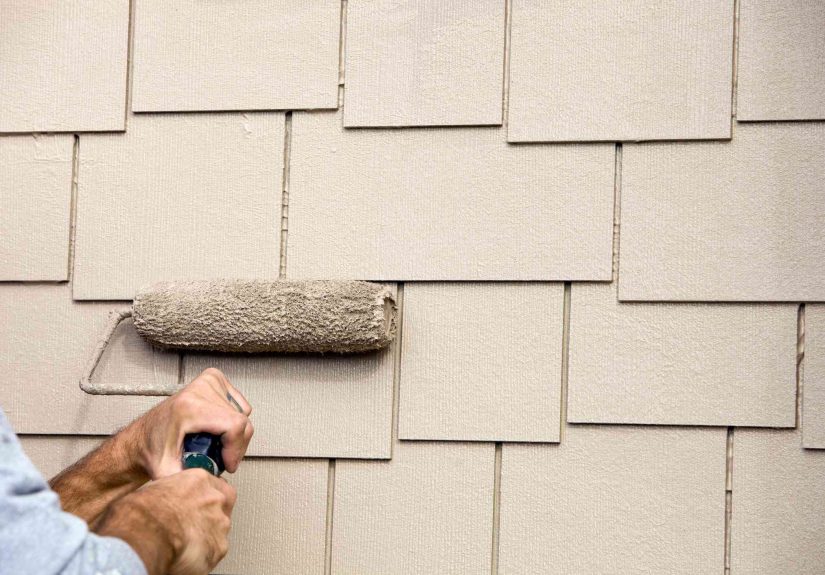
Works: A homeowner paints fiber cement siding at 11 a.m. after two dry days. Humidity is moderate, the wall is shaded but dry, the forecast is clear, and the temperature stays steady into the evening. Result: the paint levels well and cures normally.
Fails: Another homeowner paints a back door at 5:30 p.m. because the day feels cooler. Humidity rises after sunset, the surface cools, and overnight dew forms before the paint cures. Result: uneven sheen, tacky spots, and maybe a few glossy streaks for dramatic effect.
Works indoors: A bathroom gets painted with the exhaust fan running, the AC on, and the shower banned for the day. Humidity stays manageable, and the finish dries evenly.
Fails indoors: A laundry room gets painted during a muggy week with the windows open and the dryer working overtime. The paint dries slowly, stays soft, and picks up marks. The wall survives, but the painter’s mood does not.
of Experience: What Humid-Weather Painting Teaches You the Hard Way
Ask enough homeowners or painters about humid-weather painting, and you start hearing the same stories with slightly different siding. The day begins with confidence. The wall looks dry. The sky seems harmless. Someone says, “We should be fine.” Those are famous last words in exterior painting.
One of the most common experiences is discovering that air is not the real problem; the surface is. A porch column, north-facing wall, or heavily shaded section of siding may stay cooler and damper than everything around it. To the eye, it looks ready. To the paint, it feels like a wet sponge wearing a disguise. People often notice this only after one section dries differently from the rest. That is when the finish starts flashing, dragging, or turning sticky long after the sunny side of the house already looks settled.
Another lesson is that morning is not always your friend. Many people assume early morning is perfect because it is cooler and calmer. But cooler does not mean drier. On humid days, the morning can be the sneakiest time to paint because dew has not fully burned off. Painters who have learned this lesson the hard way usually become weather hawks for life. They stop trusting the phrase “looks dry” and start paying attention to how the wall feels, where the shade sits, and whether the sun has had enough time to warm the surface properly.
Then there is the late-afternoon trap. The paint goes on beautifully, everyone relaxes, and the job seems finished. A few hours later, the temperature dips, moisture settles in, and the newly painted area gets exposed before it is ready. The next morning reveals the plot twist: dull patches, streaks, or an uneven sheen that was definitely not part of the vision board. That experience teaches painters to stop chasing one more section just because there is still a little daylight left.
Indoors, the experience is different but no less educational. Bathrooms and laundry rooms are where overconfidence goes to get humbled. Fresh latex paint may look dry, but if the room stays damp, the surface can remain vulnerable much longer than expected. People often learn that ventilation is not optional. Exhaust fans, air conditioning, and dehumidifiers suddenly stop feeling like “extra steps” and start feeling like the secret weapon they should have used earlier.
Perhaps the biggest lesson of all is that good painting in humidity is less about bravery and more about discipline. The painters who get the best results are not the ones who force the job through bad conditions. They are the ones who check the forecast, respect the dew point, work in the right window, and quit before moisture wins. Humid-weather painting can absolutely succeed, but it rewards planning, not stubbornness. Paint is forgiving in some ways, but weather is not sentimental.
Final Verdict
So, can you paint a house in humidity? Yes, but only when humidity is moderate, surfaces are fully dry, and the paint has enough time to dry and cure before dew, rain, or cooler temperatures move in. If conditions are borderline, patience is usually cheaper than repainting. The best results come from watching humidity, checking the dew point, painting in the late-morning-to-afternoon window, and using quality exterior products suited to your climate.
Think of humid-weather painting this way: paint does not hate humidity, but it does hate surprises. Your job is to remove as many of those surprises as possible.