Table of Contents >> Show >> Hide
- The Quick Answer (No Dramatic Music)
- Why Raw Sushi Is Riskier During Pregnancy
- Safe Sushi Options During Pregnancy
- Sushi to Avoid While Pregnant
- Mercury and Sushi: How to Choose Fish the Smart Way
- How to Order Sushi While Pregnant (Without Feeling Awkward)
- What If I Ate Raw Sushi Before I Knew I Was Pregnant?
- Pregnancy-Safe Sushi at Home (DIY, But Make It Easy)
- FAQ: Sushi During Pregnancy
- Conclusion: Yes, You Can Still Have SushiJust Order Like a Pregnancy Pro
- Real-Life Experiences: What Sushi Cravings During Pregnancy Often Look Like (and How People Handle Them)
Pregnancy cravings are wild. One minute you’re crying because someone on TV hugged, the next you’re
daydreaming about a perfect sushi roll like it’s your soulmate. So let’s talk about the big question:
can pregnant women eat sushi?
The short version: you should avoid sushi made with raw or undercooked fish during pregnancy,
but you can still enjoy plenty of pregnancy-safe sushi optionsespecially rolls made with cooked
seafood or veggies. And yes, you can absolutely still have a “sushi night.” You just need a slightly different
order than your pre-pregnancy “all the sashimi” era.
The Quick Answer (No Dramatic Music)
Most OB-GYN guidance in the U.S. recommends that pregnant people skip raw fish (think sashimi,
nigiri with raw toppings, and many poke bowls). The main reasons are foodborne illness risks and, depending on
the fish, mercury exposure.
The good news: cooked sushi is generally considered safe when it’s prepared and stored properly.
Vegetarian sushi is also typically safe, with a few ingredient “gotchas” we’ll cover in a bit.
Why Raw Sushi Is Riskier During Pregnancy
1) Foodborne illness hits harder when you’re pregnant
Pregnancy changes your immune system. That’s normal and helpful for the babybut it can also make you more
vulnerable to foodborne bugs. Raw or undercooked seafood can carry bacteria and viruses that may cause serious
illness (and nobody wants to spend a third trimester sprinting to the bathroom like it’s an Olympic event).
2) Parasites are not the “extra protein” anyone asked for
Raw fish can contain parasites. Many sushi-grade fish are frozen to reduce this risk, but it’s not a magical
force field. Freezing practices vary, and “sushi grade” isn’t a tightly regulated label everywhere. Cooking
is the most reliable way to eliminate parasite riskbecause parasites hate heat more than you hate heartburn.
3) Listeria is the villain of the pregnancy food safety story
Listeria monocytogenes is a bacteria that can be especially dangerous in pregnancy. It can cause severe illness
and may harm the pregnancy even if the pregnant person doesn’t feel very sick. That’s why pregnancy guidance is
so strict about certain high-risk foods, including raw seafood and some refrigerated ready-to-eat items.
4) Mercury: the “invisible ingredient” in certain fish
Sushi isn’t just about whether fish is raw or cooked. Some fish (especially larger predators) can contain higher
levels of methylmercury, which can affect a developing baby’s nervous system. You don’t need to fear fishseafood
has real nutritional benefits in pregnancybut you do need to choose wisely and vary what you eat.
Safe Sushi Options During Pregnancy
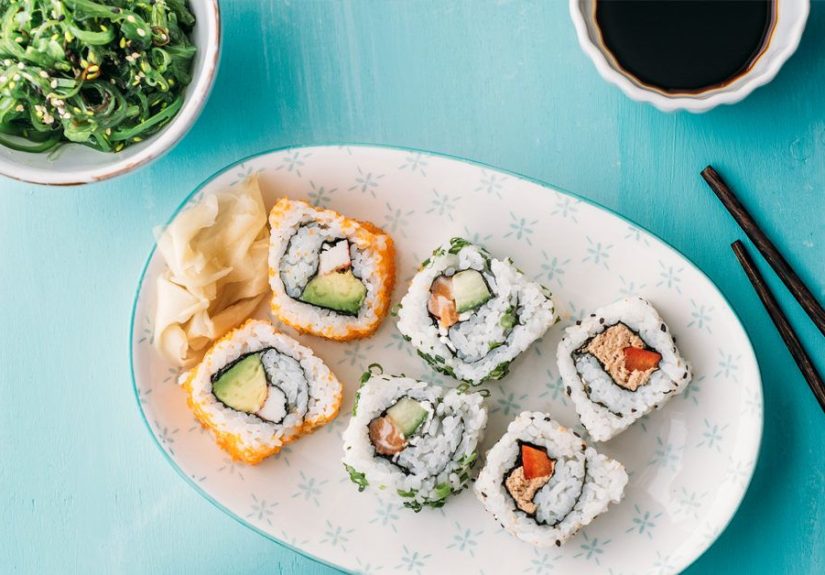
If you’re craving sushi during pregnancy, aim for rolls that are fully cooked or
vegetarian. Here are popular options that usually fit the “pregnancy-safe sushi” category when
prepared properly:
Cooked seafood rolls (the MVP category)
- California roll (typically made with imitation crab, which is cooked, plus avocado and cucumber)
- Shrimp tempura roll (fried shrimp + cooked add-ins)
- Cooked shrimp roll (ebi that’s clearly cooked, not “soft-scrambled”)
- Unagi (eel) roll (eel is commonly grilled/cooked)
- Cooked salmon roll (look for baked or grilled salmon options)
- Crab roll (real crab is cooked; imitation crab is also typically cooked)
Vegetarian rolls (surprisingly satisfying)
- Avocado roll
- Cucumber roll (kappa maki)
- Sweet potato roll (often cooked)
- Pickled radish or mixed vegetable rolls
- Seaweed salad (just watch sodium and restaurant handling)
Egg and tofu options
- Tamago (Japanese omelet) nigiri or roll (cooked egg)
- Inari (sweet tofu pockets stuffed with rice)
Pro tip: if you’re ordering at a sushi bar that offers “baked rolls” or “oven-baked” options, those can be a
great way to get that restaurant sushi vibe without raw fish.
Sushi to Avoid While Pregnant
This is the “thanks-but-no-thanks” list. If you’re pregnant, it’s generally recommended to avoid:
- Sashimi (raw fish slices)
- Nigiri with raw fish (raw tuna, raw salmon, yellowtail, etc.)
- Rolls labeled raw (often marked with an asterisk on menus)
- Seared fish that’s still undercooked (lightly seared outside, raw inside)
- Raw shellfish (especially oysters, clams, scallops)
- Ceviche (acid-marinated fish is not the same as cooked)
- Refrigerated smoked seafood (like lox) unless it’s in a fully cooked dish
Also keep an eye out for bonus ingredients that can be risky during pregnancy in general, like raw sprouts or
dishes made with unpasteurized ingredients (less common in typical U.S. sushi restaurants, but possible in
specialty sauces or homemade-style preparations).
Mercury and Sushi: How to Choose Fish the Smart Way
Seafood can be a nutritional win in pregnancy (protein, iodine, selenium, and omega-3 fats), but the key is
choosing lower-mercury options and keeping portions reasonable.
How much fish is recommended during pregnancy?
U.S. guidance commonly recommends eating about 8–12 ounces of lower-mercury seafood per week
(roughly 2–3 servings). That can fit beautifully into a pregnancy dietespecially if you’re using cooked sushi
as one of those servings.
High-mercury fish to avoid (sushi edition)
These tend to be larger predatory fish. Depending on the exact guidance you follow, examples that are commonly
flagged as high-mercury include:
- Shark (rare on sushi menus, thankfully)
- Swordfish
- King mackerel
- Tilefish (especially Gulf of Mexico)
- Bigeye tuna (some “ahi” can be higher; tuna varies by species)
Lower-mercury seafood that’s often a better bet
If you’re choosing cooked sushi, these types are often considered lower in mercury and popular in rolls:
- Salmon (cooked)
- Shrimp (cooked)
- Crab (cooked)
- Pollock (commonly used in imitation crab)
- Tilapia (sometimes featured in cooked rolls)
If tuna is your true love, talk with your healthcare provider about what type and how often. Tuna is a “depends”
fish: species and portion size matter.
How to Order Sushi While Pregnant (Without Feeling Awkward)
Ask for “fully cooked” like it’s your new favorite phrase
Don’t be shy. You’re not being “high maintenance.” You’re being “low risk.” Try:
“Could you make that roll with fully cooked salmon instead of raw?”
Pick reputable places
This is not the time for sketchy gas-station sushi. Choose restaurants with strong food safety practices, good
turnover, and proper refrigeration. If the place smells “fishy” in a bad way, trust your instincts.
Watch the clock on leftovers
Sushi is not a “leave it on the counter and see what happens” food. If you’re taking sushi home, keep it cold,
refrigerate promptly, and don’t push it. When in doubt, toss it. The baby does not want you to be brave.
What If I Ate Raw Sushi Before I Knew I Was Pregnant?
First: breathe. Many people eat something off the “avoid” list before they know they’re pregnant.
One exposure doesn’t automatically mean something bad will happen.
What matters is whether you get sick. If you develop symptoms like fever, severe stomach upset, vomiting,
diarrhea that won’t quit, or you feel unusually ill, contact your healthcare provider. They can advise you based
on your symptoms, timing, and overall pregnancy health.
Pregnancy-Safe Sushi at Home (DIY, But Make It Easy)
Making sushi at home can feel intimidating, but “pregnancy-friendly sushi” doesn’t need to be fancy. Think of it
as “cute rice + delicious fillings,” not “I must honor my ancestors with perfect knife work.”
Easy ideas
- Cooked salmon roll: bake or pan-cook salmon until done, then roll with avocado and cucumber.
- Shrimp roll: use cooked shrimp with cucumber and a little mayo (store-bought mayo is typically made with pasteurized eggs in the U.S.).
- Sushi bowl: sushi rice, cooked fish, veggies, nori strips, and a drizzle of sauce.
- Veggie rainbow roll: avocado, cucumber, carrots, and roasted sweet potato.
Bonus: homemade versions let you control ingredients, keep everything properly chilled, and avoid surprises like
“mystery raw topping” hiding under a mountain of spicy mayo.
FAQ: Sushi During Pregnancy
Is a California roll safe when pregnant?
Often, yesCalifornia rolls are commonly made with imitation crab (usually cooked), avocado, and cucumber.
Still, preparation matters, so order from a reputable place and confirm ingredients if you’re unsure.
What about poke bowls?
Many poke bowls use raw fish, so they’re typically not recommended during pregnancy unless the fish is fully
cooked. Look for cooked shrimp, cooked salmon, tofu, or veggie versions.
Can I eat sushi rice and nori?
Yes. Sushi rice (seasoned with vinegar, sugar, and salt) and nori (seaweed) are generally fine. Just watch
sodium if you’re going heavy on soy sauce, and aim for balanced meals overall.
Does “sushi-grade” mean it’s safe in pregnancy?
Not necessarily. “Sushi-grade” can indicate certain handling or freezing practices, but it doesn’t guarantee a
pregnancy-safe product or eliminate all risk. During pregnancy, cooking is still the safest route.
Conclusion: Yes, You Can Still Have SushiJust Order Like a Pregnancy Pro
If you’re pregnant and craving sushi, you don’t have to sit sadly in the corner eating crackers while everyone
else has fun. The safest approach is to avoid raw or undercooked fish, choose
cooked sushi options or veggie rolls, and pay attention to mercury-smart seafood choices.
When you’re unsure, your OB-GYN or midwife can give guidance tailored to your health history, your pregnancy, and
local food safety realities. Your goal isn’t perfectionit’s reducing avoidable risk while still enjoying food
you love.
Real-Life Experiences: What Sushi Cravings During Pregnancy Often Look Like (and How People Handle Them)
If you’ve never craved sushi while pregnant, congratulations on having a calm, orderly nervous system. For
everyone else: welcome to the club where your brain can describe the texture of salmon like a poet, but can’t
remember where you put your phone (it’s in the fridge, next to the picklesagain).
One of the most common experiences pregnant people describe is the “I don’t even want sushi… except I
would fight a small dragon for sushi” moment. The craving hits fast, usually when you’re tired, hungry,
and emotionally attached to the idea of dipping something into soy sauce. In that moment, having a pre-decided
“safe order” can be a lifesaver. Many people settle on a rotating trio: a California roll, a shrimp tempura roll,
and an avocado roll. It scratches the itch without the raw-fish risk, and it’s easy to order even when your
pregnancy brain is buffering.
Another common experience is the social side: friends want a sushi night, your partner wants their usual sashimi
platter, and you’re trying not to feel like the party pooper with prenatal vitamins. What helps is reframing the
situation from “I can’t eat sushi” to “I can eat sushi, just differently.” When you confidently order cooked
rolls, tamago, inari, and veggie options, you still get the ritual: chopsticks, ginger, wasabi, the fun of
sharing plates, and the satisfaction of leaving a restaurant without Googling “food poisoning pregnancy” at
2 a.m.
People also talk about the anxiety pieceespecially if they accidentally ate raw fish early on, or if a menu is
unclear. A practical trick many use is to ask one simple question: “Is the seafood fully cooked?”
Good restaurants answer quickly, and it reduces the mental load. If a restaurant can’t clearly explain what’s in
a roll or how it’s prepared, that’s valuable information too. Pregnancy is a great time to be picky about food
handling, because your stakes are higher than “mild regret.”
Then there’s the “healthy vs. satisfying” tug-of-war. A lot of pregnant people want the nutritional benefits of
seafood (protein and omega-3s), but don’t want to stress about mercury or safety. The experience that tends to
work best is variety: choosing lower-mercury seafood more often, keeping portions sensible, and
mixing in sushi-adjacent meals like a cooked salmon sushi bowl at home. It’s a nice compromise between “I’m
eating well for the baby” and “I still feel like a human with taste buds.”
Finally, a very real experience: sometimes the craving isn’t actually for raw fishit’s for the whole flavor
profile. The tangy rice, salty soy sauce, spicy mayo, crunchy cucumber, and creamy avocado can be the real main
character. When people lean into that, pregnancy-safe sushi becomes less about “what you’re missing” and more
about “what you can build.” And honestly? A well-made cooked roll with crispy shrimp tempura and avocado has no
business being that comforting, but here we are.
If you take one emotional takeaway from the sushi question, make it this: you’re not being dramatic, weak, or
“too anxious.” You’re navigating a season where your body is doing something enormous, and food safety choices
matter more than usual. The goal is to make choices you feel good aboutthen enjoy your meal with the peaceful
confidence of someone who knows exactly what “fully cooked” means.