Table of Contents >> Show >> Hide
- What Is Butylene Glycol?
- How Butylene Glycol Works in Skin Care and Cosmetics
- Common Uses of Butylene Glycol
- Benefits of Butylene Glycol
- Is Butylene Glycol Safe?
- Side Effects of Butylene Glycol
- Risks of Butylene Glycol: Who Should Be Extra Careful?
- How to Use Products With Butylene Glycol Safely
- Butylene Glycol vs. Propylene Glycol
- Real-World Experiences With Butylene Glycol
- Conclusion
Flip over enough skin care bottles and you will eventually meet the same supporting character again and again: butylene glycol. It does not get the celebrity treatment that hyaluronic acid, niacinamide, or vitamin C enjoy, but it quietly helps many products work the way they are supposed to. In other words, it is the backstage crew member who makes the headliner look good.
So what is it, exactly? In cosmetic formulas, butylene glycol is mainly used as a humectant, solvent, skin-conditioning agent, and texture helper. It helps attract water, keeps ingredients evenly mixed, improves spreadability, and can support a smoother finish on the skin and hair. For most people, that is good news. For a smaller group with very reactive skin, it is one more ingredient worth understanding before slathering, layering, and hoping for the best.
This guide breaks down what butylene glycol is, where it shows up, what benefits it may offer, and what side effects and risks matter most. The goal is not to demonize the ingredient or crown it the king of your bathroom shelf. It is to explain where butylene glycol shines, where it can disappoint, and when it deserves a patch test instead of blind trust.
What Is Butylene Glycol?
Butylene glycol is a small organic compound also known as 1,3-butanediol. In personal care products, it is commonly included because it is flexible, easy to formulate with, and useful in several jobs at once. Cosmetic chemists like ingredients that multitask, and butylene glycol absolutely clocks in for overtime.
In skin care, it is most often used in serums, essences, moisturizers, sunscreens, cleansers, masks, foundations, eye products, and hair care formulas. It is usually not the “hero ingredient” marketed on the front label. Instead, it works in the background to help a formula stay smooth, stable, and pleasant to use.
That matters more than it sounds. A product can have brilliant active ingredients on paper, but if it pills, separates, feels gritty, dries out too fast, or applies unevenly, most people will stop using it. Butylene glycol helps prevent some of that drama.
How Butylene Glycol Works in Skin Care and Cosmetics
1. It acts as a humectant
Humectants attract water. In practical terms, that means butylene glycol can help pull moisture toward the upper layers of the skin and support a more hydrated feel. It is not the only ingredient doing that job in most products, but it often contributes to the overall moisturizing effect.
2. It works as a solvent
A solvent helps dissolve other ingredients and keeps them evenly distributed in a formula. This is one of butylene glycol’s biggest strengths. If a serum feels uniform instead of clumpy, or a liquid product spreads without leaving weird streaks, a solvent system is doing real work behind the scenes.
3. It improves texture and spreadability
Butylene glycol can reduce viscosity and help formulas feel smoother and less stubborn. That makes it useful in products designed to glide across the skin or hair with minimal tugging. Nobody buys a moisturizer hoping it will apply like cold cake frosting.
4. It helps condition skin and hair
Because it supports moisture and surface softness, butylene glycol is often described as a skin-conditioning and hair-conditioning ingredient. It can help skin feel less tight and hair feel more manageable, especially when paired with other conditioning agents.
5. It may support preservation strategy
Butylene glycol is not usually the only preservative in a formula, but it can help support product preservation by making life a little less comfortable for microbial contamination and by working well alongside other preservation systems. That is one reason formulators keep inviting it back to the party.
Common Uses of Butylene Glycol
You will most often see butylene glycol in products that need hydration, smooth application, or stable delivery of other ingredients. Common examples include:
- Hydrating serums and toners
- Gel creams and lightweight moisturizers
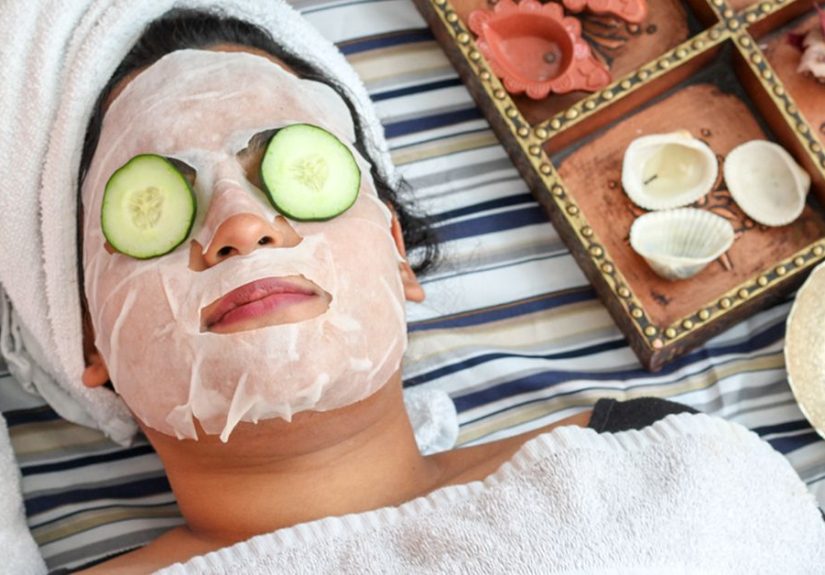
- Sheet masks and leave-on masks
- Sunscreens and primers
- Foundations, concealers, and eye makeup
- Acne-friendly moisturizers and treatment-adjacent products
- Hair serums, leave-ins, and styling products
It also appears outside the beauty aisle, including in some pharmaceutical and food-related applications, but in everyday consumer life, skin care and cosmetic formulas are where most people encounter it.
Benefits of Butylene Glycol
Supports Hydration Without Feeling Heavy
One of the biggest benefits of butylene glycol is that it helps products feel hydrating without necessarily feeling greasy. This is especially useful in lightweight formulas for people who want moisture but do not want their face to look like it just lost a wrestling match with a fryer basket.
Makes Products Easier to Apply
Application matters. A formula that spreads evenly is easier to use consistently, and consistency is often what makes a routine actually helpful. Butylene glycol can improve slip, reduce drag, and help products feel more elegant on the skin.
Helps Other Ingredients Perform Well in a Formula
Because it acts as a solvent, butylene glycol can help keep active ingredients properly dispersed. That does not mean it turns every serum into a miracle potion. It does mean the formula has a better chance of being stable, uniform, and pleasant enough for regular use.
Works Well in Layered Routines
Many modern skin care products are designed to be layered. A thin hydrating toner, followed by a serum, followed by a moisturizer, followed by sunscreen is a pretty standard routine now. Butylene glycol fits neatly into that system because it shows up in lightweight, water-based products that are meant to play fairly well with others.
Can Be Useful for Dry, Dull, or Dehydrated Skin
People with dry or dehydrated skin may benefit from formulas containing butylene glycol because of its humectant role. It is not a stand-alone treatment for a damaged skin barrier, but it can contribute to a formula that helps skin feel softer, more comfortable, and less parched.
Is Butylene Glycol Safe?
For most users, butylene glycol is generally considered safe in cosmetics when used as intended. Safety reviews in the cosmetic field have concluded that butylene glycol is safe as used in cosmetic formulations, and it has a long track record in topical products.
That said, “generally safe” does not mean “universally perfect.” Skin care is full of ingredients that work beautifully for millions of people and still cause trouble for a smaller number. Butylene glycol lives in that very normal, very unglamorous category.
A more accurate way to think about it is this: the average person is unlikely to have a serious problem with butylene glycol, but reactive or allergy-prone users should stay observant. Safety in the general population does not cancel out the possibility of irritation in an individual.
Side Effects of Butylene Glycol
Skin Irritation
Some users may experience mild irritation, especially if their skin barrier is already compromised or if the product contains other potentially irritating ingredients such as acids, retinoids, fragrance, or certain preservatives. In real life, it can be hard to blame butylene glycol alone because most formulas are a team effort, and sometimes that team makes bad decisions.
Stinging Around the Eyes
Butylene glycol may cause eye irritation or stinging if a product migrates into the eyes. This does not automatically mean the ingredient is dangerous in normal topical use, but it does mean eye-area formulas should be applied carefully, and anything that burns should be rinsed off promptly.
Allergic Contact Dermatitis
This is the big risk people usually want to know about. Allergic contact dermatitis from butylene glycol appears to be uncommon, but it has been documented in the medical literature. In these cases, people developed itchy, inflamed, or eczema-like reactions linked to products containing the ingredient. That makes butylene glycol a rare but real possible allergen.
Cross-Reactivity Concerns
There is also growing interest in the relationship between butylene glycol and propylene glycol in allergy workups. They are not identical ingredients, but they are functionally similar and may overlap for some sensitized users. If you already know you react to propylene glycol, it is worth bringing that up with a dermatologist before assuming butylene glycol will be fine.
Risks of Butylene Glycol: Who Should Be Extra Careful?
Most people can use products with butylene glycol without giving it a second thought. Still, a few groups should be more cautious:
- People with very sensitive skin, especially if they react to long ingredient lists
- Anyone with a history of contact dermatitis from cosmetics or topical medications
- Users with a compromised skin barrier, including raw, over-exfoliated, or inflamed skin
- People with known propylene glycol allergy or suspected glycol sensitivity
- Those using many active ingredients at once, which makes it harder to identify the actual cause of irritation
The main risk is not that butylene glycol is secretly villainous. The main risk is that reactive skin does not always care about consensus. Sensitive skin loves to be unpredictable, usually right before a weekend or major event.
How to Use Products With Butylene Glycol Safely
Read the full formula, not just the star ingredient
If a product causes irritation, the culprit may be fragrance, acids, essential oils, preservatives, or a combination of factors. Butylene glycol may be part of the story, but it is not always the whole plot.
Patch test first
If your skin is sensitive, patch testing is smart. Apply a small amount of the product to a discreet area for several days and watch for redness, itching, bumps, burning, or swelling. It is not glamorous, but it beats turning your whole face into a cautionary tale.
Be careful near the eyes
If a product containing butylene glycol is not specifically designed for the eye area, avoid placing it too close to the lash line. Migration happens, and eyes are not known for their patience.
Stop using the product if a rash develops
If you notice persistent itching, scaling, swelling, or repeated irritation, stop using the product and consider seeing a dermatologist. If the reaction keeps happening across multiple products, ask whether patch testing for contact allergens makes sense.
Butylene Glycol vs. Propylene Glycol
These two ingredients are often compared because they can play similar roles in skin care formulas. Both can act as humectants and solvents. Both show up in a wide range of cosmetic and topical products. Both also trigger ingredient-list suspicion from people who see the word “glycol” and assume they have uncovered a chemistry-themed conspiracy.
The practical difference is that butylene glycol is often viewed as a well-tolerated option for most users, while propylene glycol has a more established reputation as a contact allergen. That does not mean butylene glycol cannot cause problems. It means the average consumer should not automatically treat the two as interchangeable from an irritation standpoint.
Real-World Experiences With Butylene Glycol
In real life, most people do not use a product because it contains butylene glycol. They use it because it promises hydration, glow, smoother makeup, calmer skin, or one less reason to squint at themselves in the bathroom mirror. That is why real-world experiences with butylene glycol are often indirect. Users do not usually say, “Wow, I adore this solvent system.” They say, “This serum feels nice,” or, “This moisturizer stopped my skin from feeling tight by noon.”
For many people, that is the typical butylene glycol experience: it helps a product feel smoother, lighter, and more comfortable without demanding attention. People with dry or dehydrated skin often report liking products that contain it because those products sink in well and leave less of a heavy film than richer creams. In hydrating toners and essences, it often contributes to that slippery, easy-to-layer feel that makes skin look fresher instead of greasy.
People with acne-prone skin also frequently run into butylene glycol in lightweight moisturizers, gel creams, and treatment-support products. Their experience can be positive because the ingredient helps deliver hydration without turning the formula into an oil slick. But this is where personal experience gets messy. If a breakout happens, many users blame the ingredient list’s most unfamiliar name, and butylene glycol is often standing there looking guilty by association. In reality, breakouts can be caused by the total formula, occlusives, fragrance, other actives, or simple bad luck.
The most complicated experiences tend to come from people with sensitive skin or a damaged barrier. These users may describe stinging, flushing, or itching after using a new serum or cream that contains butylene glycol. Sometimes the ingredient may truly be part of the problem. Other times, the skin is already irritated, and nearly any active or solvent-rich formula would have caused the same reaction. That is why dermatologists so often recommend patch testing instead of playing cosmetic roulette with your whole face.
Then there are the less common but very important experiences documented in medical settings. Some patients with persistent facial dermatitis or reactions to multiple cosmetic products have been found, through patch testing, to have allergic contact dermatitis linked to butylene glycol. These cases matter because they remind us that “widely used” does not always equal “universally tolerated.” For those individuals, the ingredient is not neutral background chemistry. It is the reason a routine keeps failing.
There is also a more psychological side to user experience. Many shoppers see the words “glycol” or “alcohol” and instantly assume danger. Butylene glycol tends to suffer from that reaction. It sounds industrial, and ingredient names that sound like they belong in a lab coat usually do not get much social media affection. Yet many users end up liking products with butylene glycol precisely because the ingredient helps make them elegant, stable, and easy to use. In skin care, boring reliability is often underrated. Sometimes the best ingredient experience is the one you barely notice because the product simply behaves itself.
Conclusion
Butylene glycol is a practical, multifunctional cosmetic ingredient that helps hydrate skin, improve texture, dissolve ingredients, and support smoother product performance. For most users, it is a low-drama ingredient with a long history of use in skin care and cosmetics. That alone explains why it appears in everything from serums to sunscreen to makeup.
Still, low drama is not the same as no drama. Rare irritation and allergic contact dermatitis can happen, especially in people with sensitive skin, a damaged barrier, or a known history of contact allergy. If your skin does not usually complain, butylene glycol is unlikely to be a deal-breaker. If your skin files a formal grievance every time you try something new, patch testing and dermatologist guidance are worth the effort.
The smartest takeaway is simple: judge butylene glycol as part of the whole formula, not as a lone buzzword on an ingredient list. In the right product, it is useful, effective, and quietly helpful. In the wrong situation, it can be one more reason your skin says, “Absolutely not.”