Table of Contents >> Show >> Hide
- What bruising after a blood draw actually is
- Why bruising happens after blood work
- Who bruises more easily after a blood draw?
- What to do if you get a bruise after a blood draw
- How long does bruising after a blood draw last?
- When to worry: signs you should call a clinician
- Prevention: how to reduce bruising next time
- Quick FAQ
- Real-World Experiences: What People Commonly Notice (and What Helps)
- Conclusion
You walked in for a quick blood test and walked out with a souvenir: a purple-blue mark that looks like your arm lost
a tiny boxing match. The good news? Bruising after a blood draw is usually normal, temporary, and more “mild plumbing
leak” than “medical emergency.” The even better news? There are a few simple things you can do to shrink the bruise
faster, feel better sooner, and lower the odds of getting a repeat performance next time.
This guide breaks down why bruising happens, what to do right away and over the next few days,
when to call a clinician, and how to prevent bruising after blood workwithout turning your
post-lab day into a dramatic mini-series.
What bruising after a blood draw actually is
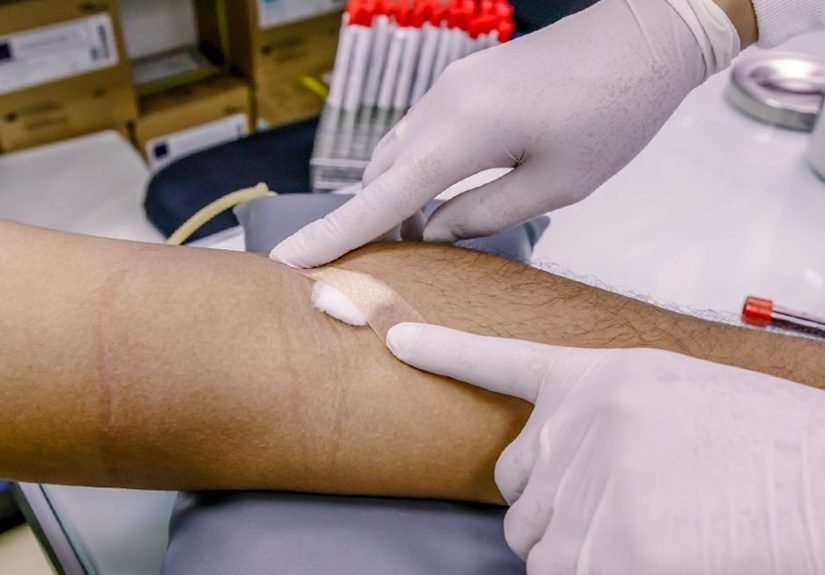
A bruise after venipuncture (the fancy word for a vein puncture) happens when a small amount of blood leaks from the
vein into the tissue under your skin. Your body then breaks down that trapped blood over time, which is why the color
changesfrom reddish to purple/blue to green/yellowbefore fading away.
Sometimes the bruise is paired with a small, firm lump. That’s often a minor hematomabasically a little
pocket of blood under the skin. Most small hematomas resolve on their own, just like a typical bruise.
Why bruising happens after blood work
Think of your vein like a soft garden hose. A needle has to enter it to collect blood. Ideally, the vein seals quickly
after the needle comes out. But if the seal is slow or the vein is irritated, blood can seep into surrounding tissue
and form a bruise.
Common reasons you might bruise
-
The needle nicks the vein wall or the needle passes through the vein (especially if the vein is small
or moves a bit). - Not enough pressure afterward (or not long enough). Pressure is what helps that tiny puncture seal.
-
Bending your arm right away. Many people instinctively fold their elbow like they’re holding a
sandwich with both hands. It can actually increase pressure in the area and encourage bleeding under the skin. - Multiple attempts or “hard stick” veins. More pokes can mean more chances for a little leak.
- Fragile veins or thinner skin, which can happen with aging or certain medical conditions.
-
Where the blood was drawn. The inner elbow is common, but draws from the hand or wrist can bruise
more easily because the tissue is different and veins may be smaller or more superficial.
“Blown vein” vs. “normal bruise”
You may hear the term blown vein. That usually means the vein was mildly injured during the stick,
and blood leaked into surrounding tissue. It can look dramaticbruising, swelling, tendernessbut it’s often still
a self-limited problem that improves over days.
Who bruises more easily after a blood draw?
Some bodies are basically “bruise minimalists.” Others collect bruises like they’re limited-edition stickers. If you
tend to bruise easily, it doesn’t automatically mean something is wrongbut certain factors can increase bruising risk.
Medications and supplements that can make bruising more likely
Anything that affects clotting can increase the chance of bruising after a blood draw. Common examples include:
- Blood thinners (anticoagulants) such as warfarin, apixaban, rivaroxaban, dabigatran, and others.
- Antiplatelet medicines such as aspirin or clopidogrel.
- Some pain relievers (like NSAIDs) can affect bleeding for some people.
-
Some supplements may have mild blood-thinning effects in certain situations. If you take supplements
and bruise a lot, it’s worth mentioning to your clinician.
Important: don’t stop prescribed blood thinners on your own just to avoid a bruise. Instead, let the person drawing your
blood knowso they can use good technique and you can apply longer pressure afterward.
Body and health factors
- Older age (skin thins and small vessels are easier to disrupt).
- Dehydration (veins can be less “plump,” making the stick trickier).
- Bleeding or clotting disorders (inherited or acquired).
- Low platelets or other blood conditions that affect clotting.
- Liver disease, which can affect clotting proteins.
- Frequent blood draws or IV placements in the same arm.
What to do if you get a bruise after a blood draw
Most bruises improve with basic home care. Your goal is to (1) stop any ongoing seepage, (2) reduce swelling and
tenderness, and (3) support healing.
Right away: the “first 5 minutes” plan
- Apply firm pressure directly over the site (through gauze or cotton), ideally for several minutes.
- Keep your arm straight. If you need to move, do it gentlyno bicep curls, no victory fist pumps.
-
Leave the bandage on for the recommended time (often a couple of hours). If you were told to use a
pressure bandage longer, follow those instructions.
First 24–48 hours: cold compress is your friend
Use a cold pack (or a bag of frozen peas doing its best impression of a medical device). Wrap it in a thin towel and
apply for about 10–20 minutes at a time, a few times a day. Cold helps reduce pain and swelling by narrowing small blood
vessels.
After the first day or two: switch to gentle warmth
Once the initial swelling and tenderness settle, a warm compress can help improve circulation and encourage the body to
reabsorb the pooled blood. Use warmnot “I’m trying to bake my elbow” hot10–20 minutes at a time.
Supportive steps that make a difference
- Elevate your arm when you can (especially the first day).
- Go easy on heavy lifting for 12–24 hours, especially if your bruise is growing.
-
Choose pain relief wisely. If you’re allowed to take over-the-counter meds, acetaminophen is often
preferred for bruise discomfort. If you take blood thinners or have bleeding risks, ask your clinician before using
NSAIDs like ibuprofen. - Don’t massage it aggressively. Gentle touch is fine; deep kneading can irritate tissue and worsen bleeding.
- Watch the edges. A bruise that spreads a bit in the first day can be normal; a rapidly expanding, tight swelling is not.
How long does bruising after a blood draw last?
Many small bruises fade within a week. Larger bruises or hematomas can take longersometimes a couple of weeks. Color
changes are normal as the body breaks down blood products under the skin.
A practical rule: the bruise should look better over time, not angrier. If it’s steadily improvingeven slowlythat’s usually reassuring.
When to worry: signs you should call a clinician
Most post-blood-draw bruises are harmless. Still, you should reach out for medical advice if you notice any of the
following:
Call soon (same day or next day) if:
- The bruise keeps getting bigger after the first several hours.
- You have significant swelling, a firm growing lump, or increasing pain.
- The area becomes very red, hot, or starts draining fluid (possible infection).
- You have numbness, tingling, or weakness in the hand/fingers on that side.
- You’re on blood thinners and the bruising is large, unusual, or paired with ongoing bleeding.
Get urgent care right away if:
- Bleeding won’t stop with firm pressure.
- Your hand becomes pale, cold, very swollen, or difficult to move.
- You feel faint, extremely weak, or have other concerning bleeding symptoms.
If you take anticoagulants or antiplatelet medications, err on the side of calling your care team when bruising is
unusually large or paired with other bleeding signs. It’s better to ask a “small question” than ignore a big clue.
Prevention: how to reduce bruising next time
You can’t control everything about a blood draw (if you could, you’d probably also control your Wi-Fi and the price of
eggs). But you can stack the odds in your favor.
Before the blood draw
- Hydrate (unless you were told to fast or restrict fluids). Hydration can make veins easier to access.
-
Tell the staff if you bruise easily, have had “hard sticks,” or take blood thinners, aspirin, or
antiplatelet medication. -
Ask for a comfortable setup: a warm blanket or warm pack on the arm beforehand can help veins relax
and become more visible. - Wear sleeves that roll up easily. Wrestling your shirt while someone holds a needle is an unnecessary sport.
During the draw
- Keep your arm still and relaxed. Tensing can make veins less cooperative.
-
Make a gentle fist if instructed, but avoid aggressive “pumping,” which can increase pressure and
irritation. - Speak up if you feel sharp, unusual pain during the sticksometimes repositioning helps.
After the draw (this is the big one)
- Press firmly for several minutes. If you’re on blood thinners, you may need longer pressure.
- Keep the arm straight while you apply pressure.
- Leave the bandage on for the recommended time, but don’t leave it on so long it irritates skin.
- Avoid heavy lifting or intense exercise with that arm for 12–24 hours.
Quick FAQ
Is bruising after a blood draw normal?
Often, yes. A small bruise is a common side effect of venipuncture. It’s usually just a minor leak under the skin and
resolves on its own.
Should I use ice or heat?
Ice (cold pack) is generally best earlyespecially in the first 24 hours. After a day or two, gentle warmth can help
with lingering soreness and help the bruise fade.
Can I work out after blood work?
Light activity is usually fine, but heavy lifting or intense arm workouts soon after the draw can make bruising worse.
If you’re prone to bruising, give that arm a short break for the rest of the day.
Why did my bruise move or “spread” down my arm?
Gravity can pull the leaked blood along tissue planes, so bruising may appear lower than the puncture site. This can
look odd but may still be normal if swelling and pain are mild and the bruise is improving overall.
What if I keep bruising every time I get blood drawn?
Tell your clinician and the phlebotomist. Frequent bruising can happen with fragile veins, certain medications, or
clotting issues. They may recommend a different draw site, technique, or a review of medications and bleeding risk.
Real-World Experiences: What People Commonly Notice (and What Helps)
People’s experiences with bruising after a blood draw vary wildlyfrom “tiny dot, no big deal” to “my arm looks like a
watercolor experiment.” Here are a few common patterns patients often describe, along with practical takeaways that
tend to help (and a few myths worth retiring).
Experience #1: “It didn’t hurt much… then later it did.”
A lot of bruising doesn’t announce itself immediately. Someone might leave the lab feeling fine, only to notice
tenderness and discoloration a few hours later. That delay makes sense: the initial poke is brief, but the bruise
forms as a small amount of blood slowly seeps into tissue. The most helpful response people report is simple:
a cold pack in the first day and taking it easy with that armespecially skipping the “let me carry every grocery bag
in one trip” challenge.
Experience #2: “There’s a lump under the bruise and I’m freaking out.”
That small bump is often a mild hematomabasically pooled blood that clotted under the skin. It can feel firm or
rubbery, and it can look a little dramatic. Many people notice it feels better with gentle compression (not tight),
cold early on, and then warm compresses after the first day or two. What usually calms nerves is tracking the trend:
if the lump stops growing and tenderness gradually improves, it’s typically headed in the right direction.
If the lump keeps expanding, becomes very painful, or you notice numbness or hand changes, that’s a “call the clinic”
situation.
Experience #3: “The bruise is hugedid they mess up?”
Sometimes the stick was technically fine, but your body’s clotting and vessel fragility make bruising more likely.
People on blood thinners or aspirin often report bigger bruises even with a smooth draw. Another common scenario is
a vein that’s small or rolls, leading to a second attempt. In those cases, the most consistent “next-time fix” people
mention is telling the phlebotomist up front: “I bruise easily,” “I’m on a blood thinner,” or “I’m a hard stick.”
That heads off surprises and often leads to longer post-draw pressure and more careful site selection.
Experience #4: “Someone told me to bend my arm and hold it tight.”
This is one of those advice fossils that just won’t go extinct. Many people were taught to bend the elbow and clamp
down hard. But plenty of patients notice they bruise less when they keep the arm straight and apply steady pressure
directly over the puncture site for several minutes. The “straight arm + pressure” combo is boring, yesbut boring is
exactly what you want your vein to be.
Experience #5: “It looks worse before it looks better.”
Bruises change color and sometimes appear to “spread.” That can be unsettling if you’re watching it like a time-lapse
nature documentary. Many people find it reassuring to know that shifting colors are part of normal breakdown and
cleanup. A good rule patients often use: if pain is decreasing, the bruise is softening, and swelling isn’t increasing,
it’s usually healingeven if the color is doing a dramatic wardrobe change.
If you’re ever unsure, trust your gut and get medical adviceespecially if you’re on blood thinners, have repeated
large bruises, or notice symptoms beyond the bruise itself. Most of the time, though, this “post-lab artwork” fades
with time, cold early, warmth later, and a little patience.
Conclusion
Bruising after a blood draw is usually a minor, temporary side effect of venipunctureannoying, sometimes tender, but
rarely dangerous. The best approach is straightforward: apply firm pressure right after the draw, use cold packs in the
first day, switch to gentle warmth later, and watch for red-flag symptoms like rapidly expanding swelling, numbness,
or bleeding that won’t stop. If you tend to bruise easily or take blood thinners, a little extra pressure time and a
quick heads-up to the phlebotomist can go a long way.