Table of Contents >> Show >> Hide
- Why Broiled Rainbow Trout Deserves a Spot in Your Weekly Rotation
- Ingredients for Broiled Rainbow Trout With Lemon Parsley Sauce
- Step-by-Step Instructions
- Tips for Perfectly Broiled Trout Every Time
- Serving Ideas and Easy Variations
- Frequently Asked Questions
- Real-Life Experiences With Broiled Rainbow Trout
If salmon is the celebrity of healthy fish, rainbow trout is its underrated indie cousin:
mild, delicate, packed with omega-3s, and ready in less time than it takes to scroll your
favorite food app. This broiled rainbow trout with lemon parsley sauce recipe turns a simple
fillet into something that feels restaurant-worthy but is easy enough for a rushed weeknight.
Broiling rainbow trout is fast because the fillets are thin and cook in just a few minutes
under high heat. Paired with a bright lemon parsley butter sauce, you get crispy edges, tender
flakes, and a glossy finish that makes the fish taste like it came from a bistro instead of
your basic home oven. As a bonus, trout is naturally rich in high-quality protein and
nutrients, especially vitamin D and heart-healthy omega-3 fatty acids, so this dish hits that
rare sweet spot of “comfort food” and “dietitian-approved.”
In this guide, you’ll learn exactly how to broil rainbow trout so it stays moist, how to make
a foolproof lemon parsley sauce, safe internal temperature tips, serving ideas, and a few
real-life experiences from home cooks who’ve turned this recipe into a regular in their dinner
rotation.
Why Broiled Rainbow Trout Deserves a Spot in Your Weekly Rotation
Rainbow trout is one of those fish that quietly checks all the boxes. It tastes mild and
slightly nutty, making it perfect for people who say they “don’t really like fish.” It cooks
extremely fast, which is exactly what you want at 7 p.m. when you’re hungry and the takeout
apps are whispering your name. A typical 3-ounce cooked portion provides around 20 grams of
protein with very little saturated fat and plenty of beneficial fats, including omega-3s that
support heart and brain health.
Nutritionally, trout holds its own against more famous fish. That same modest serving is also a
notable source of vitamin D, potassium, and B vitamins, especially vitamin B12. Combine that
with the fresh parsley (for a small boost of vitamin K and antioxidants) and lemon juice (for
acidity and a touch of vitamin C), and you’ve got a meal that tastes indulgent but aligns
nicely with a heart-healthy eating pattern.
From a cooking perspective, broiling is ideal for trout because the direct high heat gives you
a lightly crisp top while keeping the inside flaky and moist. You don’t need fancy equipment:
just an oven, a broiler-safe pan, and the common sense to not walk away for ten minutes while
the fish is under a miniature sun.
Ingredients for Broiled Rainbow Trout With Lemon Parsley Sauce
This recipe serves about 4 people. Scale it up or down depending on your appetite and how many
sides you plan to serve.
For the Trout
- 4 rainbow trout fillets (about 5–6 ounces each), skin-on if possible
- 1–2 tablespoons olive oil or melted butter, for brushing
- Salt, to taste (about 1/2 teaspoon kosher salt per pound of fish)
- Freshly ground black pepper, to taste
- Lemon wedges, for serving
For the Lemon Parsley Sauce
- 4 tablespoons (1/2 stick) unsalted butter
- 2–3 tablespoons freshly squeezed lemon juice (plus more to taste)
- 2–3 tablespoons finely chopped fresh parsley
- 1 small garlic clove, very finely minced (optional, for a sharper kick)
- Pinch of salt
- Pinch of freshly ground black pepper
If you want a slightly lighter version, you can swap half of the butter in the sauce for
extra-virgin olive oil. You’ll still get a silky, flavorful topping with a bit less saturated
fat and a fruitier flavor.
Step-by-Step Instructions
1. Prep the Trout Fillets
-
Check for pin bones. Run your fingers gently along the flesh side of each
trout fillet. If you feel any small bones, pull them out with clean tweezers or fish pliers. -
Pat dry. Use paper towels to pat the fish very dry on both sides. This step
helps the fish brown slightly under the broiler and prevents steaming. -
Season. Place the fillets, skin-side down, on a lightly oiled,
broiler-safe sheet pan or cast-iron skillet. Brush the top of each fillet with a thin layer
of olive oil or melted butter, then sprinkle with salt and freshly ground black pepper.
2. Preheat the Broiler and Position the Rack
-
Set your oven rack so that the fish will sit about 4–6 inches below the broiler element. If
it’s too close, the top may scorch before the center cooks; too far and you lose that nice
broiled texture. -
Turn the broiler on high and let it preheat for a few minutes while you prepare the lemon
parsley sauce.
3. Make the Lemon Parsley Sauce
-
In a small saucepan, melt the butter over medium-low heat. If you want a deeper, nutty
flavor, let the butter cook a bit longer until it turns light golden and smells toasty,
stirring often. -
Remove from the heat for a moment, then whisk in the lemon juice, chopped parsley, and
minced garlic (if using). Season with a pinch of salt and pepper. -
Taste and adjust: add more lemon juice if you want it brighter, or a bit more butter if
you’d like it richer. Keep the sauce warm over the lowest heat or just off the stove until
the trout is done.
4. Broil the Rainbow Trout
- Slide the pan of trout under the preheated broiler, skin-side down. Do not cover the fish.
-
Broil for about 4–7 minutes, depending on the thickness of the fillets and how powerful
your broiler is. Thin fillets may be done closer to 4 minutes; thicker ones may take up to
7 minutes. -
Check doneness early. The trout is done when it flakes easily with a fork and turns opaque
all the way through. If you’re using an instant-read thermometer, the thickest part should
reach about 140–145°F (60–63°C). Many home cooks like to pull trout from the oven around
140°F and let carryover heat finish it as it rests. - Be ready to rotate the pan once if your broiler has hot spots so everything cooks evenly.
5. Saucing and Serving
-
Transfer the broiled trout to warm plates or a serving platter. This helps keep the fish
hot while you sauce it. -
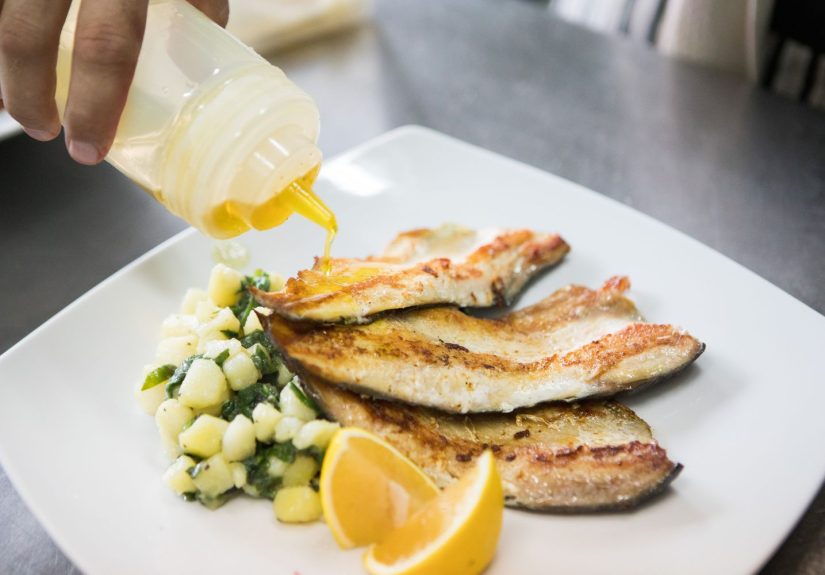
Spoon the warm lemon parsley sauce generously over each fillet, letting it drip down the
sides and mingle with the juices on the plate. -
Serve immediately with extra lemon wedges on the side for anyone who likes a stronger
citrus punch.
Tips for Perfectly Broiled Trout Every Time
Don’t Walk Away From the Broiler
Broilers are fast and unforgiving. Since trout cooks in just a few minutes, treat this as a
“stay in the kitchen” recipe. Use a timer and start checking the fish at the earliest time
estimate. If your oven has a glass door, peek through it rather than opening the door
constantly, which can drop the temperature.
Dry Fish Browns Better
Moisture on the surface of the fish works against browning and can lead to steaming. That’s
why patting the trout dry and lightly brushing it with oil makes such a difference. It helps
the top firm up and get a slightly crisp, appetizing finish that stands up beautifully to the
rich lemon parsley sauce.
Respect Food Safety, But Don’t Overcook
For safety, fish is generally recommended to be cooked to an internal temperature around
145°F (63°C). However, trout is delicate and dries out quickly if left too long. Many chefs
prefer to remove it from the oven slightly earlier, around 135–140°F (57–60°C), and let it
rest briefly. The temperature will climb a few degrees as it sits, keeping the center juicy
while still reaching a safe range.
Adjust the Sauce to Your Taste
You’re not locked into a strict butter–lemon–parsley ratio. If you love bright acidity, add
an extra splash of lemon juice just before serving. Prefer a more herb-forward profile? Stir
in additional fresh parsley or a little chopped dill. Like garlic? Increase the minced garlic
in the sauce or rub a cut clove over the fish before broiling.
Serving Ideas and Easy Variations
Simple Side Dish Pairings
-
Roasted or steamed vegetables: Asparagus, green beans, or broccoli match
the citrusy sauce perfectly. -
Light starch: Serve with herbed rice, quinoa, couscous, or small roasted
potatoes to soak up extra sauce. -
Crisp salad: A mix of greens, cucumber, and radish with a lemon vinaigrette
keeps the meal feeling fresh and light.
Flavor Twists
-
Lemon–capers: Stir a tablespoon of drained capers into the lemon parsley
sauce for briny bites that mimic classic piccata. -
Garlic–herb upgrade: Add fresh dill, chives, or tarragon to the parsley for
a more complex herb profile. -
Spicy version: Add a pinch of red pepper flakes to the sauce or sprinkle a
bit over the fillets before broiling for gentle heat. -
Olive oil twist: Replace half of the butter with olive oil to lean into
Mediterranean flavors while keeping the sauce silky.
Frequently Asked Questions
Can I use frozen rainbow trout?
Yes, just thaw it completely in the refrigerator before cookingusually overnightor
use the cold water method: keep the fish sealed and submerge it in cold water, changing the
water every 30 minutes until thawed. Pat the fillets very dry before seasoning and broiling,
because frozen fish tends to release more moisture.
Can I make this recipe with whole trout?
Absolutely. If you’re using cleaned whole trout, lightly oil and season the outside and the
cavity, then stuff the inside with lemon slices and parsley stems. Broiling time may be a bit
longer, especially near the backbone, so check doneness at the thickest part and be sure the
flesh flakes easily and turns opaque all the way to the bone.
How do I reheat leftover broiled trout?
Fish is always best fresh, but leftovers can still be tasty. Reheat gently in a 275–300°F
(135–150°C) oven for about 8–10 minutes, or just until warmed through. You can also flake
cold trout into a salad, grain bowl, or whole-grain pasta and dress it with a bit of extra
lemon and olive oil instead of reheating.
Is broiled trout healthy?
Yes. Compared with many meat-based main dishes, broiled trout is relatively low in saturated
fat and rich in protein and beneficial fats. The lemon parsley sauce uses a moderate amount of
butter, but you can reduce the quantity or swap some of it for olive oil without losing
flavor. Pair the fish with vegetables and whole grains for a balanced, nutrient-dense meal.
Real-Life Experiences With Broiled Rainbow Trout
If you talk to home cooks who’ve fallen in love with rainbow trout, a common theme comes up:
this is the fish that finally made “fish night” easy. Many people start with salmon because
it’s familiar, but then discover trout cooks faster, feels lighter, and pairs beautifully with
the same lemon-and-herb flavors they already know and love.
One typical experience goes like this: you pick up trout on a whim because it looks fresh and
reasonably priced. You get home, realize you’re short on time, and decide to just broil it
with lemon, butter, and parsley. Ten minutes later, dinner is on the table, everybody has a
full plate, and there’s this collective “Wait, why haven’t we done this before?” moment.
That’s the charm of broiled trout: it quietly solves dinner on nights when you don’t have the
energy for complicated recipes.
Another common discovery is how forgiving the lemon parsley sauce is. Even if your timing is a
bit offmaybe the fish stayed under the broiler for a minute too longthe rich, tangy sauce
helps keep everything moist and flavorful. The fresh parsley softens the butter’s richness and
keeps the sauce from feeling heavy. Many home cooks end up using the same sauce on other
seafood, on roasted vegetables, or even drizzled over boiled potatoes.
Over time, people tend to customize this recipe to fit their routines. Some keep pre-portioned
trout fillets in the freezer so they can thaw them in the morning and have dinner ready in
under 20 minutes after work. Others double the lemon parsley sauce because someone in the
house likes to drag every bite of fish, vegetables, and bread through the buttery pool. A few
health-conscious cooks switch half the butter for olive oil or add extra parsley and lemon to
brighten the flavor and trim the richness.
The more often you cook broiled rainbow trout, the more intuitive it becomes. You’ll learn how
your specific broiler behaves, how thick your usual fillets are, and exactly when to pull the
fish for the texture you like best. Eventually, you won’t even need a timer; you’ll hear the
gentle sizzling, see the edges just starting to brown, and know it’s time to plate up. When a
recipe becomes that familiar, it stops being “just dinner” and starts feeling like a reliable
rituala small, delicious anchor in a busy week.