Table of Contents >> Show >> Hide
If chocolate milk and a classy cognac cocktail had a very sophisticated baby, it would be the
Brandy Alexander. This creamy, nutmeg-dusted drink is a true dessert cocktail classicelegant enough
for a black-tie party, but cozy enough to sip in pajamas while you rewatch your favorite show for
the fifth time.
In this guide, we’ll walk through a reliable Brandy Alexander cocktail recipe, the story behind this
old-school favorite, the best ingredients to use, and smart variations (including the famous
frozen Brandy Alexander). By the time you’re done, you’ll know exactly how to shake one like a pro
and serve it without turning it into an alcoholic milkshake accident.
What Is a Brandy Alexander?
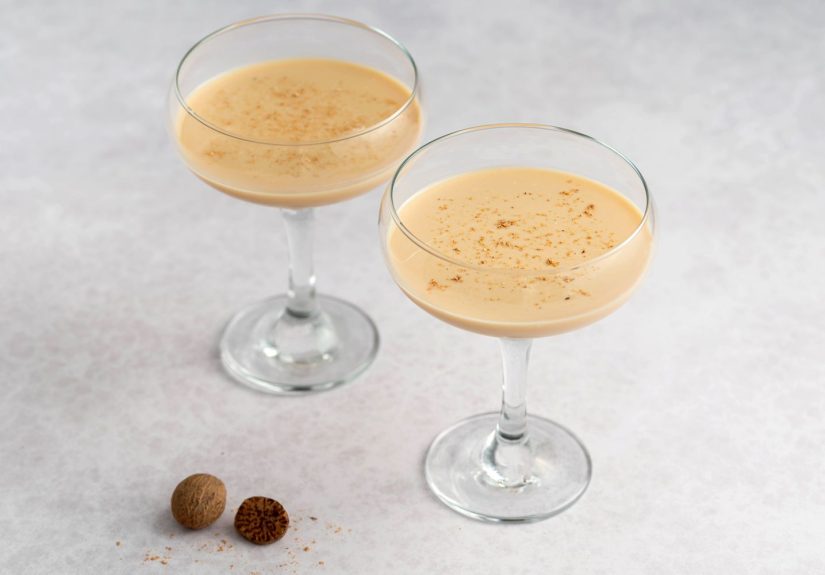
A Brandy Alexander is a classic dessert cocktail made with brandy (often cognac), dark crème de cacao,
and cream, served “up” in a chilled coupe or cocktail glass and topped with freshly grated nutmeg.
It’s rich, velvety, and just boozy enough to feel like a grown-up treat.
The drink evolved from an earlier cocktail called simply the Alexander, which used gin instead of
brandy. Over time, the brandy-based version stole the show and became the better-known Brandy
Alexander we know today.
In a world of spicy margaritas and low-ABV spritzes, the Brandy Alexander stands out as unashamedly
indulgentthink of it as a liquid dessert you drink slowly, not something you knock back like a shot.
The Classic Brandy Alexander Cocktail Recipe
Ingredients
For one cocktail, you’ll need:
- 1 ½ ounces brandy or cognac
- 1 ounce dark crème de cacao
- 1 ounce heavy cream (or half-and-half for a slightly lighter version)
- Ice cubes
- Freshly grated nutmeg, for garnish
This 1½–1–1 ratio (brandy–crème de cacao–cream) is a slightly spirit-forward version of the
traditional equal-parts recipe (1–1–1), and it’s widely recommended by bartenders because it keeps
the drink balanced and not overly sweet.
Step-by-Step Instructions
-
Chill your glass.
Place a coupe or cocktail glass in the freezer for a few minutes. A cold glass helps keep this creamy
cocktail silky and refreshing instead of lukewarm and sad. -
Add ingredients to a shaker.
Fill a cocktail shaker halfway with ice. Pour in the brandy, dark crème de cacao, and cream. -
Shake like you mean it.
Shake vigorously for 15–20 seconds. You’re not just cooling the drinkyou’re aerating the cream so it
becomes thick, frothy, and dessert-like. -
Strain into the chilled glass.
Double strain (through a fine mesh strainer) if you want an extra-smooth texture with fewer ice shards. -
Garnish.
Grate fresh nutmeg over the top. That aromatic, spicy note is the finishing touch that makes a Brandy
Alexander feel luxurious.
And that’s ityou’ve just made a Brandy Alexander cocktail the classic way. No blender, no complicated
syrups, just three ingredients and a little confidence.
Choosing the Best Ingredients
Brandy vs. Cognac
The base of a Brandy Alexander is, unsurprisingly, brandy. Many recipes specifically recommend a
cognac because its richer, barrel-aged character stands up beautifully to the cream and chocolate
liqueur.
You don’t need a luxury bottle, but avoid the very cheapest options. A mid-range VS or VSOP cognac or
quality American brandy is perfect: smooth, a little fruity, and not too harsh. Save your very old,
expensive sipping cognac for drinking neatthat’s another treat entirely.
Dark vs. White Crème de Cacao
Crème de cacao is a sweet, chocolate-flavored liqueur that comes in two main styles: dark and white.
Dark crème de cacao is typically richer, with deeper chocolate and vanilla notes, while white crème
de cacao is clear and a bit lighter in flavor.
For a classic Brandy Alexander cocktail recipe, most bartenders prefer dark crème de cacao. It adds:
- Deeper chocolate flavor to balance the cream
- Beautiful color, giving the drink a warm beige tone rather than a stark white
- Richer aroma, especially when combined with nutmeg
If you only have white crème de cacao, you can still make a great drinkit’ll just look paler and
taste a touch lighter and more vanilla-forward.
Which Cream to Use?
Heavy cream is standard, giving you that ultra-luxurious, dessert-level texture. Some recipes swap in
half-and-half or light cream to make the drink less rich and a little easier to sip.
If you want:
- Maximum indulgence: Use heavy cream.
- Something slightly lighter: Half-and-half works very well.
For non-dairy drinkers, rich plant-based alternatives like barista-style oat or coconut cream can
mimic the texture, though the flavor profile will shift slightly.
Brandy Alexander Ratios and Variations
Finding Your Perfect Ratio
Common ratio options include:
-
1:1:1 (equal parts) – Very creamy and dessert-like, almost like a boozy milkshake
in a glass. -
2:1:1 (spirit-forward) – Popular modern approach: a bit more brandy, so the drink
tastes balanced, with clear chocolate notes but less syrupy sweetness.
If you’re not sure where to start, mix the 1½–1–1 version from the recipe above, then adjust from
there. Prefer more dessert vibes? Add a splash more cream. Want more kick? Increase the brandy slightly.
Frozen Brandy Alexander (With Ice Cream)
The frozen Brandy Alexander takes everything you love about the drink and turns it into a boozy
milkshake-style dessert. Many recipes blend vanilla ice cream with brandy and crème de cacao, then
garnish with nutmeg just like the classic cocktail.
To make a simple frozen version:
- 2 scoops vanilla ice cream
- 1 ounce brandy
- 1 ounce crème de cacao
- A small splash of milk or cream if needed to blend
Blend until smooth, pour into a chilled glass, and finish with nutmeg. This version is fantastic as
a holiday dessert or grown-up birthday treatjust remember it still contains real alcohol, no matter
how much it tastes like dessert.
Modern Twists on the Brandy Alexander
-
Spiced Brandy Alexander: Add a tiny pinch of ground cinnamon or allspice, or use a
spiced brandy to give the cocktail more winter warmth. -
Coffee Brandy Alexander: Swap a portion of the crème de cacao for a coffee liqueur
like Kahlúa for a mocha-like flavor. - Nutty Alexander: Add a barspoon of hazelnut or almond liqueur for extra complexity.
-
Low-ABV Dessert Sipper: Reduce the brandy and increase the cream a bit, making it
softer and more dessert-focused.
How to Serve a Brandy Alexander Like a Pro
Glassware and Garnish
The Brandy Alexander looks and feels most elegant in a coupe glass, though a classic cocktail or
martini glass also works well. Always chill the glass first; it’s a small step that makes the texture
feel extra smooth and indulgent.
Freshly grated nutmeg is non-negotiable if you want that bar-quality finish. Pre-ground nutmeg will do
in a pinch, but freshly grated nutmeg releases far more aroma, and it’s one of the first things your
guests will notice when they raise the glass to their nose.
When to Serve a Brandy Alexander
The Brandy Alexander cocktail recipe shines in moments like:
- Holiday dinners – Serve instead of (or alongside) dessert.
- Celebrations – Anniversaries, promotions, or “we survived another week” parties.
- Cozy nights in – When you want something sweet but don’t want to bake.
- Dessert pairings – Works with tiramisu, chocolate mousse, or simple butter cookies.
Because it’s rich and creamy, most people will be happy with just one. That’s actually a perkit feels
special and indulgent without encouraging over-consumption. As always, enjoy responsibly.
Common Mistakes (and How to Avoid Them)
1. Using Too Little Brandy
If you lean too far into cream and liqueur, you can end up with a drink that tastes like melted ice
cream and not much else. Stick to at least a 1:1:1 ratio, or bump the brandy slightly to keep things
balanced.
2. Over-Shaking or Under-Shaking
Under-shaking leaves the drink thin and under-chilled; over-shaking can introduce too much dilution
and make the texture watery. Aim for a solid 15–20 seconds of shaking with plenty of icecold, frothy,
and slightly thick is the goal.
3. Skipping the Nutmeg
It’s easy to think of the nutmeg as “just garnish,” but it adds aroma and a warm spice note that ties
together the brandy and chocolate. Without it, the drink loses a surprising amount of character.
4. Using Very Low-Quality Spirits
Yes, the cream and chocolate liqueur do a lot of smoothing, but a harsh or overly rough brandy can
still show through. Choose a decent mid-tier bottle and you’ll taste the difference in a single sip.
Real-World Experiences With the Brandy Alexander
One of the most charming things about the Brandy Alexander cocktail is how it tends to turn even
non–cocktail people into fans. Someone who usually says, “Oh, I don’t really drink mixed drinks,” will
often change their mind once they try a creamy, lightly sweet Brandy Alexander served in a chilled
glass with a cloud of nutmeg on top.
Imagine a winter dinner party. The main course is done, the dishes are stacked somewhere in the
kitchen, and everyone is debating whether they have room for dessert. Instead of juggling plates of
cake and scoops of ice cream, you stroll back into the room with a tray of Brandy Alexanderspale,
frothy, and gently scented with spice. It feels thoughtful and a little bit theatrical without being
difficult or time-consuming for the host.
Many home bartenders discover the Brandy Alexander while experimenting with dessert cocktails. After
trying heavier options like mudslides or White Russians, they often find the Brandy Alexander to be a
nice middle ground: decadent, but not cloying; creamy, but not so thick you feel like you need a spoon.
The chocolate note from the crème de cacao is present but not overwhelming, so it works for people who
don’t want a drink that tastes like pure syrup.
A common “first experience” story goes something like this: someone orders one at a classic-style bar
because the name sounds old-fashioned and mysterious. The drink arrives, they take a cautious sip, and
their eyes widen a little. The combination of cool glass, silky cream, and warm nutmeg reads as both
nostalgic and surprising. It tastes like a dessert from another erain the best possible way.
At home, making a Brandy Alexander can become a bit of a ritual. You might start by picking out the
right glassware (coupes and vintage cocktail glasses are especially photogenic), then carefully chilling
them while you measure the brandy and crème de cacao. Shaking the drink becomes the satisfying middle
step: the sound of ice, the weight of the shaker, the feeling that you’re making something special
instead of just pouring a quick drink.
People also tend to experiment. Once they’ve made the classic recipe a few times, they might try a
frozen Brandy Alexander with ice cream for a celebration or swap a portion of the crème de cacao for a
coffee liqueur to create a mocha twist. Others will play with different brandiesfruitier, spicier, or
aged longerto see how much they can change the personality of the drink without losing its core
identity.
Another recurring experience: how well this cocktail photographs. The smooth, pale surface and the
tiny specks of nutmeg practically beg to be posted on social media. It’s the type of drink that makes
your home bar look instantly more professional, even if you’re mixing it beside the toaster.
Finally, there’s the social side. Serving Brandy Alexanders can spark conversation about other
classic cocktailslike Grasshoppers, White Russians, or the original gin-based Alexander. It becomes a
gateway to talking about cocktail history, different styles of crème de cacao, or the joys of building
a small but well-chosen home bar. It’s a simple recipe, but it opens the door to a much bigger world of
cocktail culture and creativity.
Whether you’re celebrating something big, savoring a quiet evening in, or just curious about a
vintage-style dessert drink, the Brandy Alexander cocktail recipe is a fantastic one to know. It
respects tradition, rewards good ingredients, and always feels just a little bit glamorousno elaborate
bar setup required.