Table of Contents >> Show >> Hide
- What Bona Traffic Waterborne Hardwood Floor Finish Actually Is
- Why So Many Flooring Pros Like the Bona Traffic Line
- Appearance, Sheen, and the “What Will My Floor Actually Look Like?” Question
- Application Notes That Matter More Than the Label’s Glamour Shot
- Bona Traffic vs. Oil-Based Polyurethane
- Pros and Cons of Bona Traffic Waterborne Hardwood Floor Finish
- Who Should Choose Bona Traffic?
- Extended Experience Notes: What Real-World Projects Tend to Feel Like
- Final Verdict
- SEO Tags
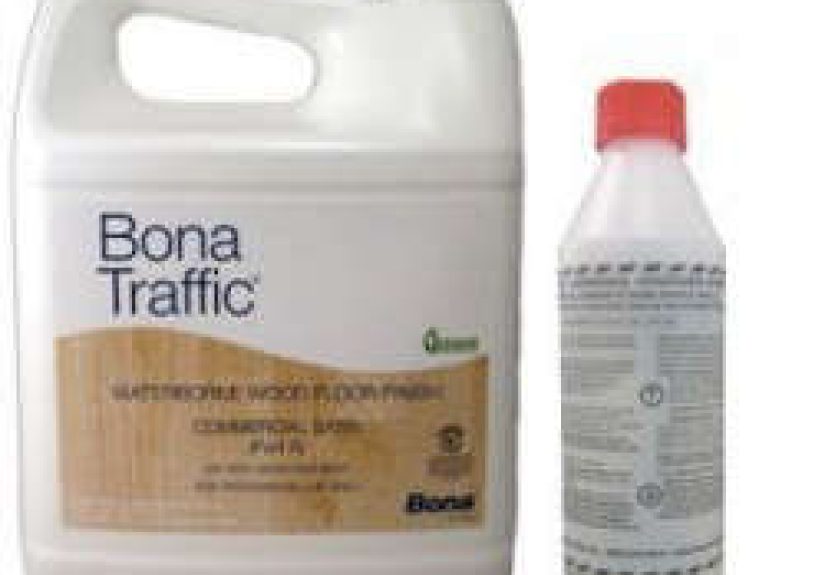
If hardwood floors had a gym membership, a skincare routine, and a firm boundary against muddy shoes, they would probably ask for Bona Traffic Waterborne Hardwood Floor Finish. This is the product line people talk about when they want a waterborne finish that looks refined, dries fast, and holds up when life gets loud. Think busy family rooms, retail spaces, hallways, dogs with opinions, kids with toy trucks, and dinner guests who somehow always wear shoes indoors “just for a second.”
Bona Traffic has long been positioned as a premium, two-component waterborne hardwood floor finish for heavy-use environments. In today’s market, that conversation often centers on the Bona Traffic HD branch of the family, which pushes cure speed, lower VOCs, and extreme durability even further. Either way, the appeal stays the same: you get a tough finish without the ambering, heavier odor, and slower cure times that make old-school oil-based polyurethane feel like a dramatic relative who overstays every holiday.
What Bona Traffic Waterborne Hardwood Floor Finish Actually Is
At its core, Bona Traffic is a professional-grade, waterborne finish designed for commercial and residential hardwood floors that see real traffic, not imaginary showroom traffic where no one spills coffee and every sock is mysteriously clean. It is a two-component system, meaning the finish is mixed with a hardener before application. That chemistry is a big reason the product has such a strong reputation for wear resistance, scratch resistance, and overall toughness.
Published product information shows that classic Bona Traffic and Bona Traffic HD share several traits that matter to both contractors and homeowners: both are clear and colorless when dry, both spread at roughly 350 to 400 square feet per gallon per coat, and both typically dry in around two to three hours under recommended conditions. Where the newer HD version really flexes is cure speed and emissions profile. The older Bona Traffic data sheet lists full cure at about seven days, while Traffic HD moves that timeline down to about three days, with a lower published VOC figure than the older formula. That is not a tiny upgrade. That is the finish equivalent of switching from a flip phone to a smartphone and pretending it is basically the same thing.
Why So Many Flooring Pros Like the Bona Traffic Line
1. It is built for genuinely heavy traffic
Bona does not market Traffic as a delicate, decorative finish for rooms that never get used. The line is aimed at shopping areas, restaurants, offices, schools, stages, hospitals, and busy homes. That matters because product positioning tells you what the finish is trying to survive. Bona Traffic is not trying to look pretty for six months and then quietly disappear. It is trying to stay on the job.
That heavy-duty reputation shows up again and again in technical sheets, pro guides, and distributor descriptions. The language is consistent: strong resistance to wear, impressive scuff and scratch performance, chemical resistance, and a finish film designed for harder use than lighter residential products. If your house functions like an actual house instead of a furniture catalog, that kind of protection is more than marketing poetry.
2. It keeps wood looking like wood
One of the biggest reasons people choose a high-end waterborne finish is appearance. Bona Traffic is known for being clear, colorless, and non-yellowing. That means the finish highlights the true color of the wood or stain rather than slowly shifting the floor into a deeper amber over time. On white oak, that can be a huge deal. On pale modern interiors, it is practically the whole game.
Oil-based polyurethane can still produce a beautiful floor, especially if you want warmth and rich amber tone. But if your design goal is “clean, natural, bright, modern,” Bona Traffic makes a very strong case for itself. It protects without visually hijacking the wood. In other words, it acts like a good stage crew: essential, hardworking, and not trying to steal the spotlight.
3. Dry times are practical, not theatrical
Classic Bona Traffic and Traffic HD both publish dry times in the neighborhood of two to three hours per coat. That means multiple coats can often be completed in a day when conditions cooperate. For homeowners, that usually means less disruption. For contractors, it means more efficient scheduling. For everyone involved, it means fewer days of tiptoeing around a room like it contains sleeping dragons.
Cure time is where the family splits into two clear personalities. Traditional Bona Traffic reaches full cure in about a week. Traffic HD is faster, reaching full cure in about three days. That faster return-to-service window is one reason HD has become such a favorite for projects where downtime is expensive or deeply annoying.
4. Low odor and lower emissions are part of the appeal
Bona waterborne finishes are widely positioned as lower-odor, lower-VOC alternatives to oil-modified and acid-cured systems. That does not mean “odor-free fairy mist,” because finishing a wood floor is still finishing a wood floor. But it does mean the experience is generally more manageable indoors, especially for homeowners who do not want their whole place smelling like a chemistry exam with regret.
The Bona waterborne finish guides and GREENGUARD certification angle matter here, too. For buyers who care about indoor air quality, the brand has leaned hard into low-emission performance. Traffic HD, in particular, is frequently associated with very low VOC language and GREENGUARD Gold certification. That helps explain why this finish gets so much attention in schools, healthcare-related environments, upscale residences, and spaces where performance and air quality are both part of the conversation.
Appearance, Sheen, and the “What Will My Floor Actually Look Like?” Question
This is the part many people skip until too late, then stare at their floor wondering why it reflects the ceiling fan like a disco ball. Bona Traffic is not just about durability. It is also about choosing the right sheen for the room, the wood species, and the style of the home.
Classic Bona Traffic has traditionally been offered in Commercial Satin, Commercial Semi-Gloss, and Commercial Gloss. Traffic HD expands the menu with Commercial Extra Matte, which has become especially popular in modern and European-inspired interiors. If you want a low-sheen floor that looks relaxed and expensive, extra matte is the charmer. Satin remains the safe favorite for many homes because it offers a soft glow without highlighting every speck of dust or every enthusiastic paw print. Semi-gloss and gloss deliver more shine and visual drama, but they also put surface imperfections on stage under bright light.
Then there are specialty versions in the broader Traffic family, such as RAW and Anti-Slip. RAW is meant to preserve the look and feel of untreated wood as closely as possible. Anti-Slip is aimed at spaces where traction matters more than a slick showroom effect, such as stairs, kitchens, aging-in-place homes, or commercial settings with accessibility requirements. So yes, Bona Traffic can absolutely do beauty. It just also understands practicality, which is refreshing.
Application Notes That Matter More Than the Label’s Glamour Shot
Bona Traffic may be waterborne, but it is not a lazy weekend paint project. It sits in the professional-grade lane for a reason. The finish is mixed with hardener, used within a limited pot life, and applied at a specific spread rate. If you apply it too thin, too thick, too slow, too fast, or with the enthusiasm of someone frosting a birthday cake, you can create avoidable problems.
The published spread rate is roughly 350 to 400 square feet per gallon, and the mixed material should generally be used within a few hours. Between coats, Bona’s guidance indicates that abrasion is not always necessary if recoating occurs within the stated window, but once that window is missed, proper abrasion and cleaning become critical. Translation: this is not a finish that rewards improvisation. It rewards preparation, pacing, and clean technique.
For heavy-traffic projects, Bona also points toward a system approach: stain or sealer where appropriate, then two coats of finish, with a third coat recommended in tougher-use conditions. That system thinking matters because great floor results rarely come from one miracle jug alone. They come from the whole schedule being right.
Bona Traffic vs. Oil-Based Polyurethane
If you are comparing Bona Traffic with traditional oil-based polyurethane, the decision usually comes down to four things: color, odor, downtime, and long-term performance. Oil-based products tend to warm and amber the floor. Bona Traffic stays clearer. Oil-based products often smell stronger and cure more slowly. Bona Traffic dries faster and gets you back to normal life sooner. Oil-based finishes can still be very durable, but Bona’s waterborne guide makes a strong case that modern waterborne systems are no longer the soft, second-tier option some people still imagine.
That outdated idea deserves to retire. Today’s premium waterborne finishes are not the awkward cousin of “real polyurethane.” Products in the Bona Traffic family are specifically designed to compete at the top of the market. They are faster, cleaner-looking, and easier to sell to homeowners who do not want their white oak floors turning into toasted caramel over the next two years.
Pros and Cons of Bona Traffic Waterborne Hardwood Floor Finish
Pros
- Excellent wear resistance for busy homes and commercial spaces
- Clear, non-yellowing appearance that preserves wood tone
- Fast dry times, with multiple coats often possible in one day
- Lower odor and lower-emission positioning than many oil-based systems
- Multiple sheen options, including modern low-sheen looks
- Professional reputation for durability and long-term performance
Cons
- More expensive than entry-level finishes
- Best results usually come from experienced installers
- Fast drying can make application less forgiving
- Even tough finishes are not magic shields against dents or deep gouges
- Two-component mixing adds process discipline and time pressure
Who Should Choose Bona Traffic?
Bona Traffic makes the most sense for homeowners who want premium performance and care about maintaining a more natural, less ambered wood look. It is especially smart for high-activity households with kids, pets, frequent guests, or rooms that serve as the unofficial interstate system of the home. It is also a strong fit for commercial and light-commercial environments where downtime matters and maintenance teams do not want a fragile finish.
If your priorities are lowest upfront cost and maximum DIY forgiveness, you may find friendlier products elsewhere. But if your priorities are durability, appearance, quicker return to use, and strong professional credibility, Bona Traffic earns its place near the top of the shortlist.
Extended Experience Notes: What Real-World Projects Tend to Feel Like
In practical, lived-in spaces, the experience of Bona Traffic usually starts with relief. Homeowners notice that the smell is more manageable than older oil-based systems, even though it is still wise to ventilate the area and follow all safety directions. Contractors notice the workflow advantage: fast dry times help keep the project moving, and the finish does not drag out the job for ages. That faster rhythm is especially appreciated when the kitchen connects to everything, the dog keeps trying to inspect the work, and the family wants their furniture back before next season.
Once the floor is down and curing, Bona Traffic tends to create the kind of finish people describe as crisp, clean, and current. On white oak, red oak, and many stained floors, the surface looks more neutral and less artificially warmed than oil-based alternatives. That visual restraint is a big part of the appeal. Floors still feel rich and finished, but they do not look dipped in honey. For homeowners chasing a modern American look, that difference can be enormous.
The flip side is that application has to stay disciplined. Installers often point out that premium waterborne finishes can dry fast enough that sloppy edging, uneven spread, or hesitation shows up more quickly than people expect. In other words, the finish rewards confidence. A seasoned pro usually sees that as a benefit. A first-time applicator may see it as the floor asking trick questions.
After the first day, the floor often looks ready long before it is ready for abuse. That is another common experience point. People see a beautiful, dry-looking surface and immediately want to drag chairs, slide a sofa, roll in the fridge, and reunite the room with every rug it has ever known. Bona’s guidance suggests more patience than that. Light use comes sooner than full cure, and the first week still benefits from gentler treatment, felt pads, clean socks, and a little self-control. Yes, self-control is annoying. So is refinishing too soon.
Over time, the finish tends to shine most in households that clean smart and protect the floor from grit. Walk-off mats, routine dust removal, felt pads, and sane cleaning habits make a noticeable difference. Bona Traffic is durable, but floor grit is basically tiny sandpaper with a social life. The good news is that once the finish is fully cured, many homeowners find it easier to maintain than softer, cheaper coatings. The floor stays truer in color, holds up well to normal family use, and keeps that polished “we made a good decision” vibe longer. That is really the experience Bona Traffic sells: not perfection, but a tougher, cleaner-looking floor that keeps up with real life without turning every hallway into a maintenance drama.
Final Verdict
Bona Traffic Waterborne Hardwood Floor Finish has earned its reputation for a reason. It combines the clarity and modern look people want from a premium waterborne coating with the durability required for spaces that actually get used. The classic Bona Traffic formula already built a strong name around heavy-traffic performance, while Traffic HD sharpened that promise with faster cure times, lower published VOCs, and even more buzz among flooring pros.
If you want a finish that looks sophisticated, resists wear, and does not push your wood toward an amber time machine, Bona Traffic is one of the strongest options in the category. It costs more, demands better technique, and expects a little patience during cure. But when the job is done right, the result is the kind of floor that keeps looking calm even when the household absolutely is not.