Table of Contents >> Show >> Hide
- Quick Snapshot: IUD vs. Pills
- How They Work (No Lab Coat Required)
- Effectiveness: “Perfect Use” vs. Real Life
- Side Effects and Risks: The Trade-Off Menu
- Periods, Skin, and Other “Bonus Features”
- Convenience and Control: Set-It-and-Forget-It vs. Daily Habit
- Cost and Insurance: The Dollars-and-Sense Part
- Who Might Prefer Which? Specific Examples
- Questions to Ask a Clinician (Bring This List Like It’s a Shopping Cart)
- Bottom Line: Which One Is “Better”?
- Real-World Experiences: What People Notice Over Time (The Part Nobody Puts on the Brochure)
- SEO Tags
If choosing birth control feels like standing in the cereal aisle while hungry and overstimulated, you’re not alone.
Two of the most common options in the U.S. are intrauterine devices (IUDs) and birth control pills.
Both are effective at preventing pregnancy, both are widely used, and both come with trade-offs that matter in real lifelike your schedule, your periods, your health history, and how much “daily responsibility” you want your contraception to require.
This guide breaks down IUD vs. pills with plain-English explanations, realistic effectiveness (not just “perfect use” fantasy stats),
side effects, costs, and examples of who tends to prefer what. Think of it as a friendly comparison shopping tripminus the fluorescent lighting.
Quick Snapshot: IUD vs. Pills
| Category | IUD (Copper or Hormonal) | Birth Control Pills (Combined or Progestin-Only) |
|---|---|---|
| How you use it | Placed by a clinician; works for years | Take a pill daily (timing matters more for some types) |
| Typical-use effectiveness | Among the most effective reversible methods (very low failure rate) | Effective, but real life (missed pills) lowers protection |
| Maintenance | Low-maintenance (“set it and forget it”) | High-maintenance (daily habit, refills, travel planning) |
| Hormones | Copper IUD: none; Hormonal IUD: progestin | Combined pills: estrogen + progestin; Mini-pill: progestin only |
| Period changes | Hormonal IUD often lighter periods; copper IUD often heavier at first | Often more predictable cycles; can help with cramps/acne for many |
| STI protection | No | No |
| Stop anytime? | Yesremoved by a clinician (fertility returns quickly for most) | Yesstop taking it (fertility returns quickly for most) |
How They Work (No Lab Coat Required)
IUDs: Copper vs. Hormonal
An IUD is a small, T-shaped device placed in the uterus by a healthcare professional.
Once it’s in, you don’t have to do anything dailyno alarms, no “did I pack my pills?” panic.
Copper IUD: Uses copper to make the environment unfriendly to sperm. It’s hormone-free and works continuously for years.
The trade-off? Many people notice heavier bleeding or stronger cramps at first (often improving over time).
Hormonal IUD: Releases a small amount of progestin mostly in the uterus. This thickens cervical mucus and changes the uterine lining,
making pregnancy far less likely. Many users experience lighter periods over time, and some stop bleeding altogether.
Pills: Combined vs. Progestin-Only
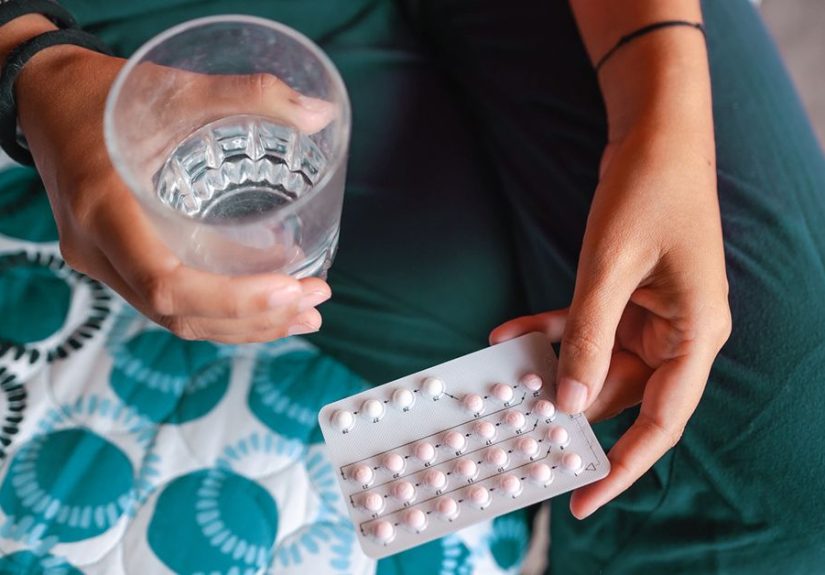
Birth control pills prevent pregnancy mainly by changing hormones in a way that can stop ovulation (especially combined pills),
thicken cervical mucus, and alter the uterine lining.
Combined oral contraceptives (COCs) contain estrogen + progestin. They’re popular because they can also help with cycle control,
cramps, acne, and other hormone-related symptoms for many people.
Progestin-only pills (POPs, “mini-pill”) contain no estrogen. They can be a good fit for people who should avoid estrogen.
The catch: for some POP types, taking it at the same time every day matters a lot more.
Effectiveness: “Perfect Use” vs. Real Life
Here’s the honest truth: most birth control “fails” because humans are involved.
Not because humans are badbecause humans are busy, tired, traveling, stressed, and occasionally convinced they already took the pill when they definitely did not.
IUDs are considered among the most effective reversible methods because they remove the daily behavior piece.
Once it’s placed correctly, it works in the background.
Pills are very effective with perfect use, but typical use drops because missed or late pills happen.
In reality, many pill users land around the “about 93% effective” range in a typical year.
If you’re deciding based mostly on effectiveness and you don’t want your calendar to control your uterus, an IUD usually wins that category.
If you prefer something you can start/stop without a procedure and you’re confident you can keep a daily routine, pills can be a great option.
Side Effects and Risks: The Trade-Off Menu
Common IUD Side Effects
- Cramping or discomfort around insertion (varies person to person).
- Spotting during the first few months (more common with hormonal IUDs early on).
- Heavier periods and stronger cramps at first with a copper IUD (often improves after a few months).
- Lighter bleeding over time with hormonal IUDs; some people have very light or no periods.
Less common but important to know: IUD complications like expulsion (the IUD partially or fully coming out) and perforation are considered uncommon.
Infection risk is generally low, with the highest risk window occurring shortly after insertion. These are reasons your clinician asks about symptoms,
screening, and follow-up.
Common Pill Side Effects
- Nausea, breast tenderness, or spotting when starting (often improves within a few cycles).
- Mood changes for some people (and no changeor improvementfor others).
- Headaches can improve or worsen depending on the person and formulation.
The biggest safety consideration is usually about estrogen-containing pills. Combined pills can increase the risk of blood clots,
stroke, or heart attack in higher-risk individuals. Your clinician will ask about things like migraines (especially migraine with aura),
blood clot history, blood pressure, smoking status, and other medical factors. Progestin-only pills avoid estrogen-related risks, but require more consistent timing.
Periods, Skin, and Other “Bonus Features”
Many people don’t choose birth control based only on pregnancy preventionthey also want help with symptoms.
This is where the conversation gets personal (in the practical way, not the “oversharing on the internet” way).
Reasons people like pills beyond contraception
- More predictable bleeding and the ability to plan around periods.
- Less painful cramps for many users.
- Acne improvement for some people with certain combined pill formulations.
- Cycle flexibility (some people use continuous dosing to have fewer withdrawal bleeds).
Reasons people like hormonal IUDs beyond contraception
- Lighter periods over time; sometimes periods become very light or stop.
- Less bleeding-related hassle for many users who previously had heavy periods.
- Lower day-to-day hormone exposure compared with systemic methods (most of the effect is local).
Convenience and Control: Set-It-and-Forget-It vs. Daily Habit
A useful way to choose is to ask: Do I want contraception to be a background app or a daily notification?
IUD convenience
IUDs are low-maintenance. You don’t have to remember anything daily, and you don’t need frequent pharmacy refills.
Many people choose an IUD specifically because they want “high effectiveness without high effort.”
Pill convenience (yes, it exists)
Pills are non-invasive and easy to start and stop. If you hate the idea of a procedure, that matters.
Pills can also be easier to switch if you’re trying to fine-tune side effectsyour clinician can adjust formulation, dose, or type.
The big downside is the daily schedule. If you miss pills, protection can dropespecially with certain progestin-only pills where timing is less forgiving.
If your life is unpredictable, it’s worth being honest about that before you commit to a method that requires daily perfection.
Cost and Insurance: The Dollars-and-Sense Part
Cost can look weird on paper: an IUD may have a higher upfront price (device + visit + placement), while pills are usually cheaper month-to-month.
But many insurance plans cover contraception with little or no out-of-pocket cost under current preventive coverage rules, though details vary by plan and situation.
If you’re paying out of pocket, pills can feel more manageable because costs are spread out.
If you have coverage and want long-term value, an IUD can be cost-effective over time because you’re covered for years.
Who Might Prefer Which? Specific Examples
1) The “My Schedule Eats Calendars for Breakfast” person
If you work irregular hours, travel a lot, or know you’ll forget pills occasionally, an IUD is often the easier fit.
It avoids the daily “did I take it?” question entirely.
2) The “I want to try something and bail easily” person
If you want maximum control without a procedure, pills can be appealing.
You can stop anytime, and switching types is straightforward.
3) The “I want hormone-free” person
If you’d prefer to avoid hormones, the copper IUD is a major option.
Just be prepared that periods may be heavier or crampier at first.
4) The “My periods are intense” person
If heavy bleeding or painful cramps are a big issue, a hormonal IUD or certain pill regimens might help.
Which is better depends on your symptoms, medical history, and how your body reacts.
5) The “I need to avoid estrogen” person
If estrogen isn’t recommended due to medical reasons, you may discuss a progestin-only pill or a hormonal IUD with a clinician.
The goal is effective pregnancy prevention without increasing health risks.
6) The “I want the most effective reversible option” person
If minimizing pregnancy risk is priority #1 and you want a reversible method, an IUD is often a top contender
because it removes user error.
Questions to Ask a Clinician (Bring This List Like It’s a Shopping Cart)
- Which option is safest with my medical history (migraines, blood pressure, clot risk, etc.)?
- How might this method change my period over the next 3–6 months?
- If I choose pills, which type (combined vs. progestin-only) makes the most sense for me?
- If I choose an IUD, which type (copper vs. hormonal) and which duration fits my goals?
- What side effects are “normal adjustment” vs. reasons to call you?
- How quickly can I switch if this doesn’t feel right?
- What will it cost with my insurance (including insertion/removal visits)?
Bottom Line: Which One Is “Better”?
There isn’t a universally “best” birth control methodthere’s the best fit for you.
In general:
- IUDs tend to win on “low effort, very high effectiveness for years.”
- Pills tend to win on “no procedure, flexible, and can help with cycle control.”
If you want something you don’t have to think about daily, IUDs are hard to beat.
If you want a non-procedure option you can adjust more easily, pills can be a great match.
Either way, a quick conversation with a clinician can help you pick the safest and most comfortable option based on your health and your life.
Real-World Experiences: What People Notice Over Time (The Part Nobody Puts on the Brochure)
Facts and charts are helpful, but people often decide based on lived reality: how it feels day to day, what changes show up,
and whether the method fits their routine. Here are common patterns people report when comparing IUD vs. pills.
(Reminder: bodies vary wildlytwo people can have totally different experiences with the same method.)
What IUD users often describe
Many people who choose an IUD talk about the relief of not having to remember anything. After the initial placement and adjustment phase,
it can feel like contraception fades into the backgroundmore like a subscription you already paid for than a task you must complete daily.
That “mental load” reduction is a big reason people stick with IUDs.
The adjustment phase is the part that gets the most mixed reviews. Some people feel crampy for a day or two and move on.
Others describe a few weeks of on-and-off cramps or spotting. Hormonal IUD users often say bleeding becomes lighter over time,
sometimes to the point where periods are barely theregreat for some, unsettling for others who prefer a monthly “everything’s fine” check-in.
Copper IUD users commonly talk about a more noticeable period shift early on: heavier flow and stronger cramps for a few cycles.
Some find it manageable with typical comfort measures (rest, heating pad, over-the-counter pain relief if medically appropriate),
while others decide it’s not worth it and switch methods. A lot of the “success” with copper comes down to whether your baseline periods were already heavy.
If your periods were mild before, you may have more wiggle room. If they were intense already, the copper IUD may feel like adding a backpack to a sprint.
What pill users often describe
Pill experiences often depend on two things: the formulation and the routine. People who already have a daily habitlike brushing teeth,
taking vitamins, or doing skincareoften find pills easy. They fold the pill into something they already do and rarely miss doses.
Those folks tend to describe the pill as convenient and empowering: no procedure, easy to stop, and easy to change if side effects pop up.
But people with unpredictable schedules frequently say the pill becomes a source of low-grade stress. It’s not always dramaticmore like a constant background whisper:
“Did I take it?” “Was that the placebo week?” “Do I need a refill before the weekend?” If you’ve ever left the house and turned around because you forgot your phone,
imagine that feelingbut for contraception.
Physically, some pill users report that the first couple of months feel like a “hormone weather system”: mild nausea, tender breasts, spotting,
or mood shifts that settle after the body adjusts. Others feel noticeably better on the pillmore stable cycles, fewer cramps, improved skin, or fewer PMS symptoms.
And some people try one pill and hate it, switch to another, and do great. That’s normal; pill “fit” can be trial-and-tweak.
How people often decide after trying one
A common story goes like this: people start with pills because it’s accessible and non-invasive. If it fits their routine and improves cycle symptoms, they stay.
If the daily habit feels stressful or missed pills happen, they often move toward a long-acting option like an IUD.
Meanwhile, some people start with an IUD for maximum effectiveness and convenience, but switch to pills if they dislike the period changes or the idea of having a device in place.
The most consistent theme in real-world experiences is that the “best” method is the one you can use comfortably and consistently.
Effectiveness matters, but so does your lifestyle, your tolerance for side effects, and how much mental energy you want to spend on birth control.
If you’re torn, it can help to tell a clinician what you value mostlighter periods, hormone-free, no daily tasks, easy stoppingso the recommendation matches your priorities.