Table of Contents >> Show >> Hide
- First: Why Dry Mouth Happens (So You Treat the Right Thing)
- Why Dry Mouth Deserves Respect (Even If It Sounds Mild)
- Best Remedies To Treat Dry Mouth (Start Here)
- 1) Sip water like it’s your side hustle (but do it strategically)
- 2) Use ice chips (tiny, legal mouth moisturizers)
- 3) Chew sugar-free gum or suck sugar-free lozenges
- 4) Switch to an alcohol-free mouth rinse (your mouth should not “burn clean”)
- 5) Try saliva substitutes and oral moisturizers (sprays, gels, rinses)
- 6) Add humidity at night
- 7) Breathe through your nose (and treat what blocks it)
- Food and Drink Tweaks That Actually Help
- Protect Your Teeth: The “Don’t Let Dry Mouth Become a Dental Emergency” Plan
- Medication-Related Dry Mouth: What to Do (Safely)
- Prescription Options (For When Home Remedies Aren’t Enough)
- Nighttime Dry Mouth: A Mini-Playbook
- Remedies to Avoid (Because They Backfire)
- When to See a Dentist or Doctor
- FAQ: Quick Answers to Common Dry Mouth Questions
- Real-World Experiences: What Actually Helps (and What Doesn’t)
- Experience #1: “It started after I changed medications.”
- Experience #2: “My mouth is driest at night, and mornings are brutal.”
- Experience #3: “I’m fine until I talk a lotthen my mouth dries out instantly.”
- Experience #4: “I tried mints, but they made my mouth sting.”
- Experience #5: “Dry mouth messed up my teeth faster than I expected.”
- A simple “trial-and-error” routine people stick with
- Conclusion
Not medical advice. If your dry mouth is persistent, severe, or new (especially after starting a medication), talk with a dentist or healthcare provider.
Dry mouth (the glamorous medical term is xerostomia) is more than “I forgot my water bottle.”
It’s that sticky, cottony, why-do-my-lips-feel-like-a-desert sensation that can make eating crackers feel like an extreme sport.
And because saliva is basically your mouth’s built-in cleaning crew, chronic dryness can raise your risk of cavities, gum problems, and oral infections.
The good news: most people can get real relief with a smart mix of quick fixes, habit tweaks, and (when needed) targeted medical treatment.
Below are the best remediespractical, dentist-approved, and actually doable on a random Tuesday.
First: Why Dry Mouth Happens (So You Treat the Right Thing)
Dry mouth is usually a symptom, not a standalone “disease.”
Knowing what’s behind it helps you choose remedies that work longer than 20 minutes.
Common causes
- Medications: Hundreds can reduce salivacommon culprits include some allergy meds, antidepressants, anxiety meds, blood pressure meds, and pain meds.
- Dehydration: Not drinking enough, sweating a lot, diarrhea/vomiting, fever, or intense workouts.
- Mouth breathing: Especially at night (congestion, allergies, snoring, sleep apnea).
- Tobacco and alcohol: Both can dry and irritate oral tissues.
- Medical conditions: Diabetes, Sjögren’s syndrome, autoimmune diseases, thyroid issues, and others can contribute.
- Cancer treatment: Radiation to the head/neck and some chemo can affect salivary glands.
Why Dry Mouth Deserves Respect (Even If It Sounds Mild)
Saliva isn’t just “mouth water.” It helps you chew, swallow, taste, speak, neutralize acids, and protect teeth.
When saliva drops, bacteria and acids get a party invitationand your teeth are the venue.
- Higher cavity risk (often fast-moving cavities along the gumline)
- Bad breath (because dryness lets odor-causing bacteria thrive)
- Sore throat, burning tongue, or mouth irritation
- Difficulty swallowing, especially dry foods
- Oral thrush (yeast overgrowth) in some cases
Best Remedies To Treat Dry Mouth (Start Here)
1) Sip water like it’s your side hustle (but do it strategically)
Frequent small sips usually help more than chugging a giant bottle twice a day.
Keep water nearby and take a few sips before talking a lot, eating, or exercising.
- Pro tip: Take sips during meals to help chewing and swallowing.
- Night tip: Keep water by the bed for wake-ups.
2) Use ice chips (tiny, legal mouth moisturizers)
Letting ice chips melt slowly can keep your mouth comfortable longer than room-temp water.
It’s especially helpful at night or during long meetings when constant sipping isn’t realistic.
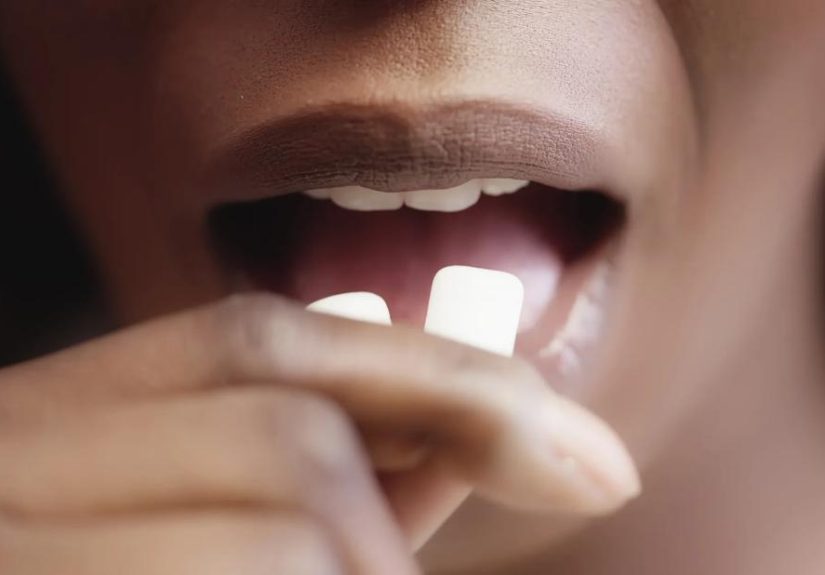
3) Chew sugar-free gum or suck sugar-free lozenges
Chewing and sucking stimulate saliva reflexes.
Look for sugar-free optionsoften with xylitolto avoid feeding cavity-causing bacteria.
- Choose: sugar-free gum, sugar-free mints/lozenges
- Limit: very sour candies if they irritate your mouth or bother enamel
- Heads-up: too much xylitol can cause stomach upset for some people; and xylitol is dangerous to dogskeep gum away from pets.
4) Switch to an alcohol-free mouth rinse (your mouth should not “burn clean”)
Many traditional mouthwashes contain alcohol and can make dryness worse.
Choose an alcohol-free rinse, ideally one made for dry mouth.
5) Try saliva substitutes and oral moisturizers (sprays, gels, rinses)
If your glands are underproducing, “artificial saliva” products can coat and soothe tissues.
They come as sprays, gels, rinses, and lozenges.
Many use ingredients such as xylitol or thickening agents (like cellulose-based moisturizers) that help keep the mouth feeling less parched.
- Best for: nighttime dryness, medication-related dryness, or persistent symptoms
- How to use: apply as directedoften before speaking, eating, or bed
- Expectation setting: they don’t “cure” the cause; they improve comfort and protection
6) Add humidity at night
A bedroom humidifier can reduce overnight drynessespecially if you mouth-breathe.
Think of it as giving your mouth a less dramatic climate to live in.
- Clean it regularly to prevent mold/bacteria buildup.
- If you use a CPAP, ask your provider about humidification settings.
7) Breathe through your nose (and treat what blocks it)
If your mouth is open all night, you’ll wake up feeling like you slept in a sandstorm.
Congestion, allergies, deviated septum, and sleep apnea can all drive mouth breathing.
Managing nasal obstruction can be a game-changer.
Food and Drink Tweaks That Actually Help
8) Cut back on common “drying” triggers
- Caffeine: coffee, tea, energy drinks, some sodas can worsen dryness for many people.
- Alcohol: dries tissues and can irritate the mouth.
- Tobacco: dries and inflames oral tissues; quitting helps overall oral health.
9) Make meals easier: moisten, soften, sauce
If your mouth is dry, dry foods fight back. Instead of wrestling a granola bar,
choose foods that come with built-in moistureor add your own.
- Soups, stews, yogurt, oatmeal, smoothies
- Extra sauces, gravies, olive oil, or broths for meats and rice
- Soft fruits (melon, peaches) and cooked vegetables
10) Avoid foods that sting a dry mouth
Some foods feel fine normally but turn into sandpaper when you’re dry.
- Very salty snacks (chips, salted nuts)
- Spicy foods if they cause burning
- Highly acidic beverages (some sodas/sports drinks) if they irritate your mouth or your dentist has warned about enamel
Protect Your Teeth: The “Don’t Let Dry Mouth Become a Dental Emergency” Plan
11) Brush gently with fluoride toothpaste (and don’t skip flossing)
When saliva is low, fluoride matters even more.
Brush at least twice daily with fluoridated toothpaste and floss daily to reduce cavity risk.
12) Ask your dentist about extra fluoride support
If you have ongoing dry mouth, your dentist may recommend higher-fluoride products or specific preventive strategies
based on your cavity risk and medical history.
13) Keep regular dental checkups (dry mouth is easier to manage early)
Dry mouth can lead to rapid tooth decay in some peopleespecially around the gumline.
Regular checkups catch changes early, before they turn into “surprise root canal season.”
Medication-Related Dry Mouth: What to Do (Safely)
14) Review your medication list with your providerdon’t DIY-stop meds
If dry mouth started after a new prescription (or a dose increase), talk to your prescribing provider.
Sometimes a small adjustment, a different medication, or a different dosing time can help.
Do not stop prescription medications on your own.
15) Time your remedies around your meds
If your mouth is worst after you take a medication, plan support:
water sips, sugar-free gum, and a saliva substitute before speaking-heavy activities.
Prescription Options (For When Home Remedies Aren’t Enough)
16) Saliva-stimulating medications (sialogogues)
For certain causesespecially Sjögren’s syndrome or radiation-related dry mouthproviders may prescribe medications
that stimulate salivary glands, such as pilocarpine or cevimeline.
These can help some people produce more saliva, but they can also cause side effects (like sweating) and aren’t right for everyone.
If you’re considering them, your clinician will weigh benefits, side effects, and any conditions that affect safety.
Nighttime Dry Mouth: A Mini-Playbook
17) Set your room up for success
- Use a humidifier (clean it regularly).
- Apply a saliva gel or moisturizing spray before bed.
- Keep water at bedside for wake-ups.
18) Address snoring, allergies, and congestion
If you wake up dry every morning, mouth breathing may be the main culprit.
Consider discussing allergies, chronic nasal congestion, or snoring with a healthcare provider.
Treating the underlying issue often improves dryness more than any lozenge ever will.
Remedies to Avoid (Because They Backfire)
- Alcohol-based mouthwash: can dry tissues further.
- Sugary candies: feed bacteria and raise cavity risk.
- Overdoing acidic drinks: can irritate and may contribute to enamel wear.
- Tobacco: worsens dryness and harms oral health.
When to See a Dentist or Doctor
Occasional dry mouth happens. But don’t ignore persistent symptomsespecially if they last more than a couple of weeks,
disrupt sleep, or come with other issues.
- Dry mouth that’s persistent or worsening
- Trouble swallowing, speaking, or tasting
- Mouth sores, burning, or frequent infections (like thrush)
- Rapid cavities or tooth sensitivity
- Dry eyes plus dry mouth (possible autoimmune involvement)
- Dry mouth after head/neck radiation or cancer treatment
FAQ: Quick Answers to Common Dry Mouth Questions
Is dry mouth always dehydration?
No. Dehydration is common, but medications, mouth breathing, and medical conditions are frequent causes.
If you’re drinking enough water and still feel persistently dry, it’s worth getting checked.
Do electrolytes help?
They can help if dehydration is part of the problem (heavy sweating, illness), but they won’t fix medication-induced or autoimmune-related dry mouth.
Also, some sports drinks are acidic and sugary, so choose wisely and don’t sip them all day.
What’s the best dry mouth product?
The “best” is the one you’ll actually use consistently.
Many people like a nighttime gel plus a daytime spray or rinse.
If you’re cavity-prone, prioritize products that support oral health and talk to your dentist about fluoride protection.
Can dry mouth go away?
Often, yesespecially if it’s due to dehydration, temporary illness, or a medication that can be adjusted.
If salivary glands are damaged (for example, from head/neck radiation), management may be ongoing, but relief is still possible.
Real-World Experiences: What Actually Helps (and What Doesn’t)
Dry mouth advice can sound simple (“drink water!”) until you’re the one awake at 3 a.m. with your tongue glued to your teeth.
Here are common, real-life patterns people reportand the tweaks that tend to make the biggest difference.
Think of these as practical “field notes,” not a substitute for medical care.
Experience #1: “It started after I changed medications.”
This is one of the most common stories: a new allergy pill, antidepressant, anxiety medication, or blood pressure med shows up
and suddenly your mouth feels like it’s buffering.
People often try to brute-force the problem with more water, but the relief lasts only minutes.
What tends to help most is a two-step plan:
(1) talk to the prescribing provider about timing, dose, or alternatives (without stopping the medication abruptly),
and (2) add “support tools” that don’t depend on your salivary glands cooperatinglike a moisturizing spray during the day
and a gel at night. Many people find they can get back to normal comfort levels with this combo.
Experience #2: “My mouth is driest at night, and mornings are brutal.”
If mornings are the worst, mouth breathing is often a hidden driver.
People commonly notice they sleep with their mouth open when they’re congested or during allergy season.
The game-changer isn’t just waterit’s changing the overnight environment:
a humidifier, a bedside saliva gel, and addressing the reason the nose isn’t doing its job.
Another small but surprisingly helpful tweak: keep a water bottle by the bed and take a couple of sips before you drift off,
not only after you wake up dry. That tiny “pre-hydrate” habit can reduce midnight wake-ups.
Experience #3: “I’m fine until I talk a lotthen my mouth dries out instantly.”
Teachers, call-center workers, presenters, and anyone who talks for a living often report this.
The quick-win strategies are tactical:
take sips before you start speaking, keep sugar-free gum or lozenges nearby, and use a spray that coats the mouth.
People also find it helps to avoid caffeine right before long speaking blocksbecause even if coffee doesn’t cause the problem,
it can make the dryness feel more dramatic.
Experience #4: “I tried mints, but they made my mouth sting.”
Some mints and lozenges are intensely flavored (peppermint, cinnamon, strong menthol).
For some people, that “fresh” feeling becomes irritationespecially if tissues are already dry.
Switching to gentler, sugar-free options and focusing more on moisturizing gels (instead of strong flavors) often helps.
If you love bold flavors, use them sparingly and balance them with water and oral moisturizers.
Experience #5: “Dry mouth messed up my teeth faster than I expected.”
This is the experience nobody expects: dry mouth isn’t just uncomfortableit can be a fast track to cavities.
People often realize it after a sudden string of dental visits: “I’ve never had cavities, and now I have three.”
The most effective move here is shifting from comfort-only fixes to protection:
fluoride toothpaste (every day), consistent flossing, regular dental checkups, and asking the dentist if extra fluoride support is appropriate.
Many people find that once their prevention plan is upgraded, their mouth feels more stableeven if dryness isn’t fully gone.
A simple “trial-and-error” routine people stick with
- Morning: water sips + brush with fluoride toothpaste
- Midday: sugar-free gum/lozenge + alcohol-free dry-mouth rinse if needed
- Before speaking/exercise: moisturizing spray + water
- Evening: avoid alcohol mouthwash + choose moist foods
- Bedtime: humidifier + saliva gel + water at bedside
If you try a routine like this for 1–2 weeks and still feel intensely dry, that’s a strong sign to loop in a dentist or clinician.
Dry mouth is manageablebut it often requires matching the remedy to the cause.
Conclusion
The best remedies to treat dry mouth aren’t complicatedbut they are strategic.
Start with hydration, sugar-free gum/lozenges, alcohol-free rinses, saliva substitutes, and nighttime humidity.
Then level up: protect your teeth with fluoride and dental care, reduce triggers like tobacco and excess caffeine,
and talk to a clinician if medications or health conditions might be driving the dryness.
With the right plan, your mouth can go from “desert” back to “normal human habitat.”