Table of Contents >> Show >> Hide
- Quick Picks (If You’re Standing in the Cleaning Aisle Right Now)
- What Makes a Cleaner “Hardwood-Safe”?
- Ingredients and Tools to Avoid (Your Floor’s “Do Not Invite” List)
- How We Chose These (And How You Should Choose, Too)
- Best Hardwood Floor Cleaners of 2025 (Detailed Picks)
- 1) Bona Hardwood Floor Cleaner Best Overall
- 2) Bona PowerPlus Hardwood Floor Deep Cleaner Best Deep Clean (Without Drama)
- 3) Method Squirt + Mop Wood Floor Cleaner Best “Fast, Fun, No-Rinse” Option
- 4) Weiman Hardwood Floor Cleaner Best for Daily Grime and High-Traffic Homes
- 5) Black Diamond Wood & Laminate Floor Cleaner Best Streak-Free Value
- 6) Mr. Clean Professional Finished Floor Cleaner Best Budget Concentrate
- 7) Zep Neutral pH Floor Cleaner Best for Big Areas (Bucket-and-Mop People)
- 8) Swiffer Wood-Safe Systems Best Convenience Option for Small Messes
- The Right Way to Clean Hardwood Floors (A Simple Routine That Actually Works)
- Troubleshooting: When Your Floors Still Look Bad After You Clean Them
- FAQ: Best Hardwood Floor Cleaners (Quick Answers)
- Bonus: Experience Notes From Real Homes (500+ Words of “What Actually Works”)
- Conclusion
Hardwood floors are basically the “white sneakers” of home design: gorgeous, classic, and somehow
magnetically attracted to every crumb, paw print, and mysterious sticky spot in your house.
The good news? You don’t need to baby them. You just need the right hardwood floor cleaner
(and a mop pad that isn’t… how do we say this politely… a historical artifact).
This 2025 guide rounds up the best hardwood floor cleaners and explains what actually matters:
finish type, residue, pH balance, and why “just add vinegar” is not the universal life hack the internet thinks it is.
Expect practical picks, no-nonsense technique, and a few gentle jokes at the expense of that one person who “steam cleans everything.”
(We still love you. We just don’t love what steam does to wood.)
Quick Picks (If You’re Standing in the Cleaning Aisle Right Now)
- Best overall: Bona Hardwood Floor Cleaner (easy, widely trusted, low-residue)
- Best deep clean: Bona PowerPlus Deep Cleaner (when life happened in the kitchen)
- Best “spray and done”: Method Squirt + Mop Wood Floor Cleaner (fast, no-rinse, pleasant scents)
- Best for busy homes: Weiman Hardwood Floor Cleaner (good for daily grime and high-traffic zones)
- Best value concentrate: Mr. Clean Professional Finished Floor Cleaner (dilute correctly, save money)
- Best for big areas: Zep Neutral pH Floor Cleaner (great in a bucket, especially for large spaces)
- Best “I just need this done” option: Swiffer wood-safe system (convenient for quick touchups)
What Makes a Cleaner “Hardwood-Safe”?
1) Your floor’s finish is the boss
Most modern hardwood (and a lot of engineered hardwood) is sealed with polyurethane or a UV-cured finish.
These finishes generally do best with pH-neutral, water-based cleaners that don’t leave residue.
If your floor is oil-finished, hardwax oiled, or waxed, the rules changesometimes drastically.
(Translation: the “best hardwood floor cleaner” for your neighbor may be a terrible idea for you.)
2) Neutral pH + low residue = happy floors
Residue is the silent villain of hardwood floor cleaning. It builds up slowly, grabs dirt quickly, and
makes your floors look dull and cloudy even after you mop. A good cleaner evaporates cleanly, doesn’t feel sticky,
and doesn’t require you to re-mop with plain water “just to fix what the cleaner did.”
3) Wood and water: a complicated relationship
Hardwood can handle a damp microfiber mop. What it can’t handle is a soaking wet mop, puddles, or repeated over-wetting
that lets moisture sneak into seams. If your mop leaves visible water behind, you’re using too much product, too much water, or both.
(Your floor wants “light mist,” not “monsoon season.”)
Ingredients and Tools to Avoid (Your Floor’s “Do Not Invite” List)
-
Steam mops: Many flooring pros and industry guidance warn steam can drive moisture into wood and damage finish over time.
Even “sealed” floors can have tiny gaps that steam loves to exploit. -
Strong acids or harsh DIY mixes: Vinegar is controversial. Some outlets still recommend very diluted vinegar for certain situations,
but many pros warn acidity can dull finishes and may conflict with some manufacturer care instructions. - Ammonia, bleach, abrasive powders: These can degrade finish, discolor wood, and leave your floor looking like it lost a fight.
-
Oil soaps and furniture polish (used regularly): These can leave buildup and create a slippery film. Occasional use may be fine for some homes,
but frequent use often leads to “Why is my floor always cloudy?” heartbreak. - Rough scrub pads: If it can scrub a grill, it can scratch a floor. Use microfiber, not medieval weapons.
How We Chose These (And How You Should Choose, Too)
This list is synthesized from large U.S. home and cleaning publications, consumer testing notes, and wood-floor care guidance.
The goal isn’t to crown one magical bottleit’s to match a cleaner to your floor finish, your mess level, and your tolerance for extra steps.
Here’s the decision framework:
- Finish compatibility: especially polyurethane vs oil/wax finishes
- Residue behavior: streak-free, non-sticky, no heavy “shine layer” unless you specifically want polish
- Ease of use: ready-to-use spray vs concentrate
- Household realities: pets, kids, muddy shoes, frequent cooking
- Scent and sensitivity: fragrance-free options for allergy-prone homes
Best Hardwood Floor Cleaners of 2025 (Detailed Picks)
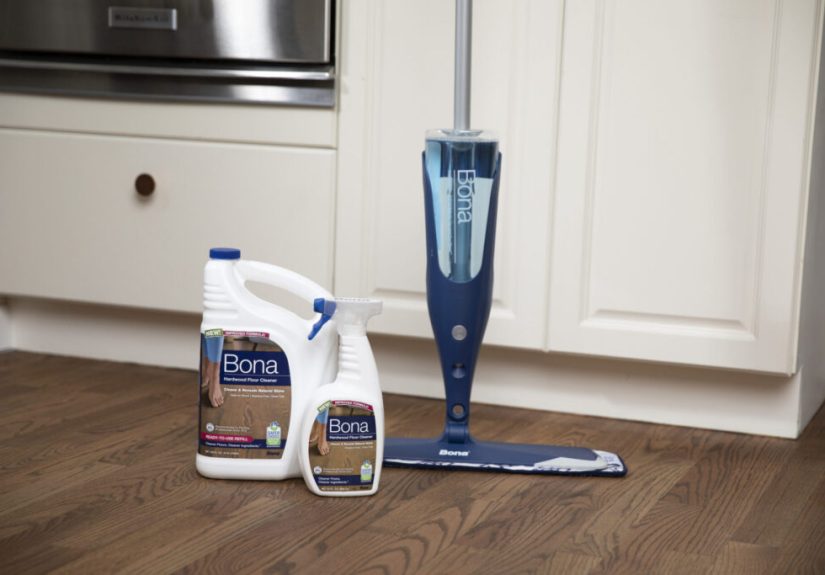
1) Bona Hardwood Floor Cleaner Best Overall
Bona is the household-name pick for a reason: it’s easy to use, designed for sealed hardwood, and generally avoids the two classic problems
(streaks and sticky residue). If you want a dependable, everyday hardwood floor cleaner that fits most modern finishes,
this is the safest “start here” choice.
- Best for: sealed hardwood, engineered hardwood with a sealed finish, routine weekly cleaning
- Why people like it: fast-drying, low-residue feel, widely available refills
- Watch-outs: still don’t over-spray; too much of any cleaner can leave a film
2) Bona PowerPlus Hardwood Floor Deep Cleaner Best Deep Clean (Without Drama)
When your floors look “fine” but somehow also look… not fine, deep-clean formulas help cut through the invisible gunk:
cooking aerosols, tracked-in grime, and that sticky mystery zone near the dining table. PowerPlus is often highlighted as a stronger option
for periodic refreshes.
- Best for: kitchens, entryways, high-traffic lanes, seasonal resets
- Pro tip: use a clean microfiber pad; deep cleaner + dirty pad = spreading the problem
3) Method Squirt + Mop Wood Floor Cleaner Best “Fast, Fun, No-Rinse” Option
Method’s Squirt + Mop is popular because it’s convenient and it’s designed to avoid puddling. The bottle format makes it easy to apply a controlled amount,
which is exactly what hardwood wants. It’s also a crowd-pleaser if you prefer plant-based vibes and a scent that doesn’t scream “chemical spa day.”
- Best for: quick cleanups, light-to-moderate grime, apartments and smaller spaces
- Why it works: controlled application helps prevent over-wetting
- Watch-outs: fragrance may not be ideal if your household prefers unscented
4) Weiman Hardwood Floor Cleaner Best for Daily Grime and High-Traffic Homes
Weiman is frequently recommended for households that need regular maintenance without fuss. It’s a good choice when your floor is constantly dealing with
socks, sneakers, pet paw prints, and the occasional “Oops, I dropped sauce” moment.
- Best for: family rooms, hallways, homes with pets/kids
- Nice bonus: works well when paired with microfiber for a streak-minimized finish
5) Black Diamond Wood & Laminate Floor Cleaner Best Streak-Free Value
If you’re sensitive to streaks and hate the “Why does it look worse after I cleaned it?” feeling, a cleaner known for a clean-drying finish can help.
Black Diamond is often mentioned as a reliable, budget-friendly choice for sealed wood and laminates.
- Best for: shiny finishes, sunlit rooms where streaks show up to embarrass you
- Watch-outs: as alwaysuse the minimum amount that gets the job done
6) Mr. Clean Professional Finished Floor Cleaner Best Budget Concentrate
Concentrates can be a great deal if you have a lot of floor to cleanif you dilute properly. Too strong and you risk residue; too weak and you’re
basically just waving a damp mop around hoping for the best. This one is often cited as a strong value pick in testing roundups.
- Best for: larger homes, frequent moppers, budget-focused shoppers
- Pro tip: measure dilution like you measure coffeeprecision matters more than vibes
7) Zep Neutral pH Floor Cleaner Best for Big Areas (Bucket-and-Mop People)
If you prefer classic bucket cleaning (or you’re doing a whole first floor), a neutral pH concentrate can be efficient and cost-effective.
Zep’s neutral pH approach is commonly used for large surface areasjust keep the mop damp, not wet, and don’t overdo the solution.
- Best for: open floor plans, big rooms, routine maintenance in larger spaces
- Watch-outs: avoid leaving standing water; wring the mop well
8) Swiffer Wood-Safe Systems Best Convenience Option for Small Messes
Is Swiffer the “perfect” hardwood solution? Not always. Is it wildly convenient for quick cleanups? Yes.
If you’re chasing crumbs after breakfast or you need a fast refresh before guests arrive, wood-safe pads and solutions can be a practical tool
especially if you’re careful about over-wetting and you don’t rely on it as your only cleaning method.
- Best for: fast touchups, apartments, “company is coming” moments
- Pro tip: follow with a dry microfiber pass to reduce streaks and leftover moisture
The Right Way to Clean Hardwood Floors (A Simple Routine That Actually Works)
Step 1: Dry clean first (always)
Vacuum on a bare-floor setting or use a microfiber dust mop. This removes grit that can scratch when you damp mop.
Skipping this step is like washing your car without rinsing off the sand first.
Step 2: Damp mop with a hardwood-specific cleaner
Lightly mist the floor or the mop pad (depending on product instructions), then mop in sections with the grain where possible.
Keep it moving. Replace or rinse pads when they look dirty. A clean mop pad is a cheat code for better results.
Step 3: Buff dry (especially in high-humidity areas)
If you see any lingering moisture, buff with a dry microfiber cloth or a clean dry pad. This helps prevent water marks and streaks,
and your floor will look more polished without adding any “shine product.”
How often should you clean?
- Daily/Every other day: quick dry dust mop in high-traffic areas
- Weekly: damp mop with hardwood cleaner
- Monthly/Seasonal: deeper clean in entryways and kitchens
Troubleshooting: When Your Floors Still Look Bad After You Clean Them
Problem: Sticky or tacky floors
Usually caused by too much cleaner, the wrong cleaner, or a mop pad that’s not actually clean.
Fix it by using a damp microfiber pad with plain water to remove excess residue (lightlyno flooding),
then switch back to a residue-minimizing hardwood cleaner and use less product going forward.
Problem: Streaks and haze
Streaks often come from hard water, dirty pads, or over-application. Try using distilled water for dilution if you’re using concentrates,
change pads more frequently, and follow with a dry microfiber buff.
Problem: Dullness over time
Dullness can be buildup (cleaner, polish, oil soap) or simply finish wear. If cleaning doesn’t fix it,
it may be time to consult a flooring pro about screen-and-recoat rather than throwing more product at the problem.
(Products can’t “clean” finish that’s worn away. They can only mask itand masking is a temporary relationship.)
FAQ: Best Hardwood Floor Cleaners (Quick Answers)
Is vinegar safe on hardwood floors?
It depends on finish and frequency. Some sources recommend very diluted vinegar for sealed floors, but many flooring pros warn that
repeated acidity can dull finishes and may conflict with manufacturer guidance. If you use it at all, keep it rare, very diluted,
and test in an inconspicuous spot. For routine cleaning, a pH-neutral hardwood cleaner is the safer bet.
Can I use dish soap in mop water?
A tiny amount is sometimes used in a pinch, but it can leave a slippery film if overdone. If your goal is streak-free hardwood,
use a hardwood-specific cleaner instead of playing “guess the correct number of drops.”
What about steam mops on sealed hardwood?
Many experts and wood-floor organizations caution against steam mops on hardwood because heat and moisture can penetrate seams and damage finish over time.
If you care about your floor’s lifespan, skip steam and use a damp microfiber method.
Bonus: Experience Notes From Real Homes (500+ Words of “What Actually Works”)
Let’s talk about the part nobody puts on the front of the bottle: most hardwood floor problems are technique problems, not product problems.
Across countless homeowner reports, cleaning pros’ advice, and the patterns that show up again and again in “Why does my floor look worse?” searches,
the same themes keep popping up like an uninvited group chat.
First: too much liquid is the fastest way to regret. People often assume more cleaner equals more clean, but on hardwood it often equals
more residue. The floor looks shiny for a day, then starts collecting footprints like it’s a crime scene. The fix is almost always boring:
use less product, swap to a fresh microfiber pad, and buff dry. A lightly damp microfiber pademphasis on lightlybeats a soaking mop every time.
If you can draw shapes in the water left behind, you’re using too much.
Second: dirty tools sabotage good cleaners. Microfiber works because it lifts and traps grime, but once the pad is loaded,
it starts smearing. That’s when people blame the cleaner for streaks that are really “yesterday’s kitchen grease redistributed artistically.”
A simple habit change helps: keep two pads on hand, and swap mid-clean for large rooms. If you’re cleaning a whole first floor, you might need
multiple padsthis is normal, not a personal failing.
Third: entryways and kitchens are their own species. The cleaner that looks perfect in a bedroom might struggle in a kitchen where
cooking oils float through the air and settle like invisible glitter. For those zones, homeowners tend to have better results when they:
(1) vacuum thoroughly first (fine grit is a scratch-maker), (2) use a slightly stronger “deep clean” formula periodically, and (3) do a quick follow-up
dry buff. That last step is underrated. It’s like a finishing move that makes the whole floor look professionally done.
Fourth: the vinegar debate is real. Some people swear by a heavily diluted vinegar mix, especially on older floors.
Others end up with a slowly dulling finish or a cloudy look over time. The safest middle ground is this:
if you don’t know your finish or your warranty terms, don’t make vinegar your everyday go-to.
It’s easy to “save money” on cleaner and then spend real money fixing a finish you didn’t mean to etch, haze, or strip.
If you love DIY, a pH-neutral approach is a gentler lane to stay in.
Finally: your floors don’t need to smell like a chemical factory to be clean. In fact, overpowering fragrance can trick you into thinking
something worked better than it did. The best results tend to come from simple routines done consistently: remove grit, damp-clean with a
hardwood-safe formula, avoid over-wetting, and fix spills fast. And if your floor still looks dull after all that, it’s often a finish-wear issuenot dirt.
At that point, the smartest “cleaner” might be a consultation about recoating rather than another bottle promising miracle shine.
Conclusion
The best hardwood floor cleaners in 2025 have a few things in common: they’re designed for sealed wood finishes, they clean without leaving a sticky film,
and they work best with microfiber and a light touch. If you want the simplest, safest starting point, choose a trusted, residue-minimizing
hardwood cleaner (like Bona) and pair it with good technique. Your floors will look better, stay protected longer, and you’ll spend less time
re-cleaning the same “mysterious haze” you just created.