Table of Contents >> Show >> Hide
- What “Hair Thickness” Actually Means (and Why It Matters)
- First: Make Sure You’re Solving the Right Problem
- How to Choose a Hair Supplement Like a Sane Person
- The Best Hair Growth Supplement Categories for Thickness in 2025
- 1) Multinutrient Hair-Growth Complexes (Best “All-in-One” Option)
- 2) Vitamin D (Best if You’re Low or Don’t Get Much Sun)
- 3) Iron (Best for Low Ferritin/Iron DeficiencyNot for Guessing)
- 4) Biotin (Best if You’re Actually DeficientWhich Is Rare)
- 5) Zinc (Best if You’re Low; Avoid Overdoing It)
- 6) Selenium (Best in Food; Be Careful With Supplements)
- 7) Omega-3s (Best for Scalp Comfort and Overall Support)
- 8) Collagen Peptides + Protein Support (Best for Breakage and “Feel”)
- Ingredients That Sound Cool but Need Extra Skepticism
- A Simple “Best For” Cheat Sheet (2025 Edition)
- How to Use Hair Supplements for the Highest Chance of Success
- FAQ: Best Hair Growth Supplements for Thickness (2025)
- Real-World Experiences (500+ Words): What People Notice When Chasing “Thicker Hair” in 2025
- Conclusion
- References (No Links)
Quick heads-up: Supplements can support hair thickness when they correct a real gap (like low iron or vitamin D) or when they reduce shedding from common stressors. But they’re not magic beans, and your follicles do not read marketing copy. If you’re under 18, pregnant, breastfeeding, have a medical condition, or take medications, talk to a clinician before starting any supplement.
What “Hair Thickness” Actually Means (and Why It Matters)
When people say they want “thicker hair,” they usually mean one (or more) of these things:
- More hair density (more growing hairs per square inch).
- Less shedding (fewer strands in the shower drain and on your hoodie).
- Stronger strands (less breakage, better length retention, shinier cuticle).
- Slightly larger strand diameter (each hair fiber feels a bit more substantial).
Supplements are most likely to help with shedding reduction and strand strengthand sometimes densityif the underlying cause is nutritional, stress-related, or inflammatory.
First: Make Sure You’re Solving the Right Problem
A lot of “my hair is thinning!” is actually hair shedding (temporary) rather than true, progressive hair loss. Dermatologists often point out that excessive shedding (telogen effluvium) can follow a stressorillness, high fever, major stress, rapid weight loss, surgeryand tends to improve as your body rebalances.[11]
Clue you’re dealing with shedding
- Hair seems to come out all over (not just at the hairline or crown).
- You notice a spike a few months after a stressful event.
- It gradually settles downoften within 6–9 months once the trigger is gone.[11]
Clue you may be dealing with traction or styling-related thinning
If thinning is strongest around the edges/temples and you wear tight ponytails, braids, buns, or extensions, the problem may be traction alopecia. The “best supplement” for that is… looser styling habits (unsexy, but effective).[12]
How to Choose a Hair Supplement Like a Sane Person
Here’s the simple scoring system that keeps you from buying a $60 bottle of wishful thinking:
- Start with the cause. If you suspect deficiency (fatigue, restrictive diet, heavy periods, low sunlight, GI issues), ask about labsespecially iron status and vitamin D.
- Pick evidence-backed ingredients. “Popular on TikTok” is not a clinical endpoint.
- Avoid megadoses. More is not better. Some excesses can worsen hair shedding.
- Look for quality signals. GMP manufacturing, third-party testing, and clear labeling beat “proprietary blend” mystery dust.
- Give it time. Hair grows slowly. Plan on 3–6 months of consistency before judging results (and take photos in the same lighting).
The Best Hair Growth Supplement Categories for Thickness in 2025
Instead of pretending one bottle works for everyone, let’s match supplements to the most common hair-thickness “root causes.”
1) Multinutrient Hair-Growth Complexes (Best “All-in-One” Option)
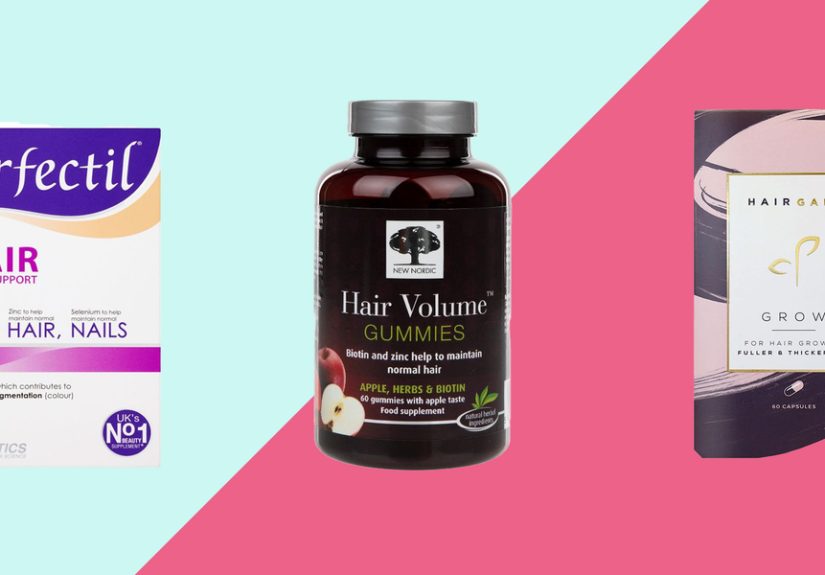
If you want the most “plug-and-play” approach, multinutrient complexes are popular because they combine vitamins/minerals with botanicals aimed at stress, inflammation, and hormonal balance. Some have published clinical trials in adults with self-perceived thinning.
What to look for in a complex
- Reasonable doses of key nutrients (not 10,000% of everything).
- Clear contraindications and warnings (especially for pregnancy, thyroid issues, and medication interactions).
- Clinical data in humans, not just “this herb did something cool in a petri dish.”
Examples people commonly choose in the U.S.
- Nutrafol-type formulas (women/men variants): Has randomized, placebo-controlled research in adults with self-perceived thinning hair showing improvements in hair growth measures over several months.[13]
- Viviscal-type marine protein complexes: Multiple placebo-controlled studies in adult women with thinning hair have reported improvements in hair growth or shedding metrics over 3–6 months.[14]
Reality check: These products are not FDA-approved drugs. They may help some people modestly, especially when shedding is part of the story, but they won’t override genetics forever. Think “support,” not “miracle.”
2) Vitamin D (Best if You’re Low or Don’t Get Much Sun)
Vitamin D is better known for bone and immune health, but low levels are often discussed in the broader “hair health” conversation. The most practical takeaway: if you’re low, correcting it is good for overall healthand may support hair indirectly.
For teens 14–18, the recommended daily amount is 15 mcg (600 IU), and the tolerable upper limit for ages 9–18 is 100 mcg (4,000 IU) from all sources unless a clinician is treating a deficiency.[7]
Best for: People with low sunlight exposure, darker skin (reduced vitamin D synthesis), certain GI conditions, or a documented low blood level.[7]
Watch-outs: Vitamin D is fat-soluble. Very high intakes can be harmful; don’t “freestyle” high-dose regimens without guidance.[7]
3) Iron (Best for Low Ferritin/Iron DeficiencyNot for Guessing)
Iron deficiency is a classic, real-world contributor to hair sheddingespecially in people with heavy periods, restrictive diets, endurance training, or absorption issues. If you suspect it, the smartest move is testing and professional guidance, not random iron pills.
High-dose supplemental iron (around 45 mg/day or more) can cause GI side effects like nausea and constipation, and excess iron can be dangerous for some people.[6]
Best for: People with confirmed low iron status or at-risk groups identified by a clinician.
Watch-outs: Iron interacts with some medications and nutrients (including calcium), and too much can cause harm.[6]
4) Biotin (Best if You’re Actually DeficientWhich Is Rare)
Biotin is the celebrity of hair vitamins. The plot twist: true biotin deficiency is uncommon, and most people already get enough from food.[2] Biotin’s adequate intake for teens 14–18 is 25 mcg/day.[2]
Also important: biotin in supplements (especially high-dose “hair & nails” formulas) can interfere with certain lab tests, potentially leading to incorrect results.[3]
Best for: People with a medical reason for deficiency (rare genetic issues or special circumstances) and those advised by a clinician.[2]
Watch-outs: Tell your healthcare team if you take biotin before lab workseriously.[3]
5) Zinc (Best if You’re Low; Avoid Overdoing It)
Zinc deficiency can contribute to hair problems, but supplementing “just because” is not automatically helpful. Dermatology reviews often note that evidence for routine zinc or biotin supplementation for hair loss is limited unless there’s a deficiency to correct.[1]
Best for: People with documented low zinc or risk factors for low intake/absorption.
Watch-outs: Too much zinc can upset the stomach and can interfere with copper balance over time. Use sensible doses and avoid stacking multiple zinc products daily.[8]
6) Selenium (Best in Food; Be Careful With Supplements)
Selenium is essential in small amounts, but it’s a great example of “more can backfire.” Excess selenium over time can cause side effects, including hair loss.[9] For teens 14–18, the upper limit is 400 mcg/day from all sources unless prescribed.[9]
Best for: People with low intake (uncommon in the U.S.) or those directed by a clinician for a specific reason.
Watch-outs: Don’t stack selenium across a multivitamin + “hair supplement” + extra selenium. That’s how “hair help” becomes “hair nope.”[9]
7) Omega-3s (Best for Scalp Comfort and Overall Support)
Omega-3 fatty acids (from fish oil or algae oil) are commonly used to support inflammatory balance and skin health. The direct evidence for “more omega-3 = thicker hair” is mixed, but it can be a reasonable add-on if your diet is low in fatty fish and you’re choosing a reputable, tested product.
Best for: People who rarely eat fatty fish or who want general skin/scalp support.
Watch-outs: Omega-3s can interact with blood-thinning meds and may cause fishy burpsyour hair may be thicker, but your breath shouldn’t be “harbor vibes.”
8) Collagen Peptides + Protein Support (Best for Breakage and “Feel”)
Hair is made largely of keratin (a protein). If your overall protein intake is low, your hair may feel weaker and break more. Collagen peptides are popular for hair “strength” claims, but the stronger, less glamorous truth is that a balanced diet with adequate protein often matters more than any single scoop of powder.
Best for: People who struggle to meet protein needs, have brittle hair, or are doing heavy training.
Watch-outs: Collagen isn’t a complete protein. Think of it as a supplement to a solid diet, not a replacement.
Ingredients That Sound Cool but Need Extra Skepticism
Some hair products include botanicals marketed for stress or hormonal balance (like ashwagandha or saw palmetto). There is emerging research in some adult populations and in certain formulations,[13] but these ingredients can have contraindicationsespecially with hormone-related conditions, pregnancy, and certain medications. If you’re under 18, this is a “talk to a clinician first” category.
A Simple “Best For” Cheat Sheet (2025 Edition)
- Best all-in-one (adult users): A clinically tested multinutrient complex (Nutrafol-type) [13] or a marine protein complex (Viviscal-type).[14]
- Best if labs show low vitamin D: Vitamin D in an age-appropriate dose.[7]
- Best if low ferritin/iron deficiency: Iron under clinical guidance.[6]
- Best if you keep buying biotin and getting nothing: Stop megadosing, consider whether you’re already meeting needs, and remember lab-test interference.[2] [3]
- Best “don’t do this” warning: Stacking selenium and zinc across multiple products. Excess can backfire.[9] [8]
How to Use Hair Supplements for the Highest Chance of Success
Step 1: Take baseline photos (yes, really)
Same lighting, same part line, same distance, once a month. Your brain is terrible at remembering “before.” Photos don’t lie, but your bathroom mirror absolutely does.
Step 2: Commit to one plan for 90 days
Hair growth is slow. Many studies track outcomes at 3 and 6 months, not 10 days.
Step 3: Don’t ignore the non-supplement basics
- Gentle styling (especially if you wear tight styles).[12]
- Enough calories and protein (extreme dieting is a common shedding trigger).[11]
- Scalp health (dandruff, inflammation, or itching can worsen shedding).
- Sleep and stress management (your follicles are moody little factories).
Step 4: Know when to see a dermatologist
Book an evaluation if you have sudden bald patches, scalp pain, scaling, persistent shedding beyond ~6 months, or a widening part that’s steadily progressing. Dermatologists can distinguish shedding vs. hair loss and guide evidence-based treatments.[11]
FAQ: Best Hair Growth Supplements for Thickness (2025)
Do hair growth supplements work?
Sometimesespecially when they correct a deficiency or when a tested formulation reduces shedding and supports hair growth metrics in adults. But results are typically modest and take months, not weeks.[13] [14]
Is biotin the best supplement for thicker hair?
Biotin helps if you’re deficient, but deficiency is rare, and routine high-dose biotin isn’t strongly supported for everyone. It can also interfere with certain lab tests.[2] [3]
How long until I see results?
Plan on 3–6 months of consistency. If your “thinning” is actually temporary shedding, it may resolve as the trigger fadesoften within 6–9 months.[11]
Can too many vitamins cause hair loss?
Yes. Over-supplementation of certain nutrients can contribute to shedding or other side effects. The safest strategy is to avoid megadoses unless medically indicated, and don’t stack overlapping products.[10] [9]
Real-World Experiences (500+ Words): What People Notice When Chasing “Thicker Hair” in 2025
If you scroll hair forums long enough, you’ll see the same story arcs repeatbecause hair biology has a fairly limited set of plot twists.
Experience #1: “I bought biotin… and my hair still sheds.” A common pattern is someone taking a high-dose biotin gummy for months with no obvious change, then finally discovering that their diet already covered what they neededor that the shedding started after a stressful event. When they step back and treat the “why” (sleep, stress, recovery, adequate food), shedding often improves more than it did with the gummy. The big lesson: biotin isn’t a universal “thickness switch,” and deficiency is not the default setting for most people.[2]
Experience #2: “My labs were the real plot twist.” People are often surprised when basic bloodwork changes the plan. Someone who feels “fine” finds low vitamin D in winter, or low iron stores after months of heavy training or a restrictive diet. Once those issues are addressedusually with professional guidancehair shedding can calm down over time. The timeline is important: you rarely see instant change, but you might notice fewer hairs in the brush first, then gradual fullness later. This is why “test, don’t guess” is so powerful for iron in particular.[6] [7]
Experience #3: “I tried a clinically tested complex and the first change was… my patience.” With multinutrient complexes, the most realistic report is modest: less shedding after a couple of months, then small improvements in density and overall “hair quality” later. People who do best tend to be the ones who keep everything else stablesame shampoo routine, similar dietso they can actually tell what changed. Many also realize the “cost” isn’t only money; it’s consistency (daily capsules) and the discipline to wait 90–180 days before declaring victory or failure.[13]
Experience #4: “My edges improved when I stopped fighting my hairstyle.” This one is almost boringbecause it works. People who rotate hairstyles, reduce tension, and avoid repeated tight pulling often see less breakage and better-looking hairlines over time. The emotional hurdle is real: tight styles can be convenient and look sharp. But if the hairline is thinning, the “best supplement” might be a gentler scrunchie and a new styling habit.[12]
Experience #5: “I accidentally sabotaged my results by stacking products.” Another recurring theme is supplement stacking: a multivitamin, a hair gummy, a ‘beauty complex,’ plus an immune supplementeach with overlapping zinc/selenium/vitamin A. People do this with good intentions, but excess can backfire and cause side effects. The success stories usually involve simplifying: one core product, no megadoses, and a quick label audit to avoid duplicating minerals that already have upper limits.[9]
Experience #6: “The best ‘thickness hack’ was tracking shedding, not obsessing.” People who get calmer results often track a few metrics monthly: how much hair is shed on wash day, how the part looks in photos, and whether breakage is improving. That approach prevents the daily mirror spiral (the mirror is a drama queen). It also helps you notice early winslike less sheddingbefore density changes appear.
Bottom line: in 2025, the most successful “thicker hair” routines usually combine a targeted supplement strategy (based on risk factors or labs) with gentle styling, adequate nutrition, and enough time for hair cycles to do their slow, stubborn thing.[11]
Conclusion
The best hair growth supplements for thickness in 2025 aren’t about finding the fanciest labelthey’re about matching the right category to the right cause. Correct real deficiencies (especially iron and vitamin D), be cautious with trendy megadoses (biotin, zinc, selenium), and consider clinically tested multi-ingredient formulas if you want an all-in-one approach (adult users). Most importantly: be consistent for months, not days, and treat hair as a long game.
References (No Links)
- American Academy of Dermatology (AAD): Guidance on hair shedding vs. hair loss; timelines and triggers.
- American Academy of Dermatology (AAD): Hairstyle tension and traction alopecia education.
- NIH Office of Dietary Supplements (ODS): Biotin fact sheet (recommended intakes; deficiency context).
- U.S. Food & Drug Administration (FDA): Biotin interference with certain lab tests.
- NIH Office of Dietary Supplements (ODS): Vitamin D consumer fact sheet (recommended intakes; upper limits).
- NIH Office of Dietary Supplements (ODS): Iron fact sheet (supplement forms, side effects, interactions).
- NIH Office of Dietary Supplements (ODS): Zinc fact sheet (deficiency/excess considerations).
- NIH Office of Dietary Supplements (ODS): Selenium consumer fact sheet (toxicity signs; upper limits).
- Peer-reviewed review on nutrient deficiencies/over-supplementation and hair health.
- Peer-reviewed randomized placebo-controlled trial: nutraceutical supplement for women with self-perceived thinning hair (J Drugs Dermatol).
- Peer-reviewed placebo-controlled trials: marine protein complex and hair growth/shedding outcomes (PMC-hosted).