Table of Contents >> Show >> Hide
- What saffron is (and why your skin might care)
- The benefits people claim (and what research actually supports)
- 1) “Brightening” and dark spots: plausible mechanism, limited human proof
- 2) Anti-aging and wrinkles: some early topical data, but not a “time machine in a jar”
- 3) “Natural sunscreen”: interesting lab SPF results, but don’t bet your face on it
- 4) Acne and irritation: soothing potential, but acne is a bigger beast
- 5) Wound healing and recovery: promising animal data, not a home first-aid hack
- Topical saffron vs. eating saffron: which is more likely to affect your skin?
- How to use saffron for skin (without turning your bathroom into a science fair)
- So… is anything proven to work?
- Experiences: What people say they notice (and why results vary) about
- Conclusion
Saffron is the “tiny red thread” that costs more per ounce than your favorite fancy face creamand somehow still ends up in both paella and skincare ads.
If you’ve seen claims like glowing skin, fewer dark spots, or natural sunscreen, you’re not alone. The real question is:
does saffron actually do anything for your skin that’s proven?
Here’s the honest answer: saffron has some interesting science behind it (especially antioxidant and anti-inflammatory activity), but most of the strongest
evidence is still earlythink lab tests, animal studies, and a handful of small human studies. That doesn’t mean it’s useless. It means it belongs in the
“promising supporting actor” category, not the “lead role that replaces sunscreen, retinoids, and sleep” category.
What saffron is (and why your skin might care)
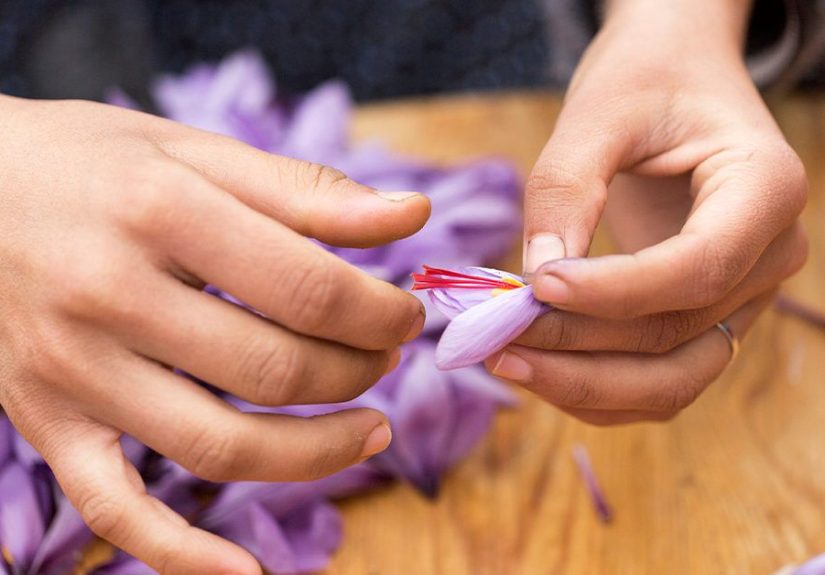
Saffron comes from the dried stigmas of Crocus sativus. In skincare, you’ll usually see it listed as saffron extract, crocus extract, crocin, or
crocetin. The “why” behind the hype comes down to a few bioactive compounds.
The “big three” compounds you’ll hear about
- Crocin: A carotenoid pigment linked to antioxidant effects and the signature color.
- Crocetin: Related to crocin; studied for antioxidant activity and, in lab settings, effects on melanin pathways.
- Safranal: A compound associated with aroma and also studied for bioactivity.
In plain English: saffron contains molecules that can help neutralize oxidative stress in lab studies, and oxidative stress is one of the drivers behind
visible aging and uneven tone. That’s the bridge from “spice” to “skincare ingredient”but a bridge is not a destination.
The benefits people claim (and what research actually supports)
Let’s go claim by claimbecause skincare marketing is basically Olympic-level optimism with better lighting.
1) “Brightening” and dark spots: plausible mechanism, limited human proof
Hyperpigmentation (dark spots, uneven tone, post-acne marks, melasma) is complicated. A lot of “brightening” ingredients work by influencing the melanin
pathwayespecially tyrosinase, an enzyme involved in melanin production.
In lab studies, crocetin has shown anti-tyrosinase activity and can reduce melanin in specific cell models. That’s real, measurable lab science. The leap
is from “cells in a controlled setting” to “noticeably fewer dark spots on real faces in the real world.” That leap requires larger, well-designed human
trialsand saffron just doesn’t have many of those yet.
Here’s the practical takeaway: saffron may be a helpful add-on in a brightening formula, but for stubborn pigmentation, your results still mostly
ride on the big basics: daily broad-spectrum sunscreen, consistency, and proven actives (like vitamin C, retinoids, azelaic acid, niacinamide, or
dermatologist-guided treatments).
2) Anti-aging and wrinkles: some early topical data, but not a “time machine in a jar”
Most visible facial aging is strongly linked to sun exposure (photoaging). That’s why dermatologists obsess over sunscreen like it’s a personality trait.
UV exposure increases oxidative stress and breaks down collagen over time.
Saffron’s role here is mostly theoretical: antioxidant and anti-inflammatory activity could help reduce the chain reactions that contribute to collagen
breakdown. There’s also some published human data involving a topical cream containing saffron extract (in combination with avocado oil) that reported
improvements in measures like skin elasticity and wrinkle appearance over a set period. That’s encouragingbut it’s not the same as “saffron alone fixes
wrinkles,” and it doesn’t beat a routine that includes daily SPF plus a proven nighttime active.
A smart way to think about it: saffron might help “polish” the surfacesupporting brightness, comfort, and overall lookwhile retinoids and sun protection
do the heavy lifting for long-term anti-aging.
3) “Natural sunscreen”: interesting lab SPF results, but don’t bet your face on it
This is where saffron marketing can get spicy in the wrong way. One study tested lotions made with saffron (using an in-vitro spectrophotometry method)
and found SPF values in a range that looked comparable to a reference sunscreen ingredient in that lab setup. But that’s not the same thing as a finished,
regulated sunscreen product that has passed the required testing for broad-spectrum protection, stability, and real-world use.
Translation: saffron can absorb some UV wavelengths in lab testing, which is scientifically interesting. It does not mean you should DIY a
saffron “sunscreen” at home or rely on a saffron serum as your only UV protection.
If you care about preventing dark spots and premature aging (and future-you really, really does), the most proven strategy remains:
broad-spectrum sunscreen every day, applied generously and reapplied as needed, plus hats/shade when you can.
4) Acne and irritation: soothing potential, but acne is a bigger beast
Acne isn’t just “dirty pores.” It’s inflammation, oil production, bacteria shifts, clogged follicles, hormones, and sometimes stressoften all at once.
Because saffron shows anti-inflammatory and antioxidant activity in various research contexts, it’s reasonable to think it may support calmer-looking skin,
especially as part of a well-formulated product.
But acne outcomes are usually strongest with proven actives like benzoyl peroxide, salicylic acid, adapalene, or dermatologist-guided prescription
options. Saffron can be a nice-to-have, not your primary acne treatment plan.
5) Wound healing and recovery: promising animal data, not a home first-aid hack
There are animal studies testing saffron extract creams in wound-healing contexts (for example, burn wound models). Animal work can be useful for
understanding mechanisms, but it doesn’t automatically become a safe or effective DIY treatment for humans.
If your skin barrier is compromised (open wounds, burns, severe irritation), it’s safer to treat that as a medical issue, not a “skincare experiment.”
Think gentle cleansing, bland moisturizers, and professional guidance when needed.
Topical saffron vs. eating saffron: which is more likely to affect your skin?
Topical: most direct (and usually the most sensible for skincare goals)
If saffron is going to benefit your skin, topical use makes the most intuitive sense: you apply it where you want the effect. A good formula can combine
saffron extract with other evidence-based ingredients (like niacinamide, vitamin C, ceramides, or gentle exfoliants) and use packaging that protects
sensitive antioxidants from air and light.
Oral supplements: “maybe,” plus more safety considerations
Eating saffron in food is generally considered safe in typical culinary amounts. Supplements are different: they deliver concentrated doses, and quality can
vary. Health authorities emphasize that evidence and quality vary widely for supplements, and it’s smart to treat them as “serious ingredients,” not
harmless candy.
High doses of saffron supplements may cause side effects, and saffron can interact with certain medications (including some mental health medications and
some cancer treatments). If someone is on meds or has health conditions, supplement decisions should involve a clinician, not a skincare influencer with a
ring light.
How to use saffron for skin (without turning your bathroom into a science fair)
What to look for in a saffron skincare product
- Realistic claims: “Supports brightness” is more believable than “erases melasma in 7 days.”
- Good formulation buddies: niacinamide, vitamin C, gentle hydrators (glycerin, hyaluronic acid), ceramides.
- Packaging that protects antioxidants: opaque or air-restrictive packaging is often a good sign.
- Fragrance considerations: if you’re sensitive, pick fragrance-free to reduce irritation risk.
Patch test like a responsible adult (even if the product is “natural”)
“Natural” doesn’t mean “non-irritating.” Skin reactions can happen with cosmetics, fragrances, and botanicals. If you’re trying a new saffron product,
patch test first: apply a small amount to a discreet area and watch for irritation over a couple of days. If you have recurring rashes or suspect allergies,
dermatology patch testing is a real diagnostic tool (and way more useful than guessing).
A sample routine that lets saffron shine (without sabotaging results)
If you want to try saffron skincare for glow and tone, here’s a simple routine that stays grounded in proven fundamentals:
- Morning: gentle cleanser → saffron-containing antioxidant/brightening serum (optional) → moisturizer → broad-spectrum SPF 30+.
- Night: gentle cleanser → treatment active (if using one) → moisturizer (barrier support).
If dark spots are your main concern, sunscreen isn’t optional. It’s the “keep your progress from getting erased” step. Without it, brightening products
are basically trying to mop up a floor while the faucet is still running.
So… is anything proven to work?
Here’s the fairest evidence-based summary:
-
Most supported: saffron has antioxidant and anti-inflammatory activity in lab research, which aligns with general skin-supportive
pathways (especially around photoaging and irritation). -
Some early topical evidence: there are small human studies involving topical formulations that include saffron extract (often alongside
other ingredients) reporting improvements in skin measures like elasticity or wrinkle appearance. -
“Saffron as sunscreen” is not proven in the real-world sense: lab SPF findings are interesting, but they do not replace regulated,
tested, broad-spectrum sunscreen use. -
For pigmentation and acne: mechanisms are plausible, but large high-quality clinical trials are limitedso treat saffron as a supportive
ingredient, not the main plan.
If you love saffron in skincare, the best mindset is: it may helpespecially as part of a well-designed formulabut your biggest returns
still come from consistent sunscreen, gentle barrier care, and proven actives matched to your skin concern.
Experiences: What people say they notice (and why results vary) about
Let’s talk about “experience,” because real life is where skincare either becomes your new favorite habit or a shelf full of half-used bottles. What follows
is a summary of commonly reported experiences people describe when adding saffron-based products to a routinenot proof, not medical advice,
and definitely not a guarantee. Skin is personal, products vary wildly, and your face doesn’t care what a product’s marketing team promised.
First impressions tend to be about glow and comfort. Many people say saffron products feel “warming,” “radiant,” or “brightening” within
a couple of weeks. That early “glow” can happen for a few non-magical reasons: improved hydration (which makes skin reflect light better), gentle
anti-inflammatory effects (less redness looks like more even tone), or simply switching to a better overall routine at the same time (hello, sunscreen
consistency).
Dark spots are where patience gets tested. People hoping saffron will fade post-acne marks or sun spots often describe a slow burn: minor
softening of discoloration after several weeks, but not the dramatic “before/after” that ads show. That lines up with how pigmentation works: melanin
changes happen slowly, and any progress can be undone quickly without daily UV protection. Some people realize the real hero wasn’t the saffronit was the
habit of applying SPF every morning because the saffron serum “made them feel like they were taking skincare seriously.”
Sensitive-skin experiences are mixed. Some users with easily irritated skin say saffron formulas feel calming (especially when paired with
barrier-friendly moisturizers). Others report stinging or rednessoften because the product also contains fragrance, essential oils, or strong exfoliating
acids. This is why saffron itself isn’t the whole story; the full ingredient list matters. Two “saffron” serums can behave like totally different
products depending on the supporting cast.
“Natural DIY saffron masks” are a common detour. People sometimes try saffron threads soaked in milk or mixed into homemade masks. Some say
they like the ritual and the temporary softness. Others end up with irritation, clogged pores, or a rashespecially if they scrub, over-exfoliate, or use
too-concentrated mixtures. DIY also makes dosing unpredictable, and it’s easier to introduce bacteria or irritants. If someone wants the saffron vibe
without the chaos, a tested cosmetic formula is usually the safer route.
The most consistent “success story” is when saffron is treated as a bonus. People who seem happiest with saffron skincare are the ones who
use it as an add-on: a pleasant antioxidant step in a routine that already includes sunscreen, gentle cleansing, and a moisturizer. In that setup, saffron
can contribute to a more even-looking, well-rested appearance over timewhile the proven basics quietly do most of the real work.
Conclusion
Saffron for skin isn’t pure fantasythere’s legitimate research interest behind its antioxidant and anti-inflammatory properties, and some early topical
studies suggest potential benefits for skin appearance. But the strongest “proven” skin wins still come from the fundamentals: broad-spectrum sunscreen,
consistent barrier care, and evidence-based actives tailored to your concern.
If you want to try saffron skincare, do it the smart way: pick a well-formulated product with realistic claims, patch test, and keep sunscreen as your
non-negotiable daily habit. That’s how you give saffron the best chance to helpwithout expecting it to perform miracles.