Table of Contents >> Show >> Hide
- What Is Beef Stroganoff, Exactly?
- Key Ingredients (And Why They Matter)
- Classic Beef Stroganoff Recipe (Skillet, 45 Minutes)
- Pro Tips for Next-Level Stroganoff
- Easy Variations (Because Real Life Happens)
- What to Serve With Beef Stroganoff
- Storage, Reheating, and Make-Ahead
- FAQ: Troubleshooting Like a Calm Kitchen Wizard
- Conclusion
- My Beef Stroganoff Field Notes (Experiences From the Sauce Trenches)
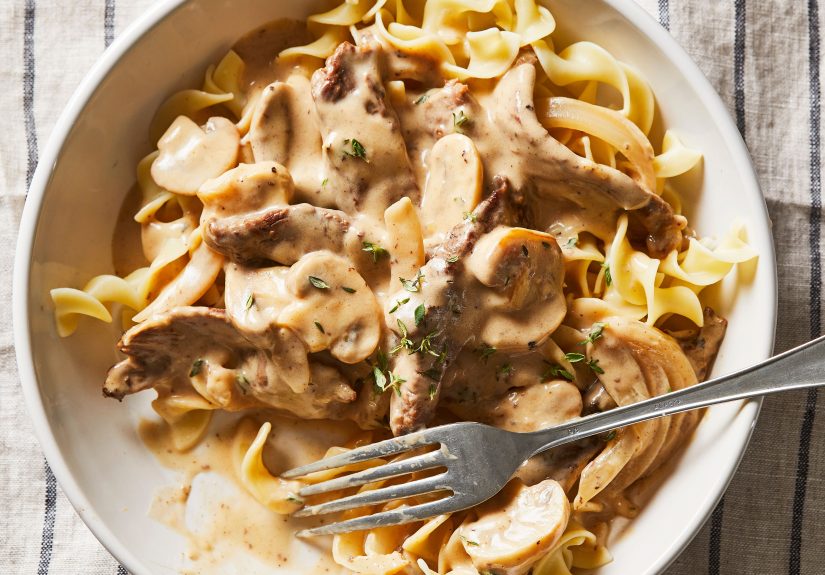
Beef Stroganoff is the culinary equivalent of a warm blanket that also pays your rent: rich, cozy, and somehow
always the right decision. It’s tender beef and mushrooms in a creamy, tangy sauceusually spooned over egg noodles
like it’s auditioning for “Most Likely To Fix A Bad Day.”
In this guide, you’ll get a classic, skillet-style Beef Stroganoff recipe (the kind American home cooks love),
plus the why behind each step so you can make it confidentlywhether you’re cooking for guests, your family, or
just yourself and your extremely opinionated cat. We’ll also cover the best cuts of beef, how to avoid a broken
sour-cream sauce, easy variations, and the small upgrades that make it taste restaurant-level without requiring
restaurant-level patience.
What Is Beef Stroganoff, Exactly?
Stroganoff began as a Russian dish (with French influence) and evolved into the creamy, noodle-hugging comfort food
most Americans recognize today. The modern “classic” version usually includes seared beef, browned mushrooms and
onions, a savory broth-based sauce, and a finishing swirl of sour cream (or crème fraîche) for that signature tang.
Think: beefy gravy meets creamy saucethen they move in together and adopt egg noodles.
Key Ingredients (And Why They Matter)
The Beef: Best Cuts for Tender Results
Stroganoff is happiest with beef that cooks quickly and stays tender. Great choices:
- Sirloin (top sirloin): tender, beefy, and budget-friendlier than filet.
- Ribeye or strip steak: extra rich, great marbling, very “treat yourself.”
- Tenderloin: ultra-tender, but priceysave it for when you’re trying to impress someone who owns linen napkins.
If you want the slow-cooked, fall-apart style, use chuck roast or stew meat and give it time (slow cooker or low simmer).
That version is less “weeknight skillet” and more “Sunday couch plus fuzzy socks.”
Mushrooms: The Umami Engine
Cremini (baby bella) mushrooms bring deeper flavor than white button mushrooms, but either works. The big rule:
brown them. If you rush mushrooms, they taste like damp memories. If you brown them well, they taste like
savory magic.
The Creamy Tang: Sour Cream (Or Crème Fraîche)
Sour cream gives stroganoff its classic tang and silky body. The only catch: it can curdle if boiled hard.
You’ll avoid that by lowering the heat and adding it at the end (or tempering it with a bit of warm sauce first).
Crème fraîche is more forgiving and stays smooth at higher heat, so it’s a great swap if you have it.
Flavor Builders You Shouldn’t Skip
- Dijon mustard: gentle heat + acidity that brightens the sauce.
- Worcestershire sauce: savory depth (a little goes a long way).
- Paprika: classic warmth and colorsweet paprika is traditional; smoked paprika adds a subtle campfire vibe.
- Beef broth/stock: the backbone of the sauce; low-sodium lets you control salt.
- Wine or dry sherry (optional but excellent): deglazes browned bits and adds complexity.
Classic Beef Stroganoff Recipe (Skillet, 45 Minutes)
Servings
Serves 4 (or 3 if someone “just wants a small bowl” and then returns for a second small bowl and a third small bowl).
Ingredients
- 12 oz egg noodles
- 1 1/4 to 1 1/2 lb sirloin steak (or strip steak), sliced into thin strips against the grain
- 1 tsp kosher salt, plus more to taste
- 1/2 tsp black pepper
- 2 tbsp all-purpose flour (plus 1 tsp more if needed for thickening)
- 2 tbsp neutral oil (like avocado or canola), divided
- 3 tbsp unsalted butter, divided
- 1 medium onion (or 2 large shallots), thinly sliced
- 10 to 12 oz cremini or white mushrooms, sliced
- 3 cloves garlic, minced
- 1 1/2 cups low-sodium beef broth
- 1/3 cup dry white wine or dry sherry (optional, but recommended)
- 1 tbsp Dijon mustard
- 1 tbsp Worcestershire sauce
- 1 tbsp tomato paste (optional, for deeper color and savory sweetness)
- 1/2 tsp paprika
- 3/4 cup sour cream (or 2/3 cup crème fraîche)
- 2 tbsp chopped parsley (or chives), for serving
Step-by-Step Instructions
-
Boil the noodles.
Bring a large pot of salted water to a boil. Cook egg noodles until just tender. Drain, then toss with a small pat
of butter to prevent sticking. Set aside. -
Prep the beef for a good sear.
Pat the beef strips dry (this matters more than people think). Season with salt and pepper, then toss lightly with
2 tablespoons flour. The flour helps browning and gives the sauce a head start on thickening. -
Sear the beef in batches.
Heat 1 tablespoon oil and 1 tablespoon butter in a large skillet over medium-high heat. Add half the beef in a
single layer and sear quicklyabout 45 to 60 seconds per side. Transfer to a plate. Repeat with remaining beef.
Don’t cook it through yet; it will finish later. (Overcooked beef stroganoff is just “regret in sauce.”) -
Brown the mushrooms and onions.
Reduce heat to medium. Add 1 tablespoon butter. Toss in mushrooms and spread them out. Let them cook
undisturbed for a couple minutes to build color, then stir and continue until they’re browned and their moisture
has cooked off. Add onions (or shallots) and cook until soft and lightly golden, 4 to 6 minutes. -
Add garlic and build the sauce base.
Stir in minced garlic for 30 seconds. Add tomato paste (if using) and paprika, stirring until the paste darkens
slightlyabout 1 minute. This step deepens flavor without adding extra work (the best kind of step). -
Deglaze and simmer.
Pour in wine or dry sherry, scraping up browned bits from the bottom (that’s flavor you already paid fordon’t
leave it behind). Add beef broth, Dijon mustard, and Worcestershire sauce. Simmer until slightly reduced and
glossy, 5 to 8 minutes. If you want it thicker, whisk 1 teaspoon flour with 1 tablespoon water and stir it in,
simmering 1 minute more. -
Return the beefbriefly.
Add the seared beef back to the skillet along with any juices on the plate. Cook 1 to 2 minutes, just until the
beef is warmed through. Lower the heat to low. -
Finish with sour cream (the “don’t panic” step).
In a small bowl, mix sour cream with a few spoonfuls of warm sauce to temper it (this helps prevent curdling).
Turn off the heat, then stir the tempered sour cream into the skillet until smooth. Taste and adjust salt and pepper. -
Serve like you mean it.
Spoon over buttered egg noodles and finish with parsley or chives. Optional: a little extra black pepper on top
for grown-up sparkle.
Pro Tips for Next-Level Stroganoff
1) Don’t Crowd the Pan
Crowding causes steaming, not searing. Searing creates the browned bits that make the sauce taste deep and meaty.
If your skillet looks like a beef traffic jam, cook in batches.
2) Brown Mushrooms Properly
Mushrooms release water first, then start browning once that water evaporates. Be patient, spread them out, and
let them sit. Stirring constantly is the culinary version of interrupting someone mid-sentence.
3) Prevent a Broken Cream Sauce
Sour cream doesn’t love high heat. Keep the sauce at a gentle simmer before adding it, then finish off-heat.
If you prefer a worry-free finish, use crème fraîche, which stays smooth more easily.
4) Slice Against the Grain (For Real)
Cutting against the grain shortens muscle fibers, making each bite easier to chew. It’s the difference between
“tender and luxurious” and “why is my dinner doing cardio?”
Easy Variations (Because Real Life Happens)
Ground Beef Stroganoff (Fast Weeknight Mode)
Swap steak for 1 lb ground beef. Brown it, drain excess fat if needed, then proceed with mushrooms/onions and the
sauce. It’s quick, budget-friendly, and still scratches that creamy comfort-food itch.
Slow Cooker Beef Stroganoff (Set-It-and-Forget-It)
Use chuck roast or stew meat. Combine beef, onions, mushrooms, broth, and seasonings in the slow cooker and cook
until tender. Thicken near the end, then stir in sour cream right before serving. Ideal for days when you want dinner
to cook itself while you pretend your inbox doesn’t exist.
Extra Tangy “Restaurant” Stroganoff
Use crème fraîche and add a splash of vinegar or a squeeze of lemon at the end. A little brightness makes the sauce
taste less heavy and more “wow.”
Vegetarian Mushroom Stroganoff
Double the mushrooms, add a splash of soy sauce for depth, and use vegetable broth. Finish with sour cream or crème fraîche.
Serve over noodles, rice, or mashed potatoes and watch even meat-lovers “just taste it” five times.
Low-Carb/Keto Stroganoff
Serve over cauliflower rice or sautéed cabbage ribbons. Use a small amount of flour or a low-carb thickener, and
consider adding cream cheese for extra body.
What to Serve With Beef Stroganoff
- Egg noodles: the classic.
- Mashed potatoes: dangerously comforting.
- Rice: great for soaking up sauce.
- Roasted green beans or broccoli: a fresh, crisp counterbalance.
- A simple salad: because sometimes you need a vegetable to feel morally balanced.
Storage, Reheating, and Make-Ahead
Store leftover stroganoff in an airtight container for up to 3 to 4 days. Reheat gently on the stove over low heat,
adding a splash of broth to loosen the sauce. Microwaving works toojust use medium power and stir often.
If you plan to freeze it, freeze the sauce and beef separately from the noodles. Dairy-based sauces can
change texture after freezing, but gentle reheating and a little extra sour cream can bring it back to life.
FAQ: Troubleshooting Like a Calm Kitchen Wizard
Why did my sauce curdle?
Most commonly: the sauce was too hot when sour cream went in. Next time, lower the heat and temper the sour cream.
If it already happened, you can sometimes smooth it out by stirring in a spoonful of crème fraîche or heavy cream
off heat. (It may not look perfect, but it’ll still taste like comfort.)
How do I make stroganoff thicker?
Simmer longer to reduce, or whisk a teaspoon of flour (or cornstarch) with a little cold water and stir it in while
simmering. Keep it modeststroganoff should be silky, not spackle.
Can I use Greek yogurt instead of sour cream?
You can, especially full-fat Greek yogurt, but it’s tangier and can also split if overheated. Add it off heat and
temper it the same way as sour cream.
What’s the “best” mushroom?
Cremini is a sweet spot: flavorful, affordable, and widely available. If you want to go fancy, mix in shiitake
for deeper umami, or a handful of wild mushrooms when you’re feeling dramatic in a good way.
Conclusion
A great Beef Stroganoff recipe isn’t complicatedit’s just smart. Sear the beef, brown the mushrooms, build a savory
sauce, and finish with sour cream gently so it stays smooth and luxurious. Once you’ve made it a couple times, it
becomes less of a recipe and more of a superpower: the ability to turn an ordinary night into a cozy, creamy win.
My Beef Stroganoff Field Notes (Experiences From the Sauce Trenches)
The first time I made Beef Stroganoff, I treated it like a normal skillet dinner: dump everything in, stir it a lot,
and assume the universe would reward my optimism. The universe responded by giving me pale mushrooms, chewy beef,
and a sour cream sauce that looked like it had seen some things. It still tasted good (because butter and beef are
basically a loophole), but it taught me a life lesson: stroganoff is simple, not careless.
The biggest upgrade came from learning to brown mushrooms properly. I used to salt them immediately and stir every
20 seconds like a nervous parent checking on a sleeping baby. Once I started spreading them out and leaving them
alone, the mushrooms went from “wet sponge” to “deeply savory.” That browned, slightly crisp edge is what makes
the whole dish taste like it simmered all dayeven if you made it while answering texts and pretending not to.
Another real-world discovery: the cut of beef matters, but your attitude matters too. If I’m using sirloin, I cook it
fast, pull it early, and let it finish in the sauce for just a minute. If I’m using chuck, I commit to the slow
approachbecause chuck doesn’t negotiate. The chuck version is incredible on a cold day, the kind of meal that
makes your living room feel warmer even if the thermostat disagrees.
Then there’s the sour cream momentstroganoff’s most dramatic scene. I once boiled the sauce after adding sour cream
because I thought “more heat equals faster dinner.” The sauce split, and I stared at it like it had personally
betrayed me. Now I do two things religiously: (1) I turn off the heat before adding sour cream, and (2) I temper it
with a spoonful of warm sauce first. It takes 20 seconds and saves you from emotional damage.
Over time, I also learned that stroganoff is forgiving in the best way. No Dijon? A little yellow mustard works.
No Worcestershire? A splash of soy sauce can bring that savory depth (just go easy). Want it extra fancy? Deglaze
with dry sherry or a little brandy and you’ll swear you’re eating in a restaurant where the water glasses are
suspiciously heavy.
My favorite “company is coming” move is serving stroganoff over buttered egg noodles with lots of parsley and a
cracked-black-pepper finish. It looks intentional, like you planned your life. My favorite “I am tired” move is
ground beef stroganoff in one skilletstill creamy, still comforting, and ready fast enough that dinner feels like
a small victory instead of a second job.
The best part is what happens the next day. Stroganoff leftoversreheated gently with a splash of brothare often
even better. The flavors meld, the sauce turns silkier, and you get that rare experience of opening the fridge and
finding something you actually want to eat. If that isn’t a modern miracle, I don’t know what is.