Table of Contents >> Show >> Hide
- Lyme Disease in Real Life: The Quick Reality Check
- Enter Bee Venom: Why People Think It Might Help
- What the Science Actually Says (and What It Doesn’t)
- What “Bee Venom Therapy” Means in Practice
- Safety: The Part You Can’t Skip (Even If You Want To)
- If You Want Symptom Relief Now, Focus on Evidence-Forward Steps
- The Bottom Line: “Promising” Means “Worth Studying,” Not “Proven Treatment”
- Experiences People Report with Bee Venom Therapy and Lyme (A 500-Word Reality Check)
If you told a room full of people, “I’m looking into getting stung by bees to feel better,” you’d probably get two reactions:
(1) concerned blinking, and (2) someone quietly Googling “nearest exit.”
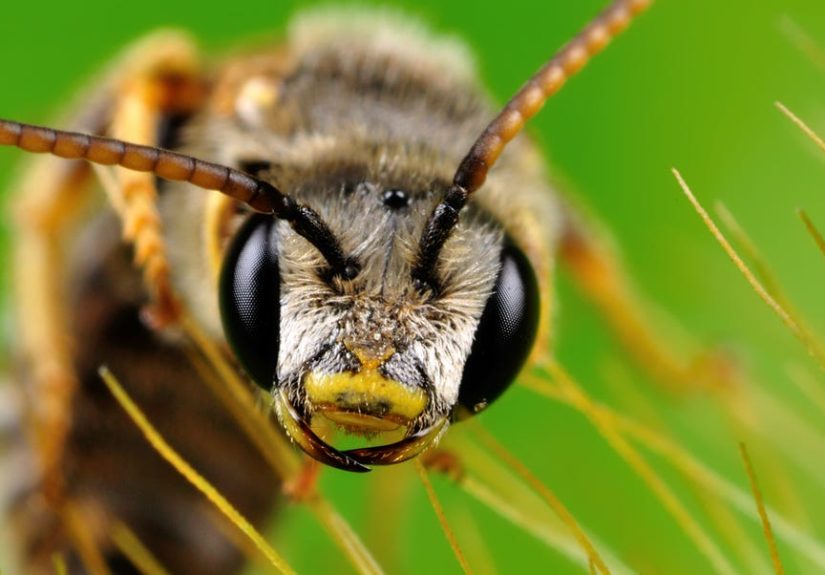
And yet… bee venom therapy (BVT)sometimes called apitherapykeeps popping up in conversations about persistent Lyme symptoms.
Not because doctors suddenly decided the best medicine comes with wings and a bad attitude, but because bee venom contains
compounds that look surprisingly potent in laboratory research.
Here’s the honest, in-depth story: what Lyme disease is, why some people keep feeling sick after treatment, what bee venom is
actually doing in test tubes, why that doesn’t automatically translate to humans, and what safety issues are non-negotiable.
We’ll keep it real, keep it readable, and keep the bees respectfully at arm’s length.
Lyme Disease in Real Life: The Quick Reality Check
Lyme disease is caused by Borrelia burgdorferi, a spiral-shaped bacterium transmitted primarily through the bite of infected
blacklegged ticks (also called deer ticks). In the U.S., cases cluster in the Northeast, Mid-Atlantic, Upper Midwest, and parts
of the West Coast, but tick ranges continue to expandbecause nature loves a plot twist.
Common symptoms (and why they can be confusing)
Early Lyme can show up as fatigue, fever, headache, muscle and joint aches, and swollen lymph nodes. The famous “bull’s-eye”
rash (erythema migrans) is a major clue, but it doesn’t appear in every case and doesn’t always look like a perfect target
drawn by a cartoon villain.
Standard treatment works for most people
The good news: most people recover with a standard course of antibiotics prescribed by a clinician, especially when treated early.
Depending on the presentation (early localized disease vs. neurologic or cardiac involvement), treatment choice and duration can vary,
but mainstream medical guidance generally supports targeted antibiotic therapynot months of “just in case” medications.
So why do some people still feel terrible?
This is where the conversation gets emotionally charged. A subset of patients report ongoing fatigue, pain, sleep problems,
or “brain fog” after recommended antibiotic treatment. This cluster of prolonged symptoms is often discussed as
Post-Treatment Lyme Disease Syndrome (PTLDS).
The key point: persistent symptoms are real and can be life-altering. But the “why” isn’t always clear. Researchers have explored
multiple explanationsimmune dysregulation, inflammation, tissue injury, autonomic changes, and other post-infectious effects.
In many cases, there isn’t evidence of an ongoing active infection that simply needs “more antibiotics.”
Enter Bee Venom: Why People Think It Might Help
Bee venom isn’t one single thingit’s a chemical cocktail. The most talked-about ingredients include:
- Melittin (a peptide that can disrupt cell membranes)
- Phospholipase A2 (an enzyme that can influence inflammation and immune signaling)
- Apamin and other peptides (studied for neurologic and inflammatory effects)
- Biogenic amines like histamine (yes, the itch-and-swelling celebrity)
In lab settings, melittin is famous for one main talent: it can punch holes in membranes. That’s useful if you’re trying to damage
bacteriabut it’s also the exact reason scientists treat it like a powerful tool that needs careful handling (not a casual weekend hobby).
The “promise” people are reacting to
Some laboratory studies have found that whole bee venom and melittin can show antimicrobial activity against Borrelia in vitro.
In plain English: in a controlled lab environment, bee venom components have been observed to inhibit or damage Lyme bacteria,
including forms that are sometimes discussed as harder-to-kill (like round-body or biofilm-like forms in experimental conditions).
That research is the spark. Then the internet adds gasoline. Suddenly, a test-tube finding becomes “Bee stings cured my cousin’s neighbor’s
goldfish’s Lyme.” (Okay, maybe not the goldfish. But you get the vibe.)
What the Science Actually Says (and What It Doesn’t)
1) Laboratory findings: intriguing, but not a human cure
Multiple scientific papers over the years have examined melittin and bee venom in vitro. These studies are valuable because they can identify
candidates worth investigating further. They can also reveal mechanismslike membrane disruptionthat bacteria have difficulty resisting.
But here’s the catch that matters: in vitro does not equal in vivo.
A substance can wipe out bacteria in a dish and still fail (or cause unacceptable harm) inside a human body, where dosing, distribution,
metabolism, immune responses, and toxicity are the entire game.
2) The translation problem: humans are not giant petri dishes
If bee venom therapy were as simple as “melittin kills Lyme,” we’d already have standardized, FDA-approved melittin-based drugs for tick-borne disease.
The reason we don’t is that melittin is broadly membrane-active. That can mean:
- Potential harm to human cells at doses high enough to be antimicrobial
- Inflammatory reactions that can worsen symptoms temporarily (or not-so-temporarily)
- Unpredictable allergic reactions, including life-threatening anaphylaxis
Researchers are exploring ways to harness venom components more safelythink purified compounds, engineered peptides, or delivery systems
that target microbes while sparing human tissues. That’s the “promising” direction: not random stings, but disciplined biomedical engineering.
3) Lyme symptoms after treatment: a separate (but connected) puzzle
It’s also important not to mix up two different questions:
- Can we kill Borrelia more effectively in all its forms?
- Why do some people have symptoms after standard treatment?
Even if future research produced a safer, targeted melittin-like therapy, that wouldn’t automatically solve PTLDS for everyone, because
ongoing symptoms may involve post-infectious inflammation, nervous system changes, or other mechanisms that don’t respond to antimicrobials alone.
That’s why reputable medical discussions focus on careful evaluation, symptom management, and avoiding harmful “more is more” treatments.
What “Bee Venom Therapy” Means in Practice
When people say “BVT,” they may be referring to very different things:
Live sting therapy
This is exactly what it sounds like: controlled stings from live bees, sometimes repeated on a schedule. Dose control is tricky,
and the allergen exposure is real. Also, bees do not offer refunds.
Injected or applied venom preparations
Some practices use purified venom or venom-based injections (including “bee venom acupuncture,” which injects diluted venom at acupuncture points).
Preparation quality and dosing protocols can vary widely depending on country, regulation, and practitioner training.
Topicals and supplements
Creams, patches, and “bee venom” products online are not the same as medically controlled interventions, and some products may be poorly regulated
or make questionable claims. “Natural” is not a synonym for “safe” or “effective.”
Safety: The Part You Can’t Skip (Even If You Want To)
Bee venom can trigger adverse reactions ranging from mild swelling and pain to severe allergic responses. The most feared risk is
anaphylaxis, which can be life-threatening and requires immediate emergency treatment.
This is why any serious discussion of bee venom therapy has to include these rules:
- No DIY stinging. “I watched three videos and now I’m basically a bee pharmacist” is not a plan.
- Know your allergy risk. People can develop new allergies over time, even if they’ve been stung before.
- Emergency readiness matters. Anaphylaxis requires rapid responsethis is not something to gamble with at home.
- Talk to a licensed clinician. Especially if you have asthma, a history of allergies, heart conditions, or take medications that complicate allergic reactions.
If you’re reading this because you’re desperate for relief, you’re not “being dramatic.” You’re being human. But desperation is also when people are most
vulnerable to risky protocols and overconfident claims. The safest move is to treat bee venom as what it is: a biologically powerful substance
that demands medical-level caution.
If You Want Symptom Relief Now, Focus on Evidence-Forward Steps
If you have current Lyme disease symptoms, suspect a tick-borne illness, or have persistent symptoms after treatment, the best next steps usually look like:
1) Confirm the diagnosis and timeline
Not every lingering symptom is Lymeand not every positive test means active infection today. A clinician can help interpret symptoms,
exposure history, and testing in context.
2) Rule out common “look-alikes”
Conditions like thyroid disorders, sleep apnea, anemia, autoimmune disease, vitamin deficiencies, and other tick-borne infections can mimic
or overlap with Lyme-like symptoms. A thorough evaluation is not “dismissal”it’s strategy.
3) Treat what’s treatable
Pain, sleep disruption, orthostatic intolerance, anxiety, deconditioning, and cognitive strain can often improve with targeted, stepwise care:
pacing, graded activity plans when appropriate, physical therapy, sleep hygiene, and symptom-directed medications or therapies.
4) Prevent re-exposure
If you live in a high-risk region or spend time outdoors, tick precautions are underrated superheroes:
protective clothing, repellents, tick checks, prompt tick removal, and quick attention to new symptoms.
The Bottom Line: “Promising” Means “Worth Studying,” Not “Proven Treatment”
Bee venom contains melittin and other compounds that are scientifically interesting, including antimicrobial activity observed in lab studies.
That’s enough to justify research into safer, targeted applicationsespecially given the complexity of Lyme disease and the reality that a subset
of patients experience prolonged symptoms.
But bee venom therapy as it’s commonly discussed online (especially live stings or loosely controlled protocols) sits in a risky zone:
not standardized, not broadly approved as a Lyme treatment, and not supported by strong human clinical trial evidence.
The safety concerns alone are serious.
So yes: the “promise” is realin the sense that venom-derived compounds might inspire future therapies. But for now, the smartest approach is:
evidence-based Lyme care, careful evaluation of persistent symptoms, and extreme caution with anything involving venom.
Experiences People Report with Bee Venom Therapy and Lyme (A 500-Word Reality Check)
When you search “bee venom therapy Lyme disease” you’ll find two loud camps: miracle stories and horror stories. Real-world experiences tend to be
messierand that messiness is exactly why anecdotes can’t replace clinical evidence.
Some people describe a “reaction phase.” A common pattern in personal accounts is an early period of feeling worse:
increased fatigue, body aches, or flu-like sensations after stings or injections. People sometimes interpret this as “detox” or a sign the therapy is
“working.” Medically, it could also reflect inflammation, immune activation, stress responses, or normal reactions to venom exposure. The same symptom
(feeling awful) can have multiple explanationsand not all of them are good.
Others report symptom shifts that are hard to interpret. Someone may say their joint pain improved but their sleep got worse,
or brain fog eased while migraines increased. That matters because Lyme-related symptoms can naturally fluctuate over time. On top of that,
changes in diet, activity, supplements, or stress can create real shifts that get credited to the newest intervention in the mix.
Humans are meaning-making machines; we connect dots even when the dots are doing jazz hands.
There are also reports of “dramatic improvement.” These stories are compellingespecially when someone has been sick for years.
Sometimes the improvement is gradual; sometimes it’s described as sudden. The challenge is that we rarely get the full clinical picture:
confirmation of active infection at baseline, standardized dosing, objective outcome measures, or long-term follow-up. In medicine, the question isn’t
“Did one person get better?” The question is “Does this reliably help many people more than placebo, with acceptable risk?”
And then there are the safety scares. Some people report swelling beyond the sting site, hives, breathing tightness, dizziness,
or faintingclassic red flags for allergic reactions. Others describe panic-like symptoms that may be anxiety-driven or physiologic.
A key issue is unpredictability: a person might tolerate several sessions and then react severely on a later session. That’s one reason supervised
medical settings (with emergency readiness) matter so much for any venom-based exposure.
Finally, many people describe feeling stuck between “not believed” and “not helped.” Persistent symptoms can be isolating.
When conventional care feels rushed, a therapy with a strong community narrative can feel like hope. That hope deserves respect.
The safest way to honor it is to combine it with rigor: confirm diagnoses, track symptoms objectively, avoid high-risk DIY protocols, and prioritize
treatments with the best balance of evidence and safety.
The most compassionate truth is also the most practical: you deserve reliefand you deserve it in a way that doesn’t put your life at risk.