Table of Contents >> Show >> Hide
- What Exactly Are Bar-Brew-Q Steaks?
- Choose Your Steak Like You Mean It
- Your Flavor Foundation: Dry-Brine + Smart Beer
- The Bar-Brew-Q Toolbox
- Grill Setup: Two-Zone Heat (Because Chaos Is Not a Strategy)
- The Doneness Playbook: Temperatures That Save Steaks
- Best Method for Thick Bar-Brew-Q Steaks: Reverse Sear
- Example Cook: Bar-Brew-Q Ribeye for a Crowd
- Common Bar-Brew-Q Mistakes (And How to Avoid Them)
- Bar-Brew-Q Pairings: What to Serve With Beer-Kissed Steak
- of Bar-Brew-Q Experiences (The Kind You’ll Recognize)
- Conclusion
Bar-Brew-Q is what happens when your backyard barbecue and your favorite beer stop pretending they’re “just friends.” It’s the sweet spot where smoky heat meets malty depth, where a steak gets the kind of flavor boost that makes guests ask, “Okay… what did you DO to this?” (And you get to answer, “Science. Also beer.”)
This guide is an in-depth, real-world approach to making Bar-Brew-Q steaks: choosing the right cut, using beer the smart way (not the “dump-it-on-the-flames” way), building a crust you can hear from across the yard, and nailing doneness with confidence. You’ll also get a beer-forward marinade, a stouty BBQ sauce, and a 500-word “experience” section at the endbecause the best steak lessons are the ones learned between high heat and higher expectations.
What Exactly Are Bar-Brew-Q Steaks?
Bar-Brew-Q steaks are grilled (or smoked-then-seared) steaks that use beer as a flavor toolthrough a marinade, a basting/spritz, a pan sauce, or a beer-based BBQ sauce. The goal isn’t to make your ribeye taste like a frat party. The goal is to use beer’s flavorsmalt sweetness, roasted notes, citrusy hops, spice, or caramelto complement beef’s natural richness and the grill’s smoky char.
The Big Idea: Beer Helps Most on the Surface
Here’s the truth that separates “wow” from “why is this chewy?”: most marinades (beer included) don’t soak deep into steak. They primarily season the outside. That’s still a big deal, because the outside is where browning happensand browning is flavor. The real MVP for deeper seasoning is salt (dry-brining), which can improve juiciness and enhance beef flavor, especially on thick cuts.
Choose Your Steak Like You Mean It
Bar-Brew-Q works with almost any steak, but your approach changes depending on the cut. Think of steaks in two broad categories: thick, tender “steakhouse cuts” and thin, flavorful “marinade-friendly cuts.”
Best Thick Cuts for Bar-Brew-Q
- Ribeye: Rich marbling, forgiving, loves bold beers (porter, brown ale, stout).
- New York strip: Beefy and structured; great with amber ales, lagers, or IPAs used carefully.
- Porterhouse / T-bone: Two textures (strip + tenderloin); keep seasoning simple and cook with a thermometer.
- Filet mignon: Very tender, less fatty; pair with malty beers or a beer-butter baste for richness.
Best Thin or Value Cuts for Beer Marinade
- Flank: Lean, intense flavor; benefits from marinating and slicing against the grain.
- Skirt: Thin and fast-cooking; perfect for high heat and bold, zesty beer marinades.
- Hanger: Beefy and loves marinades; cook hot and don’t take it past medium.
- Tri-tip: Great value; sear then finish over indirect heat and slice properly.
Your Flavor Foundation: Dry-Brine + Smart Beer
Step 1: Dry-Brine for Juiciness and Better Crust
If you take just one technique from this article, make it this: salt your steak ahead of time. For thick steaks, season generously with kosher salt and let the steak rest uncovered in the fridge for at least 45 minutes (and up to overnight). This improves surface dryness (hello, crust) and helps the meat hold onto moisture as it cooks.
Step 2: Pick the Right Beer (Your Steak Has Opinions)
Beer choice matters because reduced beer (in sauce) can concentrate bitterness, and beer used in marinades can leave a distinct “beer note” if it’s too hop-forward. Use these matchups:
- Light lager / pilsner: Clean, subtle; great for marinades and spritzing without heavy bitterness.
- Wheat beer: Soft and slightly fruity; excellent with citrus, garlic, and herbs.
- Amber ale / brown ale: Caramel-malty; fantastic with ribeye, strip, and onion-forward sauces.
- Stout / porter: Roasty, chocolatey; best in BBQ sauce or with coffee/chili rubs for big flavor.
- IPA: Use cautiously. Great as a sip, tricky as a marinade. If you use it, keep it short and balance with sweetness.
The Bar-Brew-Q Toolbox
Tool 1: Zesty Beer Steak Marinade (Best for Flank, Skirt, Hanger)
This is designed for faster, thinner cuts. It’s beer-forward but balanced, and it avoids turning your steak into “acid soup.”
Ingredients (for 2–2.5 lb steak)
- 1 cup beer (lager, wheat beer, or amber ale)
- 2 tbsp neutral oil
- 1 tbsp Worcestershire sauce
- 2–3 cloves garlic, minced
- 1 tsp kosher salt
- 1 tsp black pepper
- 1–2 tsp brown sugar or honey (helps browning)
- Optional: lemon zest or a small squeeze of lemon (keep it modest)
- Optional: sliced ginger, crushed coriander, or thyme for aroma
How to Use It
- Mix marinade until salt dissolves.
- Add steak in a zip-top bag, press out air, seal.
- Refrigerate 1 to 8 hours (thin cuts need less time; don’t overdo it).
- Remove, pat dry thoroughly (wet steak = steamed steak).
- Grill hot and fast; rest, then slice against the grain.
Tool 2: Bar-Brew-Q Dry Rub (For Thick Steaks and Big Crust Energy)
This rub is built to play nicely with beerespecially malty beersand to develop a deep, savory crust.
- 2 tsp kosher salt (reduce if you dry-brined heavily)
- 2 tsp black pepper
- 1 tsp smoked paprika
- 1 tsp garlic powder
- 1/2 tsp onion powder
- 1/2 tsp ground coffee (optional, especially good with stout)
- Pinch of cayenne (optional)
Apply after dry-brining (or right before cooking if you’re short on time). Let it sit 10–15 minutes while the grill heats.
Tool 3: Stout BBQ Sauce for Steaks (The “Oh, This Is Fancy” Move)
Beer BBQ sauce is where roasted malts shine. Stout adds depth, molasses pairs naturally with beef, and a little vinegar keeps things bright. Brush lightly at the end so sugars don’t burn.
Ingredients
- 1 tbsp oil
- 1 small onion, finely diced
- 2 cloves garlic, minced
- 1 cup tomato sauce (or ketchup if you want it sweeter)
- 1/2 to 1 cup stout beer
- 2–3 tbsp molasses or brown sugar
- 1–2 tbsp apple cider vinegar
- 1 tbsp Worcestershire sauce
- 1 tsp Dijon mustard
- Salt and pepper to taste
Method
- Sauté onion in oil until soft; add garlic for 30 seconds.
- Add tomato base, stout, sweetener, vinegar, Worcestershire, and mustard.
- Simmer 15–25 minutes until thick but brushable.
- Brush on steaks in the last 1–2 minutes of grilling (or serve as a side sauce).
Grill Setup: Two-Zone Heat (Because Chaos Is Not a Strategy)
Two-zone cooking means you create a hot side (direct heat) for searing and a cooler side (indirect heat) for controlled cooking. This gives you options when flare-ups happen and helps you cook thick steaks evenly.
- Charcoal: Bank coals to one side; leave the other side empty.
- Gas: Turn one side high, the other medium-low or off.
Direct vs Indirect: When to Use Each
- Thin steaks: Mostly direct heat, fast cooking, frequent attention.
- Thick steaks: Indirect heat to approach doneness, then direct heat for the final sear.
The Doneness Playbook: Temperatures That Save Steaks
A meat thermometer is the easiest way to cook steaks consistently, especially when you’re juggling beer, fire, and the sudden realization that your neighbor has “helpful opinions.”
Common Steak Doneness Targets (Pull a Bit Early)
- Rare: 120–130°F
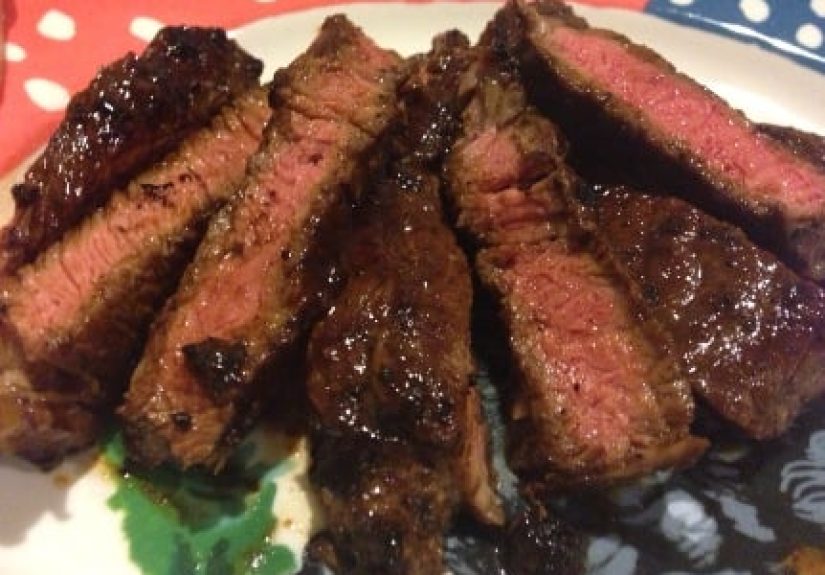
- Medium-rare: 130–135°F
- Medium: 135–145°F
- Medium-well: 145–155°F
- Well-done: 155°F+
Carryover cooking is realsteaks often rise about 5°F as they rest. So if you want 135°F medium-rare, consider pulling around 130°F and resting before slicing.
Food Safety Note (The Grown-Up Part)
Many people enjoy steak below medium, but official guidance for whole cuts often cites 145°F with a 3-minute rest. If you’re cooking for someone who is pregnant, older, immunocompromised, or otherwise at higher risk, aim for the safer benchmark and keep everything clean (hands, boards, tongs, and marinades).
Best Method for Thick Bar-Brew-Q Steaks: Reverse Sear
If you want edge-to-edge doneness and a crust that deserves its own fan club, reverse sear is your move.
Reverse Sear on the Grill
- Dry-brine (optional but recommended), then rub lightly.
- Set up a two-zone grill.
- Place steak on the cool side (indirect), lid closed.
- Cook until the internal temp is 10–15°F below your final target.
- Move to the hot side and sear 45–90 seconds per side, plus quick edge sears.
- Rest 5–10 minutes.
Reverse Sear + Beer: The “Bar-Brew-Q Upgrade”
Instead of dumping beer on the fire (which mostly creates steam and regret), try one of these:
- Beer spritz (indirect only): A light mist of lager + a splash of apple cider vinegar during the indirect phase can add aroma and help bark form on thicker cuts.
- Beer-butter finish: Melt 2 tbsp butter with 2 tbsp beer and a pinch of salt; spoon over the steak while it rests.
- Stout BBQ glaze: Brush during the last minute of searing, then rest.
Example Cook: Bar-Brew-Q Ribeye for a Crowd
What You Need
- 2 ribeyes, 1.25–1.75 inches thick
- Kosher salt, pepper
- Bar-Brew-Q dry rub (optional)
- Beer-butter (optional) or stout BBQ sauce
Game Plan
- Dry-brine: Salt steaks, refrigerate uncovered 4–24 hours.
- Preheat: Build a two-zone fire; aim for a hot sear zone and a calm indirect zone.
- Indirect cook: Place steaks on the cool side until ~120–125°F for medium-rare finish.
- Sear: Move to direct heat; sear both sides until deep brown, watching flare-ups.
- Rest: 5–10 minutes. Add beer-butter or serve sauce on the side.
- Slice: If slicing, cut against the grain and serve immediately.
Common Bar-Brew-Q Mistakes (And How to Avoid Them)
1) “I Used a Triple IPA and Now My Steak Is Bitter”
Hops concentrate when reduced. For sauces and marinades, choose beers with moderate bitterness (lager, amber, brown). If you love IPAs, drink them alongside the steak instead of making them the steak.
2) “My Marinade Didn’t Penetrate”
That’s normal. Marinades mostly flavor the surface. Use dry-brining for deeper seasoning and rely on good browning for flavor impact.
3) “I Pressed the Steak Because I Wanted More Sizzle”
Pressing is basically wringing out flavor. Let the heat do the work. If you want more browning, dry the surface better and sear hotter.
4) “I Forgot Resting and the Plate Looked Like a Crime Scene”
Resting helps juices redistribute and carryover cooking finish gently. Five minutes feels long, but it’s shorter than the time it takes to explain why the steaks are “still totally juicy, I swear.”
Bar-Brew-Q Pairings: What to Serve With Beer-Kissed Steak
- Charred onions + mushrooms: Finish with a splash of beer and butter in a skillet.
- Grilled corn: Chili-lime butter and a light lager are best friends.
- Potato wedges: Smoked paprika, garlic, and a brown ale on the side.
- Simple salad: Something bright and acidic to balance rich beef.
of Bar-Brew-Q Experiences (The Kind You’ll Recognize)
Every Bar-Brew-Q steak story starts the same way: optimism. The grill is clean-ish, the beer is cold, and someone says, “I’ll just do a quick marinade.” That’s when the universe leans in and whispers, “Cool. Let’s see what happens.”
One classic scene is the Two-Beer Timeline. Beer #1 is for prep: salting steaks, setting up two-zone heat, and feeling like you’re hosting a cooking show that definitely has a budget. Beer #2 is for the “why is the grill suddenly hotter than the surface of the sun?” phase. This is also when you learn the value of indirect heat. Instead of panic-flipping the steak like it owes you money, you slide it to the cooler zone and regain control. The steak relaxes. You relax. The dog, sensing peace, stops pacing like a tiny furry food critic.
Then there’s the Marinade Reality Check. People often expect beer marinade to transform a steak into something mystical and tenderized by the angels. What actually happens is more useful: the outside picks up aroma, a bit of sweetness helps browning, and the surface gets this savory “grill snack” quality. The internal flavor still tastes like beef (which is the point). The best moment is when someone says, “It tastes like steak… but better.” That’s Bar-Brew-Q working as intended.
A personal favorite type of experience (the kind repeated across backyards nationwide) is the Accidental Sauce Victory. You start simmering a stout BBQ sauce, and suddenly the whole patio smells like caramelized onions, roasted malt, and something vaguely like a sports bar that got its life together. You brush a little sauce on at the endjust enough to glaze, not enough to burnand the steak comes off looking glossy and dramatic. People don’t just eat it; they pause. They inspect it. Someone takes a photo like the steak is an influencer.
Of course, Bar-Brew-Q also has the Flare-Up Lesson. The worst instinct is pouring beer on the flames, which creates a smoky mess and wastes perfectly good drinking beer. The better move is moving the steak to indirect heat, closing the lid, and letting the flare-up calm down. Later, you’ll tell the story like you meant to do it. This is the secret history of grilling: half of greatness is recovery.
Finally, there’s the quiet victory of resting the steak. It’s the moment you set it down, tent it loosely, and pretend you’re not staring at it. Those few minutes are where patience turns into juiciness. It’s also where you can pour the final ounce of beer into a quick butter baste, slice the steak cleanly, and serve it like you’ve been doing this your whole lifebecause tonight, you kind of have.
Conclusion
Bar-Brew-Q steaks aren’t about making your dinner taste like a brewery tour. They’re about using beer as a flavor amplifierpairing the right brew with the right cut, building a two-zone fire so you can sear with confidence, and seasoning like a pro with dry-brining and smart finishing sauces. Master those, and you’ll turn “just grilling steak” into a backyard ritual worth repeating.