Table of Contents >> Show >> Hide
- Why an Attic Suite Is the Ultimate “Found Space”
- First Things First: Can Your Attic Actually Become Living Space?
- Code-and-Safety Checklist for a Suite You Can Actually Sleep In
- Design Moves That Make an Attic Feel Like a Boutique Suite
- Budget Reality: What Attic-to-Suite Projects Tend to Cost
- A Practical Process: From Dusty Attic to Daily Retreat
- Common Mistakes That Turn “Suite Retreat” Into “Suite Regret”
- Conclusion: The Best Attic Suites Feel Like They Were Always Meant to Be There
- Experiences From Attic-to-Suite Projects (Real Lessons, No Fluff)
Every house has that one “mystery zone”the place where holiday decorations, a treadmill from 2014, and three unmatched dining chairs go to live out their days in peaceful, dusty retirement. In a lot of homes, that zone is the attic. But with the right plan (and the right professionals where it counts), an attic can graduate from “seasonal storage purgatory” to “suite retreat upstairs”a private, light-filled hideaway that feels like a boutique hotel quietly perched above daily life.
This guide walks through what it actually takes to turn an attic into a comfortable, code-smart suite: the feasibility checkpoints, the design moves that make sloped ceilings feel charming instead of cramped, and the real-world details people forget until the drywall is already up (ask me how I knowactually, don’t; we’ll cover it later).
Why an Attic Suite Is the Ultimate “Found Space”
A finished attic suite is one of the few remodels that can feel like you added a whole new floor without changing your home’s footprint. Done well, it creates a zone with natural privacy: guests get their own wing, teens get a hangout that’s not the kitchen, and you get an upstairs retreat that’s far enough away from the laundry pile to pretend it doesn’t exist.
It also solves a common layout problem in older houses: plenty of square footage, but not enough functional rooms. An attic suite can become a primary bedroom with an en suite bath, a guest suite, a home office plus lounge, or a hybrid “work + recover” space that doesn’t require you to stare at spreadsheets from your dining table.
First Things First: Can Your Attic Actually Become Living Space?
Before you start pinning “cozy attic suite” photos and pricing out velvet sconces, you need to confirm the attic can behave like a real roomstructurally, legally, and comfortably.
1) Headroom: the “Will I bonk my head?” test
Most building codes require minimum ceiling height for habitable space, and attics can be tricky because the ceiling slopes. The practical takeaway: you need enough area where people can stand and move normally (not just a single tall strip down the center like a bowling lane). If the existing roofline is too low, solutions may include adding dormers, adjusting framing, or rethinking the plan into a smaller suite with smart built-ins and storage in the low zones.
2) Floor framing: storage floors are not always people floors
Many attics were built for light storagenot daily living. That’s a big deal, because the floor system may need reinforcement to safely handle furniture, people, and the extra weight of finishes (subfloor, tile, a bathtub if you’re feeling fancy, and the inevitable “how did we end up with a second sofa?” moment).
A quick rule of thumb: if you can feel the floor bounce when you walk, that’s your attic politely asking for an engineer. Reinforcing joists, adding beams, or redistributing loads can be straightforwardbut it should be designed, permitted, and inspected correctly.
3) Access: stairs make it real (and expensive)
A pull-down ladder is great for storing ornaments, not for living. A code-compliant stairway often becomes the single biggest “domino” in attic projects because it affects layout on both levels. You need space for the stair run, safe headroom, proper landings, and a design that doesn’t steal the best square footage from the new suite or carve your existing hallway into sadness.
If you’re wondering why attic conversions can cost more than “just finishing a room,” stairs are a major reason. They’re structural, spatial, and safety-criticaland they ripple through everything.
Code-and-Safety Checklist for a Suite You Can Actually Sleep In
Codes vary by city and state (and some places adopt model codes with local amendments), so always confirm requirements with your building department. Still, there are a few almost-universal categories that determine whether an attic becomes a legal bedroom suite or merely a very expensive storage closet.
Egress: a safe way out
Sleeping rooms typically require an emergency escape and rescue openingoften an egress window or doorsized so a person can exit and responders can enter if needed. If your attic is going to host a bed (and real humans), don’t treat egress as optional or “we’ll figure it out later.” “Later” is when drywall is finished and your budget is emotionally fragile.
Minimum ceiling heights and “habitable” definitions
Codes generally distinguish between habitable space (rooms meant for living and sleeping) and areas like closets or storage. That matters in attics because knee-wall zones can be perfect for built-in drawers, luggage storage, or a hidden reading nook, even when those areas aren’t tall enough to count as primary living area.
Insulation + air sealing: comfort isn’t optional upstairs
Attics sit at the top of the thermal “stack,” meaning heat loves to rise into them in winterand summer sun loves to roast them from above. If you want your suite retreat to feel like a sanctuary instead of a seasonal sauna, insulation and air sealing are non-negotiable.
The best-performing attic suite projects usually treat the space like a complete system: seal air leaks, insulate appropriately for your climate zone, manage ventilation correctly, and avoid leaving gaps around penetrations (lights, vents, wiring) that turn your cozy space into a drafty wind tunnel.
Ventilation and moisture control: the quiet hero of a healthy attic
Bathrooms, laundry nooks, and even heavy “steam life” (hello, face masks and long showers) can push a lot of moisture into an attic suite. Exhaust fans should vent outdoorsnot into the atticbecause trapped moisture can lead to mold and long-term damage. And since roof assemblies can be vented or unvented depending on design and climate, you’ll want a plan that matches best practices and local code requirements.
Electrical, plumbing, and fire safety: the “real home” stuff
Turning an attic into a suite usually means:
- Electrical upgrades (new circuits, outlets, lighting, and possibly a subpanel depending on load).
- HVAC (extending ductwork, adding returns, or using a ductless mini-split for zoned comfort).
- Plumbing if you’re adding a bathroom (supply lines, drains, ventsplus waterproofing details).
- Safety items like interconnected smoke/CO alarms and proper fire separation where required.
The goal is simple: the attic should function like the rest of the house, not like a “bonus room” with vibes and questionable air.
Design Moves That Make an Attic Feel Like a Boutique Suite
Attics have personalityslopes, beams, and tucked-away corners. The trick is turning that personality into charm instead of inconvenience.
Put the “main moments” where the ceiling is highest
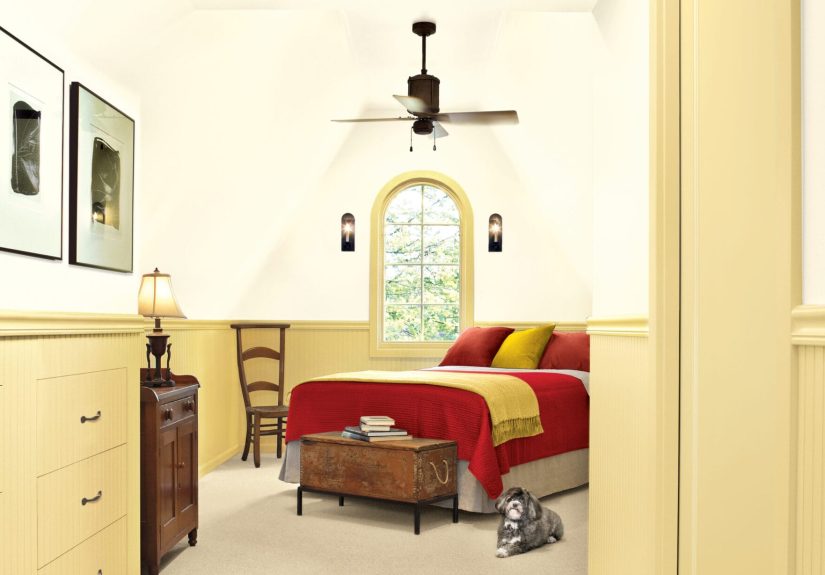
Place the bed, seating area, and primary walking paths in the tallest zone. Use low-ceiling areas for built-in storage, dressers, nightstands, or a desk that doesn’t require standing ovations. If you’re adding a bathroom, consider placing the shower where headroom is best and using lower areas for a vanity, linen storage, or a tucked toilet room (as allowed).
Use dormers and roof windows strategically
Light is the fastest way to make an attic feel intentional. Dormers can increase usable square footage and add headroom, while roof windows/skylights bring in daylight and sky views. If your climate is hot or your roof bakes in afternoon sun, consider glazing choices and shading so your “suite retreat” doesn’t become a greenhouse with throw pillows.
Build storage that looks custom (because it is)
Knee-wall storage is the attic’s superpower. Done well, it feels like built-in millworkdrawers, doors, shelves, even hidden luggage bays. Done poorly, it feels like a tiny portal into insulation purgatory. The difference is planning: decide what you’ll store (clothes, bedding, holiday décor, gear) and build compartments sized for real items, not imaginary minimalist lifestyles.
Make sound and privacy part of the design
If the attic suite is for guests or a primary bedroom, prioritize:
- Solid-core doors (especially at the stair landing)
- Sound-dampening insulation where appropriate
- Soft finishes (rugs, curtains) that reduce echo
- A layout that doesn’t put the bed directly above the kitchen blender
Comfort upgrades that feel “hotel,” not “home office overflow”
Small details deliver big-suite energy:
- Layered lighting (ambient + task + bedside)
- Convenient outlets (including bedside charging)
- A real closet moment (built-ins or a smart wardrobe wall)
- A seating nook (even a small chair and lamp makes it feel finished)
Budget Reality: What Attic-to-Suite Projects Tend to Cost
Attic conversions range widely because “attic” can mean anything from “already framed and clean” to “a wobbly plank over insulation and regret.” Cost depends on size, structural work, stairs, plumbing, HVAC, windows/dormers, and finish level.
Many homeowners see ballpark pricing expressed per square foot, with higher numbers when you add bathrooms, custom built-ins, or major roofline changes. If your project includes a new staircase, a full bath, and upgraded insulation/HVAC, you’re essentially building a small additionjust inside the existing envelope.
If resale value matters, it’s smart to weigh your local market and the quality of execution. Industry reports track how different remodel types retain value across regions, but the most reliable “ROI” tends to come from suites that feel integrated, permitted, and comfortablebecause buyers can tell when a space was done right.
A Practical Process: From Dusty Attic to Daily Retreat
A smooth attic suite project usually follows a clear sequence:
- Feasibility + measurements: confirm headroom, floor framing, access, and window potential.
- Design + scope: choose layout, bath placement, storage strategy, lighting, and HVAC approach.
- Engineering + permits: address loads, stairs, and any roof changes; pull permits.
- Rough-in phase: framing, electrical, plumbing, HVAC, ventilation details.
- Insulation + air sealing: execute the comfort plan before closing walls.
- Drywall + finishes: flooring, trim, paint, built-ins, fixtures.
- Final inspections: confirm safety, code compliance, and performance.
The key is not rushing the “invisible” steps. You can change paint later. Fixing a poorly planned roof assembly or underpowered HVAC after move-in is the kind of adventure nobody wants.
Common Mistakes That Turn “Suite Retreat” Into “Suite Regret”
- Ignoring egress early: if the window/escape solution is hard, it affects layout and cost.
- Underestimating stairs: stairs need space, headroom, and safe geometryplan them first.
- Skipping air sealing: drafts and comfort complaints usually trace back to missed sealing details.
- Venting moisture into the attic: bathrooms must exhaust outdoors to avoid moisture damage.
- Overbuilding the “low zones”: don’t force full-height functions where the roofline says “no.”
- Too few outlets and lights: attics can get dark; layered lighting prevents cave vibes.
Conclusion: The Best Attic Suites Feel Like They Were Always Meant to Be There
When an attic becomes a suite retreat upstairs, the best outcome isn’t just “more space.” It’s a space that feels intentional: bright, comfortable, safe, and fully part of the home. The difference comes from nailing the fundamentalsstructure, access, egress, insulation, ventilationand then layering in design choices that celebrate what makes attics special: angles, coziness, sky views, and that tucked-away sense of escape.
If you plan carefully and build smart, your attic won’t just be finished. It’ll be your favorite place to close the door, exhale, and enjoy the rare luxury of being upstairs… without being “on duty.”
Experiences From Attic-to-Suite Projects (Real Lessons, No Fluff)
The most useful attic-suite advice usually shows up after someone has lived in the space for a few monthslong enough for the honeymoon period to end and the “okay, but why is it 10 degrees hotter up here?” questions to begin. One of the biggest takeaways: comfort is earned in the invisible layers. People who are happiest with their attic retreats tend to remember the boring stuffair sealing, insulation continuity, and a real HVAC planand forget the temptation to spend the entire budget on statement tile and a chandelier that could guide ships to shore.
Another repeated lesson is that stairs are a psychological commitment. The day a permanent staircase goes in, the attic stops being “extra” and becomes part of daily life. That’s when you realize what you want at the bottom and top of the stairs: good lighting, a place to set something down, and a landing that doesn’t feel like stepping into a trapdoor. More than one homeowner has said, “I wish we’d designed the stair entry like a tiny hallway instead of dumping you straight into the bedroom.” Even a couple of feet of transition spaceplus a door for sound and privacycan make the suite feel genuinely separate.
Layout mockups matter more in attics than almost anywhere else. A helpful trick is to map the proposed plan full-size on the subfloor (or in design software) and then “walk it” like you live there: where do you put a suitcase, where do shoes go, where does laundry land, and can you open drawers without crouching like you’re in a spy movie? The best attic suites usually treat low-slope areas as purposeful storage, not awkward dead space. Built-in drawers under the eaves, pull-out bins, and shallow shelves can keep the room calmbecause clutter in an attic space looks twice as chaotic as clutter in a normal room.
Lighting is another theme. People often add a skylight and call it a day, then discover that nighttime needs a whole different strategy. Attic ceilings and angles can create shadows, so layered lighting pays off: recessed or low-profile ceiling lights where feasible, wall sconces by the bed, and a reading lamp that doesn’t require you to summon the sun. Dimmer switches are practically a love language in an attic suite. Also, plan outlets like you’re mildly obsessed with them. Guests want charging by the bed, a place for a hair dryer, and an outlet that isn’t hidden behind a dresser like a secret level in a video game.
Finally, bathrooms upstairs are amazingbut they demand respect. People love the convenience, but they’re happiest when the bath is quiet, ventilated correctly, and designed for the roofline. Showers go where headroom is best. Vanities can work in slightly lower zones. And nearly everyone who added a bathroom says some version of: “We should’ve planned storage for towels and cleaning supplies earlier.” The attic suite is a retreat, after all. Nobody wants to relax in a space where the only place for extra toilet paper is “balanced artistically on the window ledge.”