Table of Contents >> Show >> Hide
- Pickles 101: What Exactly Counts as a “Pickle”?
- Nutrition Snapshot: The Good, the Salty, and the Surprising
- Potential Health Benefits of Pickles
- Potential Downsides (Because Pickles Are Not Tiny Green Angels)
- Who Should Be Extra Careful With Pickles?
- How to Make Pickles Healthier Without Breaking Up With Them
- Quick FAQ
- So… Are Pickles Good for You?
- Real-Life Pickle Experiences: From the Crunchy Side of Life
Pickles are one of America’s great contradictions: a vegetable that somehow became a condiment, a snack, a burger accessory,
and (depending on your household) either a beloved crunchy treasure or “that green thing touching my sandwich.”
The bigger question, though, is the one your taste buds refuse to answer: are pickles good for you?
The honest (and mildly annoying) answer is: it depends on the pickleand on you. Pickles can be a low-calorie way to
add flavor, and some fermented pickles may support gut health. But many pickles are also sodium superheroes… and not always in a good way.
Let’s break it downbrine, bite, and all.
Pickles 101: What Exactly Counts as a “Pickle”?
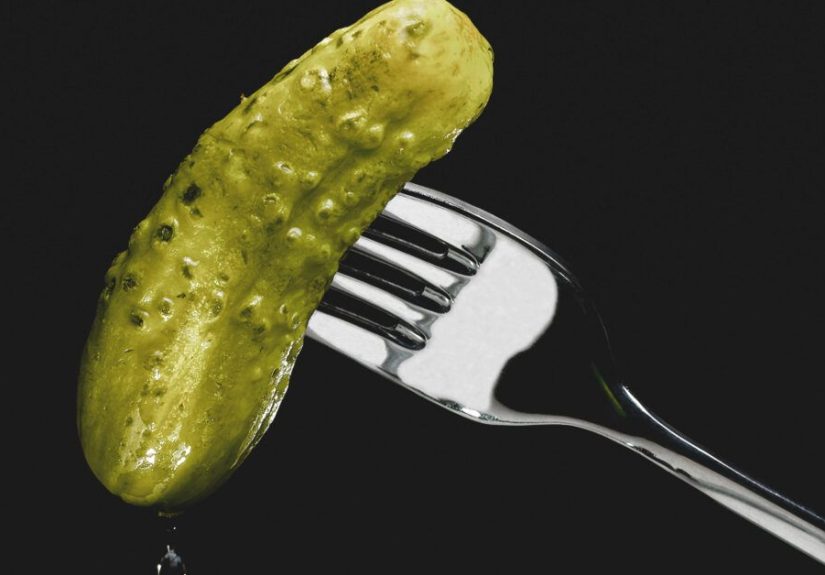
“Pickle” usually means a cucumber preserved in a salty brine, vinegar, or both. But the method matters because it changes what you’re
actually eating (and what you’re not).
Vinegar pickles (aka quick pickles)
These are the most common grocery-store pickles: cucumbers soaked in vinegar, salt, and spices. They’re sour because of the vinegar,
not because bacteria fermented them. They’re delicious, they’re crunchy, and they’re usually shelf-stable.
Fermented pickles (aka “real” brine fermentation)
These are made with salt + water and time. Naturally occurring bacteria convert sugars into lactic acid. The result is tangy,
preserved, and potentially full of live cultures (probiotics)if they’re not pasteurized.
You’ll often find them in the refrigerated section labeled “fermented” or “contains live cultures.”
Nutrition Snapshot: The Good, the Salty, and the Surprising
Pickles are famously low in calories. A small dill spear can be just a few calories, with very little fat or sugar.
But the headline nutrient is usually sodium.
How much sodium are we talking?
Sodium varies wildly by brand and serving size, but a small dill spear can land around ~280–350 mg sodium.
That’s not catastrophicuntil you realize most people don’t stop at one spear, and sodium shows up everywhere else in the day.
Do pickles have any vitamins?
Yesjust not in “eat this and your cape arrives in the mail” quantities. Dill pickles can provide small amounts of nutrients, including
vitamin K (important for blood clotting and bone health), plus tiny bits of potassium and other minerals.
Vitamin K is a real consideration if you take certain blood thinners (more on that later).
Potential Health Benefits of Pickles
1) A low-calorie way to make healthy food taste less… healthy
If you’re trying to eat more lean protein, salads, or grain bowls, pickles can add bold flavor for minimal calories.
That matters because “healthy eating” only works if you actually enjoy what you’re eating.
2) Fermented pickles may support gut health (the probiotic angle)
If your pickles are fermented and still contain live cultures, they may contribute beneficial bacteria.
Probiotics are live microorganisms found in fermented foods, and research suggests they can help support a healthier gut ecosystem.
Two important reality checks:
- Not all pickles are fermented. Vinegar pickles are sour, but they typically don’t provide probiotics.
- Heat can kill live cultures. Shelf-stable, pasteurized pickles are less likely to contain active probiotics.
3) Pickle juice and muscle cramps: not magic, but interesting
You’ve probably heard athletes swear by pickle juice for cramps. The surprising part is that the best explanation may not be “electrolytes”
(at least not in the moment). Some studies suggest a small amount of pickle juice can reduce cramp duration quicklypossibly via a reflex
triggered by the acidic brine in the mouth/throat that affects nerve signaling to the cramping muscle.
Translation: it may work for some people, sometimesbut it’s not a replacement for hydration, training, or adequate overall electrolytes.
And it’s definitely not a great plan if you need to limit sodium.
4) Vinegar-based pickles may modestly help post-meal blood sugar (for some people)
Vinegar has been studied for its potential to reduce post-meal blood sugar spikes, especially when consumed with higher-glycemic meals.
Since many pickles involve vinegar, that effect may applythough the benefit is usually modest and depends on the meal and the person.
If you have diabetes or insulin resistance, think of this as a “small nudge,” not a treatment strategy.
Potential Downsides (Because Pickles Are Not Tiny Green Angels)
1) Sodium: the biggest issue for most people
The American Heart Association recommends no more than 2,300 mg sodium per day and notes an ideal target of
1,500 mg for most adults. Meanwhile, Americans average well above that.
A pickle spear here and there can fitbut a “pickle phase” can stack sodium fast.
High sodium intake can raise blood pressure in sodium-sensitive people and can be a problem for people with certain heart or kidney conditions.
If you’ve been told to watch salt, pickles are one of those foods that can quietly sabotage your day.
2) Sweet pickles can bring added sugar
Sweet pickles (and some relishes) may contain added sugars. That doesn’t automatically make them “bad,” but it does change what you’re getting.
If you’re watching blood sugar or trying to reduce added sugar, check the label and don’t assume all pickles are created equal.
3) Acid can bother reflux, sensitive stomachs, or teeth
Vinegar and acidity can irritate heartburn/GERD for some people. Also, frequent exposure to acidic foods can contribute to enamel wear.
You don’t need to fear picklesjust don’t make “pickle sips” your all-day beverage.
4) Histamine and food sensitivities (a niche but real issue)
Fermented foods can be higher in histamines. If you know you’re sensitive to fermented foods (headaches, flushing, hives, etc.),
fermented pickles may be a trigger. This is not “most people,” but it’s worth mentioning because the internet loves pretending
everyone should eat fermented everything all the time.
5) Vitamin K and blood thinners: keep it consistent
Vitamin K supports blood clotting. If you take warfarin (Coumadin), you generally need to keep vitamin K intake consistent day to day.
Pickles aren’t the richest vitamin K food on earth, but they can contributeso consistency matters more than “avoid forever.”
Talk to your clinician if you’re unsure how pickles fit into your plan.
Who Should Be Extra Careful With Pickles?
- People with high blood pressure or a sodium-restricted diet (pickles are often very salty).
- People with kidney disease or heart failure who need tighter sodium control.
- Anyone prone to reflux who notices vinegar makes symptoms worse.
- People on warfarin who need steady vitamin K intake.
How to Make Pickles Healthier Without Breaking Up With Them
Choose your pickle like you choose your friends: look at the label
- Look for lower-sodium options (many brands offer “reduced sodium”).
- If you want probiotics, look for “fermented” and “live cultures,” often refrigerated.
- If you want less sugar, compare sweet pickles, bread-and-butter styles, and relish labels.
Use pickles as a flavor tool, not a side dish the size of a sofa cushion
A few slices in a sandwich, chopped into tuna salad, or diced into a grain bowl can give you the pickle hit
without turning your sodium budget into confetti.
Rinse (optional) if you’re trying to reduce surface salt
A quick rinse and pat-dry can reduce some surface brine. It won’t erase sodium, but every little bit helps if you’re cutting back.
If you make your own, prioritize food safety
Homemade pickles can be fantastic. But follow tested recipes and safe preservation practicesespecially if you’re canning.
Improper home canning or fermentation can carry serious food safety risks. When in doubt: throw it out.
Quick FAQ
Are pickles good for weight loss?
They can help as a low-calorie snack and flavor booster, but they’re not a weight-loss “hack.” They’re a tool, not a miracle.
Are pickles good for gut health?
Fermented pickles may help because they can contain live cultures. Most vinegar pickles won’t provide probiotics.
Is pickle juice “healthy”?
It can be useful in small amounts for certain scenarios (like cramps in some people), but it’s usually very high in sodium.
Treat it like a strong condimentnot a sports drink replacement.
So… Are Pickles Good for You?
Pickles can absolutely fit into a healthy dietespecially if you use them to make nutritious foods more enjoyable.
They’re low in calories, sometimes provide small amounts of helpful nutrients, and fermented versions may support gut health.
The main caution is sodium (and sometimes sugar). If you’re generally healthy and mindful of overall salt intake,
pickles are a fun, flavorful “yes, in moderation.” If you’re managing blood pressure, kidney issues, or sodium limits,
pickles are more of a “special guest star” than a daily main character.
In other words: pickles aren’t a superfood. They’re a supporting actorbut they can steal the scene when used wisely.
Real-Life Pickle Experiences: From the Crunchy Side of Life
If you want the true story of pickles, don’t ask a nutrition labelask a group chat. Pickles are one of those foods that sneak into
daily life in oddly specific moments, usually when you least expect to become emotionally attached to a cucumber.
Consider the “desk pickle” phenomenon: someone brings a jar to work, swearing it’s for sandwiches, and suddenly the lid pops open at 2:47 p.m.
The office hears the unmistakable thunk of brine suction releasing, followed by the crunch that echoes like a tiny salute.
The pickle isn’t just a snackit’s a productivity reset button. Salty, tangy, loud. A new beginning.
Then there’s the gym crowd. Plenty of people have tried pickle juice after hearing it’s “the thing” for cramps.
Some report surprisingly fast relief; others just end up with the facial expression of someone who drank salad dressing on purpose.
Either way, it becomes a story they tell with conviction: “It worked once,” or “Never again,” or “I keep a shot glass of brine in my fridge
like a Victorian apothecary.” Fitness is a journey, and sometimes that journey includes brine.
Pickles also show up as a quiet culinary cheat code. People who are cutting calories often discover that a few pickle slices can make a
turkey sandwich taste like something you’d actually pay for. Diced pickles can give tuna salad that deli snap. Chopped pickles can rescue
a rice bowl that feels a little too “responsible.” It’s flavor theater with a five-calorie ticket.
And if you’ve ever attempted home fermentation, you know pickles can become a hobby with plot twists. The first day is optimism:
cucumbers lined up like green soldiers, garlic and dill floating dramatically, a jar perched on the counter like a science fair trophy.
Then come the questions: “Is it supposed to bubble?” “Is that normal cloudiness?” “Why does my kitchen smell like ambition and vinegar?”
Successful batches feel like winning a tiny culinary championship. Unsuccessful batches teach humilityand the importance of tested recipes.
Finally, there’s the simple joy of pickle preferences. Some people are “half-sour loyalists.” Some demand “extra garlicky.”
Some only like bread-and-butter pickles because life is short and sweetness matters. The healthiest pickle might be the one you enjoy enough
to keep your overall eating pattern satisfyingwithout turning every meal into a sodium festival. In real life, that balance is the point.