Table of Contents >> Show >> Hide
- First, Let’s Name the Enemy: What People Call “Acne Scars” Isn’t Always a Scar
- Can Aloe Vera Actually Help Acne Scars?
- Types of Aloe Vera to Use (and Which Ones to Side-Eye)
- How to Apply Aloe Vera for Acne Scars (Step-by-Step)
- Smart Pairings: Aloe + These Ingredients Can Make a Great Team
- How Long Does It Take to See Results?
- Safety Notes: Side Effects, Irritation, and Who Should Skip Aloe
- When Aloe Isn’t Enough: Treatments That Actually Change Acne Scar Texture
- Quick Routine Examples (Because Decision Fatigue Is Real)
- FAQ: Aloe Vera for Acne Scars
- Real-World Experiences: What People Notice When Using Aloe for Acne Scars (and Marks)
- SEO Tags
Aloe vera has the reputation of being the “green goo that fixes everything.” Sunburn? Aloe.
Dry patches? Aloe. Emotional damage from looking at your high school photos? Okay, aloe can’t
time-travel… but it can help calm irritated skin, support a healthy barrier, and make post-acne
marks look less dramatic over time.
Here’s the honest, dermatologist-friendly take: aloe vera may help with the after-effects of acne
(redness, irritation, dryness, and some discoloration), but it’s not a magic eraser for deep, indented scars.
The good news is that for the right “scar” typeand with the right productaloe can be a useful, affordable
sidekick in your routine.
First, Let’s Name the Enemy: What People Call “Acne Scars” Isn’t Always a Scar
When acne heals, you can be left with two broad categories of leftovers:
marks (flat color changes) and true scars (texture changes). They look different, behave differently,
and need different strategies.
| Type | What it looks like | What helps most | Where aloe fits |
|---|---|---|---|
| PIH (post-inflammatory hyperpigmentation) | Flat brown/tan/gray spots after a pimple | Sunscreen, gentle brighteners, time | Soothing + barrier support; may help the “angry” phase calm down |
| PIE (post-inflammatory erythema) | Flat pink/red/purple marks | Sun protection, anti-inflammatory care, time | Can reduce dryness/irritation; may make redness look less noticeable |
| Atrophic scars (ice pick, boxcar, rolling) | Indented or pitted texture changes | Microneedling, lasers, subcision, peels (pro care) | Won’t rebuild lost collagen, but can support skin comfort during routines |
| Hypertrophic/Keloid scars | Raised, thick scars (more common on body) | Dermatology treatment (often injections/other procedures) | Not a primary treatment; proceed cautiously and talk to a dermatologist |
Translation: if your “scar” is flat and discolored, aloe might help you look calmer and more even over time
especially if you pair it with the real MVP of fading marks: daily sunscreen.
If your “scar” is a dent, you’ll likely need targeted treatments to change texture.
Can Aloe Vera Actually Help Acne Scars?
Aloe vera gel is mostly water, but it also contains soothing compounds that can support skin comfort.
Research on aloe often focuses on wound healing and inflammation controlnot specifically acne scarring.
That matters because acne scars are a type of “remodeled healing,” and not all healing behaves the same.
What aloe can realistically do
- Calm irritation that makes marks look worse (tightness, stinging, dry flakes).
- Hydrate without heavy oils (useful if you’re acne-prone but dehydrated).
- Support your skin barrier, which helps you tolerate active ingredients (like retinoids) more comfortably.
- Reduce the urge to pick by making skin feel less itchy or “angry.” (Picking = mark-making machine.)
What aloe probably won’t do
- Erase deep pits (ice pick/boxcar scars) or fully smooth texture on its own.
- Replace sunscreen or clinical treatments for stubborn discoloration and scarring.
- Fix ongoing acne if breakouts are still active and frequent (you need an acne plan first).
Bonus nuance: one clinical trial found aloe combined with topical tretinoin for acne helped improve tolerability
versus tretinoin alone, suggesting aloe may help with irritation while you treat acne.
That’s about acne controlnot scar removalbut it’s still useful because fewer inflamed breakouts usually means
fewer new marks.
Types of Aloe Vera to Use (and Which Ones to Side-Eye)
Not all aloe products are created equal. Some are calm, gentle, and helpful. Others are basically
“green scented hand sanitizer with aloe’s name on the lease.”
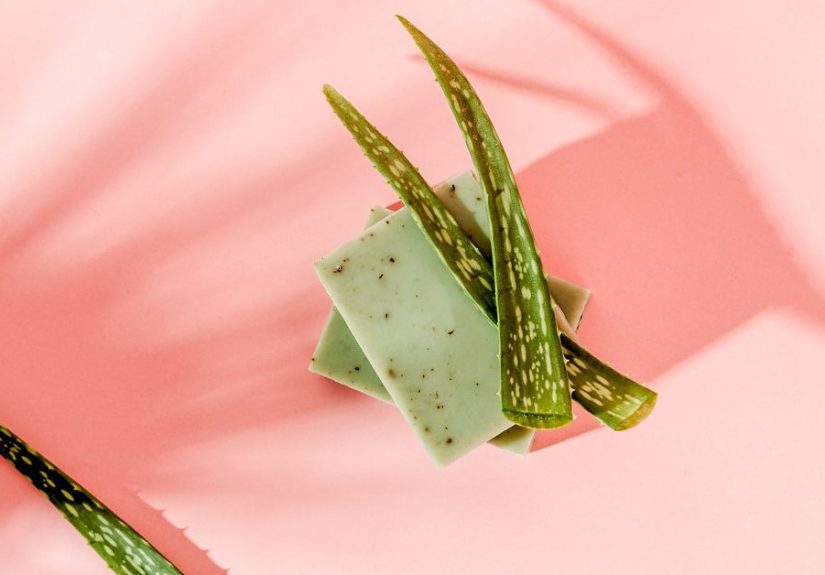
1) Fresh aloe gel (from a leaf): the simplest, but not always the easiest
Fresh gel can be great if you prep it safely. The key is avoiding the yellowish sap (latex) near the leaf skin,
which can irritate some people.
- Wash the leaf, then slice off the spiky edges.
- Cut a section and stand it upright for a few minutes so yellow sap can drain.
- Fillet the leaf and scoop the clear gel.
- Optional: rinse the gel briefly, then blend for a smoother texture.
- Store in the fridge in a clean container; toss if it smells off or changes color/texture.
2) Store-bought aloe gel: convenient and usually more stable
Look for products where Aloe barbadensis leaf juice (or gel) is one of the first ingredients.
Bonus points if it’s labeled alcohol-free and fragrance-free.
- Best for acne-prone skin: lightweight gels with minimal ingredients.
- Best for sensitive skin: aloe + simple humectants (like glycerin) and no essential oils.
- Skip if you’re scar-focused: products loaded with denatured alcohol, strong fragrance, or dyes.
3) Aloe in moisturizers/serums: great for “I want results, not slime” people
If you hate the sticky gel feel, choose a moisturizer or serum that uses aloe as a soothing baseespecially ones
designed for sensitive or acne-prone skin. These often layer better under sunscreen and makeup.
4) Aloe “after-sun” gels: proceed with caution
Some after-sun gels are awesome. Others contain alcohol that can dry you out and make marks look worse.
Read the ingredient list like it owes you money.
How to Apply Aloe Vera for Acne Scars (Step-by-Step)
Step 0: Patch test (yes, even for “natural” stuff)
Aloe can still cause irritation or allergic contact dermatitis in some people. Patch testing is the boring hero that
prevents exciting rashes.
- Apply a small amount behind your ear or on your inner forearm.
- Wait 24 hours.
- If you get itching, burning, hives, or swellingdon’t use it on your face.
Step 1: Cleanse gently
Use a mild cleanser. Harsh scrubbing can worsen inflammation and make marks linger longer.
Step 2: Apply a thin layer of aloe
Use a pea-to-nickel-sized amount for your whole face. More is not “more effective”it’s just stickier.
Focus on areas with post-acne marks, roughness, or irritation.
Step 3: Lock it in (optional but helpful)
If your skin feels tight or dry, apply a non-comedogenic moisturizer after aloe dries down a bit.
Aloe is hydrating, but some people need a seal over it.
Step 4 (Morning): Sunscreen, always
If you’re trying to fade dark marks or redness, sunscreen is not optional. UV exposure can deepen discoloration
and slow fading. Choose broad-spectrum SPF 30+ that you’ll actually wear daily.
How often should you use aloe?
- Start: 3–4 nights per week.
- If tolerated: daily use is fine.
- If you’re using strong actives: aloe can be an “off-night” comfort step.
Smart Pairings: Aloe + These Ingredients Can Make a Great Team
Aloe is best as a supporting character. Pair it with evidence-based strategies for marks and scar prevention.
Great combos (go slow and patch test)
- Sunscreen: the #1 partner for fading PIH/PIE over time.
- Niacinamide: helps support barrier function and the look of uneven tone (often gentle).
- Azelaic acid: popular for uneven tone and acne-prone skin; start a few times weekly.
- Adapalene (OTC retinoid): helps acne and can improve overall texture over time; aloe may reduce dryness.
- Vitamin C: can brighten, but choose a gentle formula if you’re sensitive.
Combos to avoid (or at least separate)
- Aloe + harsh exfoliation in the same session if you’re prone to irritation.
- DIY “kitchen sink” recipes like lemon juice or baking soda (irritation can worsen marks).
- Fragranced essential oil mixes on acne-prone skin (unpredictable irritation risk).
How Long Does It Take to See Results?
Aloe can make skin feel calmer quickly, but fading acne marks is a slow-burn project. Typical timelines:
- Comfort & hydration: same day to 1 week.
- Redness looking less “angry”: a few weeks (with consistent gentle care).
- Dark marks (PIH): often weeks to monthsfaster with daily SPF and targeted actives.
- Indented scars: usually need professional treatment for meaningful change.
Pro tip: take a photo in the same lighting every 2–4 weeks. Your brain is terrible at noticing slow improvements,
but your camera is a brutally honest friend.
Safety Notes: Side Effects, Irritation, and Who Should Skip Aloe
- Possible reactions: stinging, redness, itching, rashespecially if you’re sensitive or allergic.
- Fresh aloe caution: the yellow latex/sap can be irritating for some people.
- Don’t ingest aloe latex: oral latex products can be unsafe; this article focuses on topical use only.
- If you have eczema/very reactive skin: patch test and keep formulas simple and fragrance-free.
If you ever get swelling, hives, or intense burning, rinse off, stop using the product, and consider contacting a healthcare professional.
When Aloe Isn’t Enough: Treatments That Actually Change Acne Scar Texture
If you have indented scars (ice pick, boxcar, rolling), aloe may keep your routine comfortable, but it won’t replace
treatments designed to remodel collagen. A dermatologist may recommend options like:
- Microneedling: helps stimulate collagen and can improve the appearance of certain atrophic scars.
- Chemical peels: can help discoloration and mild texture issues (varies by peel type).
- Laser treatments: can improve texture and tone, depending on skin type and scar type.
- Subcision: releases tethered rolling scars.
- Fillers: can temporarily lift some depressed scars.
If you’re unsure what you have, a quick dermatologist visit can save months of experimentingand a small fortune in “miracle” products.
Quick Routine Examples (Because Decision Fatigue Is Real)
Routine A: Acne-prone, easily dehydrated skin
- AM: Gentle cleanse → thin aloe layer → light moisturizer → SPF 30+
- PM: Gentle cleanse → aloe (or adapalene on alternate nights) → moisturizer
Routine B: Sensitive skin focused on fading marks
- AM: Rinse or gentle cleanse → aloe-based moisturizer → SPF 30+
- PM: Cleanse → aloe → moisturizer (introduce azelaic acid slowly if tolerated)
FAQ: Aloe Vera for Acne Scars
Will aloe vera remove ice pick scars?
Aloe may make skin feel smoother temporarily by hydrating it, but it won’t “fill in” deep pits. Those usually need professional treatments.
Can I leave aloe on overnight?
Many people can, especially with a simple, alcohol-free gel. If you’re prone to clogged pores, use a thin layer and monitor how your skin responds.
Is fresh aloe better than store-bought?
Fresh can be great if you prep it carefully and tolerate it. Store-bought is often more consistent and less messyjust avoid drying alcohols and heavy fragrance.
Real-World Experiences: What People Notice When Using Aloe for Acne Scars (and Marks)
Since aloe vera is so widely used, people’s experiences tend to fall into a few recognizable patterns. If you’ve ever wondered,
“Is this supposed to feel like a refreshing drink for my face… or like I got hugged by a cactus?”you’re not alone.
Here are the most common, realistic experiences people report when they use aloe to improve the look of post-acne marks and mild scarring.
1) The “Instant Calm” Effect (Especially After Actives)
Many users notice that aloe works best when their skin is in its dramatic erathink dryness, tightness, or mild irritation from acne treatments.
On nights when a retinoid or exfoliant makes skin feel cranky, aloe can feel like pressing the “mute” button on discomfort.
It doesn’t erase marks overnight, but it can reduce the look of redness caused by irritation and help skin feel less reactive.
People often describe the best versions as cooling, lightweight, and “finally something that doesn’t sting.”
2) The “My Dark Spots Are Taking Their Sweet Time” Reality Check
When it comes to brown marks (PIH), most people don’t see dramatic fading from aloe alone. What they do notice is that consistent aloe use,
combined with daily sunscreen, makes their skin look more even and less inflamedwhich indirectly helps marks fade more smoothly.
A common story: “My spots didn’t vanish, but my face looks less blotchy in photos and my makeup sits better.” That’s a real win.
The fastest improvements typically happen when aloe is part of a bigger strategy: sunscreen + gentle brighteners + not picking.
3) The “Sticky Gel vs. Pilling Sunscreen” Saga
Texture matters. Some aloe gels feel slightly tacky, and if you apply a thick layer, sunscreen can pill (roll up into little flakes),
which is the skincare equivalent of stepping on a LEGO. People who love aloe often solve this by using a very thin layer,
waiting 2–5 minutes, then applying moisturizer and SPF. Others switch to aloe-containing moisturizers that behave better under makeup.
If you’ve ever looked in the mirror and thought, “Why do I have tiny green eraser shavings on my cheeks?”it’s usually a layering issue, not you.
4) The “Surprise Irritation” Outliers
A smaller group experiences itching, redness, or a rashespecially with fresh aloe (latex exposure) or heavily fragranced gels.
These users often say the irritation showed up within hours or a day, and it improved after stopping the product.
That’s why patch testing is worth the tiny inconvenience. The most consistent “good experience” reports come from simple, alcohol-free formulas
used in thin layers.
5) The Long-Game Users (Who Actually Get the Best Results)
The people who seem happiest with aloe for post-acne marks share one habit: consistency without chaos.
They keep routines boring (gentle cleanser, aloe, moisturizer, SPF) and avoid switching products every three days.
Over 6–12 weeks, they often notice fewer “angry” flare-ups, less tightness, and marks that gradually look lighterespecially if new breakouts are controlled.
Bottom line: aloe is a supportive teammate. It won’t bulldoze acne scars, but it can make your skin calmer, more comfortable,
and more likely to tolerate the treatments that actually change the game.