Table of Contents >> Show >> Hide
- Who Is Christine Platt, and Why Does Her Perspective Hit Different?
- The Big Idea: Afrocentric Design as Self-Love (Not Just Style)
- Afrominimalism: Minimalism With a Memory
- What “Afrocentric Design” Can Look Like (Without Becoming a Costume)
- A Real-World Example: Platt’s Home Proves Meaning Beats Square Footage
- Why “Stuff” Can Feel So Complicated (and Why That’s Not a Personal Failure)
- How to Bring Platt’s Self-Love Approach Into Your Own Home
- Common Mistakes to Avoid (Because Afrocentric Isn’t a Theme Party)
- Conclusion: A Home That Loves You Back
- Experiences: What Afrocentric Self-Love Can Feel Like at Home (Extra )
If your home could talk, what would it say about you? “I’m calm and curated,” like a minimalist showroom? Or “I’m lived-in and loved,” like a space that keeps your stories on the walls and your people in the center of the room?
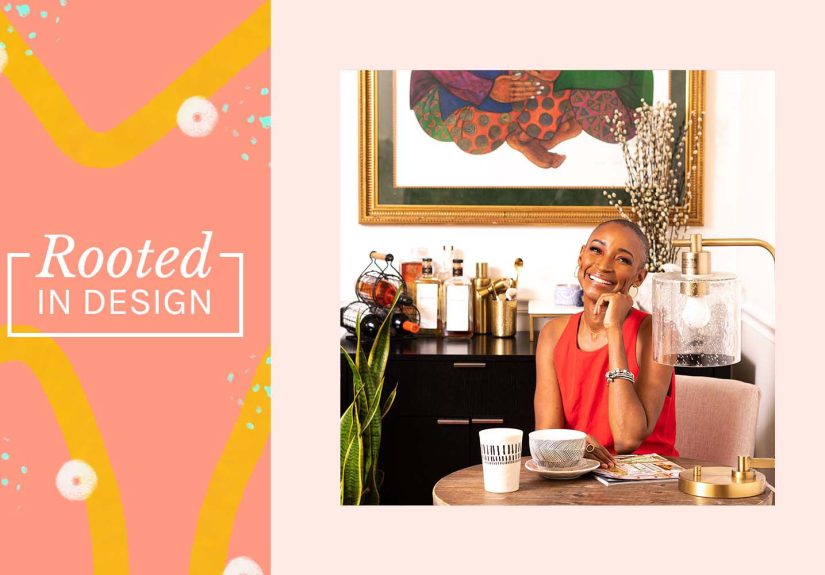
For Christine Plattknown by many as The AfrominimalistAfrocentric design isn’t a trend, a vibe, or a quick “add a mud cloth pillow” fix. It’s a form of self-love. It’s the choice to build a home that reflects cultural memory, personal identity, and everyday joywithout apologizing for being colorful, layered, sentimental, or beautifully specific.
And here’s the twist: Platt’s take isn’t “keep everything forever.” It’s “keep what matters on purpose.” Afrocentric design, in her world, isn’t about filling a roomit’s about centering yourself in it.
Who Is Christine Platt, and Why Does Her Perspective Hit Different?
Christine Platt is an author and cultural commentator who reframes minimalism through the lens of Black identity, history, and lived experience. She’s best known for popularizing Afrominimalism: a values-based approach to “living with less” that refuses the idea that simplicity must look sterile, white, or emotionally detached.
Her message resonates because it addresses something mainstream design media often skips: people don’t just decorate. They remember through objects. They keep proof of where they’ve been, who raised them, what they survived, and what they want their children to inheritsometimes emotionally, sometimes literally.
Platt’s work also lands in a practical way: she’s lived the small-space reality. Her home shows that a meaningful, Afrocentric space doesn’t require a huge budget or a giant floor planjust intention, imagination, and the courage to choose authenticity over aesthetic approval.
The Big Idea: Afrocentric Design as Self-Love (Not Just Style)
Self-love isn’t only bubble baths and motivational quotes. Sometimes it looks like refusing to shrink your story to fit someone else’s idea of “good taste.” For Platt, Afrocentric design is self-love because it says:
My culture belongs in my home. My history belongs in my home. I belong in my home.
In a design world where “minimal” has often been marketed as pale walls, empty surfaces, and a kind of quiet that feels more like absence than peace, Platt challenges the assumption that beauty must be neutral to be valid.
Afrocentric design flips the script. It makes room for boldness, warmth, storytelling, and ancestral presence. It can be vibrant or restrained, modern or traditional, maximal or minimalbecause Afrocentric isn’t one look. It’s a point of view: the center of the space is you, your people, and your lineage.
Afrominimalism: Minimalism With a Memory
Afrominimalism isn’t “get rid of everything and feel superior about it.” (Nobody needs that energy.) It’s a framework that asks better questions than “Do I spark joy?” It asks:
What does this represent? Why am I holding onto it? Does it support the life I’m building?
1) Keep What Tells the Truth About You
In an Afrominimalist home, objects aren’t random clutter or decor filler. They’re evidence: art that reflects Black creativity, books that shaped your thinking, textiles that nod to heritage, family pieces that carry stories. The goal isn’t to purge sentimentit’s to curate meaning.
2) Release What Was Never Yours to Carry
Afrominimalism also recognizes that “stuff” can become a burdenespecially when it’s tied to guilt, scarcity, or performance. If you’re keeping something because you’re afraid to waste it, afraid to disappoint someone, or afraid you’ll never be able to replace it, that’s not design. That’s stress wearing a cute outfit.
3) Make Space for Breath, Not Emptiness
The point isn’t to live in a blank box. The point is to create roomroom to move, room to rest, room to host, room to think. Afrominimalism aims for breathing space, not emotional erasure.
What “Afrocentric Design” Can Look Like (Without Becoming a Costume)
Afrocentric design often includes recognizable elementstextiles, pattern, color, craftbut the deepest marker is respect. It’s not about “exotic” aesthetics; it’s about cultural continuity and personal connection.
Textiles With History: Pattern That Speaks
African and African diasporic textiles can be powerful in the home because they’re not just decorative; they’re communicative. Think of kente-inspired patterns, mud cloth motifs, indigo fabrics, or Kuba cloth-style geometry. When used thoughtfully, textiles add texture and story: a throw that feels like an heirloom, a wall hanging that reads like a poem.
The key is intention. If you’re using a textile because it’s trending, it can feel like set dressing. If you’re using it because it connects to identity, travel, family, or learningnow it’s a relationship, not a prop.
Color That Doesn’t Whisper
Afrocentric spaces often embrace color as warmth and vitalityearth tones that feel grounded, jewel tones that feel celebratory, and bold contrasts that feel alive. Color becomes emotional architecture: the room doesn’t just look good; it feels like it’s on your side.
Art as a Daily Inheritance
Platt’s approach highlights something important: walls are not only for “matching.” They’re for meaning. A gallery wall of Black artists, family photographs, vintage concert posters, or framed quotes from elders turns your home into a personal museumone where the exhibits remind you who you are.
Objects That Hold Ancestry (Without Turning Your Home Into Storage)
Afrocentric design can honor ancestry through heirlooms, handmade pieces, and culturally significant objectswoven baskets, carved wood, ceramics, textiles, or even a single treasured item displayed with care. The design move isn’t “buy more.” It’s “display better.”
Modern Afrocentric: Yes, You Can Mix It With Clean Lines
Afrocentric doesn’t require traditional everything. You can pair modern furniture with heritage textiles. You can keep a simple palette and still center Black art. You can be minimal and still be culturally expressive. That’s the Afrominimalist lane: clean, but not cold.
A Real-World Example: Platt’s Home Proves Meaning Beats Square Footage
Platt’s space shows that self-love design isn’t reserved for people with sprawling homes and endless budgets. She’s talked about living in a compact D.C. apartment while making room for bold art, books, and textileselements that make a home feel personal rather than performative.
Her approach is a masterclass in prioritizing what matters. Instead of chasing a catalog-perfect look, she builds a space that supports real life: comfortable seating, practical storage, and visual cues that say “this is us” rather than “this is staged.”
In other words: Afrocentric design doesn’t demand a mansion. It demands a decisionto stop treating your identity like something that needs to be toned down for company.
Why “Stuff” Can Feel So Complicated (and Why That’s Not a Personal Failure)
One reason Platt’s message connects is that she doesn’t shame people for having things. She talks about how possessions can be tied to history, safety, and belongingespecially for communities who have experienced exclusion, instability, or generational pressure to “hold on” because you don’t know what tomorrow brings.
That context matters. If your family learned that survival meant saving and keeping, a minimalist influencer telling you to throw everything out in a weekend isn’t just unhelpfulit’s disrespectful. Afrominimalism makes room for emotional truth: the goal is not to “win” minimalism. The goal is to live well.
And living well often starts with asking: Which items support me, and which items silently stress me out every time I open a closet?
How to Bring Platt’s Self-Love Approach Into Your Own Home
You don’t need a total redesign. You need a starting pointand ideally, one that doesn’t involve panic-buying 14 patterned pillows at 2 a.m. Here are practical, meaning-first steps.
Step 1: Do a “Why Inventory,” Not Just a “Stuff Inventory”
Pick one area (a shelf, a coffee table, a corner) and ask of each item:
Why is this here? Is it functional? Sentimental? Aspirational? Guilt-based? If it’s guilt-based, congratulationsyou’ve found the first thing to retire.
Step 2: Create One Anchor of Heritage
Start small: an “ancestry shelf,” a framed family photo cluster, a piece of art by a Black artist, a textile displayed like artwork, or a bowl that holds meaningful objects. The goal is not clutter; it’s centering. Give your identity a home address inside your home.
Step 3: Choose Texture Over Trinkets
Want depth without chaos? Go for bigger, more intentional moves: a throw with a story, a rug with geometry, woven baskets that actually store things, a large art piece that changes the room’s energy. Texture reads rich and groundedwithout requiring a thousand tiny items to dust.
Step 4: Shop With Values (When You Do Shop)
Platt’s broader philosophy encourages intentional consumption. That can mean buying less, buying secondhand, supporting Black-owned brands, or investing in fewer pieces with real craftsmanship. If an item is beautiful but exploitative, it’s not self-loveit’s just good lighting on a bad decision.
Step 5: Let Function Be a Form of Care
Self-love design also means your home works for you. If your entryway eats keys like a hungry gremlin, add a tray or hooks. If your kitchen counter is a mail graveyard, create a sorting spot. Beauty isn’t just what you see; it’s what reduces daily friction.
Common Mistakes to Avoid (Because Afrocentric Isn’t a Theme Party)
- Confusing Afrocentric with “anything vaguely African.” Africa is a continent, not a single pattern pack.
- Overdoing symbols you don’t understand. If you’re drawn to an object, learn its origin. Respect turns inspiration into appreciation.
- Buying more to “prove” culture. Identity isn’t measured in shopping bags.
- Forgetting comfort. A home that looks amazing but feels tense is not self-love. It’s a museum you live inand nobody asked for that.
Conclusion: A Home That Loves You Back
Christine Platt’s message is both simple and radical: your home should reflect younot the version of you that’s trying to be palatable, minimal, or “on trend,” but the real you. Afrocentric design becomes self-love when it honors cultural memory, supports daily life, and makes space for joy without erasing history.
It’s not about having less for the sake of less. It’s about having what mattersbeautifully, intentionally, and without apology.
Experiences: What Afrocentric Self-Love Can Feel Like at Home (Extra )
The first experience many people describe when they lean into Afrocentric, self-love design is a surprising sense of relieflike the room finally stops arguing with them. Maybe they’ve lived for years with “safe” decor that photographs well but feels emotionally blank. Then one day, a single meaningful piece goes up: a portrait that reflects Black beauty, a framed record cover that reminds them of Saturday mornings, or a textile that echoes family roots. The space doesn’t just look different. It feels like it’s telling the truth.
Another common experience shows up during downsizing. When a move forces hard choices, people often realize that “keeping everything” doesn’t preserve memoriescurating them does. Instead of hauling five boxes of random items, they choose one box of the best items: the bowl that belonged to an elder, the cookbook with handwritten notes, the photo that makes everybody laugh, the fabric that still smells like home. When those pieces get displayednot buried in storagethere’s a quiet pride that follows. It’s not minimalism as deprivation; it’s minimalism as clarity.
Hosting changes, too. In many Afrocentric spaces, gathering isn’t an afterthoughtit’s part of the design logic. People talk about moving furniture so conversation flows, choosing lighting that feels warm instead of clinical, and keeping seating comfortable because guests shouldn’t have to perch like nervous birds. The room becomes a container for community. And that’s a form of self-love: creating a home where your people can exhale.
There’s also the day-to-day experience of being less visually overwhelmed. Self-love design often includes practical upgrades that sound boring until they change your life: baskets that actually hide clutter, a “drop zone” that prevents the kitchen counter from becoming a paper avalanche, or open shelving that displays only what you want to see. People often say the space starts to “parent” them in a gentle wayhelping them reset without shame. (It’s like having a supportive friend, except it’s a shelf, and it never texts you “u up?” at midnight.)
Finally, many describe a deeper experience: healing the relationship with their own taste. Afrocentric self-love means you don’t have to decorate for approval. You can love bold color. You can love pattern. You can love quiet neutrals with powerful art. You can mix modern lines with heritage pieces. The experience is permissionpermission to be specific, to be rooted, and to let your home mirror your identity. When that happens, the space becomes more than a backdrop. It becomes a daily affirmation: I am worthy of a home that reflects me.