



Table of Contents >> Show >> Hide
- What Is Mpox (Monkeypox), Exactly?
- How Mpox Spreads (And How It Usually Doesn’t)
- Signs and Symptoms: What Mpox Looks and Feels Like
- How Long Does Mpox Last?
- Who Is at Higher Risk for Severe Illness?
- What to Do If You Think You Have Mpox
- Testing and Diagnosis: How Doctors Confirm Mpox
- Treatment: What Helps (And What’s Reserved for Higher-Risk Cases)
- Vaccines: Your Best “Do Not Disturb” Setting for Mpox
- Prevention Tips That Work in Real Life
- Myths, Misinformation, and the Stigma Trap
- What’s the Current Situation in the U.S.?
- Bottom Line: What You Should Remember
- Real-World Experiences: What People Wish They’d Known (and What Helps)
If you’ve heard “monkeypox” pop up in the news and thought, Wait… didn’t we already do this panic thing?
you’re not alone. The disease is now more commonly called mpox (pronounced “em-pox”),
but plenty of people still search “monkeypox,” so we’ll use both names here.
Here’s the calm, useful truth: mpox is not the next COVID-19. It doesn’t spread as easily through
casual, everyday airspace. But it can spread through close contact, it can make you feel pretty miserable,
and it’s worth knowing the basics so you can protect yourself and the people around youwithout turning your group chat into a doom spiral.
What Is Mpox (Monkeypox), Exactly?
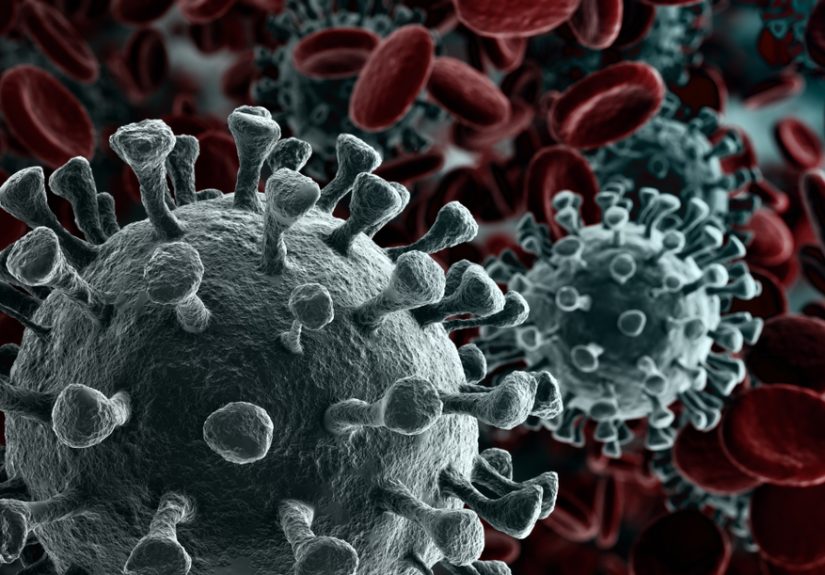
Mpox is an illness caused by the mpox virus, which belongs to the same virus family as smallpox
(called orthopoxviruses). That family connection is one reason mpox can cause a distinctive rash
and why some smallpox-related vaccines and antiviral tools can be used against it.
Mpox has been found for decades in parts of Central and West Africa, where it can spread between animals and people.
In 2022, mpox spread more widely in many countries (including the U.S.), largely through close physical contact.
Since then, cases have continued at lower levels, with periodic clusters and ongoing monitoring.
One more quick clarity booster: mpox is not chickenpox. The names sound like they were created during a
game of telephone, but they’re different viruses with different patterns. If you’re trying to “self-diagnose” from a
blurry photo online… don’t. (Your camera roll deserves better.)
How Mpox Spreads (And How It Usually Doesn’t)
Mpox spreads mainly through close contact. That can include:
- Direct skin-to-skin contact with a mpox rash, scabs, or body fluids.
- Intimate contact, including sex, kissing, cuddling, or other close physical contact.
- Prolonged face-to-face contact where respiratory secretions could be exchanged (think “close and sustained,” not “passed you in Target”).
- Touching contaminated items like bedding, towels, or clothing that contacted the rash or body fluids.
Mpox does not usually spread the way measles does (through a room long after someone leaves).
Most transmission requires closenessoften repeated or sustainedbecause the virus needs a practical route from one person to another.
What about pets and surfaces?
It’s possible for orthopoxviruses to involve animals, and public health guidance can include steps to reduce household spread,
like careful laundry handling and cleaning commonly touched surfaces. The big idea: treat mpox like you would any infection where
close contact and shared personal items raise risk.
Signs and Symptoms: What Mpox Looks and Feels Like
Mpox often starts with general “I think my body is mad at me” symptoms and then a rashbut the order can vary.
Some people notice the rash first, or have mild symptoms overall.
Common symptoms
- Fever or chills
- Headache
- Muscle aches or back pain
- Fatigue
- Swollen lymph nodes
- Sore throat or other respiratory symptoms (sometimes)
- A rash that can be painful and later itchy as it heals
The rash can show up on different parts of the body (including hands, feet, face, mouth, or genital area).
It typically goes through stages before healing. The key point isn’t memorizing every stageit’s recognizing:
a new, unexplained rash plus feeling sick deserves medical attention.
When are you contagious?
People can spread mpox from the time symptoms start until the rash has fully healed and a fresh layer of skin has formed.
That’s why isolation guidance tends to focus on the rash healing process, not just “24 hours fever-free.”
How Long Does Mpox Last?
Many cases resolve in two to four weeks. The timeline depends on your immune system, how extensive symptoms are,
and whether complications develop. Some people have a rougher course, especially if they’re immunocompromised or have certain skin conditions
that can make infections more complicated.
Who Is at Higher Risk for Severe Illness?
Anyone can get mpox, but some people are more likely to get very sick or need hospital care. Higher-risk groups can include:
- People with weakened immune systems (for example, advanced or untreated HIV, certain cancer treatments, transplant recipients)
- Pregnant people
- Young children
- People with extensive skin involvement or symptoms that affect eating, hydration, or severe pain control
If you’re in a higher-risk group, it’s especially important to seek care early if you suspect mpoxbecause timing can matter for treatment decisions.
What to Do If You Think You Have Mpox
Here’s a practical checklist that doesn’t require a medical degree or a panic purchase of 400 bottles of hand sanitizer:
- Contact a healthcare provider as soon as possibleespecially if you have a new rash.
- Limit close contact with others while you’re figuring it out.
- Cover the rash with clothing or bandages when around other people, and avoid skin-to-skin contact.
- Don’t share towels, bedding, utensils, vapes, lip balm, or anything that touches your mouth/skin.
- Wash hands regularly and handle laundry carefully (think “don’t hug the bedsheets to your chest”).
- If you must be around others, consider masking and improving airflow (open windows, run fans) to reduce close-range respiratory spread risk.
Also: please don’t play “medical detective” by asking friends to diagnose your rash via group chat. Your friends deserve peace,
and you deserve an actual clinical assessment.
Testing and Diagnosis: How Doctors Confirm Mpox
There isn’t a reliable home test for mpox. Diagnosis typically involves a clinician exam and a lab test (often PCR)
using a swab sample from the rash. Providers may also test for other infections that can look similar, because rashes can be surprisingly
unoriginal in the way they show up.
Treatment: What Helps (And What’s Reserved for Higher-Risk Cases)
For many people, mpox care is mostly supportivemeaning the goal is to help you feel better while your immune system
does its job. Supportive care can include:
- Pain relief (over-the-counter or prescription, depending on severity)
- Managing fever and aches
- Keeping hydrated and nourished
- Skin care to protect irritated areas and reduce secondary infection risk
Antiviral treatment (TPOXX/tecovirimat)
Tecovirimat (often called TPOXX) is an antiviral that may be used for certain mpox patients, particularly people at
higher risk for severe disease or with more serious illness. In the U.S., access has been managed through specific public health and clinical pathways
(such as expanded access protocols). The decision to use antivirals depends on factors like immune status, symptom severity, and clinical judgment.
Translation: if you’re generally healthy and symptoms are mild, you may not need antivirals. If you’re higher risk or getting worse,
your clinician may consider them sooner.
Vaccines: Your Best “Do Not Disturb” Setting for Mpox
Vaccination is a major prevention tool for people at increased risk of exposure. In the U.S., the vaccine most commonly used for mpox prevention is
JYNNEOS.
JYNNEOS basics
- It’s a two-dose vaccine series.
- The second dose is typically given 28 days (4 weeks) after the first.
- Protection improves after the full series, and it takes time for your immune response to build.
Can the vaccine help after exposure?
Yes. Post-exposure vaccination can help if given soon after exposureideally within a few days. Even if it doesn’t fully prevent illness,
it may reduce severity. If you think you’ve had a close exposure, contact a healthcare provider or local health department quickly.
What about ACAM2000?
Another smallpox vaccine, ACAM2000, exists but may show up less often in everyday mpox prevention discussions because it has
more safety considerations and isn’t appropriate for everyone. For most people needing mpox vaccination, clinicians and public health agencies
commonly prefer JYNNEOS when available and appropriate.
Prevention Tips That Work in Real Life
You don’t need to turn into a hazmat-suit influencer. You just need a few smart habitsespecially if you’re in a community or setting where
mpox exposure risk is higher.
1) Know your risk moments
Mpox spreads most easily during close contact. Risk can go up during situations like crowded parties, festivals, shared living spaces,
or intimate contact with new or multiple partners. That doesn’t mean “never have fun again.” It means: if mpox is circulating locally,
make your choices with eyes open.
2) Don’t ignore a new rash
A surprising number of outbreaks are fueled by the “It’s probably nothing” approach. If you have a new rash plus fever, swollen lymph nodes,
or feel generally unwell, get checked. Early evaluation helps protect you and othersand can make treatment decisions smoother.
3) Vaccination if you’re eligible
If public health guidance in your area recommends mpox vaccination for your risk category, it’s worth doing. The vaccine doesn’t just lower
your odds of infection; it can reduce the chance of severe symptoms, which is a very underrated life upgrade.
4) Home and household basics
- Avoid sharing towels, bedding, and clothing with someone who has symptoms.
- Wash items with regular detergent (follow label instructions).
- Clean high-touch surfaces routinely.
- Wash hands after handling laundry or bandages.
Myths, Misinformation, and the Stigma Trap
Mpox has been surrounded by two unhelpful extremes: “Only one group gets it” and “Everyone is doomed.”
Both are wrong, and both make outbreaks harder to control.
- Myth: “Mpox is only sexually transmitted.”
Reality: Intimate contact can be a major route, but mpox can spread through non-sexual close contact too. - Myth: “If I’m not in a certain identity group, I can’t get it.”
Reality: Anyone can get mpox if exposed. Risk is about contact patterns, not labels. - Myth: “Vaccines cause mpox.”
Reality: There’s no credible evidence that COVID vaccines cause mpox, and public health agencies track and investigate vaccine safety carefully.
Stigma makes people less likely to seek care or notify contacts, which is basically the infectious-disease version of turning off your smoke alarm
because it’s “being dramatic.” The better approach: facts, compassion, and practical prevention.
What’s the Current Situation in the U.S.?
In recent years, U.S. public health agencies have continued monitoring mpox. Clade II has continued circulating at low levels in multiple countries,
and travel-associated cases of clade I have been reported internationally, with careful surveillance and response efforts. For most people in the U.S.,
the general risk is considered low, but local risk can change depending on outbreaks and exposure networks.
The takeaway: you don’t need to panic-check your skin every 12 minutesbut you also shouldn’t treat mpox like an ancient history topic.
Knowing how it spreads and who should consider vaccination is the sweet spot.
Bottom Line: What You Should Remember
- Mpox spreads mainly through close contact, not casual “same grocery aisle” encounters.
- Symptoms often include flu-like illness and a rash that takes time to heal.
- People are generally contagious from symptom onset until the rash is fully healed with new skin.
- Vaccination (JYNNEOS) is a key prevention tool for eligible people and may help after exposure if given quickly.
- Most cases recover with supportive care, but high-risk individuals should seek medical advice early.
Real-World Experiences: What People Wish They’d Known (and What Helps)
Facts are essential, but so is the “what is this actually like?” side of mpox. People’s experiences vary, but common themes show up again and again
and they’re surprisingly practical.
1) The uncertainty is often the hardest part at first. Many people describe the early stage as confusing: feeling run-down,
noticing a rash, and immediately wondering if it’s something else (an allergic reaction, an insect bite, a different infection).
Because rashes can look similar across conditions, getting evaluated by a clinician can bring reliefeven before results come backbecause you’ll have a plan.
2) Pain and discomfort can be real, even in “mild” cases. “Mild” in a medical chart can still mean
“I feel awful and I’m not sleeping well.” People often find that a mix of basics helps:
scheduled pain relief (as recommended by a clinician), hydration, gentle skin care, loose clothing, and keeping irritated areas clean and protected.
If pain is significant or symptoms affect eating, drinking, or bathroom routines, people often wish they’d asked for help sooner.
3) Isolation is less about boredom and more about logistics. Staying away from close contact for long enough to avoid spreading mpox
can mean missing work, school, social plans, or family events. People who manage it best tend to prepare a “comfort + supplies” setup:
separate towels, easy-to-wash bedding, a trash bag for dressings/bandages, and a way to get groceries or meds without close contact.
If you live with others, clear communication matters: who uses which bathroom, how laundry is handled, and how to keep shared spaces clean without making everyone tense.
4) Talking to partners or close contacts can feel awkwardbut it’s usually appreciated. Many people worry that notifying contacts will
trigger blame or drama. In practice, a simple, respectful message often works best:
“I’m being checked for mpox / I tested positive. I wanted you to know so you can monitor symptoms and talk to a provider about vaccination.”
It’s not a courtroom confessionit’s a health heads-up.
5) Stigma can be louder than the symptoms. People frequently report feeling judged or misunderstood, especially when mpox gets framed as
“only affecting certain communities.” The experience can be emotionally exhausting. What helps: remembering that infection risk is about exposure,
not identity; leaning on trusted friends; and sticking to reputable medical guidance rather than social media hot takes.
6) Vaccination experiences are usually straightforward. People commonly describe mild side effects like arm soreness, fatigue, or a brief
“blah” feeling after a dosetypical vaccine stuff. A frequent regret is waiting too long to get dose two or assuming one dose is enough forever.
If you’re eligible, completing the series on schedule (or as soon as you can) is a simple step that many people say gives them peace of mind.
If there’s one “experience-based” lesson that stands out, it’s this: mpox is manageable when you respond early, follow guidance, and get support.
The goal isn’t to be fearless. It’s to be preparedso you can keep living your life without rolling the dice on preventable risk.