Table of Contents >> Show >> Hide
- Why Car Batteries Fail in the First Place
- 1. The Engine Cranks Slower Than Usual
- 2. You Hear Rapid Clicking or Get a No-Start
- 3. Your Headlights Are Dim or Electronics Act Weird
- 4. The Battery Warning Light Comes On
- 5. There Is Corrosion on the Battery Terminals
- 6. The Battery Case Looks Swollen or Bulging
- 7. You Smell Rotten Eggs or Notice Leaking Fluid
- 8. The Battery Is Old, Needs Repeated Jump-Starts, or Won’t Hold a Charge
- What To Do Next If You Think Your Battery Is Dying
- Battery or Alternator? How to Tell the Difference
- How To Help Your Next Car Battery Last Longer
- Experience-Based Scenarios: What This Looks Like in Real Life
- Final Thoughts
- SEO Metadata
Your car battery has a special talent: it waits until you are late, under-caffeinated, or parked in the most inconvenient spot in America to start acting dramatic. One day your vehicle fires up like a champ. The next day it sounds like it is sighing, reconsidering its life choices, and maybe refusing to participate altogether.
The good news is that a dying car battery usually drops hints before it fully gives up. If you know what to watch for, you can avoid the classic “Why won’t my car start?” meltdown, prevent getting stranded, and fix the problem before it snowballs into something more expensive.
In this guide, we will break down the most common signs of a dying car battery, explain what each symptom may mean, and walk through what to do next. We will also cover when the battery is the real problem, when the alternator or charging system may be to blame, and how to make your next battery last longer.
Why Car Batteries Fail in the First Place
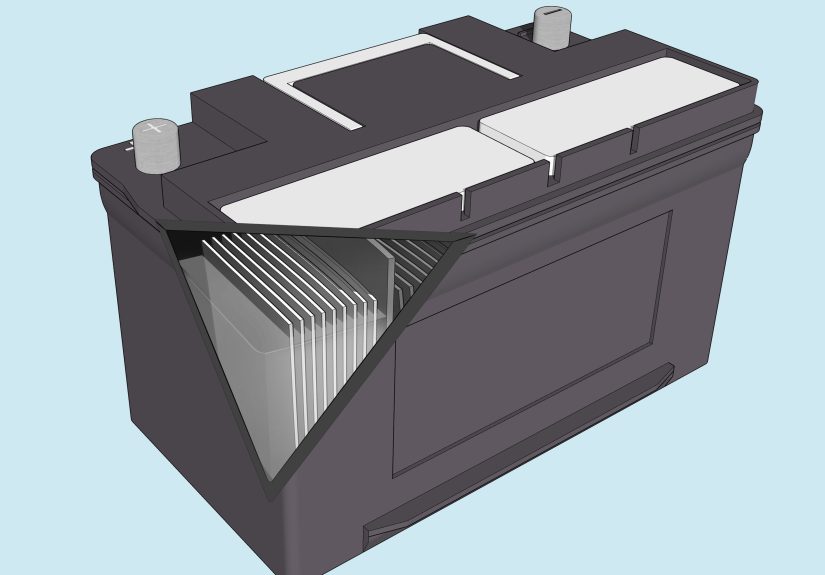
A standard 12-volt car battery works hard every time you start your vehicle. It sends a burst of electricity to the starter, helps power electronics, and supports the charging system. Over time, heat, cold, vibration, short trips, corrosion, and plain old age wear it down.
That is why a battery can seem fine for months and then suddenly act like it has entered its retirement era. In many cases, the failure was building quietly in the background.
1. The Engine Cranks Slower Than Usual
This is one of the earliest and most reliable signs your car battery is dying. When you turn the key or push the start button, the engine should crank with confidence. If it suddenly sounds sluggish, hesitant, or slower than normal, your battery may be losing the power needed to spin the starter properly.
Drivers often describe this as the engine sounding “lazy” or “tired.” That is not technical terminology, of course, but it is surprisingly accurate.
What to do next
Do not ignore a slow crank and hope your car is just “warming up emotionally.” Have the battery tested soon. Many auto parts stores and repair shops can check battery health and charging output quickly. If the battery tests weak, replacement is usually smarter than waiting for a total no-start.
2. You Hear Rapid Clicking or Get a No-Start
If you turn the key and hear rapid clicking, or the car does not start at all, a weak or dead battery is a prime suspect. Clicking often happens when the battery has enough power to engage the starter relay but not enough to crank the engine.
That said, not every no-start is automatically a battery problem. A bad starter, loose cables, or charging system trouble can create similar symptoms. Still, if your vehicle has recently been slow to start, the battery deserves top billing on the suspect list.
What to do next
Try a jump-start if the battery case is not swollen, cracked, or leaking. If the car starts and then runs normally, get the battery and charging system tested as soon as possible. If the vehicle will not jump-start, or dies again quickly, you may be dealing with a battery that can no longer hold a charge or an alternator that is not recharging it.
3. Your Headlights Are Dim or Electronics Act Weird
Car batteries do more than start the engine. They help stabilize power for your vehicle’s electronics. When the battery weakens, you may notice dim headlights, flickering interior lights, slow power windows, weak radio performance, uncooperative seat warmers, or dashboard displays that seem a little confused.
Sometimes these problems show up most clearly when the engine is off or idling. If your lights look dull before the engine starts, that is a strong clue the battery is struggling.
What to do next
Pay attention to patterns. If the electrical weirdness keeps happening with other battery symptoms, schedule a battery test. If the lights brighten when the engine revs, the issue may involve the charging system too, which means you should have the alternator checked as well.
4. The Battery Warning Light Comes On
That little battery-shaped icon on your dashboard is not decoration. If it lights up, your vehicle is telling you there is a problem somewhere in the charging system. That could mean the battery is weak, but it could also point to the alternator, voltage regulator, wiring, or belt-related issues.
In other words, the battery light does not always mean “replace battery immediately.” It means “something electrical is wrong, and this is not the time for denial.”
What to do next
If the warning light stays on while driving, reduce unnecessary electrical use and get the vehicle inspected soon. If you also notice dim lights, repeated battery drain, or a burning smell, stop driving as soon as it is safe and arrange service. A failing charging system can leave you stranded even if the battery itself is still decent.
5. There Is Corrosion on the Battery Terminals
If you pop the hood and see white, blue, or green crusty buildup around the battery terminals, that is corrosion. It can interfere with the electrical connection, making it harder for the battery to deliver power and harder for the vehicle to recharge it properly.
Corrosion does not always mean the battery is toast, but it should never be ignored. A dirty or loose connection can create many of the same symptoms as a dying battery, including slow starts and electrical issues.
What to do next
Have the terminals cleaned and inspected. If the corrosion returns quickly, the battery may be aging, leaking gases, or developing internal trouble. Also make sure the battery cables are tight. Sometimes the issue is not the battery’s chemistry but the connection itself.
6. The Battery Case Looks Swollen or Bulging
This is a major red flag. A battery that looks swollen, bloated, or misshapen has likely been damaged by excessive heat, overcharging, freezing conditions, or internal failure. Once a battery case starts bulging, you are past the “keep an eye on it” stage.
A healthy battery should sit there quietly, looking boring and rectangular. If it looks like it has been doing bench presses, that is bad news.
What to do next
Replace it promptly. Do not attempt to keep using a swollen battery. Avoid jump-starting or charging a battery that is cracked, leaking, or severely deformed. If you are not comfortable handling it, have a professional remove and replace it safely.
7. You Smell Rotten Eggs or Notice Leaking Fluid
A strong sulfur or rotten-egg smell under the hood can signal a venting or overcharging battery. Fluid leaks or visible damage around the battery are equally concerning. At that point, the battery is not just weak. It may be hazardous to nearby components and unsafe to ignore.
This is not a “maybe I will deal with it next weekend” kind of symptom. It is a “today would be great” kind of symptom.
What to do next
Stop poking around bare-handed, avoid open flames or sparks, and have the battery inspected or replaced immediately. If the smell appeared while driving and the battery light is on, the charging system may be overcharging the battery, which also needs quick attention.
8. The Battery Is Old, Needs Repeated Jump-Starts, or Won’t Hold a Charge
Sometimes the biggest clue is simply age and behavior. Most car batteries do not last forever, and many start becoming more failure-prone in the three-to-five-year range, especially in very hot climates, very cold climates, or vehicles used mostly for short trips.
If your battery keeps needing jump-starts, loses charge after sitting overnight, or dies after a weekend in the driveway, it is probably nearing the end of the road. Repeatedly reviving a failing battery is usually a temporary patch, not a cure.
What to do next
Check the battery age and get it tested. If it is already several years old and showing weak performance, replacement is often the most cost-effective move. Also ask whether something else is draining it, such as a parasitic draw, charging system problem, or frequent short-trip use.
What To Do Next If You Think Your Battery Is Dying
1. Get the battery tested
This is the smartest first step. A proper test can show whether the battery is weak, failing, or simply discharged. It can also help rule out the alternator and other charging problems.
2. Inspect the basics
Look for corrosion, loose terminals, obvious leaks, a swollen case, or damaged cables. Sometimes the fix is a bad connection, not a dead battery.
3. Think about recent patterns
Has the car been sitting a lot? Have you been taking very short trips? Did temperatures swing wildly? Did you leave a dome light on? Context matters, because not every dead battery means the battery itself is defective.
4. Jump-start only if it is safe
If the battery is not cracked, leaking, or swollen, a jump-start can get you moving. Follow your owner’s manual and proper cable order carefully. If you are unsure, call roadside assistance. Pride is cheaper than replacing fried electronics.
5. Replace the battery if the signs are stacking up
If the battery is old and you already have slow starts, dim lights, and repeated jumps, this is not the moment to become an optimist. Replace it before it chooses the worst possible morning to make the decision for you.
Battery or Alternator? How to Tell the Difference
This is where many drivers get tripped up. A weak battery and a failing alternator can produce overlapping symptoms, but there are clues:
- More likely battery: slow cranking, repeated clicking, old battery, trouble starting after the car sits, visible corrosion, swelling, or bad smell.
- More likely alternator or charging system: battery warning light while driving, repeated battery drain after replacement, lights that change brightness while driving, or other electrical issues that get worse on the road.
If you jump-start the car and it soon dies again, or the battery keeps going flat despite being fairly new, look beyond the battery. The alternator may not be keeping it charged.
How To Help Your Next Car Battery Last Longer
- Avoid leaving lights or accessories on when the engine is off.
- Drive long enough to let the battery recharge, especially after many short trips.
- Keep terminals clean and connections tight.
- Secure the battery properly so vibration does not shorten its life.
- Have the battery checked during routine service, especially as it gets older.
- Pay attention to extreme heat and cold, because both can shorten battery life.
A little prevention goes a long way. Car batteries rarely send a calendar invite before they fail.
Experience-Based Scenarios: What This Looks Like in Real Life
Many drivers do not realize their battery is fading because the signs arrive in small, forgettable moments. It starts with a slightly slower crank on a chilly morning. Then the radio resets once, the headlights seem a bit weak in the driveway, and the power windows feel slower than usual. Nothing seems dramatic enough to demand action, so it gets pushed down the to-do list. Then one school run, commute, grocery stop, or gas-station coffee break later, the car refuses to start. That is the classic battery story: a long buildup followed by terrible timing.
One of the most common real-world scenarios happens after a stretch of short trips. A driver spends a week running errands that are only a few minutes long. The car starts over and over, but it never gets enough time on the road to fully recharge the battery. By Friday, the engine sounds tired. By Saturday morning, there is clicking and nothing else. The battery did not fail out of nowhere. It was quietly falling behind all week.
Another familiar experience shows up during seasonal weather swings. In summer, extreme heat can accelerate battery wear and evaporate internal components faster. In winter, cold temperatures make it harder for a weakened battery to deliver the power needed to crank the engine. That is why a battery that seemed “basically fine” in mild weather can suddenly wave a white flag on the first really cold morning. Drivers often blame the weather, but the weather usually just exposes a battery that was already on borrowed time.
Then there is the jump-start trap. A driver gets one jump, promises to deal with it later, and then keeps going as if the battery has been emotionally reset. But if the battery needs repeated jumps within days or weeks, that is usually not a quirky phase. It is a warning. Repeated jump-starts can get you home, but they should also push you toward a test, not lull you into pretending the problem has gone away.
Some drivers also learn the hard way that battery symptoms can mimic other issues. Maybe the headlights dim, the dash light appears, and the battery gets replaced, only for the same problem to return. That often points to the alternator or charging system instead. The real lesson is simple: replacing the battery without testing the system is like replacing your smoke alarm because your kitchen smells funny. You might solve it, but you also might miss the actual fire.
The smartest experience-based takeaway is this: trust patterns, not excuses. If your car is cranking slowly, losing charge overnight, showing electrical glitches, or asking for jump-starts more than once, do not wait for absolute proof. A battery test is fast, relatively inexpensive, and far less annoying than being stranded in a parking lot explaining to your boss, your family, or your frozen coffee why you are not moving.
Final Thoughts
A dying car battery is usually not subtle forever. It gives you clues: a slow crank, dim lights, warning indicators, corrosion, swelling, weird smells, repeated jumps, or a battery that just cannot hold on anymore. The trick is paying attention before the car turns your schedule into a hostage situation.
If you notice even a couple of these symptoms, get the battery and charging system checked. Acting early can save you time, towing costs, and a lot of parking-lot frustration. Your battery may be aging, but your ability to avoid unnecessary drama does not have to.