Table of Contents >> Show >> Hide
- First, a quick “why is my nose blocked?” check
- The 8 best ways to clear a congested nose
- 1) Use saline spray or saline drops (the “tiny ocean” method)
- 2) Try a saline rinse (neti pot or squeeze bottle)but do it safely
- 3) Steam your way to relief (shower science, minus the lab coat)
- 4) Run a clean humidifier (because your nose hates “crispy air”)
- 5) Apply a warm compress to your face (low effort, surprisingly effective)
- 6) Hydrate and go warm (tea, broth, soupyour grandma was onto something)
- 7) Use medication strategically (and avoid the rebound trap)
- 8) Fix your “mechanics”: blow gently, elevate your head, and use simple breathing aids
- Putting it together: quick “choose-your-own-adventure” combos
- When to get medical help
- Real-life experiences: what it feels like when these actually work (and when they don’t) about
- Conclusion
A clogged nose is a special kind of annoying: you can technically survive it, but you’ll also consider trading your favorite hoodie for one clear nostril.
Nasal congestion happens when the lining of your nose gets irritated and swollen, and your body makes extra mucus to trap whatever it thinks is the enemy
(a virus, pollen, dust, dry air, perfume you didn’t ask for, etc.). The goal isn’t to “dry everything out” like a desertyour nose needs moisture.
The goal is to thin, loosen, and move mucus while calming inflammation so air can flow again.
Below are eight practical, evidence-based ways to “clean out” a congested nosewritten for real life (late-night stuffiness, early meetings, kids’ soccer games,
and that one moment you realize mouth-breathing makes you feel like a confused goldfish). Pick the methods that match your causecold, allergies, or dry air
and use them safely.
First, a quick “why is my nose blocked?” check
Congestion is a symptom, not a personality trait. The most common causes include:
- Common cold: swelling + watery mucus that can turn thicker over a few days.
- Allergies (allergic rhinitis): sneezing, itch, clear runny nose, and congestionoften worse with triggers like pollen, pets, dust mites.
- Dry indoor air: especially in winter or with heavy air-conditioningmucus gets sticky and stubborn.
- Irritants: smoke, strong fragrances, pollution, cleaning chemicals.
- Sinus inflammation: pressure/face pain can show up; most “sinus infections” start viral and improve with time.
- Rebound congestion: from overusing decongestant nasal sprays (more on that below).
If your congestion is mostly one-sided all the time, you have frequent nosebleeds, you can’t smell for weeks, or symptoms keep returning like a bad sequel,
it’s worth discussing with a clinician. (And if you have trouble breathing, severe swelling, or chest symptoms, seek urgent care.)
The 8 best ways to clear a congested nose
1) Use saline spray or saline drops (the “tiny ocean” method)
Saline (salt-water) spray doesn’t “medicate” youit moistens the nasal lining and helps loosen thick mucus so it can move.
Think of it like soaking a stuck pan: you’re not fighting the gunk, you’re persuading it.
How to do it: Spray saline into each nostril, wait a minute or two, then gently blow your nose (or let it drain).
You can repeat a few times a day. Saline is generally safe for most people, including during pregnancy, and it plays nicely with other treatments.
Pro tip: If your nose is super irritated, choose “gentle” saline or a product designed for frequent use.
Avoid sharing a bottlenoses are not a community garden.
2) Try a saline rinse (neti pot or squeeze bottle)but do it safely
A rinse is the bigger sibling of saline spray. Instead of misting moisture, you’re flushing out mucus, pollen, dust, and debris.
Many people find it especially helpful for allergies, post-nasal drip, and thick congestion.
How to do it (simple version): Use a premixed saline packet (easier to get the salt concentration right),
lean over a sink, and let the saline flow through one nostril and out the other. Then switch sides.
Safety rules (non-negotiable):
- Use distilled, sterile, or previously boiled and cooled waternot straight tap water.
- Clean and fully dry the device after use to reduce contamination risk.
- Stop if you have ear pain, significant burning, or worsening symptoms.
Who should be extra careful: Anyone with a weakened immune system, recent nasal surgery, or frequent ear issues should check with a clinician first.
If you’re unsure, saline spray is a lower-fuss alternative.
3) Steam your way to relief (shower science, minus the lab coat)
Warm, moist air can loosen mucus and make breathing feel easier. For many people, the best “steam device” is already in the house: your shower.
How to do it: Take a warm shower and breathe normally through your nose when you can.
Or sit in a steamy bathroom for 10–15 minutes. If you use a bowl of hot water, keep it on a stable surface and avoid leaning too close.
Safety note: Steam should never be a burn risk. Warm and steamy is good; “why is my face melting?” is not.
Kids should only do steam with close adult supervision.
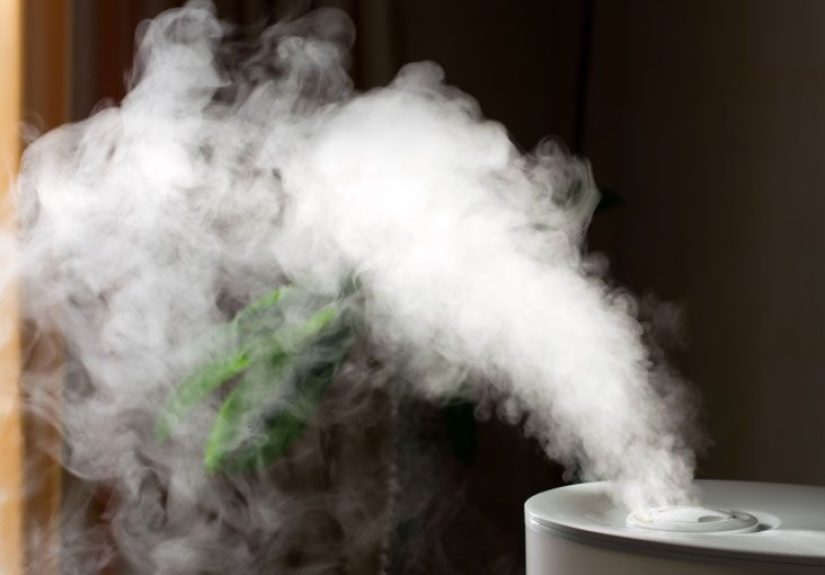
4) Run a clean humidifier (because your nose hates “crispy air”)
Dry air turns mucus into sticky paste. A humidifier adds moisture back to your environment so mucus stays thinner and the nasal lining gets a break.
This can be especially helpful at night when congestion loves to show off.
How to do it: Use a cool-mist humidifier in your bedroom while you sleep.
Aim for comfort, not a rainforesttoo much humidity can encourage mold.
Make it work (and stay safe): Clean the unit as directed and change the water daily.
A dirty humidifier can blow irritants into the air, which is the opposite of what we’re trying to accomplish.
5) Apply a warm compress to your face (low effort, surprisingly effective)
If your congestion comes with sinus pressure, warmth can soothe the area and encourage drainage.
It’s not magic, but it’s the kind of comfort that makes you feel like you have your life together.
How to do it: Wet a washcloth with warm water, wring it out, and place it over your nose and cheeks for 5–10 minutes.
Repeat a few times a day as needed.
Bonus: Pair this with saline spray beforehand, then gentle nose blowing afterward. It’s the “soft open, then clear” combo.
6) Hydrate and go warm (tea, broth, soupyour grandma was onto something)
Thick mucus is harder to move. Fluids help keep secretions thinner, and warm liquids can feel especially soothing when you’re congested.
This is less about a single “miracle drink” and more about steady, boring consistency.
How to do it: Sip water throughout the day. Add warm options like tea, broth, or soup.
Warm liquids can also make your nose feel less blocked by encouraging mucus flow.
Specific example: If you wake up clogged, start with a mug of warm tea, then do saline spray,
then shower steamthree gentle nudges that often beat one aggressive “fix.”
7) Use medication strategically (and avoid the rebound trap)
When inflammation is a big part of the problemespecially with allergiesmedication can help.
But “more” is not always “better,” and some products can backfire if used the wrong way.
Decongestant nasal sprays (fast relief, strict time limit)
Over-the-counter decongestant sprays can open your nose quickly, but using them too long can cause
rebound congestionmeaning your nose gets even more blocked when the spray wears off.
Many experts advise limiting use to just a few days.
Antihistamines (best when allergies are the culprit)
If congestion is paired with itching, sneezing, watery eyes, or clear drippy mucus, allergies are suspicious.
Non-drowsy antihistamines can help some people, though they’re usually better for sneezing and runny nose than pure blockage.
Intranasal steroid sprays (slow burn, big payoff)
For allergy-related congestion or chronic inflammation, steroid nasal sprays can reduce swelling over time.
They don’t work instantly (think days, not minutes), but they can be very effective when used consistently as directed.
Safety reminder: If you have high blood pressure, heart rhythm issues, glaucoma, prostate problems,
are pregnant, or you’re choosing medicine for a child, check labels carefully and consider asking a pharmacist or clinician what’s safest.
8) Fix your “mechanics”: blow gently, elevate your head, and use simple breathing aids
Sometimes the best congestion hack isn’t a productit’s technique.
Blow your nose gently (one side at a time)
Blowing too hard can irritate tissues and push mucus where you don’t want it. Instead:
press one nostril closed, blow gently through the other, then switch. If nothing moves, do saline first, wait a minute, then try again.
Sleep with your head elevated
Congestion often feels worse lying flat. Elevation can reduce pooling and make nighttime breathing easier.
An extra pillow or a slight incline can help without turning your bed into a ski slope.
Use nasal strips for airflow
Adhesive nasal strips can mechanically widen the nostrils, which may help you feel less blockedespecially at night or during exercise.
They don’t treat inflammation, but they can improve airflow when your nose is being dramatic.
Putting it together: quick “choose-your-own-adventure” combos
If it’s a common cold
- Morning: warm drink + saline spray + gentle blowing
- Evening: warm shower steam + humidifier overnight
- Optional: short-term medication choices if you truly need them (follow labels)
If it’s allergies
- Daily: saline rinse (safe water!) or saline spray
- Environment: shower after heavy pollen exposure; keep bedroom air comfortably humid, not damp
- Medication: consider allergy-focused options (consistent use matters)
If it’s dry air or irritants
- Humidifier + saline spray
- Avoid smoke/fragrances when possible
- Warm compress when you feel pressure building
When to get medical help
Most congestion improves with time and home care, but reach out to a clinician if:
- Symptoms last longer than about 10 days without improvement, or worsen after initially improving.
- You have high fever, significant facial pain/swelling, severe headache, or vision changes.
- You suspect rebound congestion from decongestant spray overuse.
- Breathing is difficult, you wheeze, or chest symptoms show up.
- Congestion is persistently one-sided or associated with frequent nosebleeds.
Real-life experiences: what it feels like when these actually work (and when they don’t) about
People often expect congestion relief to be instant, like flipping a light switch. In real life, it’s more like coaxing a stubborn jar lid: the trick is
using the right combination of grip, warmth, and patiencewithout launching it across the kitchen. One common experience is that saline spray feels “too simple”
at first. Many try one quick spritz, shrug, and move on. But when they use it the way it’s meant to be usedspray, wait a minute, then gently blowthere’s often a
noticeable difference. Not always a dramatic “I can smell colors now!” moment, but a steady easing that makes breathing less effortful.
Another frequent story: nighttime congestion. People will tell you they’re “fine all day” and then become a full-time mouth-breather the second their head hits the pillow.
Elevating the head and running a clean humidifier can be surprisingly helpful here. The relief isn’t only from moisture; it’s from reducing how much mucus
pools and thickens overnight. A simple pattern many notice is: humidifier nights mean fewer wake-ups and less of that sandpaper-dry throat in the morning.
Steam has its own reputation as the “I need help now” method. Lots of people describe stepping into a warm shower and feeling their nose start to loosen within minutes.
The key experience-based lesson is that steam works best as a setup, not the entire solution. People who get the best results often follow steam with saline spray
or a rinse and then gentle blowing. In other words: steam loosens; saline lifts; gentle blowing clears. When someone only does steam and then immediately goes back into dry air,
the congestion often returns like it pays rent.
Nasal rinses (neti pot or squeeze bottle) are the method people either love or abandon after one awkward attempt. The first try can feel strangewater in the nose is not
on most people’s wish list. But those who stick with it often report the biggest payoff when allergies are involved: less post-nasal drip, fewer “sneeze storms,” and a nose
that feels less inflamed by the end of the day. The experience-based caution is also real: folks who freestyle the salt ratio or use the wrong water source can end up with
burning, irritation, orrarely but seriouslyrisk of infection. People who use premixed packets and safe water tend to say it becomes routine fast.
Finally, there’s the “decongestant spray trap.” Many people describe it as a lifesaver on day one, a habit by day four, and a regret by day seven. The experience is usually:
the spray stops lasting, they use it more often, and suddenly their nose feels blocked because the spray is wearing off. If this sounds familiar, you’re not alone
it’s a well-known rebound effect. The best real-life workaround is prevention: use sprays only for very short stretches, and lean on safer daily supports like saline,
humidity, and allergy control when inflammation is the main issue.
If there’s one takeaway from real-world use, it’s this: congestion usually responds best to gentle, layered tactics done consistently. Your nose doesn’t want a war.
It wants better conditions and a little help clearing the traffic jam.
Conclusion
Clearing a congested nose isn’t about blasting your sinuses into submissionit’s about restoring airflow by thinning mucus, adding moisture, and calming inflammation.
Start with the safest basics (saline, steam, humidity, hydration), then add targeted options (rinses with safe water, allergy control, careful short-term meds) based on your cause.
With the right mix, you can go from “permanent mouth-breather” back to “casually inhaling like a normal human” faster than you think.