Table of Contents >> Show >> Hide
- Why swap rice at all?
- Quick comparison: pick your rice replacement in 10 seconds
- 1) Quinoa: the “protein upgrade” that still behaves like rice
- 2) Cauliflower “rice”: the stealth-veg move that actually tastes good
- 3) Farro: chewy, nutty, and built for “real meal” bowls
- 4) Barley: the cozy swap for soups, stews, and creamy bowls
- 5) Bulgur: the fastest “grain bowl” energy you can buy
- 6) Couscous: the “I need a side in 5 minutes” hero
- 7) Millet: mild, gluten-free, and surprisingly versatile
- 8) Lentils: the hearty, protein-forward swap that keeps you full
- How to make any rice alternative taste amazing
- Troubleshooting: common swap mistakes (and how to fix them)
- Real-Life Experience: what it actually feels like to swap rice (500-word practical reality check)
- Conclusion: your next bowl doesn’t have to start with rice
Rice is wonderful. Rice is reliable. Rice is also the culinary equivalent of wearing the same hoodie every day because it’s “still clean-ish.” If you’ve ever stared into your pantry and thought, “I love you, rice… but I need to see other sides,” this one’s for you.
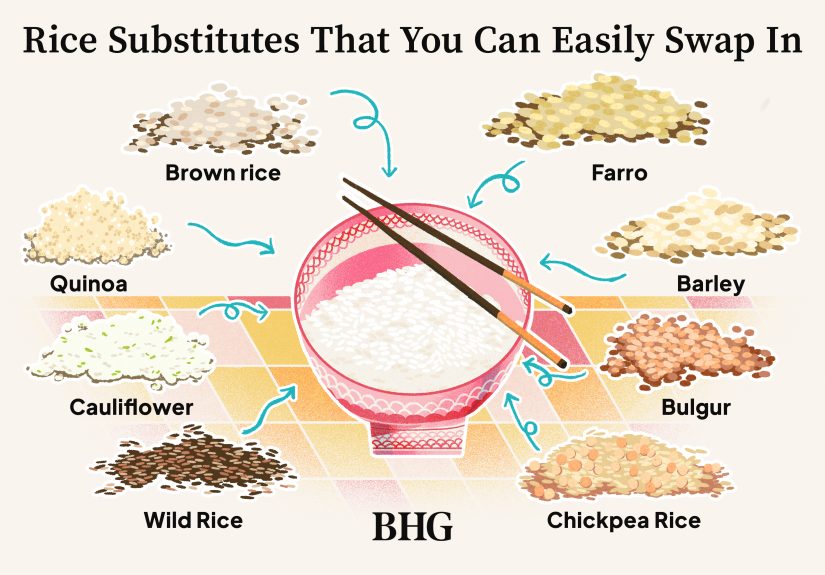
The good news: you can swap rice without turning dinner into a science fair project. Whether you want more protein, more fiber, fewer carbs, a different texture, or just a break from the usual, there are plenty of easy, tasty stand-ins that work in bowls, stir-fries, curries, soups, meal-prep containers, and “I’m too tired to cook” situations.
Why swap rice at all?
Let’s be clear: rice doesn’t need defending. But switching things up can solve real-life problemslike “I’m hungry again in 37 minutes,” “I want more vegetables,” or “I bought a bag of farro once and it’s been judging me from the back of the cabinet.”
- Different nutrition profiles: Some swaps bring more protein, fiber, or micronutrients.
- Different textures: Creamy, chewy, fluffy, or heartyyour call.
- Different cooking speeds: A few options cook faster than rice (and some are basically instant).
- Diet flexibility: You’ll find naturally gluten-free choices and lower-carb choices.
Quick comparison: pick your rice replacement in 10 seconds
| Swap | Texture vibe | Best for | Diet notes |
|---|---|---|---|
| Quinoa | Fluffy with a light pop | Burrito bowls, salads, meal prep | Gluten-free, higher protein |
| Cauliflower “rice” | Tender-crisp, veggie-forward | Stir-fries, fried “rice,” low-carb bowls | Low-carb, extra veggies |
| Farro | Chewy, nutty, satisfying | Grain bowls, soups, “risotto-ish” dishes | Contains gluten (wheat) |
| Barley | Cozy and slightly chewy | Soups, stews, creamy bowls | Contains gluten (typically) |
| Bulgur | Light, tender, fast-cooking | Mediterranean plates, pilafs, salads | Contains gluten (wheat) |
| Couscous | Fluffy and quick | Weeknight sides, saucy mains | It’s pasta (wheat); whole-wheat option exists |
| Millet | Mild, slightly sweet | Curries, bowls, breakfast-y grain bases | Gluten-free |
| Lentils | Hearty and substantial | Bowls, salads, protein-forward “rice” swaps | High protein/fiber, naturally gluten-free |
1) Quinoa: the “protein upgrade” that still behaves like rice
Quinoa is your easiest “swap it and forget it” option. It’s fluffy like rice, but with a slightly nutty flavor and a tiny, pleasant pop when you chew. Translation: it feels more interesting, without feeling weird.
How to use it like rice
- Burrito bowls: Quinoa + black beans + salsa + avocado = weeknight victory.
- Stir-fry base: Great under teriyaki chicken, tofu, or shrimp.
- Meal prep: Holds up well in the fridge without turning sad.
Quick cook guide
Rinse it first (this helps remove bitterness). Cook like rice: simmer until the liquid absorbs, then rest covered and fluff. If you want extra flavor, use broth and add a squeeze of lemon at the end.
2) Cauliflower “rice”: the stealth-veg move that actually tastes good
Cauliflower rice is what happens when a vegetable shows up dressed as a grain and somehow pulls it off. It won’t taste exactly like ricebecause it’s cauliflowerbut it does one thing brilliantly: it becomes a neutral base for strong flavors.
How to use it like rice
- Fried “rice”: Use high heat, plenty of aromatics (garlic/ginger), and finish with soy sauce or tamari.
- Curry bowls: Great under Thai or Indian-style curries because it soaks up sauce fast.
- Half-and-half trick: Mix cauliflower rice with a grain (like quinoa) for a lighter bowl that still feels filling.
Quick cook guide
Don’t overcook it. You’re aiming for tender-crisp, not mush. Sauté in a wide pan so moisture can evaporate. If you’re using frozen cauliflower rice, cook uncovered and be patientsteam is the enemy of “fried rice” energy.
3) Farro: chewy, nutty, and built for “real meal” bowls
Farro is an ancient wheat grain with a hearty chew and a mellow, nutty flavor. If rice is a soft blanket, farro is your favorite structured jacketstill cozy, just more put-together.
How to use it like rice
- Grain bowls: Farro + roasted veggies + feta + lemony dressing = lunch you’ll actually look forward to.
- Soups: Adds chew and makes broth-based soups feel substantial.
- “Risotto-ish”: Stir it with broth, Parmesan, and greens for a creamy-but-chewy vibe.
Quick cook guide
Farro typically simmers longer than rice, but it’s forgiving. Cook until tender with a bit of bite. Salt the water like pasta. Drain if needed, then toss with olive oil and herbs so it doesn’t clump.
Heads up: Farro contains gluten (it’s wheat), so it’s not a fit for gluten-free diets.
4) Barley: the cozy swap for soups, stews, and creamy bowls
Barley brings comfort-food vibes without requiring comfort-food regret. It’s slightly chewy and can get pleasantly creamy, which makes it perfect when you want “warm bowl of something” season.
How to use it like rice
- Soup base: Think beef-and-barley, chicken soup, mushroom soupbarley plays well with all of them.
- “Barley risotto”: Stir with broth and finish with cheese for a rich texture.
- Meal prep bowls: Especially good with roasted vegetables and a tangy sauce.
Quick cook guide
Barley can take longer than rice, but you can cook a big batch and freeze portions. If you want speed, look for quick-cooking barley (and don’t be afraid to consult the packagebarley comes in different forms).
Heads up: Barley typically contains gluten.
5) Bulgur: the fastest “grain bowl” energy you can buy
Bulgur is cracked wheat that cooks quickly and has a tender bite. If you’re the kind of person who starts cooking when you’re already hungry, bulgur is your new best friend.
How to use it like rice
- Mediterranean plates: Serve under chicken shawarma-style seasoning, grilled fish, or roasted chickpeas.
- Salads: The classic is tabbouleh, but it also works with cucumbers, tomatoes, and a lemony vinaigrette.
- Stuffed veggies: Use bulgur in stuffed peppers or zucchini boats for a lighter filling than rice.
Quick cook guide
Bulgur often cooks in about the time it takes you to decide what show to watch while you eat. It’s great for weeknights because it absorbs flavor quicklybroth + spices = instant upgrade.
Heads up: Bulgur contains gluten (wheat).
6) Couscous: the “I need a side in 5 minutes” hero
Couscous looks like a grain, but technically it’s pasta. That’s not a problemjust a fun fact to drop at dinner parties (or to keep to yourself, like a normal person). It’s fluffy, mild, and loves sauce.
How to use it like rice
- Under saucy mains: Stews, braises, garlicky shrimpcouscous is basically a sauce sponge.
- Quick bowls: Toss with olive oil, herbs, lemon, and whatever protein you’ve got.
- Warm salads: Add roasted veggies, nuts, and a bright dressing for a “done” meal.
Quick cook guide
Couscous is more “steep” than “cook.” Boil the liquid, stir in couscous, cover, remove from heat, and let it absorb. Then fluff aggressively with a fork like you’re breaking up drama in a group chat.
Tip: Choose whole-wheat couscous when you want more fiber.
7) Millet: mild, gluten-free, and surprisingly versatile
Millet is a small, golden grain with a gentle flavorslightly sweet, never overpowering. It’s a great rice alternative when you want something neutral that still feels like a “real grain,” especially for gluten-free eating.
How to use it like rice
- Curries and stews: Millet holds its own under bold sauces.
- Grain bowls: Pair with roasted sweet potatoes, greens, and tahini dressing.
- Breakfast base: Cook it a little softer and top with fruit, nuts, and yogurt.
Quick cook guide
Millet can be fluffy or creamy depending on your liquid and cook time. For a more “rice-like” result, toast it briefly in a dry pan first (it adds a nutty aroma), then simmer until tender and let it rest.
8) Lentils: the hearty, protein-forward swap that keeps you full
Lentils aren’t pretending to be riceand that’s the point. They’re earthy, satisfying, and bring serious staying power to bowls. If you want the “base” of your meal to also contribute protein and fiber, lentils are a smart, delicious move.
How to use them like rice
- Bowl meals: Lentils + roasted vegetables + a punchy sauce (chimichurri, tahini, salsa verde).
- Warm salads: Especially good with feta, olives, and lemon.
- As a side: Season with garlic, bay leaf, and olive oil for a simple, savory “base.”
Quick cook guide
Different lentils behave differently. Brown/green/French-style lentils hold their shape (great for bowls). Red lentils break down and get creamy (great for soups and dals). Rinse first, simmer until tender, and salt toward the end if you want them to stay intact.
How to make any rice alternative taste amazing
The secret to loving a rice swap isn’t willpower. It’s seasoning and technique. Try these upgrades:
- Use broth instead of water: Instant flavor without extra work.
- Start with aromatics: Sauté onion/garlic/ginger before adding grains (especially for quinoa, barley, and lentils).
- Finish with brightness: Lemon juice, vinegar, or a yogurt sauce keeps bowls from tasting flat.
- Add texture: Nuts, seeds, crispy chickpeas, or chopped veggies make the “base” more exciting.
- Salt matters: Under-salted grains taste like regret. Salt the cooking liquid (or season well at the end).
Troubleshooting: common swap mistakes (and how to fix them)
- Problem: “My cauliflower rice is soggy.” Fix: Use a wide pan, cook uncovered, high heat, don’t overcrowd.
- Problem: “My quinoa tastes bitter.” Fix: Rinse it well before cooking; finish with herbs and citrus.
- Problem: “My farro/barley feels bland.” Fix: Broth + salt + a finishing drizzle of olive oil.
- Problem: “My lentils are mushy.” Fix: Use green/brown/French lentils, simmer gently, and check earlier.
- Problem: “My couscous clumped.” Fix: Fluff with a fork and add a small splash of olive oil.
Real-Life Experience: what it actually feels like to swap rice (500-word practical reality check)
Swapping rice sounds simpleuntil you try it on a Wednesday at 7:18 p.m. when you’re hungry, your brain is tired, and everyone in the house suddenly has strong opinions about texture. Here’s what people typically experience when they start rotating rice alternatives in real life, plus the small tweaks that make the swaps stick.
First: your mouth notices texture before it notices nutrition. That’s why quinoa is such an easy gateway swap. It behaves like rice, but adds a little pop that makes a bowl feel more “interesting” without feeling unfamiliar. Most people find the biggest win is meal prep: quinoa stays pleasantly fluffy in the fridge, especially if you cool it spread out for a few minutes before packing it away. The best “aha” moment is realizing quinoa takes bold flavors wellchipotle, pesto, curry, lemon-garlicso you can keep the base consistent and change the vibe with sauces.
Next: cauliflower rice is less a rice replacement and more a sauce delivery system. When people dislike it, it’s usually because it was steamed into softness and served plainbasically cauliflower sadness. When people love it, it’s because it was sautéed hot and fast, seasoned aggressively, and paired with something saucy (think stir-fry, curry, or a protein with a glossy glaze). A common real-world strategy is the “half-and-half” method: mix cauliflower rice with quinoa or barley so you get the volume and veggies without giving up the comfort of a grain.
Farro and barley often become the favorites for people who want dinner to feel “substantial.” The experience here is emotional as much as culinary: a chewy grain makes a bowl feel like a real meal. The trick is planning. These grains can take longer than rice, so the winning move is cooking a batch on Sunday and freezing portions. When you reheat, add a splash of broth or water and stirsuddenly it’s soft and steamy again, not dry and stubborn. People also discover that farro and barley pair beautifully with roasted vegetables and tangy dressings; acidity keeps hearty grains from tasting heavy.
Bulgur and couscous win on weeknights because they’re fast. The lived experience here is basically relief: you can make a “grain base” while your protein cooks. Bulgur feels especially satisfying in Mediterranean-style meals, and couscous is a cheat code under anything saucy. The biggest learning curve is moisturemeasure the liquid, let it sit covered, then fluff. If you skip the rest, you’ll get clumps. If you fluff properly, you’ll get a light, fluffy base that feels restaurant-adjacent.
Millet and lentils tend to become “your thing” once you find the right pairing. Millet is mild, so it shines with flavorful sauces, roasted veggies, and creamy toppings. Lentils are hearty, so they’re best when you want the base to pull its weightespecially in bowls where rice used to be the only filler. The biggest real-life takeaway: rotate two or three swaps that you genuinely enjoy, instead of forcing eight at once. You’re building a habit, not auditioning for a grain documentary.
Conclusion: your next bowl doesn’t have to start with rice
The easiest way to stop overthinking dinner is to keep a few “bases” you can rely on. Quinoa for protein, cauliflower rice for veggies, farro or barley for hearty comfort, bulgur or couscous for speed, millet for gluten-free variety, and lentils when you want a base that’s also the main event. Rotate them, season them well, and let rice take a well-deserved day off.